

Oklahoma gardens deal with hot summers, biting winters, and clay-heavy soil that punishes anything weak. Picking perennials that handle USDA zones 6 through 8, sudden ice, and long dry stretches saves you replanting every spring. The eight seed mixes below give Oklahoma gardeners a solid starting lineup for color, pollinator support, and low-maintenance beds.
A Snapshot Of The Selections

Fruivity Wildflower Seeds Bulk Butterfly Hummingbird Mix 1.06oz

Seed Needs Purple Coneflower Seeds (Echinacea) 1 Pack

Family Sown Perennial Species Mix 5g 2,500 Seeds

ZEshops 30pcs Blue Pink Purple Hydrangea Seeds

GevaGrow Perennial Wildflower Mix 90,000+ Seeds 2oz

Marde Ross Forget Me Not Seeds 6,000 Seeds

Outsidepride Blue Flax Seeds 5,000 Pcs
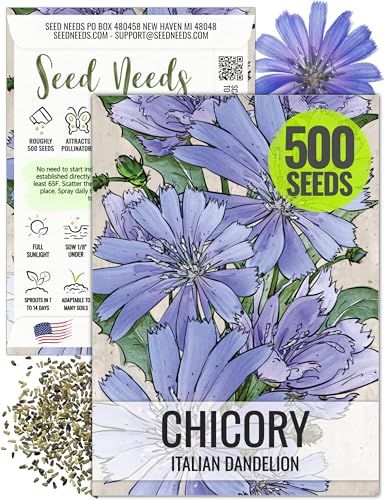
Seed Needs Chicory Italian Dandelion Blue 1 Pack
A Deeper Look At The Lineup
For most backyards in central Oklahoma, this Fruivity mix delivers one of the easiest paths to a rainbow bed without buying individual seed packets. Twenty-one perennial and annual varieties come blended into a 1.06-ounce pack, so a single pass across a prepared strip yields color in the first season and stronger roots the following year.
The blend leans toward pollinator magnets like coneflowers, blanket flower, and salvia, all species that take Oklahoma’s clay and summer heat in stride. For gardeners who want butterflies, hummingbirds, and a long bloom window from late spring through fall, this is a sensible starting point before you commit to a meadow-style overhaul.
What Pays Off
- Wide color range covers reds, yellows, blues, purples, and pinks in one sowing
- Pollinator-friendly species built into the blend
- Suitable for USDA zones across most of Oklahoma
- Useful for indoor starting trays or direct outdoor sowing
Things To Consider
- Mixed annuals and perennials mean some species won’t return
- Owners commonly report uneven germination in heavy clay without prep
Who It Suits Best
First-time wildflower sowers who want pollinator color with minimal planning across a modest Oklahoma yard.
Look Elsewhere When
Reach for Outsidepride Blue Flax Seeds instead if you need drought-tough blooms for a thin, rocky strip where this mix may struggle.
Purple coneflower is one of those rare perennials that genuinely loves Oklahoma weather: heat, cold, and the occasional drought barely slow it down. Seed Needs packages Echinacea purpurea in a single-species pack, which suits gardeners who want a uniform look rather than a mixed meadow.
Mature plants stretch 24 to 36 inches tall, so along a fence line or the back of a border, they create a tall, pollinator-rich screen. You may find germination slower than a wildflower blend, since Echinacea seeds benefit from cold stratification, so a fall sowing often outperforms a spring one.
Useful Touches
- Native prairie species adapted to Oklahoma heat and cold
- Reliable perennial that returns yearly once established
- Strong pollinator draw for bees and butterflies
- Useful height for back-of-border placement
Points To Note
- Cold stratification helps germination rates noticeably
- Single-species pack limits color variety in the bed
Key Specs
Whose Shelf It Belongs On
Homeowners planting a structured perennial border who want one dependable native species anchoring the back row.
A Better Fit Elsewhere
Choose GevaGrow Perennial Wildflower Mix instead if you want broader color across a wide meadow rather than a single species line.
Not every Oklahoma gardener needs a half-acre meadow. Family Sown’s 5-gram envelope holds roughly 2,500 pure live seeds aimed at covering about 20 square feet, which makes it a measured choice for urban patios and tight side yards.
The species mix favors hardy perennials, so the bed thickens over successive seasons instead of fading out. Depending on your soil prep, you may want to top-dress with compost before sowing, since the seed count rewards good seed-to-soil contact.
Strengths Worth Knowing
- Right-sized packet for small urban beds
- Hardy perennial blend that thickens over time
- Useful for borders or naturalized corners
Worth Noting
- Small coverage area limits large property use
- Without compost amendment, germination drops in heavy clay
Made For
City gardeners with a narrow side yard or patio bed who want perennial flowers that return without overspending on seed.
Skip It When
Pick GevaGrow Perennial Wildflower Mix instead if you need to cover an entire backyard or pasture rather than a 20-square-foot patch.
Hydrangeas push back against Oklahoma’s reputation for sun-baked beds, doing better in morning light with afternoon shade. This ZEshops pack carries 30 seeds aimed at producing the classic blue, pink, and purple mophead blooms that brighten sheltered courtyards.
Honest read: hydrangeas from seed are a longer game than from nursery starts, and flower color depends heavily on soil pH. Gardeners who want quick results may find the Seed Needs Purple Coneflower a faster route to blooms.
Benefits That Matter
- Color variety across blue, pink, and purple shades
- Tolerates partial shade better than most prairie picks
- Long-lived perennial in sheltered Oklahoma microclimates
- Suitable for both new and experienced gardeners
Honest Caveats
- Hydrangea seed germination is slow and patience-dependent
- Color shifts with soil pH, so results vary by region
- Needs afternoon shade, which limits open-yard placement
Best Suited To
Patient gardeners with shaded courtyards who want big mophead blooms rather than quick meadow color.
Swap It Out When
Choose Outsidepride Blue Flax Seeds instead if your yard is mostly open and full sun, where hydrangeas would struggle.
For acreage and pasture-sized plots, a 90,000-plus seed count from GevaGrow turns an overgrown corner into a low-maintenance wildflower meadow. Twelve perennial species make up the blend, each chosen for staying power rather than first-year flash.
The honest read on this kind of mix: perennials often delay blooms while they build roots, so year one may look sparse. By year three, a properly prepared site typically rewards you with a thick, self-sustaining stand that crowds out weeds.
Real Benefits
- Bulk seed count suited to large properties
- Twelve perennial species for layered color
- Self-sustaining once established
- Reduces long-term mowing and watering demands
Some Limits To Know
- Blooms often delay until the third growing season
- Site prep and weed control matter more at this scale
Feature Snapshot
Who Will Love This
Rural property owners establishing a meadow plot who can wait a couple of seasons for full color回报.
Reach For A Different Pick When
Pick the Family Sown Perennial Species Mix instead for a small urban bed where 90,000 seeds would be overkill.
Forget-me-nots fill a different role than the tall meadow picks above. Marde Ross packages 6,000 seeds of a low-growing perennial that produces clusters of sky-blue flowers from spring into summer, weaving between tulip beds and along border edges.
Plants mature around 6 to 12 inches tall, which makes them a soft carpet beneath taller spring bulbs. One thing worth considering: forget-me-nots self-seed freely once established, so a contained bed edge helps prevent spread into lawn areas.
Positive Points
- Compact 6 to 12 inch height for layering
- Adapts to both sun and partial shade
- Pairs well with tulips and spring bulbs
- Produces delicate blue blooms over a long window
Practical Considerations
- Self-seeding habit requires edge management
- Annual dieback leaves bare spots mid-summer in heat
The Right Fit
Bulb-bed gardeners who want a soft blue ground layer beneath taller spring flowers in shaded corners.
Where A Sibling Pick Shines
Pick the Fruivity Butterfly Hummingbird Mix instead if you need taller, more dramatic color across an open bed.
Blue flax earns its drought-tolerant reputation the honest way: deep roots, fine foliage, and airy light-blue blooms that sway above 12 to 24 inch stems. Outsidepride’s 5,000-seed pack works well for xeriscape beds and rocky borders where other picks above might sulk.
Plants adapt across USDA zones 3 through 10, so cold Oklahoma winters and hot summers both fall inside the comfort range. You may find the airy habit a refreshing contrast to the dense mounds of coneflower or hydrangea in a mixed border.
What Stands Out
- Strong drought tolerance for dry Oklahoma summers
- Self-seeding habit that fills gaps over time
- Adapts to USDA zones 3 through 10
- Useful for xeriscape, rock gardens, and borders
A Few Limitations
- Each bloom lasts only a day, so the show is gentle rather than bold
- Self-seeding may require thinning in tidy beds
Quick Facts
Perfect Match For
Xeriscape and rock-garden gardeners in western Oklahoma who need resilient color without regular watering.
Another Choice May Suit
Pick ZEshops Hydrangea Seeds instead if you have shaded courtyards with consistent moisture instead of dry open ground.
Chicory rounds out the lineup with tall, sky-blue blooms that open in the morning and close by afternoon, earning the nickname “blue sailors.” Seed Needs packages Cichorium intybus in a single-species pack, which fits meadow edges and roadside strips where height matters.
Mature plants reach 2 to 4 feet on sturdy, branching stems, so they tower above the lower flax and forget-me-not picks above. Depending on your soil, you may need to contain the deep taproot, since established chicory resents transplanting.
What Makes Sense
- Tall 2 to 4 foot height for meadow structure
- Pollinator favorite for bees and butterflies
- Long bloom window from summer into fall
- Tolerates poor soils along roadsides
Soft Spots
- Deep taproot makes relocation difficult
- Daily bloom cycle means shorter individual flower display
At A Glance
Who Should Grab It
Meadow-edge gardeners wanting tall, pollinator-heavy color through the hottest Oklahoma months.
Not Your Match When
Pick Marde Ross Forget Me Not Seeds instead for low-growing blue color along borders where 4-foot stems would look out of scale.
Matching Oklahoma Conditions To The Right Seed Mix
Oklahoma spans USDA zones 6 through 8, with western counties pushing into zone 7 and the panhandle leaning drier and windier. Choosing perennials that align with your microclimate saves seasons of trial and error.
Soil Type And Drainage
Clay-heavy soils hold water in winter and bake hard in summer. Perennials like purple coneflower and blue flax tolerate clay better than hydrangeas, which prefer looser, richer ground with steady moisture. For tight clay, work compost into the top 6 to 8 inches before sowing to improve drainage and root penetration.
Sun Exposure And Shade Patterns
Most Oklahoma yards offer more sun than shade, so full-sun picks dominate this list. Hydrangeas need morning light with afternoon protection, while forget-me-nots handle either depending on moisture. Match the species to the actual sun pattern you have, not the one you wish you had.
Pollinator Goals And Bloom Timing
If your goal is steady pollinator traffic from spring through fall, layer early bloomers (forget-me-nots) with mid-season anchor plants (coneflowers, flax) and late-season color (chicory). Single-species packs create a strong statement but leave gaps in the pollinator calendar.
Key Considerations Across These Picks
Common Shopping Slip Ups
Sow the seed packet you bought instead of saving it for “perfect conditions” that never arrive. Late fall or early spring sowing both work for most species here, and waiting too long reduces first-year establishment.
What The Higher Tier Buys
Larger seed counts (the 90,000-plus GevaGrow mix) trade patience for scale: you wait longer for blooms but cover acreage. Single-species premium packs like chicory or coneflower cost more per ounce but give you predictable color and height, which matters in structured borders.
Frequently Asked Questions
When Is The Best Time To Sow Perennial Seeds In Oklahoma?
Fall sowing, between mid-October and early December, gives seeds natural cold stratification and earlier spring germination. Spring sowing also works, but expect slower starts since seeds haven’t had a winter chill cycle.
Do These Wildflower Mixes Need Full Sun?
Most blends on this list prefer at least six hours of direct sun daily. Hydrangeas and forget-me-nots tolerate partial shade, but the prairie-style mixes thin out and bloom poorly in heavy shade.
How Long Until Perennials Bloom From Seed?
Annual components in mixed packs often bloom the first year, while true perennials frequently delay until year two or three. Blue flax and coneflower occasionally bloom year one, while meadow-style perennial blends reward patience.
Can These Seeds Handle Oklahoma Clay Soil?
Most can, provided you amend the top layer with compost before sowing. Heavy, unamended clay reduces germination rates and stresses young roots, so soil prep matters more than seed choice in clay-heavy yards.
Do I Need To Water Wildflower Seed Beds Regularly?
During the first six to eight weeks after germination, consistent moisture helps seedlings establish. After that, drought-tolerant picks like blue flax and chicory thrive on natural rainfall across most of Oklahoma.
Wrap Up
Eight perennial seed picks give Oklahoma gardeners plenty of angles to approach a flower bed, from pollinator-heavy mixes to single-species anchor plants. Match your soil, sun, and patience level to the species rather than chasing the most colorful packet on the shelf. A little site prep goes further than any premium seed blend when clay and heat are part of the equation.
