

Plant once, harvest for years. That’s the quiet promise of perennial herbs, and it’s why a thoughtfully chosen seed packet or starter plant pays off season after season. Whether you’re filling a sunny border, stocking a tea shelf, or building a pollinator patch that hums all summer, the right perennial turns a single planting into a long-running relationship with your soil. This list rounds up eight solid options, each with a clear personality and a real place in a home garden. You’ll see seeds for sprawling ground covers, starter plants ready to snip, and mixes that turn bare beds into something worth looking at from the kitchen window.
The Lineup, Simplified

PLANTMEW Creeping Thyme Seeds for Ground Cover

Sow Right Seeds Comfrey Seed for Planting
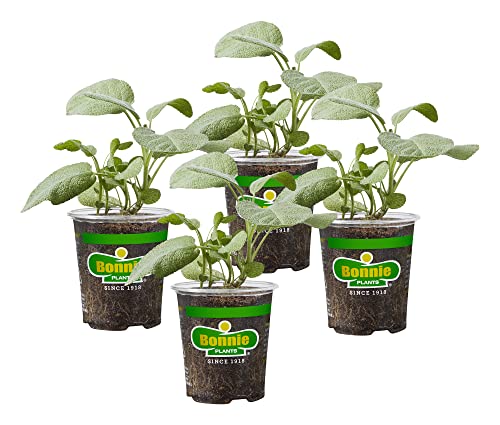
Bonnie Plants Garden Sage Live Herb Plants 4 Pack

Seed Needs Catmint Seeds for Planting

FAMILY SOWN Perennial Wildflower Mix 5g Envelope

Gardeners Basics 35 Medicinal Herb Seeds Variety Pack

Outsidepride Comfrey Seeds 100 Pcs

Seed Needs Anise Hyssop Seeds Heirloom Herbs
The Picks, Examined More Closely
If you’ve ever walked a stone path and wished the cracks between flagstones smelled like something useful, creeping thyme answers that wish on a practical level. Thymus serpyllum is the low, mat-forming cousin of culinary thyme, and these seeds promise a dense green carpet that releases a soft herbal scent when brushed by feet or fingers. The packet carries roughly 10 grams of seed, which is enough to cover a meaningful stretch of border or path edging for gardeners working on a small scale.
You get a fast-spreading, sun-loving perennial that handles lean soil better than most lawn grasses. For homeowners tired of mowing a stubborn patch of patchy grass, this swap reframes “lawn” as “planting you occasionally walk on.” Bees and butterflies tend to find it quickly once it flowers, which adds a second function beyond the visual.
Notable Gains
- Scent release underfoot turns a path into something sensory, not just functional
- Tolerates poor, well-drained soil that would stress most lawn grasses
- Pollinator-friendly blooms feed bees through the warmer months
- Forms a dense mat that helps crowd out opportunistic weeds
- Stays low, reducing trimming compared to a traditional lawn
Things To Consider
- Seeds establish slowly, so patience is required before the carpet fills in
- Not a heavy-traffic surface, so high-footfall paths may show wear over time
Who Will Love This
Gardeners with sunny slopes, flagstone paths, or neglected lawn patches who want fragrance and pollinator value without constant mowing.
Consider Something Else When
If you’d rather harvest leaves for cooking than enjoy a fragrant mat, the Bonnie Plants Garden Sage 4 Pack in this list is a smarter kitchen-focused choice.
Comfrey has a long, complicated reputation. It is a vigorous perennial with broad, hairy leaves and small bell-shaped purple flowers that draw plenty of pollinator attention, and gardeners have leaned on it for generations as both a medicinal herb and a soil-building workhorse. Sow Right Seeds packages Symphytum officinale in a generous packet with at least 300 mg of seed, aimed squarely at folks building a healing herb garden or a homestead-style permaculture bed.
Where the PLANTMEW thyme stays low and spreads sideways, comfrey grows deep and reaches up. The roots reach far into the subsoil, pulling nutrients up where shallower herbs can’t follow, and the leaves break down fast in compost, making this a popular “dynamic accumulator” in organic circles. If you’re trying to improve tired soil while stocking an herbal tea shelf at the same time, this seed pulls double duty.
The Case For It
- Long history in traditional herbal preparations for topical use
- Deep taproot mines subsoil nutrients and makes excellent compost activator material
- Purple bell flowers attract a steady stream of pollinators through summer
- Hardy perennial that comes back year after year without fuss
Worth Noting
- Spreads enthusiastically once established and can be hard to remove from a bed
- Not recommended for internal use without expert guidance, so the “healing” framing needs care
- Large mature plants cast heavy shade, so plan spacing accordingly
Best Suited To
Herbalists, homesteaders, and soil-focused gardeners who want a perennial that improves the ground around it while supplying traditional topical herbs.
A Better Fit Elsewhere
If you’d rather grow a culinary classic than an herbal powerhouse, the Bonnie Plants Garden Sage 4 Pack in this list stays better behaved in a kitchen garden.
Skip the germination wait and start with live plants. Bonnie Plants sends four sage starters with velvety, gray-green foliage and the kind of structure that looks good in a patio container from day one. Common garden sage is one of those perennials that earns its keep quietly: plant it in spring, water it through summer, and you’ll have fragrant leaves for stuffing, sausage, and roast poultry for years in zones 5 through 8.
Where seed packets demand patience, this pack gives you something you can begin harvesting within weeks of transplanting. Sage tolerates drier conditions once established and prefers sharp drainage, so a pot with a gritty mix works just as well as a sunny bed. The gray-green leaves pair nicely with the purple blooms later in the season, doubling as ornament and pantry supply.
What Stands Out
- Four live plants skip the unpredictable seedling stage entirely
- Gray-green textured foliage adds ornamental value alongside culinary use
- Hardy in zones 5 through 8, covering most temperate U.S. gardens
- Performs well in containers as well as open ground
Trade Offs
- Live plants need careful transplanting and watering until roots establish
- Less variety than a seed mix, so you only get sage, not a sampler
Feature Snapshot
Made For
Home cooks and weeknight chefs who want usable herbs without the seedling gamble, especially in climates matching zones 5 through 8.
Skip It When
If your priority is a wide medicinal sampler rather than a single culinary classic, the Gardeners Basics 35 Medicinal Herb Seeds Variety Pack offers far more breadth per dollar.
Catmint is catnip’s showier cousin, with heart-shaped gray-green leaves and spikes of lavender flowers that keep bees busy from early summer onward. The plant contains nepetalactone, the compound that sends most cats into that classic rolling, kicking euphoria, though not every feline bothers to react. Compared to the creeping thyme on pick 1, catmint grows taller and looser, reaching around three feet in good soil and full sun.
For households with indoor cats, a patch of catmint outside becomes a clean, renewable source of fresh “treats” you can snip and bring indoors. For everyone else, the value is in the pollinator pull and the soft mint-family scent that drifts across a patio on a warm afternoon. Seed Needs packages heirloom, non-GMO seed in a single packet geared toward straightforward backyard sowing.
A Few Highlights
- Strong draw for cats that respond to nepetalactone
- Lavender flower spikes sustain bees over a long bloom window
- Hardy in full sun and well-drained soil across most climates
- Edible, mildly minty leaves suit herbal tea experiments
- Drought-tolerant once mature, requiring less babysitting
Points To Note
- Mature plants can flop without a light stake or nearby support plant
- May spread beyond original planting in loose, rich soil
- Some cats won’t react, so the pet appeal isn’t universal
Right Fit For
Cat owners who want a homegrown source of catnip-style enrichment, plus gardeners chasing a long-blooming pollinator perennial.
Look Elsewhere When
If your soil runs heavy and wet or you’d rather have a tidy edging plant, the PLANTMEW Creeping Thyme Seeds offer a lower, more contained habit.
Sometimes you don’t want one plant, you want a mood. FAMILY SOWN’s perennial species mix leans into that impulse with a 5-gram envelope holding roughly 2,500 seeds across multiple hardy perennial varieties, sized to cover around 20 square feet when scattered. The label points to borders and naturalized areas, and the mix is built to keep returning season after season rather than burning out in a single summer.
The trade-off with any mix is variance. You’ll get a tapestry rather than a uniform border, which most gardeners planting a wildflower strip actually want. Where the Gardeners Basics herb pack gives you labeled individual species, this mix trades that precision for visual diversity, so success depends more on bed prep and sun exposure than on plant-by-plant placement.
Positive Takeaways
- Generous seed count covers a meaningful patch in one sowing
- Multi-species blend extends the bloom window across the season
- Perennial focus means fewer annual reseeding chores
- Suits naturalized borders where formal rows feel out of place
Honest Caveats
- Species composition isn’t precisely labeled, so you sow somewhat blind
- Germination timing varies by species, so the first season may look patchy
- Weed competition can overwhelm young seedlings without bed prep
Who Should Grab It
Gardeners filling a back corner who want low-maintenance color and pollinator activity rather than a curated single-species bed.
Swap It Out When
If you want named, individually labeled culinary and medicinal species, the Gardeners Basics 35 Medicinal Herb Seeds Variety Pack is a more controlled approach.
For gardeners who want breadth over depth, this 35-variety pack is the closest thing to a sampler platter in the seed aisle. Gardeners Basics bundles roughly 19,000 seeds into 35 individually labeled paper packets, each with its own planting instructions and a set of plant markers to keep the rows straight. Every seed is heirloom, non-GMO, non-hybrid, and open-pollinated, so you can save seed from successful plants at the end of the season.
The inclusion of plant markers is a quietly useful touch that many seed packs skip. For beginners, knowing what’s where during the first confusing weeks of growth makes a real difference. The pack pulls double duty for both kitchen gardeners and home apothecaries, since it blends culinary staples with traditional medicinal species.
The Helpful Details
- 35 individually labeled packets remove guesswork during sowing
- Includes plant markers to keep track of species through the season
- Heirloom and open-pollinated stock supports seed saving year to year
- Covers both culinary and medicinal categories in one box
A Few Limitations
- Packet sizes are small, so heavy planting in any one species may run short
- Variety list favors breadth over quantity of any single herb
Feature Rundown
Perfect Match For
New herb gardeners and curious cooks who want a guided introduction to many species at once rather than committing to a single type.
Not Your Match When
If your goal is a tightly designed border of one statement perennial, the Outsidepride Comfrey Seeds deliver focus and dramatic vertical scale.
Outsidepride leans into the structural side of comfrey with a 100-seed pack aimed at gardeners who want vertical drama. Mature plants reach up to 60 inches tall, with bold bell-shaped purple flowers that carry the visual weight of a small shrub in a back-of-border position. Compared to the Sow Right Seeds comfrey on pick 2, this offering highlights the ornamental potential of the species a bit more directly.
It’s a drought-tolerant, low-maintenance perennial once established, which makes it a sensible choice for gardeners in drier regions who don’t want to babysit a thirsty bed. The tall habit also creates a backdrop that shorter pollinator plants can lean against visually, which is where the real landscape value shows up.
The Value In It
- Up to 60 inches of height creates strong vertical structure in borders
- Drought tolerance suits low-water gardens and lean soils
- Purple bell flowers support bees and other pollinators reliably
- Low-maintenance routine once roots are established
Potential Drawbacks
- Tall stature casts shade that may crowd smaller neighbors
- Difficult to remove once deep roots take hold
- Seeds may take a season to reach full height, so patience is required
Built With In Mind
Gardeners designing a back border who want tall, drought-tolerant structure with pollinator value layered in.
Reach For A Different Pick When
If you’re filling a small urban bed or want culinary herbs instead of structural drama, the Bonnie Plants Garden Sage 4 Pack is a tidier match.
Anise hyssop closes the list with a quieter kind of charm. It’s a native North American perennial in the mint family, often found in prairies and dry uplands, with aromatic, toothed leaves that carry a clear licorice note. Purple-blue flower spikes bloom from summer into fall, drawing bees, butterflies, and hummingbirds with a reliable nectar flow. Mature plants reach two to four feet tall, which puts them in the same structural range as the catmint on pick 4, though the scent profile points in a completely different direction.
Where catmint leans into pet entertainment, anise hyssop leans into the teacup. The sweet, anise-flavored leaves brew into a fragrant infusion, and the plant pairs naturally with both kitchen and pollinator garden plans. For gardeners choosing a native-leaning perennial that earns its keep across multiple functions, this seed rounds out the list with grace.
Reasons It Performs
- Licorice-scented foliage doubles as a fragrant tea herb
- Purple-blue flower spikes feed bees, butterflies, and hummingbirds
- Native North American perennial adapts to dry upland conditions
- Long bloom window stretches pollinator value into fall
Some Limits To Know
- Belongs to the mint family, so containment may be needed in loose soil
- Seed-grown plants vary somewhat in aroma intensity between individual seedlings
Whose Shelf It Belongs On
Tea drinkers, native plant enthusiasts, and pollinator-focused gardeners who want a fragrant, multi-season perennial in a sunny bed.
Where A Sibling Pick Shines
If your priority is foliage fragrance underfoot rather than upright pollinator spikes, the PLANTMEW Creeping Thyme Seeds offer a completely different footprint.
Choosing Perennial Herbs That Fit Your Garden
A perennial herb only earns its keep if it likes where you put it. Start with sun exposure, since most of the options here, from thyme to hyssop, want six hours or more of direct light and sulk in shaded corners. Soil drainage is the next filter: sage and thyme prefer gritty, well-drained beds, while catmint and comfrey handle richer ground with more moisture retention. Hardy perennial means different things in different zones, so match the plant to your USDA range rather than assuming “perennial” covers every climate.
Then look at use case. Kitchen-first gardeners want sage and other culinary staples that earn regular snipping. Pollinator-focused gardeners should prioritize catmint, anise hyssop, and comfrey for their bloom-heavy habits. Soil builders get the most out of deep-rooted comfrey, which mines nutrients that shallower herbs can’t reach. Mixing categories across one bed often works well, as long as taller species like anise hyssop and comfrey sit toward the back where they won’t shade out smaller neighbors.
Finally, weigh patience against immediacy. Seed packets save money and offer more variety, but live plants give you a harvest this season. Beginners may prefer the structure of a labeled variety pack or a four-pack of live sage, while experienced gardeners often enjoy the experimentation that a wildflower mix brings.
Quick Considerations Across These Picks
Mistakes Worth Dodging
The most common misstep is planting sun-loving perennials like thyme, sage, and anise hyssop in partial shade and wondering why they stretch and sulk. Match the plant to the bed before you fall for the flower photo. A second trap is overplanting vigorous spreaders like comfrey and catmint in a small raised bed, where their roots and stolons can quickly overwhelm slower neighbors. Plan for mature size in year three, not the tidy seedling you buy in spring.
Where The Extra Money Goes
Higher-tier perennial offerings usually charge for two things: faster time-to-harvest and verified seed stock. Live plant packs like the Bonnie sage skip the germination gamble entirely, and reputable seed brands lean on heirloom, non-GMO, open-pollinated stock that holds up to seed saving. That reliability is what you’re paying for, since bargain seed packets occasionally turn out to be poorly labeled or low-viability. For most home gardeners, paying a little more up front for known provenance and clear labeling pays off across multiple seasons.
Frequently Asked Questions
What is the easiest perennial herb for a beginner?
Sage is widely considered one of the easiest perennials to grow, especially when started as a live plant. It tolerates lean soil, needs modest water, and rewards even casual gardeners with reliable harvests.
Do perennial herbs come back every year?
Yes, by definition perennials return each growing season from the same root system. In colder zones, top growth may die back in winter and resprout in spring, while in warmer zones the plants often stay evergreen through mild seasons.
Can I grow perennial herbs in containers?
Most of the herbs in this list adapt well to pots, particularly sage, thyme, and catmint. Use a gritty, well-drained potting mix and choose containers with drainage holes to prevent root rot.
How long do perennial herbs take to establish?
Seed-grown perennials typically need one full season to establish strong roots before heavy harvesting begins. Live starter plants can often be lightly harvested within weeks of transplanting.
Do perennial herbs attract pollinators?
Many do, especially those with prominent flower spikes. Catmint, anise hyssop, and comfrey are particularly valuable for feeding bees, butterflies, and hummingbirds across the warm months.
The Takeaway
The right perennial herb depends on what you want from your garden: fragrance underfoot, leaves for the kitchen, color for pollinators, or structure for the back border. Match the plant to your sun, soil, and zone, and start with the format that fits your patience level. Either way, a well-chosen perennial rewards you for years from a single planting.
