

A west-facing bed or a sun-drenched patio corner can feel like a puzzle at planting time. The morning stays cool, then the heat rolls in by 1 p.m. and bakes anything that isn’t ready for it. The seven perennials below are chosen for exactly that window: plants that stay in afternoon sun for hours, handle the dry stretches that come with it, and come back year after year without demanding a specialist’s touch. Browse the comparison table for a quick scan, then read the individual notes to match a pick to your soil, style, and patience level.
A Fast Comparison Of The Options

Perennial Farm Marketplace Delosperma cooperi (Trailing Hardy Ice Plant) Live Perennial, Size-Quart
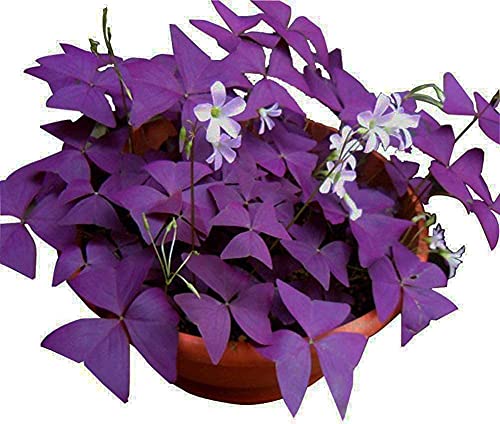
12PCS Purple Shamrocks Bulbs for Indoor or Outdoor Planting

Purple Blazing Star Liatris Spicata Bulbs, 5 Corms

Partial Shade Wildflower Mix Seed for Yards and Beds

Sow Right Seeds Blanket Flower Seed for Planting

Coreopsis verticillata ‘Moonbeam’ Tickseed, 1 Size Container

600 Lantana Flower Seeds, Drought-Tolerant and Long-Blooming
Why These Options Stand Out
Trailing ice plant solves a problem most “sun-loving” lists ignore: a hot, dry strip along a south-facing wall or a stone-edged walkway where soil bakes by mid-afternoon. The succulent foliage stores water, so a missed watering day or two is not a crisis, and the plant threads over edges the way a groundcover should. Quart-size containers are big enough to establish in a single season, which matters if you’d rather not baby a starter plug through its first summer.
For gardeners in Zones 5 through 9, this is one of the lowest-maintenance ways to fill a gap with color. It pairs well with creeping phlox or low sedums that share the same dry-soil tolerance, and unlike many flowering perennials it does not demand a deep, rich bed to thrive.
Useful Highlights
- Heat- and drought-tolerant foliage holds up where other perennials crisp out.
- Trailing habit fills in cracks between flagstones and spills attractively from pots.
- Hardy in Zones 5-9, covering a wide swath of the continental U.S.
- Arrives in seasonal condition; in late fall through early spring it may ship dormant, which is normal.
Worth Noting
- Plants shipped between November 1 and March 1 may arrive trimmed or leafless, which can look alarming even though it is standard winter prep.
- Succulent leaves bruise easily in transit, so a few scuffed stems on arrival should be expected.
Feature Snapshot
Right Fit For
Hot, dry sites with lean soil, and anyone wanting a low-maintenance groundcover that handles reflected heat from stone or concrete.
Skip It When
Soggy or heavy clay beds are not its friend; the Coreopsis verticillata ‘Moonbeam’ Tickseed is a better match where drainage is borderline, since it tolerates a wider range of soils.
Purple shamrocks are not a showy bloomer, and that is precisely why they earn a spot on this list. The triangular, deep purple leaves with their darker patterning hold their color all season, so the plant stays interesting even when it is not flowering. Twelve bulbs give you enough to pot up several containers or cluster a few in a single wide bowl.
The honest read is that oxalis likes light but does not love the full brunt of late-afternoon sun in the hottest zones. Filtered or morning-only light with a few hours of afternoon exposure is the sweet spot, which is exactly the window many patios offer next to an overhang or under a shade sail.
Well-Handled Touches
- Foliage stays vivid from spring through fall, giving a long season of color even between bloom cycles.
- Twelve bulbs let you spread plantings across pots or fill one large container at a reasonable density.
- Works as a houseplant in winter, so you are not locked into outdoor placement year-round.
Trade Offs
- Oxalis goes semi-dormant in heat or cold, so leaf die-back is normal and not a sign of failure.
- Bulbs are small and can rot in heavy, slow-draining potting mix, so a gritty blend matters.
- The plants are not heavy feeders, but in lean soil the leaf color fades by midsummer.
Best Suited To
Container gardeners who want a foliage-driven accent and a plant that pulls double duty indoors during winter dormancy.
Look Elsewhere When
You need a true groundcover for a hot, dry border; the Perennial Farm Marketplace Delosperma cooperi is built for that role, while shamrocks prefer a contained, partly shaded pot.
Liatris is the perennial that quietly fixes a border that looks flat in midsummer. The flower spikes rise well above most other perennials in a mixed bed, and they open from the top down, which keeps the show going for several weeks instead of a single peak afternoon. Grass-like foliage stays tidy at the base, so the plant does not turn into a flop once the blooms fade.
Bees and butterflies gravitate to it heavily, which is the kind of side effect most gardeners want. For a five-corm starter pack, plant them in a tight cluster rather than spacing them out, since the vertical line of each spike reads better in a group.
What Helps Most
- Tall, vertical flower spikes add height without a trellis or staking in most beds.
- Pulls in pollinators, so it doubles as a working plant for a wildlife-friendly yard.
- Corms are sold at a large size, which typically shortens the wait to first bloom.
Honest Caveats
- Corms can rot in soggy soil, so raised beds or amended drainage are worth considering in clay.
- The plant is slow to bulk up in its first year, so the dramatic display usually peaks in year two.
Quick Facts
Who Should Grab It
Border builders who need a tall, low-fuss perennial that brings pollinator activity without constant deadheading.
A Better Fit Elsewhere
Small patio containers are not the right home for liatris; the Sow Right Seeds Blanket Flower gives similar heat tolerance in a more compact, container-friendly form.
A wildflower mix is a different proposition from a single named perennial, and this one is built for the awkward middle of the spectrum. The packet targets dappled sun and partial shade, which is exactly the light pattern a yard under mature trees or a north-facing fence line gives you. Resealable packaging is a small detail that pays off if you plant in stages rather than scattering the whole packet at once.
For shoppers who would rather sow a packet than transplant nursery pots, this is the easiest entry on the list. The trade-off is that you are trusting a blend, so the specific flowers that show up depend on which species dominate in your soil and microclimate.
Why It Works Well
- Designed for partial shade, so it avoids the failure mode of full-sun mixes that thin out under trees.
- Resealable pouch keeps unused seed viable for next season instead of going stale in a drawer.
- Suits a wide range of uses from lawn edges to woodland borders.
Points To Keep In Mind
- Wildflower blends are less predictable than named cultivars, so color balance will vary.
- First-year bloom can be sparse while plants establish, especially in compacted or weedy soil.
Perfect Match For
Gardeners with a shaded yard who want color without committing to a specific plant layout, and who are patient enough to let a self-sown blend fill in.
Reach For A Different Pick When
You want predictable, named flowers in a structured bed; the Coreopsis verticillata ‘Moonbeam’ gives a tighter, more uniform look than any blend can.
Blanket flower earns its name by spreading across a bed like a woven throw, and the red-and-yellow blooms keep going through the hottest weeks of summer. Seed packets like this are an honest value play: you get a generous seed count for a small upfront cost, and a single packet can populate a sizable new bed if you thin and transplant well.
Most seed packets underdeliver on planting guidance, so the value here is partly in the included instructions that walk through depth, spacing, and soil temperature. Treat that as part of the product, not a throw-in.
Everyday Advantages
- Drought- and heat-tolerant, so it handles the same afternoon sun this whole list targets.
- Works as a cut flower indoors, extending the value beyond the garden bed.
- Generous seed count gives flexibility to direct-sow and still start a backup tray.
Room For Improvement
- Germinates in 14-21 days at warm soil temperatures, so early spring sowings can stall in cold soil.
- Seed-grown plants take a full season to hit mature bloom size, so patience matters.
Who Will Love This
Patient gardeners starting a new bed on a budget, and anyone who enjoys growing from seed rather than buying established plants.
Not Your Match When
You want showy color the same season you plant; the Perennial Farm Marketplace Delosperma cooperi arrives as a quart container and blooms the first year, which is faster gratification.
‘Moonbeam’ is the polite member of the tickseed family. Where some coreopsis shout in saturated yellow, this one floats in pale, creamy yellow above needlelike foliage that you almost forget is there. That airy texture is what makes the plant valuable in a mixed border, because it fills space without weighing the bed down.
The container arrives fully rooted in soil, so the wait between unboxing and bloom is measured in weeks rather than a full growing season. Plant it in a mass for the strongest effect, since single plants tend to disappear visually in a crowded bed.
Practical Advantages
- Long bloom window from early summer into fall, with rebloom triggered by light deadheading.
- Mature size of 12-18 inches tall and 24-30 inches wide fits a wide range of bed designs.
- Hardy across USDA Zones 3-8, so it covers colder climates where other picks struggle.
Small Caveats
- Threadleaf foliage can look sparse in early spring before growth fills in.
- Plants benefit from a light shearing after the first flush to keep the habit tidy.
Spec Overview
Made For
Mixed perennial borders in cold-winter zones, and gardeners who want a long, low-maintenance bloom season without deadheading every other day.
Consider Something Else When
You need a pollinator powerhouse; the Purple Blazing Star Liatris Spicata is the better draw for bees and butterflies in the same light conditions.
Lantana is the plant you put in the bed where nothing else seems to hold up, and 600 seeds give you enough latitude to overseed and thin without anxiety. The flower clusters shift color as they age, often running yellow, orange, and red on the same head, which keeps the display from feeling static.
For shoppers who want a pollinator-heavy yard without a chemical commitment, lantana earns its reputation honestly. Hummingbirds and butterflies do not just visit, they stay, so place it where you can watch the show from a window or a chair.
What Works In Its Favor
- Drought-tolerant once established, which lines up with the dry-soil conditions afternoon sun creates.
- Long bloom season carries color from late spring through first frost in most regions.
- Large seed count supports both garden beds and container plantings without running short.
Things To Weigh
- Seeds need warm soil to germinate reliably, so early outdoor sowing is risky in cool springs.
- First-year bloom is modest; the show typically peaks in year two and beyond.
Whose Shelf It Belongs On
Wildlife gardeners who want a pollinator-driven bed and who do not mind waiting one season for a mature display.
Swap It Out When
You want predictable results the first season; the Coreopsis verticillata ‘Moonbeam’ arrives in a container and starts blooming in its first summer, while lantana seed asks for more patience.
What To Look For Before You Choose
Match The Plant To The Light Window You Actually Have
“Afternoon sun” can mean a gentle four-hour stretch or a punishing eight-hour bake, and the difference changes which perennials will thrive. Map your bed across a single day, including the late afternoon hours, before ordering. Plants like lantana and blanket flower are built for the long, hot version, while purple shamrocks and partial-shade mixes want relief by mid-afternoon.
Decide Between Seed And Container Stock
Seeds cost less per plant and let you start big drifts, but they trade that upside for a longer wait to first bloom and a higher failure rate in poor germination conditions. Container plants arrive closer to blooming size, which matters if you are filling a visible bed near a patio or entry. For most first-time perennial gardeners, a container plant is the lower-stress path.
Think About Soil Drainage Before You Plant
Several of the picks on this list, including liatris and ice plant, will struggle or rot in heavy, slow-draining soil. Amending with grit or building a slightly raised bed is often the difference between a plant that returns for years and one that vanishes after a wet spring. Quick drainage check: dig a hole, fill it with water, and time how long it takes to drain. Anything longer than a couple of hours signals a soil that needs work.
Plan For Pollinators And Maintenance Together
If you want bees, butterflies, and hummingbirds, lean toward liatris, blanket flower, or lantana over foliage-focused picks like shamrocks. If low maintenance is the priority, lean toward ice plant or ‘Moonbeam’ coreopsis, which need less deadheading and tolerate benign neglect once established. The two goals overlap sometimes, but they are not the same, and naming your priority first makes the rest of the choice easier.
Practical Notes Across These Picks
Where Shoppers Go Wrong
A common slip is buying a sun-loving perennial for a spot that only gets three hours of direct light, then blaming the plant when it stretches and flops. The honest move is to track your light across a full day before you order, then match the plant to the actual window. The partial-shade mix is the right call for north-facing beds, and the trailing ice plant belongs only in the spots that genuinely bake.
Another mistake is treating seed packets like container plants. Seeds need warm soil, consistent moisture during germination, and thinning once they sprout. Skipping any of those steps gives a patchy bed that looks like the product failed, when the real issue is the sowing method.
When Paying More Pays Off
Container-grown perennials like ‘Moonbeam’ coreopsis and the quart-size ice plant cost more per plant than a packet of seeds, but you skip the germination risk and start with a root system that can handle a wider range of planting conditions. For a single high-visibility bed, the upgrade usually pays for itself the first season. For large, low-priority areas where you can afford to overseed and wait, seeds are the better value.
Frequently Asked Questions
Which perennial on this list tolerates the most heat?
The trailing ice plant and lantana are the two most heat-tolerant options here, both built for full afternoon sun in dry soil. Blanket flower is a close third and adds the bonus of being easy to start from seed.
Can any of these perennials handle partial shade?
The partial-shade wildflower mix is the most flexible in lower light, and purple shamrocks prefer filtered or morning sun with afternoon relief. The rest of the list wants at least four to six hours of direct sun to perform well.
How long until seed-grown perennials bloom?
Most perennials started from seed spend their first season building roots and foliage, with a stronger bloom in year two. Lantana and blanket flower follow this pattern, so plan for a patient first summer if you go the seed route.
Do I need to amend clay soil for any of these?
Liatris and ice plant both struggle in heavy, slow-draining clay. Working grit or compost into the top several inches, or planting in a slightly raised bed, is usually enough to keep them happy long-term.
Which pick is best for containers?
Purple shamrocks and ‘Moonbeam’ coreopsis both work well in pots, since their root systems stay manageable. Ice plant also performs in containers, especially unglazed terracotta that lets the soil dry out evenly.
