

Gardening in Arkansas means coping with humid summers, mild winters, and the occasional surprise cold snap. The right perennial handles all three without constant babysitting, which matters when your time is split between work, family, and whatever else the week throws at you. This roundup gathers eight flowering perennials and seed mixes that hold up well across USDA Zones 6 through 8, with a few that stretch into colder corners of the state. Each pick suits a slightly different gardener, from hands-off beginners to folks who love a tidy border and don’t mind a little deadheading.
An Overview Of The Picks
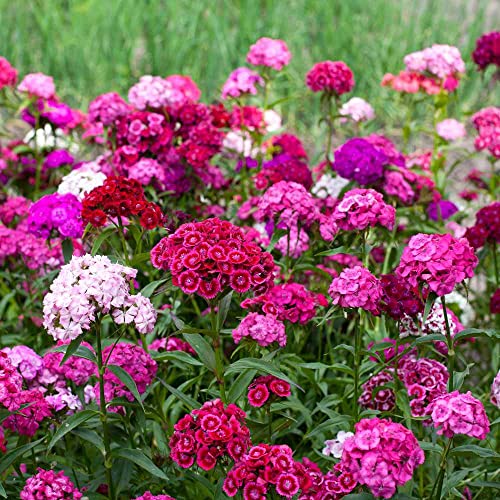
Outsidepride Sweet William Dianthus Seeds (5,000 Pcs)

Family Sown Perennial Species Mix (2,500 Seeds, 5g)

Marde Ross & Company Russell Lupine Seeds (100 Mixed)
Willard & May Tall Phlox Mix (6 Roots)

Outsidepride Southeast Wildflower Seed Mix (1/4 lb)
Marde Ross McKana Giant Hybrid Columbine Seeds
Perennial Farm Max Frei Cranesbill (#1 Container)
Carpet Creeping Perennial Vinca Seeds (1,000+)
Sweet William (Dianthus barbatus) brings old-fashioned charm to Arkansas gardens without demanding much in return. This Outsidepride packet carries about 5,000 seeds, plenty for a generous border or a cut-flower patch. The clustered, fragrant blooms show up in late spring and bridge the gap into early summer color.
Compared to a wildflower mix like the Family Sown option further down the list, Sweet William gives more control over placement and appearance. You get predictable clusters of pink, red, and bicolor flowers rather than a scattered meadow look. That makes it a practical starting point for gardeners new to seed starting.
Bright Spots
- Hardy across USDA Zones 3 through 9, so it covers almost every Arkansas zip code with room to spare.
- Fragrant blooms pull in bees, butterflies, and the occasional hummingbird to a working garden.
- Functions as both a landscape feature and a cut-flower source for tabletop arrangements.
- Returns year after year, so a single packet covers several seasons of growth.
Things To Consider
- Biennial tendencies in mild zones mean strongest blooms often arrive in year two rather than year one.
- Owners commonly report that germination is patchy without consistent moisture during the first few weeks.
Who It Suits Best
Beginner gardeners and cottage-style bed designers who want reliable color and scent without learning complicated seed-starting routines.
Where Another Pick Suits Better
The Outsidepride Southeast Wildflower Seed Mix is the better fit when you want a hands-off meadow rather than a curated flower bed.
The Family Sown Perennial Species Mix trades precision for abundance. A 5-gram envelope holds around 2,500 seeds, enough to cover roughly 20 square feet when broadcast evenly. You get a true blend rather than a single cultivar, so the visual result looks more like a naturalized pocket prairie than a flower bed.
For Arkansas gardeners converting a patch of lawn or filling a tricky slope, this mix takes some of the planning out of the process. Where Sweet William rewards careful spacing, this one forgives loose sowing and rewards patience.
Practical Pluses
- Large seed count makes the cost-per-square-foot friendly for bigger projects.
- Perennial composition means less re-seeding once the stand matures.
- Loose broadcasting suits slopes, roadside edges, and informal borders.
Worth Noting
- The source does not list individual species or mature heights, so it’s hard to predict the final look before sowing.
- Wildflower mixes typically benefit from weed control during establishment, which adds a season of maintenance.
- First-year bloom can be modest while plants focus energy on roots.
Feature Snapshot
Made For
Homeowners converting lawn space into a low-maintenance wildflower patch who prefer variety over a single signature bloom.
Look Elsewhere When
The Outsidepride Southeast Wildflower Seed Mix is the better choice when regional climate matching matters more than raw seed volume.
Russell lupines are the plant for gardeners who want height without a tree. Marde Ross ships about 100 seeds that grow into 36 to 48-inch flower spikes layered with pea-like blooms in purple, pink, and blue. In an Arkansas bed, that vertical line draws the eye and breaks up flatter plantings of phlox or cranesbill.
Sow these in fall or early spring and you’ll likely see germination within 14 to 30 days. Hardiness across Zones 3 through 9 means even the colder northwest corner of the state is fair game.
Useful Strengths
- Mature height of 36 to 48 inches adds a focal spike at the back of any border.
- Multi-color mix delivers a painterly mix without manual plant selection.
- Accepts full sun or partial shade, which fits mixed Arkansas exposures.
- Seeds store well in cool, dry conditions until your planting window opens.
Honest Caveats
- Lupines prefer well-drained soil and tend to sulk in heavy clay without amendment.
- Seed-to-bloom patience is required: germination can stretch to a full month.
- Only about 100 seeds per packet, so covering a large meadow gets expensive fast.
Quick Facts
Right Fit For
Designers layering a back border who want vertical drama and don’t mind waiting a season for full impact.
Skip It When
The Family Sown Perennial Species Mix is a smarter pick when you need broad coverage rather than a handful of statement spikes.
Tall garden phlox is the workhorse of the midsummer perennial border, and Willard & May’s value bag skips the seed stage entirely. You receive six bare-root plant starts, including Blue Boy, David, Peppermint Twist, and Star Fire cultivars. That mix gives you white, blue, pink, and bicolor options in a single shipment.
Bare roots establish faster than seeds, which matters when you don’t want to baby a slow-starting flat through July. Compared with the Marde Ross Russell Lupines above, this is the safer bet for filling in mid-border gaps.
A Strong Showing
- Six roots across four cultivars deliver color variety without separate orders.
- Spring-planted starts typically flower in their first full season.
- Deadheading can trigger a second flush in fall, extending the show.
- A staple pollinator plant that supports swallowtails and moths.
Points To Note
- Phlox is prone to powdery mildew in humid Arkansas summers; spacing matters more than usual.
- Bare roots arrive dormant-looking and may need soak-and-plant care on arrival.
Who Should Grab It
Gardeners with established beds who want instant summer color without waiting on a seed crop.
Consider Something Else When
Outsidepride Sweet William Dianthus Seeds are the better choice when fragrance and pollinator pull matter more than first-year flower power.
The Outsidepride Southeast Wildflower Seed Mix is the Arkansas-tilted option in this roundup. The blend targets Alabama, Arkansas, northern Florida, Georgia, Louisiana, Mississippi, North Carolina, eastern Oklahoma, Tennessee, eastern Texas, and South Carolina. That regional tuning is the headline feature when you’re trying to match a wildflower mix to your exact climate.
A quarter-pound packet covers a meaningful patch of ground, so it competes with the Family Sown mix on volume but wins on regional fit. If your past wildflower attempts have fizzled, regional tuning is usually the missing piece.
A Favorable Mix
- Regional formulation reduces the guesswork of matching species to Arkansas weather.
- Quarter-pound weight handles mid-sized meadow projects without breaking scale.
- Mix of annuals and perennials delivers first-year color and long-term structure.
Minor Gripes
- The blend mixes annuals and perennials, so annual species need reseeding to maintain density.
- Specific cultivar ratios aren’t listed, which makes predicting bloom timing a guess.
Perfect Match For
Homeowners seeding a sunny patch in central or southern Arkansas who want a blend tuned to southeastern heat and humidity.
Another Choice May Suit
Carpet Creeping Perennial Vinca Seeds are a stronger fit for shady or erosion-prone areas where a meadow mix won’t establish.
McKana Giant columbine handles a slot most perennials struggle to fill: the partially shaded woodland edge. Marde Ross’s hybrid mix grows up to about 32 inches tall, with the distinctive spurred blooms columbine is known for. Hardiness runs through USDA Zones 3 through 9, so Arkansas’s range is well covered.
For gardeners whose yard has more oak shade than open lawn, this columbine fills a real gap. Pair it with the Perennial Farm Max Frei Cranesbill further down for a low-light combo that blooms across different seasons.
The Value In It
- Thrives in partial shade where many flowering perennials falter.
- Spring blooms bridge the gap between early bulbs and summer phlox.
- Wide zone range handles Arkansas winters without fuss.
- Hybrid vigor often produces larger, more vivid spurred flowers than wild columbine.
A Few Limitations
- Columbine can be short-lived in humid southern summers, so plan to refresh plantings every few seasons.
- Leaf miner damage shows up regularly in the south; owners often accept some cosmetic wear.
Feature Card
Best Suited To
Gardeners working with dappled light under hardwood trees who want spring color in awkward spots.
A Better Fit Elsewhere
The Tall Phlox Mix is the smarter pick for sunny borders where columbine’s short lifespan is a deal-breaker.
Geranium sanguineum ‘Max Frei’ (commonly called cranesbill) is the compact groundcover perennial that quietly outperforms flashier choices. Perennial Farm ships it as a #1 container plant, fully rooted and ready to drop into the bed. Mature height tops out around 6 to 10 inches, so it stays in front of taller plants rather than crowding them.
Deep magenta flowers arrive in June and keep going into August. Hardy in USDA Zones 5 through 8, this is right in the heart of Arkansas’s range.
Strengths Worth Knowing
- Fragrant foliage adds sensory interest beyond the visible flower display.
- Compact 6 to 10-inch height suits path edges and front-of-border placement.
- Plants spaced 18 inches apart knit together within a couple of seasons.
- Long bloom window from June through August covers the midsummer slump.
Softer Spots
- Container plants cost more per square foot than seed packets.
- Between November and early March, the plant may arrive dormant and trimmed, which can confuse first-time gardeners.
Whose Shelf It Belongs On
Designers who want a tidy, low-maintenance front-border plant and prefer live starts over seed-starting routines.
Swap It Out When
Carpet Creeping Perennial Vinca Seeds are a better fit when you need to cover a large area on a tighter budget.
Vinca minor (commonly called periwinkle) closes the list as the toughest groundcover option. Carpet Creeping ships more than 1,000 seeds in a single packet, with hardiness spanning USDA Zones 3 through 10. That range covers everything from the Ozarks to the Delta.
The plant shrugs off poor soil, heat, and drought once established. For Arkansas slopes that wash out in heavy rain, vinca’s spreading habit holds soil in place better than a thin grass cover.
What It Does Well
- Exceptional heat tolerance suits the hottest Arkansas summers without supplemental watering.
- Wide zone coverage handles north Arkansas cold snaps as comfortably as southern humidity.
- Continuous bloom across a long season keeps the groundcover interesting, not just green.
Trade-Offs To Consider
- Vinca spreads aggressively and can creep into lawn areas if not edged.
- First-year coverage is modest; expect two seasons for full carpet effect.
- Owners commonly note that vinca can be slow to sprout without consistent moisture during germination.
Built With In Mind
Homeowners tackling slopes, erosion-prone banks, or hard-to-mow edges where a tough, low grower is welcome.
Reach For A Different Pick When
The Perennial Farm Max Frei Cranesbill is the better match when a tidy, contained border matters more than aggressive coverage.
Choosing Perennials That Handle Arkansas Weather
Picking the right perennial starts with honesty about your site. Most of Arkansas sits in USDA Zones 6b through 8a, which means summer heat and humidity are non-negotiable. Look for plants rated into Zone 8 at minimum, and lean toward Zone 9 tolerance if your yard bakes in afternoon sun.
Sun exposure matters more than gardeners often admit. A bed labeled “full sun” in Atlanta may behave like partial shade in Mountain Home, and vice versa. Match the plant to the actual hours of direct light your bed receives in midsummer, not what the real-estate listing suggested.
Finally, think about maintenance tolerance. Live plant starts like the Tall Phlox Mix and Max Frei Cranesbill deliver faster results but cost more. Seed packets like the Family Sown mix and Carpet Creeping Vinca stretch further and reward patience. Pick the format that matches how much time you want to spend waiting versus planting.
Reading Plant Tags And Seed Packets
A seed packet or plant tag lists the USDA hardiness zone, mature height, spacing, and bloom season. Hardiness zone tells you whether the plant survives your winters. Mature height sets expectations so a tall lupine doesn’t end up shading a short cranesbill. Spacing prevents overcrowding, which matters in humid Arkansas where air circulation reduces disease pressure.
Matching Bloom Time To Your Garden
No single perennial blooms all season. Plan in layers: spring columbine, early-summer phlox and Sweet William, midsummer cranesbill, and late-season seed heads for visual texture. The picks above cover that arc with very little overlap.
Soil And Drainage Basics
Arkansas ranges from sandy loam in the Delta to heavy clay in the highlands. Most of these perennials tolerate average soil, but lupines and columbine do better with drainage amendments. A simple handful of compost worked into the planting hole solves most drainage complaints.
Mistakes Worth Dodging And Where Premium Picks Earn Their Keep
Mistakes Worth Dodging
Buying a beautiful plant that doesn’t match your zone is the fastest way to lose a season. A tropical-looking perennial rated only to Zone 9 will struggle in a Zone 6b northwest Arkansas winter. Cross-check zone ratings before anything else.
Overcrowding is the second classic slip. The spacing numbers on the tag assume mature size, not the small transplant in the pot. Packing plants too tightly invites powdery mildew on phlox and botrytis on cranesbill during humid stretches.
Where The Extra Money Goes
Higher-priced picks like the live Max Frei Cranesbill earn their premium by skipping the seedling stage. You get a mature, rooted plant that flowers the first season rather than after a year of establishment. For gardeners filling a single visible bed, that speed is often worth it. For acreage projects, seed mixes like the Outsidepride Southeast blend deliver better value at scale.
Frequently Asked Questions
What USDA zone is most of Arkansas in for perennials?
Most of Arkansas falls into USDA Zones 6b through 8a. Perennials rated for Zones 5 through 9 generally perform well statewide, with northern counties occasionally pushing into Zone 6a during cold winters.
Should I plant perennials in spring or fall in Arkansas?
Fall planting works well for many perennials because roots establish in cool, moist soil. Spring planting also succeeds, especially for live plant starts, but requires more watering through the first summer.
How often should I water new perennials in Arkansas heat?
New plantings typically need roughly an inch of water per week for the first season. Deep, infrequent soaking encourages stronger roots than daily light sprinkling, especially during July and August.
Do I need to amend Arkansas clay soil for perennials?
Heavy clay benefits from compost worked into the planting hole. Most perennials tolerate native soil once drainage improves, though lupines and columbine appreciate extra attention.
Can perennials survive Arkansas summers without constant watering?
Established perennials with deeper root systems handle dry stretches reasonably well. First-year plantings need supplemental water during heat waves, but mulching and proper spacing reduce that workload over time.
Wrap Up
Arkansas rewards gardeners who pick plants suited to both summer heat and the occasional hard winter. The eight options above cover the full range from pollinator-friendly cottage bloomers to tough groundcovers, each matched to a slightly different gardening style. Start with the format that fits your timeline: live roots for fast impact, seeds for patience and scale. From there, match the plant to your actual sun, soil, and the time you have to maintain it.
