

Border plantings carry more visual weight than most gardeners expect, because the strip you plant along a fence, walkway, or foundation defines how the rest of the yard reads from a distance. Picking the right perennials for borders means balancing height, bloom timing, foliage texture, and maintenance appetite across years, not just one growing season. The eight picks below cover rooted starts, seed mixes, ground-hugging creepers, and structural grasses that handle edges with quiet reliability.
The Choices Worth Comparing

Butterfly Weed Perennial Garden Flower Root

Perennial Species Mix Wildflower Seeds
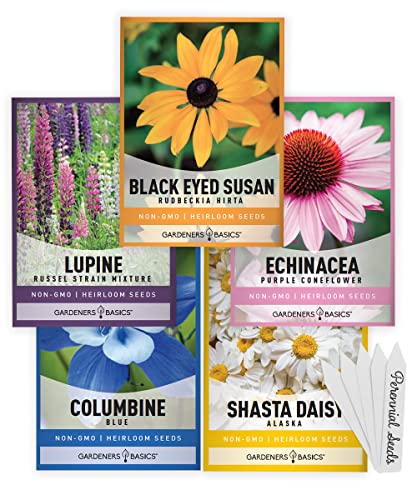
Gardeners Basics Perennial Flower Seeds 5 Varieties
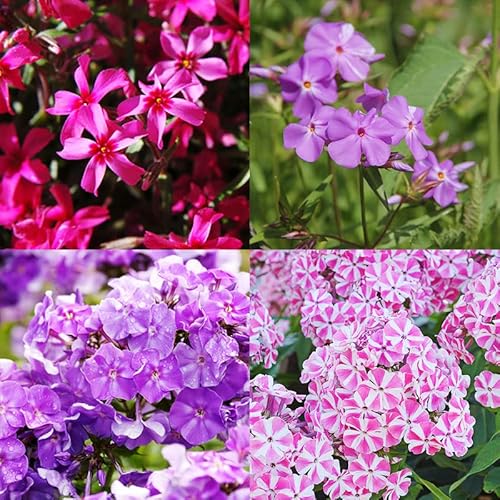
Tall Phlox Mix Value Bag 6 Roots

Creeping Thyme Seeds Ground Cover Hot Pink
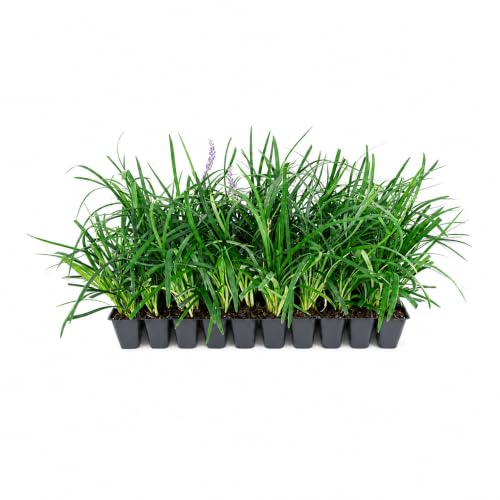
Liriope Super Blue 10 Live Plants

Fruivity Creeping Thyme Seeds 20,000+

Perennial Farm Liriope Variegata 4-Inch Pot
Inside Each Recommended Option
Butterfly weed arrives as a dormant bare root rather than a leafy starter, which means planting happens in soil rather than a nursery pot. The mature clump stretches 18 to 36 inches tall, so it earns its slot in the middle of a sunny border where taller phlox or shorter creeping thyme can frame it.
Once established, this native milkweed relative feeds monarchs and a parade of other pollinators through midsummer. Compared with the seed mixes coming up next, you skip the germination gamble and head straight into a flowering clump within a season or two.
Standout Benefits
- Pulls in butterflies, bees, and hummingbirds on a single sunny bed
- Returns year after year from a No. 1 Premium-grade root
- Drought-tolerant once settled, so border watering stays light
- Handles full sun and leaner soils without coddling
Things To Consider
- Bare root shipments look unimpressive until shoots emerge, which can worry first-time planters
- Late to break dormancy in spring, so mark the spot to avoid accidental digging
Who It Suits Best
Native-plant gardeners and anyone trying to anchor a sunny border with a true pollinator hub.
A Better Fit Elsewhere
Gardeners wanting instant green should grab the Fruivity Creeping Thyme seeds instead for a faster visible result.
A 5-gram envelope carries roughly 2,500 seeds across a blend of perennial species aimed at covering about 20 square feet. The mix skews toward a naturalized border look rather than a tidy ribbon of identical blooms.
You trade precise variety control for a meadow-style edge that fills in over time. Think of it as the budget path to a layered perennial bed without buying one packet of each species.
The Helpful Details
- Heavy seed count stretches across a meaningful strip of border
- Perennial blend returns each year after the first establishment season
- Low-fuss sowing suits gardeners avoiding rigid spacing plans
Worth Noting
- Exact species list varies by lot, so bloom colors and heights are a moving target
- Thin, dry sowing needs steady early moisture until seedlings set
Made For
Relaxed gardeners who want a naturalized wildflower border instead of a curated color scheme.
Where Another Pick Suits Better
Shoppers wanting named varieties should pick the Gardeners Basics five-variety pack for labeled control.
This five-pack bundles Russell lupine, blue columbine, purple coneflower (echinacea), Black-Eyed Susan, and Alaska Shasta daisy into individually labeled paper packets. You know exactly which perennial you are planting in each row of the border.
The heirloom, non-GMO labeling appeals to traditional gardeners, and the spread of bloom colors and heights sets up a layered edge in one season. It is a useful middle ground between the mystery wildflower mix and the rooted phlox roots in this list.
Positive Takeaways
- Named, individually packed varieties remove guesswork at sowing
- Bloom heights and colors stagger for layered border interest
- Heirloom and non-GMO seeds suit traditional planting preferences
- Strong choice for first perennial beds because each species is forgiving
Points To Consider
- Packet weights are modest, so density depends on close sowing technique
- Some species like columbine need a cold period to germinate reliably
Best Suited To
New gardeners who want a curated starter set with named, recognizable varieties.
Skip It When
Impatient gardeners wanting visible color right away should consider the Tall Phlox Mix rooted starts instead.
Six bare-root phlox starts ship in a mix of Blue Boy, David, Peppermint Twist, and Star Fire, giving you a multicolor backbone for the mid-section of a border. As spring-planted varieties, they establish quickly when set out after frost.
Tall phlox is one of the dependable mainstays of summer perennial gardens, and a fall rebloom is realistic with deadheading. This is a stronger anchor than seed mixes for gardeners who want height and presence fast.
The Case For It
- Multicolor mix spreads blue, white, pink, and bicolor through one border
- Bare roots establish faster than starting from seed in most cases
- Reblooms in fall with routine deadheading for extended color
- Tall height fills the middle layer between groundcovers and shrubs
Honest Caveats
- Phlox is occasionally prone to powdery mildew in humid, crowded sites
- Bare roots look sparse on arrival, which can unsettle new perennial growers
Whose Shelf It Belongs On
Border designers who want a reliable tall color anchor without waiting through a full seed-starting year.
Consider Something Else When
Dry-shade gardeners will do better with the Liriope Super Blue starter plants for tougher conditions.
This Thymus serpyllum (a low-growing herb in the mint family commonly called creeping thyme) packet carries more than 20,000 seeds aimed at path edges, sunny border fronts, and rock gardens. Because the seeds are small, mixing them with sand or peat helps even distribution.
Creeping thyme hugs the front of a border where taller phlox and butterfly weed tower behind it. The hot pink bloom color reads well from a distance, and the mat tolerates light foot traffic once rooted.
Everyday Perks
- Large seed count covers a wide strip of border edge economically
- Drought-tolerant mat handles sun and lean soil conditions
- Softens hardscape edges between paths, stepping stones, and beds
- Pollinator-friendly blooms arrive in dense flushes
Practical Considerations
- Tiny seeds demand careful surface sowing without burying too deep
- First-year coverage looks sparse until the second season fills in
Perfect Match For
Gardeners wanting a flowering, walkable carpet along the sunny front edge of a border.
Look Elsewhere When
Anyone working with shady conditions should switch to the Liriope Super Blue for similar edging behavior.
Ten live Liriope muscari plants arrive ready to space along a border that gets less than full sun. The grass-like foliage forms a tidy, weed-suppressing mat topped by violet-purple spikes in late summer.
Super Blue is the practical answer to a north-facing bed where sun-loving thyme and butterfly weed would sulk. It adapts across sun and shade, which is rare for an ornamental border plant.
Real Benefits
- Tolerates full sun through partial shade with equal vigor
- Dense foliage crowds out weeds along path and bed edges
- Late-summer flower spikes extend border color past early bloomers
- Drought-tolerant once roots settle in
- Ten-plant count fills a meaningful run in one order
Less Ideal Details
- Clumps expand slowly the first season, so gaps remain visible initially
- Foliage benefits from a late-winter cleanup to remove weathered leaves
Who Will Love This
Border gardeners wrestling with partial shade or tree-root competition who still want a clean finished edge.
A Better Fit Elsewhere
Sun-soaked borders will reward the KCT Creeping Thyme seeds more than this shade-tolerant liriope.
The Fruivity version of creeping thyme sells the same low-mat habit with an emphasis on fragrance and pollinator pull. It handles stone path seams, lawn replacement strips, and the front edge of sunny borders.
Compared with the KCT hot-pink packet, this is more of a sensory play, useful when you actually brush past the planting daily. For most backyards it lands as a finer-textured cousin rather than a different plant.
The Practical Payoff
- Heavy 20,000-plus seed count fits large border fronts
- Aromatic foliage doubles as a sensory feature near seating areas
- Pollinator blooms feed bees across late spring and summer
Trade-Offs To Consider
- Seedlings compete with weeds early on, so bed prep matters
- Establishment takes a full season before a dense mat appears
Built With In Mind
Sensory gardeners and anyone replacing lawn strips with a fragrant flowering mat.
Swap It Out When
Shaded yards are better served by the Perennial Farm Liriope Variegata for similar edging behavior.
Variegata brings the same lilyturf habit as Super Blue but with green-and-cream striped leaves that brighten shaded borders year-round. The four-inch nursery pot arrives fully rooted and ready to drop into prepared soil.
Hardy in USDA Zones 4 to 10, it handles a wide swath of climates, with the lilac-purple spikes still showing up in July and August. Plant about 18 inches apart for a tight finished edge. Note the shipping restrictions for western states.
Key Advantages
- Striped foliage adds year-round visual contrast in shaded beds
- Fully rooted pot skips the germination wait that seeds require
- Lilac-purple flower spikes extend interest into late summer
- Handles part shade to full shade where many border plants struggle
Details To Watch
- Cannot ship to AK, AZ, CA, CO, ID, MT, NV, OR, UT, WA, and HI
- Dormant trimming between November and March means a sparse look on arrival
The Right Fit
Design-minded gardeners who want variegated texture along shaded borders without starting from seed.
Reach For A Different Pick When
Garden locations in restricted western states should pivot to the Liriope Super Blue 10-plant set.
What Matters Most Before Choosing Perennials For Borders
A border reads as one composition, so pick plants that play together rather than shopping for individual showpieces. Height tiers usually look right when the tallest plant sits at the back (against a fence or wall), medium growers fill the middle, and creeping or edging types anchor the front.
Match Sun Exposure First
Before picking varieties, walk the border at different times of day and note where sun actually lands. Butterfly weed, tall phlox, and creeping thyme all want full sun, while Liriope handles partial to full shade. Picking by sun exposure prevents the disappointment of leggy, non-blooming plants later.
Plan for a Long Bloom Window
A border that peaks in June and goes quiet by August is a missed opportunity. Layer early risers like columbine, midsummer anchors like phlox and coneflower, and late arrivals like liriope spikes for continuous color across the season.
Decide Between Seed and Roots
Seeds cost less and cover more ground, but they demand patience through a germination season. Roots and pots cost more per plant but arrive closer to blooming size, which matters when filling a visible border quickly. Many gardeners blend both approaches across one bed.
Account for Maintenance Appetite
Some perennials stay neat with little help, while phlox appreciates deadheading for fall rebloom, and liriope benefits from a late-winter cleanup. Match the maintenance load to the time you actually want to spend in the border.
Key Considerations Across These Picks
Pitfalls Shoppers Hit
Border shopping goes sideways when the only consideration is bloom color. Height, spread, and sun needs quietly decide whether a plant thrives or merely survives. Another common slip is underestimating how much coverage a seed packet actually delivers, since small seeds like thyme look thinner than they perform once established.
Where The Extra Money Goes
Paying more generally buys a rooted or potted plant over a packet of seeds, which skips the germination year and lands closer to bloom. Higher tiers also tend to ship larger, more mature stock with stronger root systems, which improves first-year survival in tougher soils. For a brand-new border that needs to look finished quickly, that head start often justifies the upcharge.
