

Chicago gardens face a unique mix of brutal winters, humid summers, and clay-heavy soil. Picking the wrong perennial means replanting next spring, while the right one comes back year after year with stronger roots. This roundup mixes live plants, seeds, and a couple of helpful books so you can build a layered garden that actually survives Lake Michigan winters.
A Side-By-Side Look

Perennial Farm Marketplace Delosperma cooperi Hardy Ice Plant (Quart, Zones 5-9)

Midwest Gardener’s Handbook, 2nd Edition by Melinda Myers
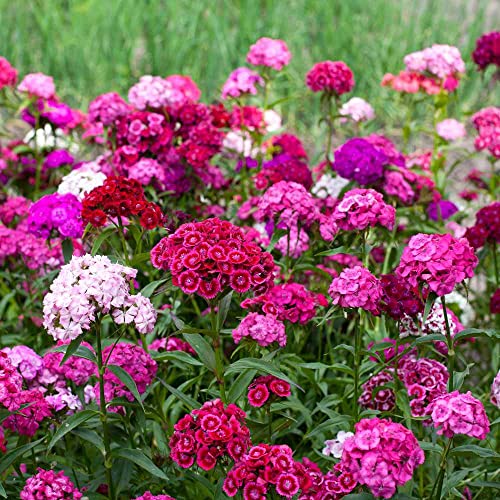
Outsidepride Sweet William Dianthus Seeds (5000 Pcs.)

Best Perennials For Sun And Shade (Home Grown Gardening Book 3)

Marde Ross & Company Russell Lupine Seeds (100 Mixed Seeds)

Hollyhock Seeds 3000+ Bulk Pack, Mixed-Color

Coreopsis verticillata ‘Moonbeam’ (Tickseed) #1 Container
What Each Pick Brings To The Table
Delosperma cooperi, often called hardy ice plant, sends out trailing stems of succulent foliage that work hard in the toughest part of a Chicago yard. Quart-size pots arrive already established, so you skip the seedling stage and get a head start on coverage. The plant handles zone 5 winters, which lines up well with most of the Chicago metro, and it shrugs off heat and dry spells once roots settle in.
Daisy-shaped rosy-pink flowers cover the plant across a long spring-through-fall window, giving a low-water border a serious pop of color. For homeowners tired of watering every weekend, this is a refreshing alternative to thirsty annuals.
Practical Advantages
- Quart-size starter gives a visibly full plant the first season
- Succulent leaves store water, so it tolerates drought and heat well
- Trailing habit spills attractively over container rims and stone walls
- Long bloom window keeps color on the ground from late spring into fall
- Zone 5-9 hardiness covers most Chicago-area gardens
Worth Noting
- Plants shipped between November and March may arrive dormant and trimmed
- Heavy clay needs amending for sharp drainage, or roots can sulk in wet winters
- Foliage is evergreen-looking in summer but can brown back in harsh winters
Key Specs
Whose Yard It Belongs On
Homeowners with a sunny, well-drained patch who want a low-water flower that actually looks full the first summer.
Look Elsewhere When
Gardeners with a shaded yard should reach for the Coreopsis verticillata ‘Moonbeam’ instead, since it adapts more gracefully to varied light.
Most gardening books come from the coasts, and their advice can flop in Chicago clay. Melinda Myers wrote this handbook specifically for Midwest conditions, so the timing, zone maps, and plant picks line up with local reality. The Kindle format means you can search the file from your phone while standing next to a garden bed, which is more useful than it sounds.
For anyone new to Midwest perennial gardening, the second edition reflects current cultivars and updated zone guidance. It pairs well with the other picks on this list as a planning layer before any soil gets turned.
Reasons It Performs
- Region-specific guidance built around Midwest climate quirks
- Searchable Kindle format is handy for quick reference outside
- Covers planning, planting, and ongoing maintenance in one volume
- Gift-friendly delivery options for a new gardener in your life
Points To Keep In Mind
- Digital-only format may frustrate gardeners who prefer flipping paper pages
- General reference book, not a deep dive on any single perennial
- Kindle reading requires a compatible device or app
Made For
Midwest newcomers who want a single reliable reference before committing to specific plants like the Delosperma cooperi or Russell Lupine.
Consider Something Else When
Experienced gardeners hunting for niche cultivar tips will get more from the Best Perennials For Sun And Shade guide, which goes deeper on plant-by-plant care.
Sweet William Dianthus is the kind of cottage-garden perennial that punches above its seed count. Five thousand seeds in a single pack let you scatter color across a big front bed or fill a meadow-style strip without rationing. The plants survive winters across USDA zones 3-9, which gives Chicago growers real margin against a rough polar vortex.
Pollinators love the fragrant clusters, and the long stems make the cut flowers a quiet win for anyone who likes bringing a few blooms indoors. Direct-sown in fall or early spring, the seeds germinate reliably in cool soil.
Real Benefits
- Massive seed count covers large beds affordably
- Hardy in zones 3-9, well below Chicago’s typical zone 5-6 winters
- Fragrant blooms pull in bees and butterflies
- Cut-and-come-again stems work for indoor arrangements
- Cool-season germination suits Midwest spring and fall planting
Small Caveats
- Biennial-leaning habit means strongest blooms often arrive in year two
- 5,000 seeds is overkill for a single small border
- Young seedlings benefit from thinning, which adds early-season work
Feature Snapshot
Best Suited To
DIY gardeners planting a wide cottage-style border who want color, fragrance, and pollinator value from a single inexpensive seed pack.
Swap It Out When
Homeowners who want immediate curb appeal the first summer will get faster results from the Coreopsis ‘Moonbeam’ live plant, which blooms without the wait.
Most Chicago lots have a mix of blazing afternoon sun and stubborn shade along the foundation. This Kindle guide focuses on matching plants to both conditions, which solves a problem generic gardening books often ignore. It belongs to the Home Grown Gardening series aimed at practical, low-maintenance results.
New gardeners find the format forgiving, with plain explanations of soil, light, and care routines. Pair it with the Midwest Gardener’s Handbook for a one-two planning punch before ordering seeds.
Features That Help
- Side-by-side sun and shade plant suggestions in one place
- Low-maintenance focus matches real-world weekend schedules
- Plain-language format suits gardeners without a horticulture background
- Kindle delivery with gift options for new homeowners
A Few Limitations
- National scope means you’ll still need to verify Chicago zone fit
- Digital reading on a phone screen in bright sun can wash out images
Feature Card
Perfect Match For
First-time gardeners with a half-sun, half-shade lot who want curated plant lists before buying anything from this roundup.
Not Your Match When
Chicago natives already deep into the hobby will get more value from the Midwest Gardener’s Handbook by Melinda Myers, which is more regionally focused.
Russell lupines throw up 36 to 48-inch flower spikes covered in pea-shaped blooms in purple, pink, and blue. That vertical reach gives a flat Chicago border a much-needed sense of structure. The seeds are stored in temperature-controlled conditions, which supports more consistent germination than bargain packets pulled from a hot warehouse shelf.
Sow them in fall or early spring in well-drained soil, and you can expect sprouts in 14 to 30 days. Marde Ross & Company has been growing out of California since 1985, and the seeds are untreated.
The Value In It
- Tall flower spikes add vertical drama at the back of a border
- Cool-soil germination timing fits fall and early-spring sowing
- Cold-hardy across zones 3-9, comfortable for Chicago winters
- Untreated seeds suit organic-leaning gardeners
- Multi-color mix brings a varied palette from a single packet
Trade-Offs To Consider
- Lupines prefer slightly acidic soil and may sulk in pure Chicago clay
- Seedlings look delicate early on and can be lost to slugs
- 100 seeds is modest compared to bulk wildflower packs
The Right Fit
Homeowners with room for a tall cottage-garden centerpiece who have amended their soil for drainage and acidity.
Reach For A Different Pick When
Gardeners chasing a quick mass-planting will do better with the Outsidepride Sweet William Dianthus Seeds, where 5,000 seeds cover a much larger footprint.
Hollyhocks are the classic fence-line cottage flower, sending up towering stems lined with red, yellow, pink, and white blooms. The 3000-plus bulk pack from EquSym lets you scatter them along a long boundary or behind a garage without counting individual seeds. They pull in bees and butterflies, which adds life to any quiet backyard.
For a fence or bare wall that needs softening, hollyhocks deliver the height few other perennials can match. Plan for staking in windy spots, since the stalks get tall.
Positive Points
- 3000-plus seed count suits large-scale planting
- Mixed colors give a varied cottage look from a single pack
- Pollinator-friendly blooms feed local bees and butterflies
- Back-of-border height hides fences and utility areas
Honest Caveats
- Hollyhocks are biennial-leaning, so peak bloom often arrives in year two
- Tall stalks may need staking in exposed Chicago wind
- Bulk volume is excessive for a small urban bed
Built With In Mind
Suburban gardeners with a long fence line or back border ready to fill with old-fashioned cottage color.
Skip It When
City gardeners working with tight bed space will find the smaller Coreopsis verticillata ‘Moonbeam’ live plant easier to place.
Coreopsis verticillata ‘Moonbeam’ is a 1992 perennial plant of the year that still earns its spot in modern gardens. Pale yellow daisy-like flowers float above fine, needle-shaped foliage that looks airy even before bloom. The #1 size container arrives fully rooted in soil, ready to transplant on the next workable day.
Mature size lands around 12 to 18 inches tall and 24 to 30 inches wide, which suits front-of-border edging or a low filler between taller picks like the Russell Lupine. Hardy in zones 3-8, it handles Chicago winters with margin.
Bright Spots
- #1 container ships fully rooted for fast transplant success
- Pale yellow flowers bloom over a long summer window
- Compact mature size suits front-of-border edging
- Hardy across zones 3-8, comfortable for Chicago winters
- Fine, threadlike foliage adds texture even when out of bloom
Potential Drawbacks
- Some shippers restrict planting in extreme heat or frozen ground
- Spreads to 30 inches wide, so spacing matters in tight beds
- Prefers full sun for the heaviest bloom set
Quick Facts
Who Should Grab It
Front-yard gardeners wanting a low, airy, long-blooming filler that softens the edge of a walkway.
A Better Fit Elsewhere
Chicago gardeners seeking a heat-loving trailing succulent for a hot wall should pick the Delosperma cooperi Hardy Ice Plant instead.
Choosing Perennials That Survive Chicago Winters
USDA hardiness zones are the first filter. Most of Chicago sits in zone 5b or 6a, with suburbs dipping into 5a, so any perennial you pick should handle at least zone 5 without coddling. Soil matters just as much: the heavy clay common across the metro holds water in winter, and many Mediterranean and prairie plants hate wet feet. Amending with compost at planting time pays off for years.
Sun exposure changes the shortlist fast. South-facing beds bake in July and reward drought-tolerant picks like Delosperma cooperi, while north-facing strips near the foundation lean toward shade-tolerant bloomers. Bloom timing also matters for layered color: pair early-season Sweet William Dianthus with midsummer Coreopsis ‘Moonbeam’ and late-season seed perennials for an unbroken display.
Key Considerations Across These Picks
Pitfalls Shoppers Hit
A common slip is ordering live plants by mail in mid-summer heat. Quart-size perennials and #1 containers establish best when soil is workable, so spring or early fall planting reduces shock. Another trap is buying seeds in bulk without checking germination rates: even a 5,000-count pack of Sweet William is wasted if the seedbed dries out the first week.
Where The Extra Money Goes
Spending more on a live #1 container plant usually buys you a head start of one full growing season over seeds. Books in the $10-15 range often reflect updated zone data and better editing, which matters more for beginners than for experienced growers who already know their soil. For seeds, brand-name nurseries with cold storage tend to germinate more reliably than generic bulk lots, which is where a small upgrade pays off in fewer bare patches.
