

Connecticut gardeners work with a USDA Zone 5-7 reality that punishes tender tropicals and rewards cold-hardy perennials that settle in before the first deep frost. The picks below are stocked with options that handle the state’s moody weather swings, from humid summers along the coast to the shorter growing window in the Litchfield Hills. Your goal is plants that return year after year without needing to be dug up, coddled indoors, or replaced each spring.
Your Options, Compared

Butterfly Weed Flower – Perennial Garden Flower Root
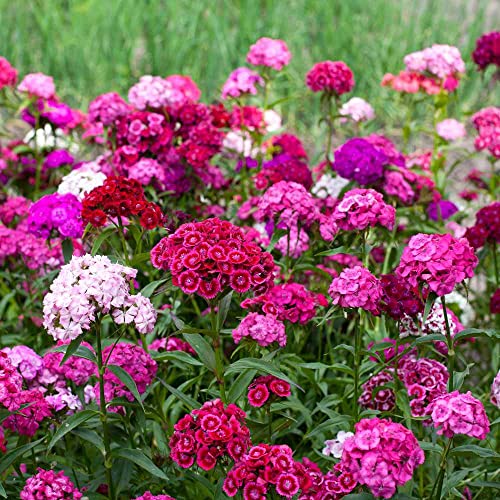
Outsidepride Sweet William Dianthus Seeds

Perennial Species Mix 5g Envelope
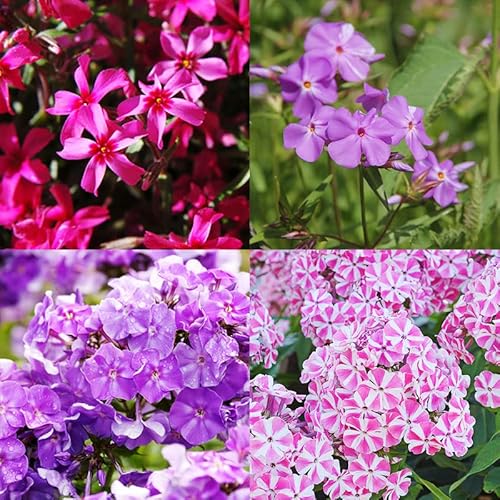
Tall Phlox Mix Value Bag 6 Roots

Perennial Farm Marketplace Mercury Rising Coreopsis

Pollinator Garden Live Plant Collection 8 Pack

Carpet Creeping Vinca Periwinkle Flower Seeds
Taking A Closer Look At The Options
Butterfly Weed earns its spot on any Connecticut list because it is one of the most genuinely cold-hardy native milkweeds a gardener can plant. Unlike the showier tropical milkweeds, this bare-root starter settles into Zone 5b soil and returns each summer with the same vivid orange clusters that swallowtails and monarchs cannot resist. You plant it once in a sunny, well-drained bed and it becomes a permanent anchor in your pollinator strip.
The mature height lands between 18 and 36 inches, which puts it right in the middle of a typical perennial border. Compared to seed-based options in this list, a bare root skips the germination gamble and gives you a measurable head start on the season.
The Case For It
- Bare-root No. 1 premium size establishes faster than most seed packets
- Mature height of 18″ to 36″ slots neatly into mid-border plantings
- Returns year after year as a true perennial, no replanting required
- Draws butterflies and hummingbirds through the entire bloom window
- Native cultivar suited to full-sun Connecticut beds
Worth Noting
- Bare roots can look unimpressive on arrival and need careful initial watering
- Slow to wake up in spring, so first-year growth may feel disappointing
- Does not transplant well once established, so pick the planting spot carefully
Made For
Wildlife-focused gardeners who want a low-fuss native milkweed without the wait-and-hope cycle of starting from seed.
Consider Something Else When
The Pollinator Garden Live Plant Collection from Bellawood Horticulture fits shoppers who want instant color across several native species in the same shipment.
Sweet William dianthus is the kind of cottage-garden plant that feels nostalgic the moment you catch its clove-like scent on a June breeze. Outsidepride packages roughly 5,000 seeds, which is a generous count for the kind of mass planting that makes dianthus look like a tapestry rather than a few sad clumps. You get a perennial rated for USDA Zones 3 through 9, which means Connecticut’s coldest winters do not trouble it.
For shoppers leaning toward a romantic, old-fashioned border, this seed packet delivers more volume than the bare-root Butterfly Weed for less commitment. You will, however, trade the guaranteed first-year display for the satisfaction of raising the bed from scratch.
Good Reasons To Consider
- Hardy across USDA Zones 3-9, well below Connecticut’s coldest zones
- Fragrant clusters that work as cut flowers and pollinator nectar
- Bulk 5,000-seed packet supports large naturalized plantings
- Color mix adds visual variety without buying separate varieties
Points To Keep In Mind
- Seed-grown beds demand thinning and weed control in year one
- Biennial-leaning habit means peak bloom often lands in the second year
Quick Facts
Right Fit For
Cottage gardeners who want a fragrant, cold-hardy border and don’t mind the patience a seed-grown display requires.
Look Elsewhere When
The Tall Phlox Mix Value Bag fits shoppers who want a multi-color perennial display with mature roots already started.
The Family Sown Perennial Species Mix trades single-species focus for variety and volume. A 5-gram envelope with roughly 2,500 seeds gives you enough material to carpet about 20 square feet, which is a meaningful patch for a sloping bank or back-forty meadow. You scatter once and let nature do the selection, accepting that some species will dominate while others play supporting roles.
Compared to the targeted Sweet William packet, this mix trades predictable color for ecological diversity. It appeals to the gardener who cares more about habitat than a curated color story.
A Favorable Mix
- Large 5g envelope covers roughly 20 square feet of ground
- Perennial species return year after year without reseeding
- Wildflower mix attracts diverse pollinators and beneficial insects
- Suited to borders, meadows, and naturalized corners
Things To Consider
- Mixed seed means uneven germination and patchy early coverage
- You sacrifice a single color story for a wilder look
Whose Shelf It Belongs On
New gardeners and habitat-focused homeowners who want a low-effort, broad-impact planting without choosing individual species.
Swap It Out When
The Outsidepride Sweet William Dianthus Seeds suit shoppers who prefer a uniform fragrance-driven cottage display over a wild mix.
Tall garden phlox is a Connecticut staple for good reason: it handles the climate, blooms when many perennials are fading, and asks almost nothing of the gardener. The Willard & May value bag ships six dormant roots spanning four cultivars: Blue Boy, David, Peppermint Twist, and Star Fire. Spring planting gives you a full summer display with a possible fall re-bloom if you keep up with deadheading.
The mix format here matters. Rather than committing to one color, you spread six roots across a bed for a layered look that single-cultivar bags cannot match. Phlox is also one of the longest-lived perennials in a New England border, so this is a planting that pays you back for decades.
What Helps Most
- Six roots spanning four named cultivars for built-in color variety
- Summer bloom season with potential fall re-bloom after deadheading
- Spring-planted format suits typical Connecticut planting schedules
- Roots establish faster and more reliably than seed phlox
- Long-lived perennial backbone for a traditional border
Honest Caveats
- Phlox is susceptible to powdery mildew in humid Connecticut summers
- Six roots means a smaller initial show than the live plant collection
Feature Snapshot
Best Suited To
Traditional border gardeners who want a classic phlox display without the seed-starting wait and prefer multiple colors.
Reach For A Different Pick When
The Pollinator Garden Live Plant Collection from Bellawood Horticulture makes more sense for shoppers who want a pollinator-focused native mix rather than classic garden phlox.
Mercury Rising Coreopsis is the pick for gardeners who want something a step beyond the usual yellow tickseed. The burgundy-red petals around a yellow center come from the Big Bang series, and the cooler fall temperatures often streak the blooms with creamy white for a secondary show. It ships as a Size #1 container plant, fully rooted and ready to drop into a prepared bed.
The plant is hardy in USDA Zones 5 through 9 and earns a “Deer-Leerious” rating from Perennial Farm Marketplace, which is shorthand for the coreopsis family’s well-known deer resistance. Connecticut sits squarely inside that hardiness range, so this is a transplant, not a gamble.
The Good Stuff
- Burgundy-red petals with a yellow center offer uncommon coreopsis coloring
- Size #1 container means fully rooted and ready to plant
- Hardy in USDA Zones 5-9, covering most of Connecticut
- Highly deer-resistant, a major plus for suburban properties
- Works as a long-lasting cut flower for indoor arrangements
Room For Improvement
- Cannot ship to AK, AZ, CA, CO, ID, MT, NV, OR, UT, WA, or HI due to agricultural regulations
- Single-plant offering means smaller initial impact than multi-root collections
At A Glance
Who Should Grab It
Suburban gardeners dealing with deer browsing who want an unusual coreopsis color without the seed-starting wait.
A Better Fit Elsewhere
The Butterfly Weed Flower Root suits shoppers who want a pollinator-targeted native plant over a single ornamental specimen.
The Bellawood Horticulture collection skips the seed-and-wait cycle entirely. Eight live perennial plugs arrive ready to plant: Butterfly Weed, Swamp Milkweed, Purple Coneflower, and Black-Eyed Susan are all native cultivars known for pulling in monarchs, bees, and hummingbirds. Full sun and well-drained soil is the standard setup, and the drought tolerance of these species makes them forgiving during the inevitable August dry spells.
Compared to the Family Sown wildflower mix earlier in this list, you trade volume for predictability. Each species is hand-selected and the plugs ship already growing, so you skip the germination gamble.
Real Benefits
- Eight live perennial plugs deliver instant garden structure
- Mix of native species targets monarchs, bees, and hummingbirds
- Drought-tolerant once established, suited to dry late summers
- Hand-selected species pairing reduces guesswork for new planters
- Native perennials return year after year without reseeding
Small Caveats
- Plug size can look modest early in the season, smaller than expected
- Eight plugs cover a modest footprint, so larger beds need multiple orders
Key Product Details
Perfect Match For
New gardeners who want a native pollinator bed without the patience required by seed packets and a single starting season of color.
Skip It When
The Perennial Species Mix fits shoppers who want larger coverage area and don’t mind a wild, mixed appearance from seed.
Vinca periwinkle is the practical choice for problem spots where lawn refuses to grow. Carpet Creeping ships over 1,000 seeds rated for USDA Zones 3 through 10, which means the plant shrugs off both Connecticut winters and the hot, dry pockets that cook less resilient ground covers. You get four bloom colors from one packet, and the trailing habit makes it a natural fit for slopes, tree-root areas, and shaded edges.
Unlike the milkweed-forward Pollinator Garden collection, vinca is grown for coverage, not for hosting specialist butterflies. It is a structural choice rather than a habitat choice.
Useful Strengths
- 1,000+ seeds cover substantial ground area per packet
- Hardy across USDA Zones 3-10, far wider than Connecticut requires
- Tolerates poor soil, heat, and minimal watering once established
- Trailing habit fills slopes, tree rings, and shaded patches
- Four-color bloom mix adds visual interest across the carpet
Less Ideal Details
- Not a native species, so it does less for specialist pollinators than natives
- Can spread aggressively in favorable conditions, requiring containment planning
Who Will Love This
Homeowners battling bare slopes, shady tree rings, or hot dry pockets where lawn and ornamentals consistently fail.
Where Another Pick Suits Better
The Perennial Farm Marketplace Mercury Rising Coreopsis is a better match for shoppers focused on deer resistance and ornamental color over coverage.
What To Weigh Before Planting Perennials in Connecticut
Most Connecticut perennial headaches come from mismatched sun exposure, not from cold hardiness. A site that gets fewer than four hours of direct sun is not going to host full-sun coreopsis or butterfly weed, no matter how hardy the plant is on paper. Match the light first, then match the zone, and the rest of the planting usually works itself out.
Soil drainage is the second filter worth checking. Connecticut’s clay-heavy soils in the western hills will suffocate anything labeled for sandy or well-drained beds unless you work in compost and berm the planting slightly above grade. For shady lots, vinca and coneflower hold up far better than drought-tolerant Mediterranean natives, so species selection should follow the moisture pattern of your actual yard, not the average climate for your zip code.
Finally, think about browsing pressure. Suburban Connecticut has one of the densest deer populations in New England, and a single night of browse can wipe out a season’s growth. Native cultivars and coreopsis-family plants tend to be left alone, while vinca and most tulip-family plants are tempting targets. Choosing deer-resistant species up front saves replacing the bed every spring.
Smart Habits For New Connecticut Plantings
New gardeners often plant too deep, which is one of the fastest ways to kill a perennial. The crown, where the stems meet the roots, should sit right at the soil surface. Burying it even an inch invites rot in Connecticut’s wet springs.
Spacing is the second common slip. Seed packets and small pots look deceptively sparse in the first season, so there’s a temptation to pack plants tightly for an immediate show. Within two years, overcrowding invites powdery mildew, weak airflow, and root competition. Trust the spacing on the label, even when the bed looks thin at planting.
The Case For Spending Up
Higher-tier perennial purchases usually mean larger, established root systems rather than fancier packaging. A Size #1 container plant or a multi-root value bag gives you a meaningful first-year display and skips the fragile establishment window where losses are most common. The upgrade is most justified when you’re planting a focal bed that defines the curb appeal of your home, or when the planting window is short and reseeding is not an option. For wide meadow restoration on a budget, seed packets still deliver more plants per dollar, and the patience trade-off is part of the value.
Frequently Asked Questions
When is the best time to plant perennials in Connecticut?
Early fall, from mid-September through early October, is generally the strongest window because soil stays warm while air temperatures cool, giving roots time to establish before winter. Spring planting works too, but the summer heat stress can challenge first-year plants without consistent watering.
Do perennials come back every year in Connecticut?
Yes, perennials are defined by their ability to die back in winter and regrow from their root systems each spring. Cold-hardy varieties rated for USDA Zones 5 through 7 will return reliably through typical Connecticut winters.
How much sun do most flowering perennials need?
Six or more hours of direct sunlight covers the majority of pollinator-friendly perennials in this list, including butterfly weed, coreopsis, and coneflower. Part-shade gardeners should lean toward vinca, sweet William, or other species that tolerate four or fewer hours of direct light.
Can I plant perennials in clay soil?
Most Connecticut perennials tolerate clay if you amend the planting hole with compost and avoid spots where water pools after rain. Raised beds or bermed plantings are useful in the heaviest clay sections of the state.
How do I keep deer from eating my perennials?
Choose resistant species like coreopsis, coneflower, and butterfly weed, and avoid tulip-family plants in high-browse areas. Physical barriers and repellents work short-term, while long-term success depends on species the deer consistently avoid.
The Takeaway
A Connecticut perennial bed succeeds when the species match the actual sun, soil, and browsing conditions of your specific yard, not just the average climate. Choose between seeds for wide coverage, plugs for first-year color, or roots for a strong mid-border show, and lean into native cultivars whenever pollinator value matters. The plants that survive your second winter are the ones worth building the rest of the bed around.
