

Florida gardens demand plants that shrug off humidity, thrive in sandy soil, and keep coming back after steamy summers. You need perennials that handle Zone 9 and 10 conditions without constant babying, so your beds stay colorful year after year instead of melting by August.
Whether you’re starting a pollinator strip, filling shade under a live oak, or building a low-maintenance cottage border, the right seed mix or live plant saves you seasons of frustration. The picks below cover fragrant cottage classics, native wildflower blends, showy foliage, and one live shrub for instant structure.
An Overview Of The Picks
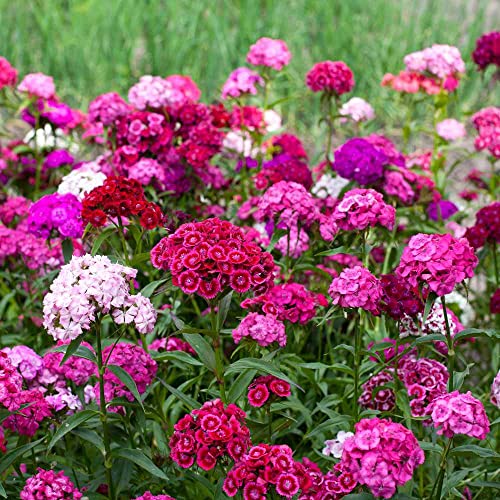
Outsidepride Sweet William Dianthus Seeds, 5000 Pcs.

PLANTMEW Wildflower Seeds Bulk Mix, 10,000+ Seeds

CZ Grain Florida Cardinal Caladium Bulbs, 5 Bulbs

FAMILY SOWN Perennial Species Mix, 5g Envelope

Marde Ross Forget Me Not Seeds, 6000 Seeds

Seeds Of Strength Calla Lily Seeds, 100 Pcs Mixed Colors

Perfect Plants Nanho Blue Butterfly Bush, 1 Gallon
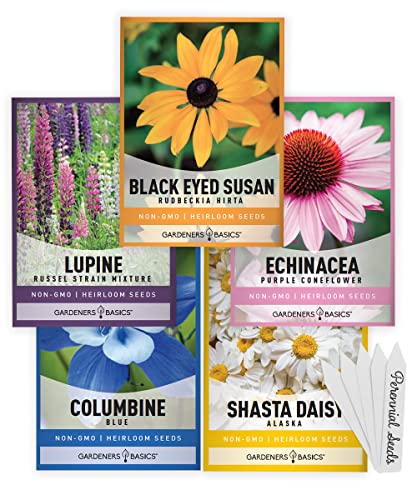
Gardeners Basics Perennial Flower Seeds, 5 Varieties
Meet The Standout Selections
Sweet William dianthus brings that old-fashioned clove perfume back into the garden, and 5,000 seeds gives you a generous broadcast across a cottage border or mailbox bed. The plants behave as short-lived perennials in much of Florida, returning for two or three seasons before petering out, so you may want to let a few flower heads go to seed for self-sowing.
You get a mix of pinks, reds, and bicolor clusters on sturdy stems that stand upright without staking, which keeps the bed looking tidy through summer storms. Compared to wildflower blends on this list, the color palette here feels curated rather than random.
What It Does Well
- Strong clove-like fragrance fills the air around seating areas
- Large 5,000-seed count lets you cover a wide bed affordably
- Mixed bloom colors create a varied cottage look from one packet
- Sturdy stems hold up in humid Florida weather without flopping
- Pollinators, especially bees and butterflies, visit the clusters heavily
Things To Consider
- Often acts as a biennial or short-lived perennial rather than long-term
- Needs decent sun and well-drained soil to keep blooming through summer
Who Will Love This
Cottage gardeners and fragrance lovers who want colorful clusters in a sunny bed without buying individual plants.
Consider Something Else When
The PLANTMEW Wildflower Seeds Bulk Mix suits you better if you want a regionally tuned native blend instead of a curated cottage classic.
This bulk packet is built for scale, with 10,000-plus seeds and a 25-variety blend that targets southern states including Florida. The throw-and-grow format skips the usual seed-starting fuss, so a sunny patch of cleared soil is all you really need before scattering.
Compared to the Sweet William pick above, you trade curated cottage color for ecological diversity and a wild-meadow feel. Annual species fill in the first year while perennials establish, so the bed actually gets better with each season rather than tapering off.
Everyday Wins
- Massive seed count covers large empty lots on a single purchase
- Curated blend targets Florida, Texas, and California climates specifically
- Attracts hummingbirds, butterflies, and native bees for pollinator value
- Throw-and-grow format skips indoor seed-starting steps
Trade Offs
- Mixed varieties mean uneven germination if soil prep is rushed
- Bloom heights and colors vary widely, so the look is wild rather than tidy
- Annual component means you’ll re-sow or accept bare patches each spring
Right Fit For
You want a pollinator meadow on a sunny quarter-acre or larger, and you’re comfortable letting nature choreograph the color.
Skip It When
Perfect Plants Nanho Blue Butterfly Bush is a better fit if you’d rather plant one live shrub than seed an entire meadow.
Caladiums earn their keep through foliage, not flowers, and the Florida Cardinal variety delivers heart-shaped leaves splashed with vivid red and green. Five bulbs tuck neatly into a shaded bed, window box, or oversized patio container where flowering plants sulk.
The bulbs return each year in Zones 9 through 11, though they do go dormant in winter and reemerge when soil warms above 75 degrees. Where the wildflower picks above bring color to sun, this one solves the trickier problem of brightening shaded spots.
What Helps Most
- Big colorful leaves fill shade spots where flowers struggle
- Returns each year in warm zones without annual replanting
- Works in-ground, in containers, or as indoor foliage in bright windows
- Fast growth once warm soil arrives means quick visual payoff
Points To Note
- Must wait for soil above 75°F before planting or growth stalls
- Dormant in winter, leaving bare spots until spring regrowth
- Only five bulbs per pack limits how much area you can cover
Made For
Shade gardeners who want vivid foliage color under tree canopies or along north-facing walls.
Where Another Pick Suits Better
The Marde Ross Forget Me Not Seeds work better when you need a sun-to-shade ground cover rather than a few statement foliage plants.
Feature Snapshot
This 5-gram envelope carries roughly 2,500 perennial seeds designed for naturalized plantings and informal borders. Unlike the bigger PLANTMEW bulk packet, the focus here stays narrow on long-lived species rather than blending in annual fillers.
The coverage lands around 20 square feet per packet, which makes it easier to plan a tidy front-of-border strip without over-seeding. For most backyard gardeners, that footprint matches a single bed along a fence or walkway.
Noteworthy Benefits
- Pure perennial focus means blooms return yearly without re-sowing
- Modest 20 sq ft coverage suits a small bed or border strip
- Naturalized look fits informal Florida cottage and prairie styles
Honest Caveats
- Smaller seed count than the PLANTMEW wildflower bulk option
- Variety names are not individually listed on the envelope
Best Suited To
Homeowners with a defined bed or border who want lasting perennial color without managing a sprawling meadow.
Not Your Match When
GARDENERS BASICS Perennial Flower Seeds for Planting Outdoors, 5 Varieties fits better if you’d rather have named, labeled packets of specific flowers.
Forget-me-nots earn their spot by weaving around taller bulbs and softening hard bed edges. Six thousand seeds fill in quickly as a low mat, with sky-blue quarter-inch flowers and yellow centers showing off from spring into early summer.
Plants stay compact at 6 to 12 inches tall and adapt to both sunny and partly shaded spots, which makes them useful in beds that get uneven light through the day. Compared to the CZ Grain caladiums above, you’re trading big leaves for a fine-textured carpet.
A Favorable Mix
- Adapts to sun or partial shade without sulking
- Sky-blue blooms pair naturally with spring bulbs like tulips
- Low 6-12 inch height works as front-of-border edging
- Large 6,000-seed count covers generous ground-cover areas
Small Caveats
- Best treated as a cool-season perennial in Florida, fading in midsummer heat
- Self-seeds readily, which may require thinning in tidy beds
Who Should Grab It
You want delicate blue flowers tucked between daffodils and tulips for a romantic spring display.
Reach For A Different Pick When
The PLANTMEW Wildflower Seeds Bulk Mix suits you better if you need heat-loving blooms that thrive through summer rather than fading by June.
Quick Facts
Calla lilies grow from rhizomes but the seeds offer a slower, more affordable path to a mixed-color cutting garden. Each packet carries 100 seeds in assorted colors, suited to patio containers or small cutting beds.
Starting from seed takes patience since germination can be uneven and the plants need a full season to reach blooming size. Unlike the live Perfect Plants butterfly bush below, this option rewards you with growth satisfaction over months rather than instant presence.
Useful Strengths
- Mixed colors give variety from a single packet
- Smaller seed quantity fits beginners testing calla growing
- Grows well in patio containers for small-space gardeners
- Produces elegant cut flowers once mature
Where It May Fall Short
- Seed germination is slow and inconsistent for beginners
- Needs a full growing season before reaching flowering size
- Requires pre-soaking and careful indoor starting for best results
Who It Suits Best
Patient hobbyists who enjoy starting flowers from seed and want a mixed calla collection for containers.
Where A Sibling Pick Shines
The CZ Grain Florida Cardinal Caladium Bulbs suit you better if you want faster foliage impact without the germination wait.
Feature Rundown
This is the only live shrub on the list, arriving as a 1-gallon potted plant rather than a packet of seeds. Nanho Blue butterfly bush brings fragrant purple-blue flower cones that pull in pollinators from across the yard.
The plant grows fast, tolerates drought once established, and handles Florida heat without constant fuss. Where seed mixes take a season to fill in, this one gives you a flowering anchor on day one with proper planting.
Practical Advantages
- Live 1-gallon plant offers instant landscape presence
- Sweet honey-like fragrance adds sensory appeal
- Fast growth quickly fills an empty corner or fence line
- Drought tolerant once roots establish in Florida soil
- Rabbit resistant for rural and suburban gardens
A Few Limitations
- Higher upfront cost than a single seed packet
- Needs occasional watering during the first growing season
Perfect Match For
You want immediate color and pollinator attraction without waiting for a seed mix to mature.
Swap It Out When
Outsidepride Sweet William Dianthus Seeds suit you better if you’d rather invest a small amount and grow from seed across a wider area.
Key Attributes
This set bundles five named perennials into individually labeled packets, so you always know what you’re sowing and where. The lineup includes lupine, columbine, purple coneflower, black-eyed Susan, and Shasta daisy, each a familiar garden workhorse.
Heirloom and non-GMO seeds appeal to gardeners who want traditional varieties, and the five-variety spread spreads risk across different bloom times. Unlike the larger bulk blends above, you get clearly labeled paper packets that stay organized in a seed box.
Strong Points
- Five individually labeled packets keep varieties organized
- Heirloom and non-GMO seeds suit traditional gardeners
- Mixed bloom times spread color across the growing season
- Five named perennials suit full-sun beds in Florida
Things That May Matter
- Some varieties like lupine and columbine prefer cooler climates than South Florida
- Smaller per-packet weights than bulk wildflower mixes
The Right Fit
First-time perennial planters who want a structured, labeled starter set rather than an anonymous mix.
A Better Fit Elsewhere
The PLANTMEW Wildflower Seeds Bulk Mix suits you better if you’re planting in deep South Florida where cool-loving species like columbine may struggle.
Spec Overview
Picking The Right Perennial For Your Florida Yard
Florida splits into USDA Zones 8 through 11, and that range matters more than any brand name. Zone 9 and 10 gardeners can grow most warm-season perennials year-round, while Zone 8a in the panhandle sees occasional freezes that knock back tender tropicals.
Sun exposure shapes your shortlist even more than zone. Full sun in Florida means six or more hours of direct light, often with punishing afternoon intensity, so plants with waxy leaves and deep root systems outperform delicate annual-style perennials. Shade under live oaks or against north walls demands different picks like caladiums and forget-me-nots that tolerate lower light.
Soil type matters too. Much of central Florida is sandy and fast-draining, which suits wildflower mixes and Mediterranean-style perennials but punishes moisture-lovers. Amending with compost helps, though matching the plant to your existing soil saves years of struggle.
Matching Plant Form To Garden Style
Cottage gardeners chasing fragrance and informal color lean toward Sweet William and calla lilies. Meadow builders with open sunny lots get more value from bulk wildflower blends. Landscape designers who want structure fast rely on a live shrub like the Nanho Blue butterfly bush as an anchor, then fill around it with seeds.
Timing Your Planting Around Florida Seasons
Cool-season annuals and short-lived perennials go in October through February. Warm-season perennials establish best when sown or transplanted March through early summer, after the last frost date in your county. Caladium bulbs specifically need warm soil above 75°F before they break dormancy, which often means waiting until May in northern parts of the state.
Balancing Seed Mixes With Live Plants
A combined approach often gives the best results. Use one live shrub for instant height and structure, then fill the bed with seed packets for seasonal color that matures over the next year or two. This keeps a new garden from feeling empty while slower perennials establish their root systems.
Key Considerations Across These Picks
Where Shoppers Go Wrong
Many people grab any wildflower mix without checking whether it’s tuned to Florida’s climate. Northern blends that thrive in Zone 5 often wilt by July in Zone 10, leaving bare patches and disappointment. Other shoppers skip soil prep entirely and scatter seed into compacted sand or heavy clay, then blame the seed for poor germination.
The Case For Spending Up
Live plants cost more upfront than seed packets but deliver instant presence and skip the germination gamble. A 1-gallon butterfly bush fills space the first season, while seed mixes need a year or two to reach full size. For brand-new beds where you want curb appeal quickly, paying for one or two live anchors alongside your seed investment usually pays off in satisfaction.
Frequently Asked Questions
What zone is most of Florida for perennials?
Most of central and south Florida falls into USDA Zones 9b through 10b, while the panhandle runs 8a to 9a. Perennials labeled for Zones 3 through 9 generally handle most of the state, while tropical perennials suit Zone 10 and south.
When should you plant perennials in Florida?
Cool-season perennials and wildflower seeds plant best October through February. Warm-season perennials, bulbs, and tropical species plant after the last frost, typically March through May depending on your county.
Do perennials come back every year in Florida?
True perennials return each year from their root systems, though many slow down during peak summer heat. Some cottage-garden favorites like Sweet William act as short-lived perennials that last two or three seasons before fading.
Can you grow perennials in containers in Florida?
Yes, and many perform well in pots since containers drain faster than in-ground beds. Caladiums, calla lilies, and compact wildflower mixes all adapt to patio containers with quality potting mix and regular watering.
How long do seed packets take to bloom?
Most perennial wildflower mixes bloom the first year from seed, though with smaller flowers than mature plants. Full-size blooms and repeat flowering typically arrive in the second and third seasons.
The Takeaway
Florida gardens reward plants that match heat, humidity, and sandy soil rather than fighting them. Match the plant to your zone, sun exposure, and garden style, and your beds will reward you with color that returns stronger each season.
