

A sun-baked backyard strip or a south-facing border can wreck a shade-loving plant in a season, and rebuilding a perennial bed every year gets old fast. The eight picks below cover the wide spectrum of full-sun situations, from pollinator magnets to drought-tolerant grasses, and they include options for both starter gardeners and seasoned landscapers. Each one returns year after year once established, which is the whole point of planting perennials for full sun in the first place.
How The Shortlist Stacks Up

Butterfly Weed Flower Root – Willard & May

Purple Alyssum Seeds for Planting – Survival Garden Seeds

9-Pack Hosta Bare Root Perennial Plants – Gardening4Less

100Pcs Calla Lily Seeds Mix Color Perennial Plant
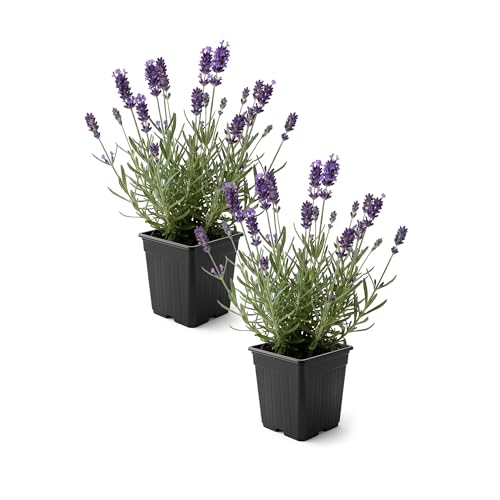
Lavender (2 Pack) Purple Blooms Live Perennial – The Three Company
50+ Blue Fescue Ornamental Grass – CHERYL’S UNIQUE FLOWER SEEDS

Multicolor Lantana Flowers (4 Pack) – Plants for Pets

Purple Blazing Star 5 Fresh Bulbs Liatris Spicata – Marde Ross & Company
The Strengths Of Each Pick
Butterfly Weed earns its spot as a native prairie plant that treats full sun like an open invitation rather than a problem. The mature height spans 18 to 36 inches, which gives it enough presence for the middle of a border without towering over shorter companions.
You plant it once as a No. 1 Premium root and it comes back season after season, drawing in butterflies and hummingbirds with bright orange flower clusters. Compared to the seed-based Purple Alyssum covered next, this one skips the germination wait and puts on growth right away.
Advantages To Know
- Returns year after year as a true perennial, so you plant once and skip yearly resets
- Native roots dig deep and tolerate dry spells, which suits water-wise gardeners
- Strong pollinator pull, drawing butterflies and hummingbirds throughout summer
- Mature 18 to 36 inch range fits comfortably in mid-border positions
Points To Note
- Establishes slowly in the first season, so you may see modest top growth the first year
- Resents transplanting once the taproot settles, so pick the planting site carefully up front
Made For
Wildlife-friendly gardeners who want a native, drought-tough anchor that brings pollinators into a sunny bed without ongoing fuss.
Skip It When
The Lavender (2 Pack) from The Three Company suits you better, since you want fragrant starter plants ready to transplant into an herb-style border.
Purple Alyssum is the kind of low carpet you tuck along a walkway or the front edge of a bed, where it spills honey-scented purple clusters across bare soil. You start it from seed, so the upfront cost stays low while the eventual coverage runs wide.
For most home gardeners, it doubles as a cool-season workhorse that pulls in bees and butterflies while smothering weeds in spots that would otherwise sit empty. Compared to the taller Butterfly Weed reviewed above, this one stays close to the ground and fills gaps rather than commanding the middle of a border.
Real Benefits
- Honey fragrance draws bees and butterflies into the bed, supporting local pollinators
- Low-growing carpet habit suppresses weeds along pathways and border fronts
- Seed format keeps the upfront cost low for filling large edging areas
- Cool-season bloomer extends color before and after summer perennials peak
Worth Noting
- Frost-sensitive perennial typically grown as a cool-season annual in colder zones, so it may not overwinter everywhere
- Seed germination takes patience and steady moisture during the sprouting phase
Feature Snapshot
Right Fit For
Beginner gardeners and walkway designers who want a fragrant, low-cost carpet of color along sunny edges.
Look Elsewhere When
The 50+ Blue Fescue Ornamental Grass from CHERYL’S UNIQUE FLOWER SEEDS is a better match, since you want grassy texture and blue-green foliage instead of a flower carpet.
A nine-pack of bare root hostas lets you fill a shady bed in a single afternoon rather than nursling individual pots for months. The mature spread of 20 to 60 inches across heart-shaped foliage means one pack covers a generous strip under trees or along a north-facing wall.
Mid-summer brings mildly fragrant purple or white blooms on tall stems, lasting roughly two weeks and adding a secondary show on top of the leaves. Where the Butterfly Weed reviewed first loves sun, this one is the classic answer for the cool spots in your yard that still need perennial structure.
Notable Upsides
- Nine bare roots in one pack stretch across a wide shady border in one planting session
- Hardy across zones 3 to 8, so northern and temperate gardeners both get reliable returns
- Heart-shaped foliage adds texture even when plants are out of bloom
- Midsummer flower spikes bring a brief but fragrant color bonus
Trade Offs
- Hostas prefer shade, so this is a poor fit for the bright sun beds the rest of this list targets
- Bare roots arrive dormant and look unimpressive, which can unsettle first-time planters
Best Suited To
Shade gardeners filling tree-side borders or north-facing foundation beds with lush foliage in bulk.
Consider Something Else When
The Multicolor Lantana Flowers (4 Pack) from Plants for Pets fits better, since you want heat-loving color in a sunny bed rather than shade foliage.
A hundred seeds in a mixed-color pack turns a single tray into a future cutting garden of sleek, trumpet-shaped calla blooms. The package supports gardeners willing to start seeds in pots or trays and transplant once the seedlings are sturdy enough to handle.
Calla lilies earn their keep in arrangements and bridal-style bouquets, so this pick suits anyone who wants cut flowers for vases as much as border color. Compared to the bulk Hosta foliage pack reviewed above, this one trades mass leaves for elegant floral stems.
Real-World Strengths
- Hundred-seed count gives plenty of plants for both beds and cutting rows
- Mixed colors keep the display varied without needing multiple seed packs
- Trumpet-shaped blooms suit vases and bridal-style arrangements
- Perennial roots return in warmer zones with proper winter care
Practical Considerations
- Seeds need pre-soaking and indoor starting, so this is not a direct-sow option
- Germination runs slower than many sun perennials and rewards careful warmth and moisture
Who Will Love This
Patient gardeners and cutting-garden hobbyists who want a spectrum of calla colors for both landscaping and indoor arrangements.
A Better Fit Elsewhere
The Purple Blazing Star 5 Fresh Bulbs from Marde Ross & Company suits you better, since you want tall, established bulbs rather than a seed-starting project.
Two live lavender plants in quart pots arrive ready to transplant, skipping the seedling stage entirely. The mature habit reaches roughly 18 to 24 inches tall and wide, so two plants set a fragrant anchor at the corner of an herb garden or along a sunny path.
Lavender thrives in full sun and well-drained soil, releasing that classic soothing scent every time you brush past it. Where the Purple Alyssum covered earlier carpets the ground, this pair builds vertical herbal structure above it.
Standout Benefits
- Live quart-pot plants skip the seedling wait and transplant cleanly
- Strong lavender fragrance perfumes the surrounding bed all summer
- Compact mounded habit suits borders, containers, and herb gardens
- Perennial returns year after year in suitable sunny, well-drained spots
Things To Consider
- Demands sharp drainage, so heavy clay beds need amending before planting
- Mature spread assumes full sun, so shady corners will leave plants leggy and sparse
Quick Facts
Perfect Match For
Scent-garden hobbyists and culinary herb growers who want established, fragrant lavender without starting from seed.
Reach For A Different Pick When
The Butterfly Weed Flower Root from Willard & May suits you better, since you want pollinator-friendly native color rather than a culinary herb accent.
Blue Fescue ornamental grass earns its place in dry, sunny borders where flowering perennials would otherwise struggle. The mature clumps reach roughly 10 to 12 inches tall and stay green through winter, so the bed never quite goes bare even in the off-season.
Owners commonly report that the more sun and less water it gets, the more vivid the blue-green tone becomes, which is the opposite of how most ornamentals behave. Compared to the flowering picks earlier in this list, this one supplies texture and color from foliage rather than blooms.
Where It Delivers
- Drought tolerance makes it a strong pick for water-wise and rock gardens
- Blue-green clumps keep their color through winter in milder climates
- Low 10 to 12 inch height suits the front edge of sunny borders
- Versatile on light conditions, so it tolerates both full sun and partial shade
Honest Caveats
- Needs an annual early-spring trim down to about 2 inches to refresh the clump
- Seed-started plants take a season to bulk up into the tidy mounds gardeners expect
Whose Shelf It Belongs On
Rock-garden and dry-border landscapers who want fine-textured, year-round color without heavy watering needs.
Swap It Out When
The Multicolor Lantana Flowers (4 Pack) from Plants for Pets is a better fit, since you want long-blooming flower color instead of grassy texture.
Lantana handles the kind of summer heat that wilts less rugged plants, making it a natural fit for southern beds and exposed patio borders. A four-pack of live plants arrives ready to drop into the ground and start filling out.
The flat flower heads open in clusters that pull in hummingbirds, bees, and butterflies across an unusually long bloom window from late spring well into fall. Compared to the Lavender covered earlier, this one thrives on heat and humidity where lavender would sulk.
Strong Points
- Heat and drought tolerance once established, ideal for hot southern beds
- Extended bloom window from late spring through fall keeps color rolling
- Flat flower clusters act as pollinator feeding platforms for bees and butterflies
- Low-maintenance care suits beginners and busy gardeners
A Few Limitations
- Performs best where summers run hot, so cooler coastal climates deliver fewer blooms
- Can spread aggressively in warm zones, so containment planning helps long-term
Who Should Grab It
Hot-climate gardeners and pollinator gardeners who want color that shrugs off brutal summer sun and drought.
Not Your Match When
The 9-Pack Hosta Bare Root Perennial Plants from Gardening4Less is a better fit, since you need shade-loving foliage rather than sun-baked flower color.
Liatris Spicata, also called Gayfeather, sends tall vertical spikes of purple blooms up to about 40 inches tall, giving the back of a sunny border some real height. The velvety flowers open on slender, grass-like foliage that adds texture even before the color hits.
Five fresh bulbs arrive ready to plant, and the corms (swollen underground stems that store energy for the plant) are the largest size offered, which generally speeds up first-year growth. Where the Blue Fescue covered above stays low, this one anchors the back of the bed and draws pollinators in from a distance.
A Few Highlights
- Tall 40-inch spikes add the vertical height most borders are missing
- Largest corm size typically translates into stronger first-year growth and blooms
- Slender grass-like foliage adds texture before and after the bloom window
- Perennial returns in suitable zones, suiting natural and border-style plantings
Where It Is Less Suited
- Height can flop in rich soil with extra nitrogen, so lean ground suits it better
- Bulbs arrive dormant, so the first season looks quiet until the foliage emerges
Feature Rundown
Built With In Mind
Back-border gardeners and natural-style landscapers who want tall, vertical pollinator color without staking fuss.
Where Another Pick Suits Better
The 100Pcs Calla Lily Seeds Mix Color Perennial Plant suits you better, since you want mixed-color cutting flowers rather than a single tall spike accent.
Matching The Right Perennial To Your Sunny Bed
Match Plants To Your Light And Soil Reality
The first filter for any sun perennial is how harsh the exposure actually gets. A spot that reads as “full sun” on a label can mean six hours of midday rays in Michigan or ten hours of triple-digit heat in Texas, and the plants respond very differently to each. Lavender and Liatris shrug off lean, well-drained soil, while Butterfly Weed asks for similar drainage but tolerates more summer humidity than typical Mediterranean herbs.
Plan For Bloom Timing Across The Season
A perennial bed looks best when something is always in flower, so staggering bloom windows matters as much as picking the right colors. Purple Alyssum opens early in cool weather, Lantana carries the heat of midsummer into fall, and Liatris spikes the late-summer gap that many beds leave empty. Picking three species with offset bloom times keeps the bed interesting without forcing you to swap annuals in every year.
Decide Between Seed And Live Plants
Seed packs like the Calla Lily and Purple Alyssum options cost less up front but ask for patience, indoor trays, and careful hardening off (gradually acclimating seedlings to outdoor conditions before planting). Live pots from the Lavender and Lantana packs cost more per plant but skip the seedling stage entirely and shorten the time to first blooms. Beginners and busy gardeners usually do better starting with live plants and saving seed for the second wave of plantings.
Think About Maintenance And Spread
Some sun perennials stay politely in their clump for years, while others quietly spread by rhizome (a creeping underground stem that sends up new shoots) or self-seeding. Blue Fescue stays tidy in a mound, Lavender stays contained, and Lantana can fill a corner faster than expected in warm zones. Before planting, picture the mature footprint and leave room for growth so the bed does not need dividing within two seasons.
Key Considerations Across These Picks
Pitfalls Shoppers Hit
A common slip is picking plants by bloom color alone and ignoring mature size, which leaves tall growers like Liatris crowded into the front of the border. Another is forgetting that “full sun” plants still need regular water during their first season while roots establish, even drought-tolerant picks like Blue Fescue and Lavender. Skipping a soil check is the third most common miss, since lavender and liatris rot quickly in heavy clay that holds winter moisture around the crown (the base of the plant where stems meet roots).
Where The Extra Money Goes
Higher-tier perennial picks usually cost more because they ship as larger, established live plants rather than seeds or bare roots, which shortens the time to first blooms considerably. Quart-pot lavenders and four-pack lantanas fall into this tier, and the premium pays for itself when you want a visible garden the first season rather than a tray of seedlings. For gardeners willing to wait and start indoors, seed packs remain the budget route to the same mature plants over a longer runway.
Frequently Asked Questions
Which of these perennials for full sun is easiest for beginners?
Lantana and Butterfly Weed both forgive rookie mistakes, since established plants tolerate dry stretches and don’t demand constant deadheading (snipping off spent blooms to encourage more flowering).
How long until these perennials bloom after planting?
Live plants like Lavender and Lantana often flower the first season, while bulb and root picks like Liatris and Butterfly Weed usually wait until the second year for a full show.
Can I mix these perennials in the same bed?
Yes, as long as you match plants with similar water and soil needs. Lavender, Liatris, and Blue Fescue share a preference for lean, well-drained soil and pair naturally together.
Do any of these perennials work in containers?
Lavender, Lantana, and Blue Fescue all adapt well to large containers with sharp drainage, giving you sun-loving color on a patio without needing a full in-ground bed.
What is the lowest-maintenance option on the list?
Blue Fescue and Lavender both stay tidy with just an annual trim and minimal watering once established, making them the easiest long-term picks on this shortlist.
The Takeaway
Full sun beds reward gardeners who match plant to place instead of plant to wish list. The eight perennials above cover pollinators, fragrance, foliage, and vertical accents, so a thoughtful mix gives you color from spring through fall with minimal annual fuss. Pick one that fits your soil and sun first, then layer in companions as the bed matures.
