

Iowa gardens ask a lot of perennials: bitter zone 4 winters, humid summers, clay-heavy soil, and the occasional drought year. Choosing the right seed mix or root start means picking varieties that settle in fast, survive tough winters, and come back stronger every season. This roundup covers eight perennial options that handle Midwestern weather swings, from shade-loving wildflower blends to tall statement lupines and unique cut-flower picks. Each entry suits a different gardening style, whether you want a low-effort meadow, a deer-resistant border, or a pollinator-friendly patio display.
A Snapshot Of The Selections

FAMILY SOWN Perennial Species Mix Wildflower Seeds

CZ Grain Mixed Hibiscus Seeds Giant Flowers Perennial

Eden Brothers Partial Shade Wildflower Mixed Seeds 1/4 lb

Marde Ross Russell Lupine Seeds Perennial Wildflowers
Willard & May Tall Phlox Mix Value Bag 6 Roots

BBB Seed Deer Resistant Wildflower Mix 1 oz

Outsidepride Billy Button Craspedia Globosa Seeds
SWEET YARDS Deer Resistant Wildflower Seed Mix 1 oz
A Breakdown Of The Leading Choices
A 5-gram envelope holding roughly 2,500 seeds sounds modest until you picture the 20-square-foot patch this mix covers, which makes it a comfortable starting point for a first perennial bed. The blend focuses on hardy perennial species that return year after year, so you’re not stuck reseeding every spring. For most backyards with a sunny corner and average soil, this kind of low-fuss starter mix removes a lot of the guesswork.
Iowa’s clay-heavy ground benefits from a species mix that tolerates varied drainage, and perennials generally handle that better than finicky annuals. You may find germination takes patience since wildflower mixes rely on natural cycles rather than forced bloom schedules.
Advantages To Know
- Returns every season without reseeding effort
- Covers up to 20 square feet from a compact envelope
- Works well in average garden soil with sun exposure
- Low maintenance once plants establish roots
- Suited for borders and naturalized meadow-style patches
Honest Caveats
- Seed-to-bloom wait stretches into the second season for many species
- Coverage is limited compared to bulk-packet wildflower mixes
Who It Suits Best
First-time perennial planters working with a modest sunny patch and average soil conditions.
Skip It When
The Eden Brothers Partial Shade Wildflower Mixed Seeds fit better when most of your available bed sits under tree canopy.
Giant-flowered hibiscus brings a tropical intensity to Iowa beds that few native perennials can match, with dinner-plate-sized blooms in mixed colors. The packet includes 100+ seeds, packaged in the USA, which gives you room to experiment with spacing and placement. Gardeners who want a single dramatic plant type rather than a scattered meadow effect gravitate toward this kind of focused pick.
Hibiscus thrives in full sun with steady moisture, though established plants handle short dry stretches. The catch with these tropical-looking giants is that they break dormancy late in spring, so early-season beds can look bare while you wait for shoots.
Points In Its Favor
- Eye-catching oversized blooms attract hummingbirds and butterflies
- Mixed color packet adds variety without separate purchases
- Large seed count supports thicker planting density
- Returns as a true perennial in suitable zones
Small Caveats
- Late spring emergence can leave gaps while waiting for growth
- Demands consistent moisture during peak summer heat
- Container culture works but limits final plant size
Made For
Garden centers of attention in sunny spots, especially gardeners who want bold focal-point flowers.
A Better Fit Elsewhere
The Marde Ross Russell Lupine Seeds fit better when you want vertical structure rather than wide tropical foliage.
Most wildflower mixes assume full sun, which leaves shaded corners of Iowa yards underserved. This Eden Brothers blend turns that problem into an opportunity with a non-GMO (non-genetically modified) species mix that thrives under tree canopy and along north-facing borders. It also doubles as a pollinator pull, attracting bees, butterflies, and hummingbirds to areas that usually sit quiet.
A quarter-pound packet covers 250 to 500 square feet, which is enough to transform a substantial shaded bed in a single season. You may find germination varies since partial-shade species follow their own internal clocks, and patience pays off in the second year when bloom cycles sync up.
Useful Highlights
- Tailored species selection for partial shade conditions
- Non-GMO seeds suit gardeners avoiding modified varieties
- Pollinator-friendly mix brings bees and butterflies to quiet corners
- Deer-resistant traits reduce browsing damage
- Generous coverage area for a single packet
Things To Consider
- Shade locations stay damp longer, so drainage matters
- Bloom timing differs from sun-grown mixes
Best Suited To
Homeowners with wooded property edges, mature tree cover, or north-side foundation beds that need color.
Look Elsewhere When
The FAMILY SOWN Perennial Species Mix suits you better when most of your available bed sits in direct sun.
Quick Facts
Russell lupines are the perennial answer for gardeners craving vertical drama, sending up 36 to 48-inch flower spikes dense with pea-like blossoms. The color blend of purple, pink, and blue gives borders a painterly quality that flat-spreading wildflowers can’t replicate. Hardiness in zones 3 through 9 covers the full Iowa range, which makes this a confident investment for harsh winters.
Seeds benefit from fall or early-spring sowing in well-drained soil, and germination generally runs 14 to 30 days under reasonable conditions. You may find staking worthwhile in exposed sites since the tall spikes catch prairie wind.
A Strong Showing
- Tall 36 to 48-inch flower spikes add vertical structure
- Hardy across zones 3 to 9, covering all of Iowa
- Multi-color blend avoids single-tone monotony
- Fall or spring sowing flexibility suits varied schedules
- Seeds stored in temperature-controlled conditions for freshness
Trade-Offs To Consider
- Taller spikes may need staking in windy prairie sites
- Germination window of 14 to 30 days demands patience
- Seed count is modest at roughly 100 seeds per packet
Whose Shelf It Belongs On
Designers of mixed perennial borders who need height, color, and pollinator appeal in one plant.
Reach For A Different Pick When
The Willard & May Tall Phlox Mix works better for gardeners who want pre-started roots over seed-starting effort.
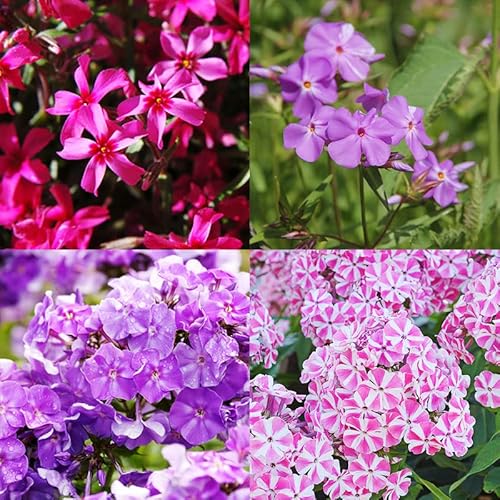
Tall garden phlox anchors countless Iowa perennial beds, and this value bag ships six pre-started roots across four cultivars: Blue Boy, David, Peppermint Twist, and Star Fire. That range delivers white, blue, and pink options without forcing a single-color commitment. Roots establish faster than seeds, so spring-planted starts often bloom the same year.
Deadheading spent flowers encourages a second flush in fall, stretching the color window across two seasons. You may find powdery mildew a concern in humid Iowa summers, so spacing for airflow keeps foliage healthier.
Key Advantages
- Four cultivars in one bag diversify the color palette
- Root starts establish faster than seed-grown perennials
- Deadheading can trigger a fall rebloom in healthy plants
- Classic cottage-garden character fits traditional Iowa landscapes
Where It Is Less Suited
- Humid summers invite powdery mildew on dense plantings
- Six roots limit total coverage for larger acreage
Perfect Match For
Gardeners seeking a familiar, dependable perennial with a fast track to first-season blooms.
Swap It Out When
The FAMILY SOWN Perennial Species Mix covers you better when you want a wide meadow rather than named-cultivar roots.
Rural Iowa yards near timber or field edges often face heavy deer browsing, and a deer-resistant wildflower mix is the simplest way to keep color without fencing every bed. BBB Seed tests each lot for germination and weed seed quality, which matters more than it sounds when you’re sowing open ground. The non-GMO, open-pollinated (naturally fertilized by wind and insects) blend favors perennial species that come back stronger each year.
One ounce covers a respectable starter patch, though large properties may need multiple packets or the bulkier Sweet Yards option. You may find that “deer resistant” still means “occasionally tasted” during dry years when deer sample everything available.
Where It Helps
- Non-GMO, open-pollinated seeds suit traditional gardeners
- Tested seed lots lower the risk of poor germination
- Curated deer-resistant blend protects rural plantings
- Perennial focus builds a stronger bed year over year
Points To Keep In Mind
- Heavy deer pressure can still damage young plants in drought years
- One-ounce packet suits modest beds, not full acreage
The Right Fit
Rural and suburban gardeners dealing with regular deer traffic who want a curated blend over guesswork.
Consider Something Else When
The SWEET YARDS Deer Resistant Wildflower Seed Mix fits better when you need over 15,000 seeds for large coverage.
Spec Overview
Billy buttons bring a quirky geometry to the perennial garden with tennis-ball-shaped yellow blooms perched on slender stems. The 1,000-seed count gives serious cutting-garden room, since dried arrangements and fresh bouquets both benefit from generous harvests. Drought tolerance makes this pick practical for sandy pockets or sunny strips where fussier plants struggle.
Craspedia thrives in full sun with well-drained soil, and established plants shrug off dry stretches better than most Midwestern perennials. You may find the unusual bloom shape takes a season to look full, since first-year plants often prioritize root growth over flower production.
What Makes Sense
- Unique spherical blooms add character to arrangements
- 1,000-seed count supports dedicated cutting beds
- Drought tolerance suits drier Iowa microclimates
- Pollinator-friendly for garden biodiversity
Practical Considerations
- Unusual look may not match traditional cottage-garden schemes
- First-year bloom output can be modest
- Needs sharp drainage to prevent root rot
Who Should Grab It
Cutting-garden hobbyists and arrangers who want conversation-starting blooms for fresh and dried displays.
Where A Sibling Pick Shines
The CZ Grain Mixed Hibiscus Seeds suit you better when oversized tropical blooms matter more than unusual shape.
Feature Snapshot
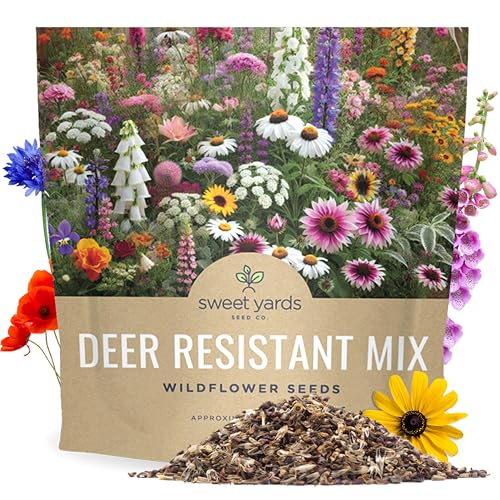
SWEET YARDS packs over 15,000 seeds into a single ounce, which translates to roughly 100 square feet of coverage and serious value per packet. The resealable zipper pouch keeps unused seed viable across multiple seasons, so you can split plantings between fall and spring without sacrificing germination. Non-GMO and open-pollinated traits appeal to gardeners committed to traditional seed sourcing.
For acreage-sized plots or ambitious meadow conversions, this density lets you sow confidently without rationing. You may find the broad species mix less curated than smaller boutique blends, so some trial-and-error with what thrives in your soil is normal.
Bright Spots
- Over 15,000 seeds per ounce covers generous areas
- Resealable pouch preserves seed across seasons
- Non-GMO and open-pollinated sourcing
- Deer-tolerant species reduce browse damage
- Strong fit for large or rural Iowa properties
A Few Limitations
- Broad species list means uneven performance by location
- First-year establishment varies with soil and rainfall
Built With In Mind
Landowners managing acreage, pollinator strips, or large naturalized plantings on a budget.
Not Your Match When
The BBB Seed Deer Resistant Wildflower Mix suits you better when a smaller, curated starter patch is the goal.
Picking Perennials That Thrive In Iowa Conditions
Iowa sits in USDA hardiness zones 4 through 6, and perennials must survive winter lows that occasionally drop below -20°F. Cold hardiness (a plant’s ability to endure freezing temperatures without dying) is the first filter, since a beautiful zone 7 plant simply won’t return after a harsh prairie winter.
Soil matters just as much. Heavy clay dominates much of the state, and drainage can suffocate roots during spring snowmelt. Perennials that tolerate clay or accept amended beds tend to outperform moisture-sensitive picks. Sun exposure shapes the next decision, since a south-facing slope bakes in summer while a north-side border stays cool and damp.
Mature size and spread prevent overcrowding two seasons later. Sprawling perennials in tight beds invite powdery mildew and root competition, so matching plant scale to bed size keeps the garden healthier. Pollinator value and deer resistance matter in rural yards, where browsing pressure can wipe out unprotected plantings overnight.
Picking Smarter Before You Order
Mistakes Worth Dodging
Sowing perennial seeds in unprepared soil is the most common early-season regret, since weeds compete fiercely during the slow germination window. Clear the bed, loosen the top few inches, and remove perennial roots before scattering seed. Skipping the zone check ranks second, because a gorgeous catalog photo won’t help if the plant dies in February.
What Separates Premium From Basic
Premium perennial seeds typically show higher germination rates, more recent harvest dates, and curated species blends rather than catch-all mixes. The upgrade pays off for gardeners who want reliable first-year establishment and color the second season. Budget blends still work, but expect variable results and a longer wait for the bed to fill in.
Frequently Asked Questions
When is the best time to plant perennials in Iowa?
Fall and early spring are the strongest windows, since cool soil and steady moisture support root development before summer heat. Fall plantings typically establish stronger root systems for the following year.
Do perennials really come back every year?
True perennials regrow from their root systems each spring after going dormant in winter. Annuals complete one lifecycle and need replacement, so check the seed packet or product description for confirmation.
How do I protect perennials from deer?
Deer-resistant species reduce browsing but don’t eliminate it, so physical barriers or repellents help during peak pressure. Mixing resistant plants with fencing for young specimens is the most reliable approach.
Can perennials grow in clay soil?
Many perennials tolerate clay, though they struggle in waterlogged conditions. Adding compost at planting time improves drainage and root health for the first few seasons.
How long until perennials bloom from seed?
Most perennials focus on root development in year one and bloom more heavily in year two. Root starts and plugs shorten that timeline, often producing flowers the same season they are planted.
Final Verdict
Iowa perennial gardens reward gardeners who match plant hardiness to local winters and clay-heavy soil. Seed mixes like FAMILY SOWN and SWEET YARDS suit large-scale naturalizing, while root starts like Willard & May Tall Phlox bring faster color. Pick the option that fits your bed size, sun exposure, and patience for the second-season payoff.
