

Minnesota gardens live a tough life. Winters plunge well below zero, late frosts punish early starters, and summer can swing from damp to dry in a single week. Picking plants that come back year after year without constant fuss makes the difference between a garden you enjoy and one you constantly rescue.
The picks below mix live-root plant starts, seed mixes built for tough climates, and reference books written by people who actually garden in the Midwest. Whether you want to scatter wildflower seed across a sunny slope, plug in colorful phlox, or learn how to plan a season from snowmelt to first snowfall, there is a strong option here.
A Closer Look At The Lineup

Outsidepride Sweet William Dianthus Seeds, 1/4 Lb.

Perennial Ceremony: Lessons and Gifts from a Dakota Garden

BBB Seed Drought Tolerant Wildflower Seeds Mix, 4 oz
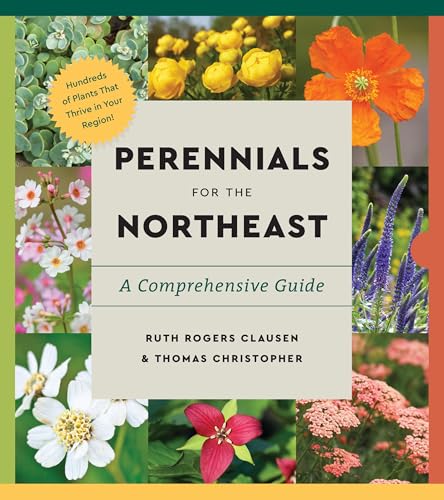
Perennials for the Northeast: A Comprehensive Guide
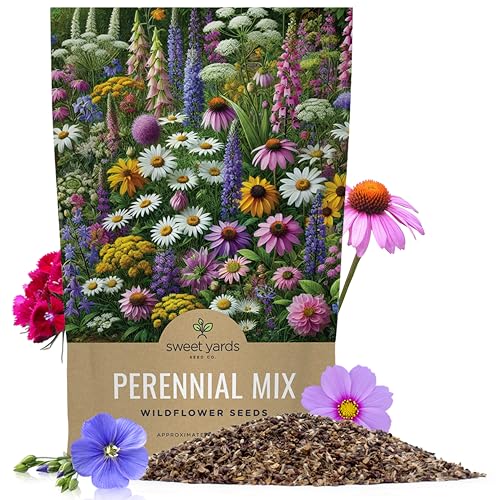
Sweet Yards Perennial Wildflower Seeds Mixture, 1 oz

Month-by-Month Gardening in Minnesota by Melinda Myers
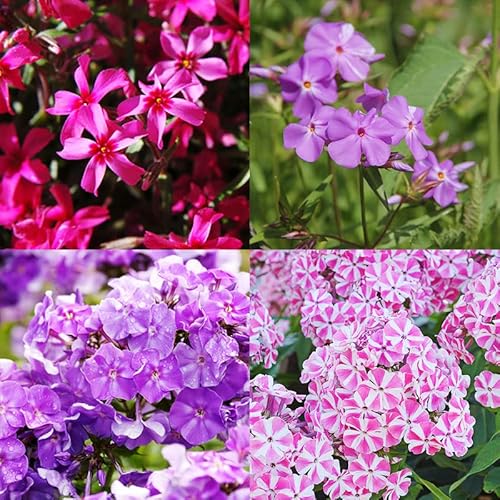
Willard & May Tall Phlox Mix Value Bag, 6 Roots

Best Perennials for Sun and Shade by Houghton Harcourt
Meet The Standout Selections
Sweet William is one of those cottage-garden classics that handles Minnesota winters with surprising grit, and this 1/4-pound packet gives you a generous amount of seed to work with. Dianthus barbatus sends up flat clusters of fragrant, often bicolor blooms in late spring to early summer, and the flowers carry a clove-like scent you can actually smell from a few feet away.
For most yards, the seed scatters easily over a prepared bed, germinates reliably with cool soil, and then comes back stronger the second year. Compared with the all-purpose wildflower mixes later in this list, this one focuses on a single species, so the color block stays cohesive rather than patchy.
What Helps Most
- Clove-scented flowers good for cutting and bringing indoors
- Hardy across a wide range of climates, including cold zones
- 1/4-pound packet covers a meaningful patch of bed
- Reliable pollinator draw for bees and butterflies
- Biennial tendency creates natural reseeding in following years
Worth Noting
- Single-species focus means less variety than a true mix
- Flowers mainly on second-year plants, so first-year beds look mostly green
- Heads benefit from deadheading to extend bloom, which adds routine care
Who Will Love This
Gardeners who want a fragrant, traditional cottage flower and don’t mind waiting a season for the showiest display.
Look Elsewhere When
You’d rather scatter a broad mix of species at once, in which case the Sweet Yards Perennial Wildflower Seeds Mixture covers more ground with one pass.
This Kindle eBook takes a different path than a typical plant catalog. Teresa Peterson draws on Dakota relationships with native plants, weaving cultural context, traditional uses, and personal story into the same pages where she lists species worth growing.
For Minnesota gardeners specifically, the regional framing matters. The book leans into plants that already thrive here rather than species you’d have to coddle, and the native-plant angle complements the broader wildflower mixes covered elsewhere in this list. You won’t find a planting calendar, but you will pick up names and uses that pure horticulture guides rarely mention.
Why It Works Well
- Regional focus on plants suited to Dakota country and Minnesota
- Blends botany with Indigenous knowledge, broadening how you choose plants
- Kindle format reads cleanly on phone, tablet, or computer
- Useful as a thoughtful gift for someone starting a native garden
Trade Offs
- Not a how-to manual, so beginners still need a planting reference alongside it
- Limited species coverage compared with broader field guides
- Digital-only format, no print pages to mark up
Right Fit For
Readers who want a cultural and regional lens on native plants rather than a pure horticultural manual.
Swap It Out When
You want plant-by-plant growing specifics for the whole season, in which case Melinda Myers’ Month-by-Month Gardening in Minnesota is the more practical shelf mate.
Minnesota summers can swing from wet June to parched August in a hurry, especially on south-facing slopes and sandy soil. This 4-ounce wildflower mix is built for exactly that kind of stress, blending annuals and perennials selected for dry conditions once established.
Where Outsidepride’s Sweet William leans into one fragrant species, this Beauty Beyond Belief mix trades depth for breadth. You get a moving color show across seasons rather than one peak window, and the open-pollinated, non-GMO seed line gives pollinators a steady buffet. For most dry, neglected corners of a yard, the mix is an honest starting point.
Strengths Worth Knowing
- Curated for drought tolerance and dryland resilience
- Mix of annuals and perennials gives first-year color and future return
- Open-pollinated, non-GMO seed line
- Strong pollinator value across multiple species
Small Caveats
- First-year germination depends on consistent moisture during establishment
- Exact species list varies by lot, so don’t expect the same bloom every season
- Sandy or compacted soil benefits from light amendment before sowing
Key Specs
Best Suited To
Gardeners dealing with sandy soil, sunny slopes, or any patch that dries out fast through July and August.
Consider Something Else When
You want a single uniform species for a tight color scheme, where Outsidepride Sweet William gives you more control over the look.
Ruth Rogers Clausen’s guide covers a wider region than Minnesota alone, yet the climate overlap is strong enough that most species profiles still apply to gardens across the Twin Cities, the North Shore, and the southern prairies. You get detailed entries on growth habit, light needs, bloom time, and maintenance.
Compared with the more story-driven Perennial Ceremony, this is a working reference. Beginners sometimes feel buried by the volume of entries, but anyone planning a multi-season border benefits from being able to flip to a specific plant and pull its requirements in seconds. The Kindle format makes it easy to search by plant name while standing in a garden center.
What Makes Sense
- Wide plant catalog with detailed species entries
- Climate overlap with most of Minnesota’s hardiness zones
- Searchable Kindle format works well in the garden
- Useful across multiple growing seasons as a planning reference
Points To Keep In Mind
- Not Minnesota-specific, so local timing still needs cross-referencing
- Volume of species can overwhelm a true beginner
- Digital-only edition, with no printed pages for sketching layouts
Made For
Gardeners building a long-term perennial plan who want a deep plant-by-plant reference at their fingertips.
Skip It When
You’d rather read something shorter and region-specific, in which case Melinda Myers’ Month-by-Month Gardening in Minnesota stays closer to local timing.
For a broad sweep of color, Sweet Yards packs a meaningful seed count into a single ounce, with over 15,000 pure live seeds according to the listing. The mix leans on open-pollinated, non-GMO perennials, so the stand you establish in year one tends to thicken on its own in years two and three.
The draw here is volume and diversity. Where the BBB drought mix targets a specific stress condition, Sweet Yards covers a wider ecological brief, which suits gardeners planting a larger pollinator plot or filling in a sunny back corner. Depending on your soil, you may find germination heavier in some species than others, which is normal for any mixed packet.
Benefits That Matter
- Large seed count for the price of a single ounce
- Perennials come back year after year with minimal replanting
- Open-pollinated, non-GMO seed line for pollinator gardens
- Suited to large sunny plots and meadow-style plantings
Honest Caveats
- First-year bloom display depends heavily on sowing timing and rainfall
- Mixed packets rarely list exact ratios, so you can’t pre-plan colors
- Some species may dominate in certain soils
Quick Facts
Perfect Match For
Gardeners with a sunny open patch who want a low-fuss meadow look rather than a tightly curated border.
Reach For A Different Pick When
You’d rather start with rooted plants in hand than seed, where the Willard & May Tall Phlox Mix gives you established starter plants instead.
Myers’ book does the most useful thing a regional guide can do: it ties every task to a specific month in Minnesota. When to prune, when to divide, when to start seed indoors, when to expect last frost in the Twin Cities versus Duluth, all of it lands in calendar form.
Compared with Clausen’s broader reference, this is a working calendar, not a plant encyclopedia. For most new gardeners, that focus actually helps more than an exhaustive species list. The trade-off is that some plant entries are necessarily short, but the seasonal logic carries the book.
What Stands Out
- Minnesota-specific monthly task calendar
- Trusted Midwest gardening voice in Melinda Myers
- Useful for both beginners and returning gardeners refreshing routines
- Complements seed and plant purchases with timing guidance
Worth Bearing In Mind
- Older publication date means newer cultivars may not appear
- Plant-by-plant detail is lighter than in encyclopedia-style guides
- Print format can show wear with regular outdoor reference use
Who Should Grab It
New Minnesota gardeners who need a regional calendar more than they need a deep plant encyclopedia.
Not Your Match When
You already know your local timing and want richer species entries, where Ruth Rogers Clausen’s Perennials for the Northeast is the better fit.
Tall garden phlox is one of the most dependable summer-blooming perennials in northern climates, and this value bag ships six rooted starts in a coordinated color mix: Blue Boy, David, Peppermint Twist, and Star Fire. Spring planting gives the roots a full season to settle before the next Minnesota winter.
The trade-off versus seed is immediacy. Instead of waiting a season for blooms, you plant once the soil warms and watch the clumps establish over summer, with a possible rebloom in fall if you deadhead. Compared with Sweet Yards’ seed packet, this one costs more per plant, yet you skip the germination gamble entirely.
The Good Stuff
- Six rooted starts with named cultivars for predictable color
- Tall phlox is a cold-hardy summer workhorse
- Rebloom potential in fall with regular deadheading
- Spring-planted timing suits Minnesota’s short growing window
Points To Note
- Six roots covers a modest starter border, not a full bed
- Tall phlox benefits from good airflow to reduce mildew in humid spells
- Live plants need watering in the first weeks, unlike scattered seed
Quick Technical Notes
Built With In Mind
Gardeners who want named, rooted cultivars in hand rather than the slower gamble of seed sowing.
A Better Fit Elsewhere
You’d prefer a wider species spread from one packet, in which case Sweet Yards Perennial Wildflower Seeds Mixture gives you far more diversity per dollar.
This Home Grown Gardening volume from Houghton Mifflin Harcourt is aimed squarely at people who have never built a perennial bed before. The Kindle format keeps the price low, and the writing style is plain-spoken without dumbing down the plant choices.
The sun-and-shade framing helps you match plants to the conditions you actually have. Rather than forcing one design, the book walks through what works in bright spots and what works in darker corners. Compared with Clausen’s reference, this is shorter and friendlier, which suits a first-year gardener far better than a wall of botanical detail.
Useful Highlights
- Plain-language introduction for true beginners
- Sun and shade coverage helps match plants to real conditions
- Low-maintenance emphasis suits busy gardeners
- Affordable Kindle edition
Things To Weigh
- Less depth than dedicated regional references
- Not Minnesota-specific, so timing still needs local adjustment
- Digital format only, no print copy for marking up
Whose Shelf It Belongs On
First-time perennial gardeners who want a friendly starting point before graduating to a deeper regional guide.
Where Another Pick Suits Better
You want Minnesota-specific timing built in from the start, in which case Melinda Myers’ Month-by-Month Gardening in Minnesota is the more practical companion.
Planning A Perennial Garden That Survives A Minnesota Winter
Hardiness zone matters more than wishful thinking in this state. Most populated areas fall into USDA zones 3 through 5, which means plants must tolerate deep cold, late frosts, and heavy snow loads. Anything labeled for warmer zones is a gamble at best.
Sun exposure drives species choice just as much as cold tolerance. A south-facing slope that bakes in July needs the drought-tolerant picks from this list, while a shaded north side wants woodland species that sulk in direct sun. Soil type is the third leg of the stool: sandy soils drain fast and lean dry, while clay holds water and stays cold longer in spring.
For beginners, starting with rooted plant starts in spring buys you a season of head start over scattered seed. Seed mixes reward patience and a prepared bed, and they shine in larger plots where a single species would look monotonous. Reference books earn their keep when planning a multi-season border rather than a one-off purchase.
Key Considerations Across These Picks
Mistakes Worth Dodging
Planting by wishlist rather than by site is the most common error. Choosing sun species for a shade pocket, or moisture-lovers for a sandy slope, sets you up for steady disappointment. Match the plant to the existing conditions first, then refine by color and bloom time.
Another slip is buying based on a pretty catalog photo without checking mature size. A tall phlox planted at the front of a border crowds out everything behind it by August. Always read the spread and height, and space accordingly on day one.
Where The Extra Money Goes
Higher-tier picks on a list like this tend to buy named cultivars instead of mixed seed, larger root masses, or live plants already past the germination gamble. That translates to faster visible results, more predictable color, and a better first-year show. The upgrade is worth it for a small, visible front bed; it’s less critical for a back meadow where time and diversity matter more than polish.
Frequently Asked Questions
What USDA zone is most of Minnesota in? Most populated regions fall into zones 3 through 5, with colder pockets along the Canadian border and warmer zones in the southeast. Hardiness zone drives which perennials reliably return each year.
When should you plant perennials in Minnesota? Spring after the last frost and early fall are the two main windows. Fall planting works well because roots establish while the soil is still warm, then go dormant for winter with a head start on next year.
Are seed mixes or live plants better for beginners? Live plants give you a faster, more predictable first season, while seed mixes cost less and cover larger areas. For a small starter bed, live plants like the Tall Phlox Mix are easier; for a meadow-style plot, seed packets like Sweet Yards make more sense.
Do perennials need mulch in Minnesota? A layer of mulch helps regulate soil temperature and moisture through freeze-thaw cycles, especially for newly planted stock. Two to three inches around the crown, kept away from direct contact with stems, is a common approach.
How long until a perennial bed looks full? Most perennials take two to three growing seasons to reach their mature spread. Year one is largely about root establishment, year two brings stronger bloom, and year three is when the bed usually starts looking the way you pictured it.
The Takeaway
Minnesota perennials reward patience and site-aware choices more than impulse buys. Match the plant to your zone, sun, and soil first, then layer in color and bloom timing. The picks above cover seed, roots, and reference knowledge so you can build a bed that comes back stronger every year, no matter how rough the winter gets.
