

Missouri gardens ask a lot of any plant. Hot humid summers, freezing winters, clay-heavy soils, and the occasional hungry deer all conspire against anything tender. Perennials thrive here precisely because they handle those swings year after year, and the right seed mix, root start, or reference guide can turn a struggling bed into a reliable summer show. The list below covers the seeds, bulbs, starts, and books that handle Missouri’s quirks well, from deer-prone rural plots to small suburban borders.
A Side-By-Side Look

The Well-Tended Perennial Garden: Planting and Pruning Techniques, Third Edition

Perennial Species Mix – Large 5g Envelope – 2,500 Flower Seeds

Marde Ross & Company Russell Lupine Seeds Perennial – 100 Mixed Seeds
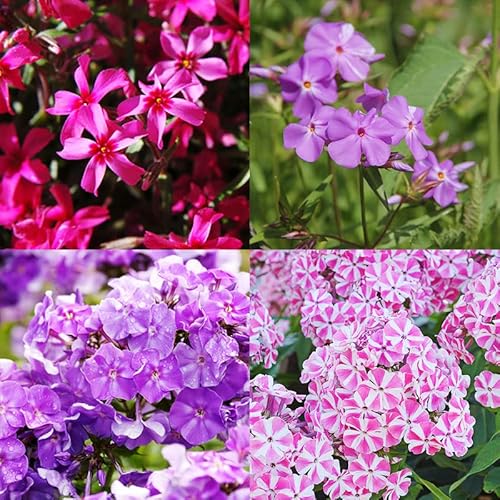
Tall Phlox Mix Value Bag – 6 Roots/Plant Starts

BBB Seed Deer Resistant Wildflower Seeds Mix, NonGMO Perennial Flowers 1 oz
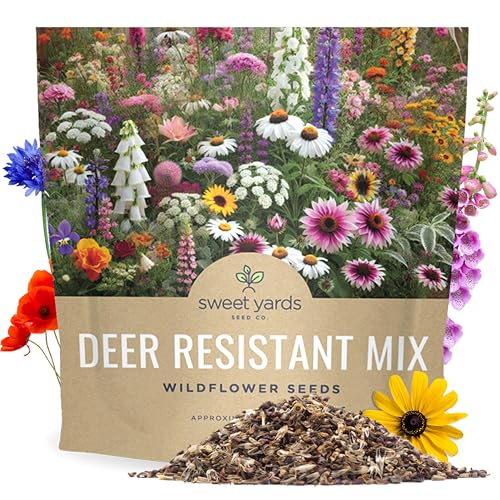
Deer Resistant Wildflower Seed Mixture – 1 Ounce, 15,000+ Seeds

50 Beautiful Deer-Resistant Plants: Annuals, Perennials, Bulbs, and Shrubs

Purple Blazing Star – 5 Fresh Bulbs – Liatris Spicata
Meet The Standout Selections
Tracy DiSabato-Aust’s updated guide is the kind of book you keep on the potting bench rather than the shelf. It walks through how to plant, divide, and prune perennials so they keep blooming strong, which matters in Missouri where summer heat and clay soil punish neglected beds. For a newcomer laying out their first border, the practical diagrams and maintenance timelines remove a lot of guesswork.
Unlike the seed packets below, this is reference material you read once and consult often. Owners commonly report using it to decide when to cut back, when to divide, and how to handle specific species that struggle in heavy soils.
Where It Excels
- Detailed pruning timing for dozens of species, so you know exactly when to cut back in your USDA zone
- Covers planting depth, spacing, and soil prep with diagrams beginners can follow
- Trusted by home gardeners and horticulture students for over two decades
- Helps diagnose common perennial problems before they ruin a season
Things To Consider
- Digital Kindle format means no quick page-flipping during muddy garden work
- Length and density may overwhelm someone who just wants a quick plant list
Key Specs
Built With In Mind
First-time perennial designers who want a trusted reference before buying seeds or roots.
Consider Something Else When
Shoppers looking for actual plants should skip this and head to the FAMILY SOWN Perennial Species Mix for a more hands-on start.
FAMILY SOWN’s 5-gram envelope holds roughly 2,500 live seeds designed to cover about 20 square feet, which suits a small front-yard strip or a starter meadow patch. The mix favors hardy perennials that come back year after year, so the upfront work pays off across multiple seasons rather than just one. Compared to a book like the Well-Tended Perennial Garden, this is the dirt-under-fingernails complement that gets plants in the ground.
For Missouri gardeners dealing with unpredictable spring rains, a perennial blend helps establish roots that survive summer without constant watering.
The Practical Payoff
- 2,500-seed count gives a dense planting without breaking the budget
- Perennial focus means one sowing keeps returning each year
- Coverage estimate of 20 square feet suits modest urban or suburban beds
- Wildflower style suits informal borders and naturalized areas
Trade Offs
- No image available, so visual planning requires research on your own
- Species-specific contents are not broken down on the listing, leaving variety a bit of a mystery
Whose Garden It Belongs In
Budget-conscious gardeners filling a small border who want long-term color from one sowing.
Look Elsewhere When
Those needing a specific native like blazing star will get more reliable results from the Marde Ross & Company Purple Blazing Star corms.
Russell lupines send up 36-48 inch flower spikes studded with pea-like blooms in purple, pink, and blue, which adds the kind of vertical interest most flat wildflower mixes lack. Marde Ross & Company keeps these seeds refrigerated for freshness, and the packet contains about 100 untreated seeds. Hardy in zones 3 through 9, lupines slot comfortably into Missouri’s range.
Where the FAMILY SOWN blend spreads outward, this one reaches upward, which makes it the right pick for the back of a border or the center of a circular bed.
Useful Highlights
- Vertical height up to 48 inches adds structure to flat plantings
- Fall or early spring sowing fits typical Missouri planting windows
- Refrigerated storage helps preserve germination potential
- Hardy across a wide zone range, including Missouri
Points To Note
- Germination takes 14 to 30 days, so patience is required
- Lupines prefer well-drained soil and may sulk in heavy clay without amendment
- Only 100 seeds, so large sweeps will need multiple purchases
Made For
Gardeners wanting dramatic vertical accents and willing to amend clay soil for better drainage.
A Better Fit Elsewhere
If vertical drama in a ready-to-plant form appeals more, the Willard & May Tall Phlox Mix gives instant height from roots rather than seeds.
Willard & May’s value bag ships six live roots representing four named cultivars: Blue Boy, David, Peppermint Twist, and Star Fire. Tall garden phlox is a summer-blooming staple that handles Missouri humidity well, and a second flush can show up in fall if you deadhead after the first round fades. Roots skip the germination gamble of seeds, so you see blooms sooner.
Unlike the Marde Ross & Company lupine seeds, these arrive ready to plant, which suits gardeners who want visible results the first season.
Noteworthy Benefits
- Four named cultivars provide color range from one purchase
- Live roots establish faster than seed-grown phlox
- Rebloom potential with simple deadheading extends the season
- Tolerates the heat and humidity typical of Missouri summers
Honest Caveats
- Phlox can develop powdery mildew in humid conditions, so airflow matters
- Spring-planted timing means first-year bloom depends on early installation
Best Match For
Cottage-border enthusiasts who want named cultivars and a strong first-year display.
Reach For A Different Pick When
Deer-heavy properties should consider the BBB Seed Deer Resistant mix instead, since phlox is more vulnerable to browsing.
Beauty Beyond Belief has supplied open-pollinated, non-GMO wildflower seed since 1985, with every lot tested for germination and weed content. This particular blend targets species deer typically avoid, which is a meaningful concern across much of Missouri where whitetail populations browse aggressively. The 1-ounce packet suits mid-size beds where you want a curated, dependable blend.
Compared to the generic FAMILY SOWN mix earlier, this one trades species diversity for deer deterrence, which can matter more in rural settings.
Reasons It Performs
- Curated deer-resistant species reduce browsing losses
- Each seed lot is germination tested before shipping
- Open-pollinated and non-GMO for seed savers
- Trusted supplier with decades of operation
Soft Spots
- Per-packet coverage is modest, so large meadows need multiple packets
- “Deer resistant” is a deterrent, not a guarantee, in high-pressure areas
Quick Facts
Right Fit For
Rural and suburban gardeners who battle regular deer visits and want perennials that hold up.
Swap It Out When
Shoppers needing the largest possible seed count for big acreage should look at the SWEET YARDS bulk packet instead.
SWEET YARDS stuffs more than 15,000 seeds into a 1-ounce resealable pouch, enough to cover roughly 100 square feet. The packaging includes planting instructions and photos, which helps beginners avoid common sowing mistakes. Like the BBB Seed option, this blend leans on species deer typically pass over.
Where BBB Seed targets a mid-size bed, SWEET YARDS handles the larger meadow-style sowings that suburban lots or rural edges often demand.
Real-World Strengths
- 15,000+ seed count covers a generous 100 square feet
- Resealable pouch keeps unused seeds viable for next season
- Open-pollinated and non-GMO for sustainable gardening
- Printed planting guide simplifies first-time sowing
A Few Limitations
- Image not available on the listing, so visual planning is limited
- Exact species mix is not itemized in source materials
Who Should Grab It
Meadow-minded gardeners converting lawn edges or large beds into wildflower drifts.
Skip It When
If you want a printed reference alongside your seeds, the Clausen book on deer-resistant plants pairs well with any seed choice.
Ruth Rogers Clausen’s guide catalogs 50 attractive plants that deer tend to leave alone, organized across annuals, perennials, bulbs, and shrubs. The book serves as a planning resource more than a planting manual, which suits gardeners sketching out a whole property rather than grabbing a quick packet. Like the DiSabato-Aust title earlier, this is a Kindle format built for searching and on-the-go reference.
You can pair this with any of the seed mixes above to design a layered planting that mixes color, height, and bloom timing.
Bright Spots
- 50 plant profiles cover a broad design palette
- Includes bulbs and shrubs, expanding beyond typical perennial references
- Photographs help match plants to aesthetic preferences
- Useful for planning deer-resistant layouts before buying
Points To Keep In Mind
- Digital format means no tactile browsing during a nursery visit
- Focuses on plant selection rather than planting technique
Perfect Match For
Design-oriented gardeners planning a full-property deer-resistant scheme from scratch.
Not Your Match When
Shoppers wanting physical seeds to plant immediately should choose a seed mix like the SWEET YARDS packet instead.
Liatris spicata, also called blazing star or gayfeather, sends up velvety purple flower spikes from grass-like foliage, reaching about 40 inches at maturity. Marde Ross & Company stores these corms in refrigerated conditions to preserve freshness, and the packet ships five large-sized corms. Native to much of the central U.S., blazing star is right at home in Missouri soil.
Unlike the Russell lupine seeds from the same supplier, these are corms that skip the germination phase and head straight into growth.
Notable Gains
- Native species adapted to Missouri’s climate and soils
- Vertical purple spikes add pollinator-friendly summer color
- Refrigerated corm storage preserves planting vigor
- Suited to borders, natural gardens, and fresh-cut arrangements
Some Limits To Know
- Five bulbs per pack limits how much ground you can cover at once
- Corms need well-drained soil and dislike waterlogged winter spots
Feature Snapshot
Who Will Love This
Native-plant enthusiasts wanting pollinator support and a strong vertical element in prairie-style beds.
Where A Sibling Pick Shines
If you want quick coverage across more square footage, the SWEET YARDS seed mix spreads further per purchase.
Choosing Missouri-Smart Perennials That Actually Thrive
Missouri sits across USDA zones 5b through 7a, with humid summers reaching the 90s and winters that dip below zero in the north. That swing matters because perennials must tolerate both extremes, and clay-heavy soils add another layer. Plants that thrive in well-drained loam can rot in a wet Missouri low spot by February.
Hardiness zone is the first filter. Pick perennials rated to zone 5 or lower if you’re north of I-70, and zone 6 or lower if you’re in the Bootheel. Native and nativar selections handle local pests, soil, and rainfall patterns with less babysitting. Liatris, butterfly weed, coneflower, and black-eyed Susan all qualify, and they support pollinators that imported ornamentals often miss.
Deer pressure is the second filter in much of rural and suburban Missouri. No plant is fully deer-proof, but species with strong aromas, fuzzy leaves, or toxic profiles tend to get passed over. Reading a dedicated deer-resistant reference helps you design layered beds rather than relying on one defensive species to do all the work.
Sun exposure and moisture round out the practical checks. A “full sun” plant in partial shade produces fewer flowers and weaker stems, while a moisture-loving species in a dry bed struggles through August. Match the plant to the spot, not the other way around.
Finally, think about bloom timing. Combining early, mid, and late-season perennials keeps the bed interesting from April through October and supports pollinators across the whole growing window.
Key Considerations Across These Picks
Pitfalls Shoppers Hit
Buying a beautiful bloom without checking the mature size is a common miss. A two-foot lupine spike looks modest in a pot but towers over a one-foot front-border plant beside it, which can shade out shorter neighbors. Always check the spread and height figures before you commit to placement.
Sowing wildflower seeds without clearing competing grass is another frequent stumble. Existing turf and weeds steal light, moisture, and nutrients from young perennials, so a clean seedbed improves results dramatically.
Where The Extra Money Goes
Premium seed packets and named cultivars cost more because suppliers test for germination, screen for weed seeds, and often store stock in climate-controlled conditions. For a small bed you may not need that level of quality, but for a large meadow or a curated cottage border, the extra reliability shows up in thicker germination and more uniform bloom.
Frequently Asked Questions
What perennials come back every year in Missouri?
Hardy perennials rated to USDA zones 5 through 7 reliably return each year in Missouri, including coneflowers, black-eyed Susans, blazing star, daylilies, and tall garden phlox. Native species tend to handle local weather swings with the least intervention.
When should I plant perennials in Missouri?
Fall planting from mid-September through early October gives roots time to establish before winter freeze. Spring planting from late March through early May also works, though fall-sown perennials often bloom more vigorously the following year because their root systems have had longer to develop.
Do I need to amend Missouri clay soil for perennials?
Most perennials benefit from at least some amendment in heavy clay, especially deep-rooted species like lupines. Working in two to three inches of compost at planting time improves drainage and gives roots a friendlier start without rebuilding the whole bed.
Are deer-resistant perennials truly safe from deer?
No plant is fully deer-proof. “Deer-resistant” means deer typically pass it over in favor of tastier options, but hungry deer in high-pressure areas may sample anything. Rotating species and using physical deterrents in tandem improves long-term success.
Can I grow perennials from seed in Missouri?
Yes, many perennials grow well from seed in Missouri, though some take two seasons to bloom. Starting with refrigerated, tested seed and sowing in fall or early spring gives the strongest results for most home gardeners.
Final Verdict
Missouri perennial gardening rewards plants that match the climate, the soil, and the local wildlife pressure. A thoughtful mix of seeds, roots, bulbs, and a solid reference guide gives you a bed that fills in year after year without constant replacement. Start with what suits your site, layer bloom times, and let the natives do the heavy lifting wherever you can.
