

Nebraska sits in USDA hardiness zones 4 through 6, which means perennials here need to handle frigid winters, gusty winds, and the occasional summer drought. Picking the wrong plant wastes a season and a packet of seed. This roundup focuses on options that actually thrive on the Plains, from native plant guides that teach you which species belong here to seed mixes and individual varieties that have proven themselves in tough prairie conditions.
The Shortlist At A Glance

The Midwest Native Plant Primer
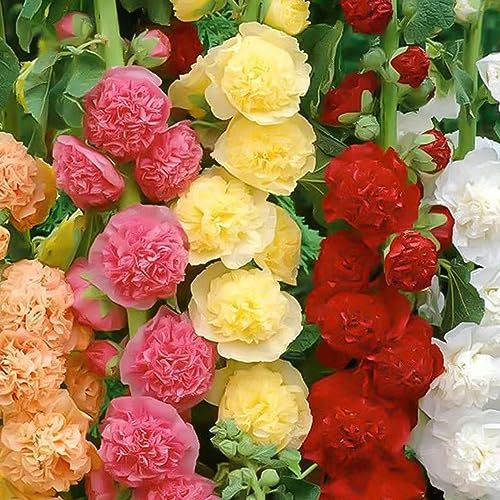
VISTATU Hollyhock Carnival Mix Seeds

KCT Garden Lisianthus Mixed Seeds
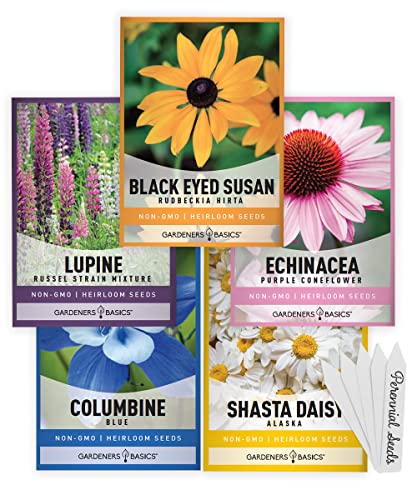
Gardeners Basics Perennial 5-Variety Set

Month-by-Month Gardening in the Prairie Lands

Eden Brothers Perennial Pollinator Mix
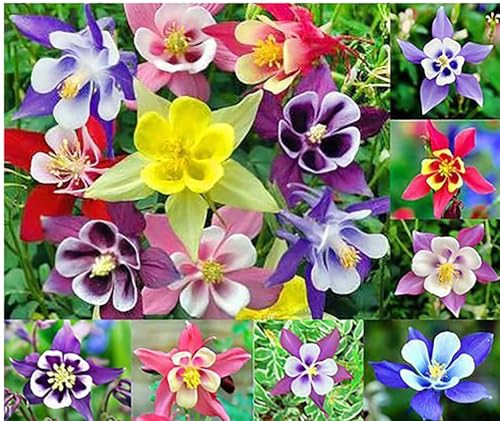
Marde Ross McKana Giant Columbine Seeds
More Details On Our Top Picks
Anyone new to Nebraska gardening often picks plants that look pretty in the catalog and then watches them struggle through their first February. This Kindle eBook covers 225 native species suited to the Upper Midwest, which translates well to most of Nebraska’s hardiness range. The format works as a reference: read the chapters that match your site, then circle back as your beds fill in. You keep the book on any device, so it travels to the garden center without taking up shelf space.
Because the recommendations are native to the region, the plants tend to handle local clay soils, wind, and temperature swings without coddling. For a first-time perennial gardener, that built-in resilience matters more than flower color or frill. You can spend a season learning what blooms when before committing to expensive nursery stock.
Strengths Worth Knowing
- Profiles 225 native species, giving you depth rather than a single recommendation list
- Region-specific advice that applies to Nebraska’s prairie climate
- Kindle format fits in a pocket, helpful when shopping for plants in person
- Earth-friendly focus aligns with pollinator and soil-health goals
Worth Noting
- Digital format means no quick thumb-through of pages during planning
- Reading 225 plant profiles takes real time before you ever break soil
Whose Shelf It Belongs On
This guide belongs on the device of a first-year Nebraska gardener who wants a reliable native-plant reference before buying seeds or starts.
Skip It When
Experienced gardeners who already grow coneflower, milkweed, and native grasses may prefer the seed mix from Eden Brothers for hands-on planting this season.
Hollyhocks bring the tall, old-fashioned look that softens a fence line or hides a utility box. This Carnival Mix packet from VISTATU contains over 350 seeds of double-flowered mallow in mixed colors. Mature plants reach around 50 inches, with blooms roughly 4 to 5 inches across. You plant them in late summer or hold the seed for spring, then expect germination within about a week under warm soil conditions.
The trade-off is patience: hollyhocks typically spend their first year building roots and only flower the following season. In Nebraska, that means a quiet 2026 planting and a dramatic 2027 reveal. The seed travels well in tear- and moisture-resistant packaging, so storage between seasons is straightforward.
Everyday Advantages
- Generous seed count lets you scatter plants along a long border
- Double-form flowers create a fuller, more dramatic bloom than single hollyhocks
- Plants thrive in full sun, which matches most Nebraska exposures
Trade Offs
- Biennial blooming pattern means no flowers the first year after sowing
- Tall stalks may need staking in open prairie sites that catch wind
Feature Snapshot
Made For
Owners of older Nebraska homes with picket fences or outbuildings who want a traditional cottage look along the property edge.
Reach For A Different Pick When
People who want color the same season they plant should consider the Eden Brothers Perennial Pollinator Mix for faster first-year results.
Lisianthus (Eustoma grandiflorum) earns its “rose-like” reputation honestly. The petals unfurl slowly and hold their shape in a vase longer than almost any other perennial. This pack of 100 mixed-color seeds gives you the genetic variety needed for a real cutting garden rather than a single-tone bed. Nebraska growers can start them indoors before the last frost, then transplant once soil warms.
The honest read is that lisianthus is not the easiest perennial to start from seed. Germination is slow and the seedlings stay small for weeks, which frustrates gardeners used to fast annuals. You may find the effort pays off once the plants settle in and start producing those long, layered stems. If you’re patient and value cut flowers, the trade is reasonable.
Well-Handled Touches
- Mixed colors let you design bouquets with one seed packet
- Thornless stems simplify cutting and arranging
- Long vase life rewards gardeners who bring flowers indoors
Honest Caveats
- Slower germination than many perennial seeds
- Best results demand indoor starting before transplant, which adds equipment
Who Should Grab It
Cutting-garden enthusiasts in Nebraska who want elegant blooms for arrangements and don’t mind the extra seedling care.
Swap It Out When
Beginner perennial gardeners wanting easier first-season success may prefer the Gardeners Basics 5-Variety Set.
A multi-variety bundle saves you from picking five separate packets and trying to remember which seed goes where. This set includes Russell strain lupine, blue columbine, purple coneflower, Black-Eyed Susan, and Alaska Shasta daisy, each in its own labeled paper packet. The heirloom, non-GMO seed gives you a mix that draws pollinators and fills a flowerbed with overlapping bloom times.
For a Nebraska bed, that lineup checks the boxes: coneflower and Black-Eyed Susan handle drought, columbine handles partial shade, and lupine adds early-season color. Each variety grows at a different pace, so you won’t see uniform results. The trade-off is variety itself, since you can’t swap a variety out if one doesn’t suit your site.
Positive Takeaways
- Five individually labeled packets remove the planting-confusion factor
- Pollinator-friendly lineup keeps bees and butterflies visiting all summer
- Heirloom, non-GMO seed appeals to traditional gardeners
A Few Limitations
- Smaller per-packet quantities mean thinner coverage than single-variety packs
- No way to substitute a variety that fails in your specific soil
Quick Facts
Right Fit For
First-time perennial gardeners in Nebraska who want a balanced, labeled starter collection rather than a single species.
Look Elsewhere When
People with very specific color or height goals may prefer the Eden Brothers Perennial Pollinator Mix for broader bloom variety.
Most gardening books organize by plant, which leaves you flipping around trying to figure out what to do in April. Cathy Wilkinson-Barash flips that approach and organizes by month instead. For Nebraska and the broader prairie region, that timing maps directly to the work your beds actually need: division, mulching, planting, and cleanup all line up with specific windows.
Think of it as a working manual rather than a coffee-table read. You open it during the month you’re in, do the tasks, then close it. The structure suits gardeners who want a checklist approach more than narrative chapters.
Advantages To Know
- Month-by-month layout matches how Nebraska gardens actually run
- Prairie-region focus keeps advice specific to local climate
- Task-based format suits organized, planning-first gardeners
Soft Spots
- Older reference may lack the newest native cultivar recommendations
- Narrative style gives less plant-by-plant depth than a species primer
Best Suited To
Nebraska gardeners who like seasonal checklists and want their reading to match what the calendar demands.
A Better Fit Elsewhere
Readers seeking plant-specific native profiles may want The Midwest Native Plant Primer instead.
A quarter-pound of seed covers a serious patch of ground, which matters when you’re converting lawn into a wildflower strip. Eden Brothers’ Perennial Pollinator Mix targets USDA hardiness zones 3 through 10, so Nebraska falls comfortably inside that window. The 20-species blend includes coreopsis, coneflower, milkweed, bee balm, lavender, and others that bloom from summer into fall.
The mix favors full sun, and the species lean toward prairie-style plants that handle the state’s weather extremes. If your yard has a hot south-facing slope or a wide open patch, this packet feeds bees, butterflies, and hummingbirds without requiring daily care. The honest read is that mixed wildflower plantings always look uneven in year one as the faster species race ahead.
Useful Strengths
- Covers up to 300 square feet from a single packet
- Non-GMO blend with no filler species
- Bloom succession runs from summer into fall for extended pollinator forage
Possible Compromises
- Mixed wildflower beds look patchy early in the season
- Full-sun requirement rules out shady corners of the yard
Feature Rundown
Who Will Love This
Nebraska homeowners with large sunny patches who want a low-fuss pollinator planting that fills in year after year.
Consider Something Else When
Gardeners with small beds or partial shade should consider the McKana Giant Columbine Seeds for tighter, shadier spaces.
Most prairie perennials demand sun, which leaves shaded corners of a Nebraska yard feeling neglected. McKana Giant columbine fills that gap. Marde Ross & Company ships about 600 seeds of this hybrid columbine, which tops out around 32 inches tall and blooms in spring. It grows in USDA zones 3 through 9, so anywhere in the state works.
The seller has run a licensed California nursery since 1985, which signals real horticultural experience behind the seed. The flowers come in a range of colors typical of the McKana strain. Columbine self-sows politely, so a healthy planting tends to expand on its own over a few seasons without becoming a thug.
A Few Highlights
- Tolerates partial shade where many prairie perennials struggle
- Spring bloom fills a window before summer perennials take over
- Self-sowing habit expands the planting naturally year to year
Where It May Fall Short
- Bloom window is short compared with summer-long wildflowers
- Seedlings take patience, since columbine spends energy building a crown before flowering
Feature Card
Perfect Match For
Nebraska gardeners with tree-line beds or north-facing borders who want spring color without full sun.
Not Your Match When
People wanting summer-long color in open sun should consider the Eden Brothers Perennial Pollinator Mix instead.
What Matters Most Before Choosing Perennials For Nebraska
Nebraska spans USDA hardiness zones 4 through 6, with colder pockets in the northwest and warmer zones in the southeast. Any perennial you buy must list a zone range that includes your specific zone, not just “the Midwest” in general. Plants that survive a zone 6 winter in southeast Nebraska may not survive a zone 4 winter near Valentine.
Sun exposure comes next. Most prairie-friendly perennials want full sun, meaning six or more hours of direct light. Shaded corners rule out species like coneflower and milkweed, which is where columbine earns its place. Soil type matters too: Nebraska clay holds water and demands drought-tolerant plants, while sandy soil in the Sandhills drains fast and supports a different native palette.
Bloom timing shapes how your garden looks across the season. Early bloomers like columbine and lupine fill April and May, while coneflower, Black-Eyed Susan, and bee balm carry June through August. Mixing bloom windows keeps the bed interesting from spring into fall. For larger projects, a wildflower mix handles the timing for you at the cost of a more uniform appearance.
Smart Buying Notes Across These Picks
Mistakes Worth Dodging
Buying a seed packet without checking the hardiness zone is the most common misstep. A zone 7 plant won’t survive a Norfolk, Nebraska winter no matter how well you mulch it. Always match the zone range on the packet to your specific location. Ignoring sun requirements creates a second problem: shade-loving plants grown in full sun often survive but never bloom well.
When Paying More Pays Off
Larger seed packets from sellers like Eden Brothers cover more ground and include more species, which raises the price but lowers the risk of a single-species failure wiping out the planting. Books with regional focus cost more than generic gardening guides, yet save seasons of trial and error by steering you toward plants that already suit Nebraska. The upgrade makes sense for anyone planning a multi-year bed rather than a single-season experiment.
Frequently Asked Questions
When should I start perennial seeds in Nebraska?
Start warm-season perennials indoors six to eight weeks before the last frost date in your zone, or direct-sow after the final spring frost. Cold-hardy species like columbine and lupine can also be sown in late fall for natural stratification.
How long before perennials bloom from seed?
Most perennials spend their first season building roots and flower in year two. Hollyhocks and lupine typically follow this biennial pattern, while columbine may take a full year before producing its first blooms.
Do native perennials really handle Nebraska winters?
Yes, native species evolved with the region’s temperature swings and generally survive winters without extra protection. Non-native cultivars may need mulching in zone 4 areas to make it through the coldest weeks.
Can I mix perennials and wildflowers in the same bed?
You can, but match sun and soil needs across species. A pollinator mix and a clump of coneflower share similar requirements, while pairing full-sun wildflowers with shade-loving columbine creates maintenance problems.
How much seed do I need for a small backyard bed?
A 100-seed packet covers a small cluster, while a quarter-pound wildflower mix handles roughly 300 square feet. Measure your bed first, then match packet size to the actual area you want to fill.
Wrap Up
Perennials for Nebraska gardens reward patience, and the right starting material makes that patience pay off faster. Native-focused guides teach you which species belong here, mixed seed packets fill large spaces, and individual varieties like columbine or hollyhock anchor specific corners of your yard. Pick the option that matches your site conditions, your bloom goals, and the time you have to learn as you grow.
