

A bare patch of soil can feel like wasted space once you notice how few bees and butterflies pass through your yard. Perennials solve that problem in a way annuals never quite do, since they return on their own, deepen their root systems, and feed pollinators across multiple seasons. The picks below cover gardeners who want plug-and-play color, those starting from seed on a budget, and shoppers hunting for specific species like milkweed or wild bergamot.
The Lineup, Simplified
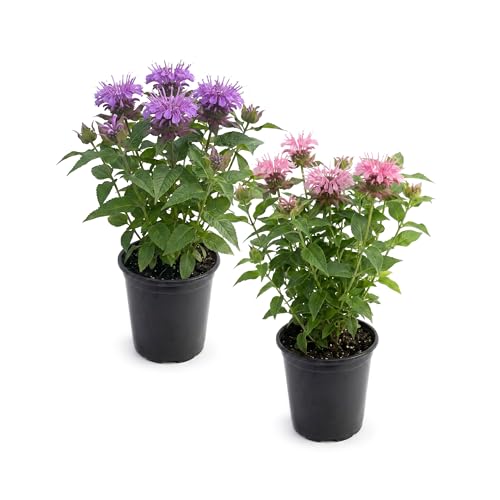
Bee Balm 2 Pack Pink Blooms Live Flowering Perennial

PLANTMEW 200,000+ Wildflower Seeds 16 Variety Perennial Mix

LUOJIBIE Wildflower Seeds Bulk 16 Variety Mix 2 Oz

Bee Balm Wild Bergamot Seeds for Planting 1 Pack

Wildflower Seeds Mix 30 Varieties with Milkweed for Monarchs
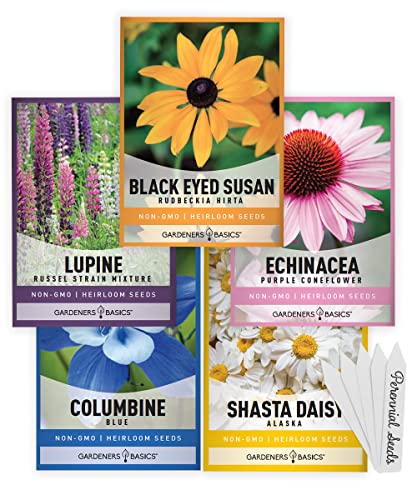
Gardeners Basics Perennial Flower Seeds 5 Varieties

Fruivity 200,000+ Wildflower Seeds Bulk 4oz 16 Varieties

Groundio 10000+ Johnny Jump Up Wild Violet Seeds
A Deeper Look At The Lineup
For gardeners who’d rather skip the germination gamble, this two-pack of live bee balm arrives already rooted in quart pots, roughly 10 inches tall and 4 inches wide at shipping. Pink bee balm is a North American native prized for its shaggy, firework-like blooms that draw bumblebees, hummingbirds, and swallowtails in midsummer, and the foliage carries a minty fragrance when brushed.
Planting season matters here. Soil that’s moist but well-drained and a full-sun bed will reward you with taller, fuller plants compared with a shaded corner. Because you’re buying established starts rather than seeds, you skip the seedling losses that frustrate first-time perennial growers.
What Helps Most
- Two established plants give you visual impact the first season instead of year-two waiting.
- Fragrant foliage doubles as a sensory garden feature beyond just the flowers.
- Native species status means strong adaptation to local pollinator populations.
- Quart-pot sizing simplifies transplanting without root disturbance.
Points To Note
- Mature spread runs 3 to 4 feet, so the two-pack needs elbow room to fill in properly.
- Container-grown bee balm may need hardening off before harsh sun exposure.
- Live plants require immediate planting attention, unlike seed packets that wait on your schedule.
Made For
Gardeners who want pollinator-ready color this season without starting from seed, particularly those working in established beds with room for spreading roots.
Consider Something Else When
Budget-focused shoppers covering a large area should look at the PLANTMEW seed mix for broader coverage at lower cost.
Where the bee balm pack trades seeds for instant plants, this PLANTMEW mix swings the other direction, offering a four-ounce packet of more than 200,000 heirloom (meaning traditionally saved, non-hybrid) seeds across 16 perennial varieties. The mix typically includes coneflower, Black-Eyed Susan, Blue Flax, and Shasta Daisy, four species with proven pollinator appeal across North American climates.
Coverage from a four-ounce packet is generous enough for sizable backyard projects, and the heirloom seed designation supports genetic diversity in your plantings. Compared with the smaller LUOJIBIE pack ahead, this option suits gardeners converting lawn space rather than filling a border.
What Works In Its Favor
- Sixteen varieties extend the bloom window across multiple seasons rather than concentrating flowers in one month.
- High seed count makes the per-square-foot cost far lower than plug plants.
- Heirloom genetics tend to produce stronger second-year returns.
- Species selection covers both short and tall growth habits.
Trade Offs
- First-year blooms stay limited since perennials prioritize root development initially.
- Seed mixes require careful watering during germination to avoid patchy results.
Quick Facts
Right Fit For
Homeowners with room to spare who want a meadow-style planting rather than a tidy border arrangement.
Swap It Out When
Container gardeners or patio growers should consider the Groundio Johnny Jump Up seeds for a more manageable footprint.
LUOJIBIE’s two-ounce packet splits the difference between a sampler and a bulk buy, with more than 10,000 seeds spanning annuals and perennials. The mix typically lists Zinnia, Cosmos, Marigold, Poppy, Snapdragon, Morning Glory, Black-Eyed Susan, and Lupine, a combination chosen for color rather than strict ecological focus.
The annual-and-perennial blend is the practical twist here. Annuals cover the first summer with color while perennials establish, so you don’t face a barren second year. For shoppers who want flowers fast without committing to a meadow project, this lighter 2 oz pack makes sense.
Key Advantages
- Annual and perennial blend guarantees visible color the first growing season.
- Smaller packet suits modest yard patches and raised beds.
- Wide variety list keeps flower colors mixed across the bed.
- Non-GMO designation appeals to gardeners avoiding modified genetics.
Things To Consider
- Smaller seed count than the PLANTMEW pack, so coverage per dollar is lower.
- Some annual species will self-seed aggressively and may surprise you next season.
Feature Snapshot
Who It Suits Best
Beginner gardeners who want a forgiving mix that fills in quickly while teaching them which species perform best in their soil.
Look Elsewhere When
Anyone focused on native-only habitat should check the Survival Garden Seeds bee balm packet instead.
Survival Garden Seeds leans into the native species angle with this single-pack of wild bergamot, known botanically as Monarda fistulosa. The lavender-pink blooms and aromatic foliage produce a slightly different look from the pink ornamental bee balm in pick one, and the seed format trades instant gratification for genetic variety.
Wild bergamot is a North American native perennial that returns yearly, supporting established local pollinator relationships. Compared with the mixed wildflower packs ahead, this single-species option lets you concentrate one powerful nectar source in a defined area.
Everyday Wins
- Native status means stronger adaptation to regional pollinators.
- Aromatic foliage naturally deters some browsing animals from your garden.
- Single-species planting simplifies garden planning and maintenance.
- Seed format offers planting flexibility across multiple seasons.
- Mature plants reach impressive heights that create visual structure.
Soft Spots
- Single-species planting lacks the staggered bloom diversity of mixed packs.
- Germination success varies more than with bulk mixed wildflower seeds.
Best Suited To
Habitat gardeners focused on native plant communities and long-term ecological resilience.
Another Choice May Suit
Shoppers wanting maximum color variety from a single purchase will find the PLANTMEW 16-variety mix more visually rewarding.
Milkweed (Asclepias) is the only plant monarch caterpillars eat, so any pollinator mix that includes it moves beyond general bee support into species-specific conservation. This three-ounce LUOJIBIE packet holds over 89,000 open-pollinated seeds across 30 varieties, combining annual and perennial species for season-long coverage.
The broader variety count compared with the other LUOJIBIE pack ahead creates a more layered habitat, with multiple bloom times and heights for different pollinator preferences. Open-pollinated seeds (those pollinated naturally by wind or insects) produce offspring true to the parent, which supports consistent garden performance year over year.
Why It Works Well
- Milkweed inclusion directly supports monarch butterfly reproduction cycles.
- Thirty varieties create layered bloom structure for diverse pollinator types.
- Open-pollinated seeds maintain reliable traits across seasons.
- Three-ounce bulk size covers meaningful yard space at scale.
- Non-GMO designation suits ecologically focused plantings.
A Few Limitations
- Milkweed can spread aggressively in some regions and may need management.
- Higher variety count means less predictable bloom timing per species.
Feature Card
Who Will Love This
Wildlife-focused gardeners who want measurable impact on monarch populations alongside general pollinator diversity.
Reach For A Different Pick When
Anyone working with limited yard space should consider the Groundio violets for a more contained footprint.
Where most packs on this list blend many varieties into a single bag, Gardeners Basics ships them separately in five individually labeled paper packets. Russell lupine, blue columbine, purple coneflower (Echinacea), Black-Eyed Susan, and Alaska Shasta daisy form the lineup, a curated set of pollinator favorites with different bloom colors and timing.
Labeled packets solve a common beginner frustration. You know exactly where each species is planted, which helps you learn individual species performance over time. The heirloom, non-GMO designation supports traditional growing preferences.
Standout Benefits
- Individually labeled packets simplify learning individual species needs.
- Curated five-species selection avoids random filler varieties.
- Heirloom seeds support genetic diversity in your garden over time.
- Includes pollinator favorites like coneflower and Black-Eyed Susan.
Where It May Fall Short
- Five varieties means less diversity than the 16 and 30-variety options.
- Perennial-only mix means no first-year color from annuals.
Feature Rundown
Perfect Match For
New gardeners who want structure and clear identification while they learn what grows well in their conditions.
Not Your Match When
Anyone seeking a one-step meadow broadcast will find the bulk Fruivity mix simpler for large-area seeding.
Fruivity’s four-ounce packet lands in the same seed-count neighborhood as the PLANTMEW mix, with over 200,000 seeds across 16 varieties mixing perennials and annuals. Purple Jasmine, Zinnia, Cosmos, and other color-rich species populate the mix, designed for the visual impact of continuous bloom from spring through fall.
Fast sprouting in roughly 7 to 20 days means you see feedback sooner, useful for gardeners who want quick confirmation their planting worked. The broad color palette from reds through purples gives stronger curb appeal than narrower species mixes.
What Earns Its Place
- 200,000-plus seed count supports very large garden conversions.
- Sixteen varieties include both annuals and perennials for season coverage.
- Color range spans reds, oranges, yellows, purples, and whites.
- Quick sprouting window gives faster feedback than slower mixes.
Honest Caveats
- Fast sprouting doesn’t guarantee mature plant success in poor soil.
- Similar size to PLANTMEW offers less differentiation if you already own a similar mix.
Built With In Mind
Shoppers tackling big property conversions or gifting pollinator-focused seed bundles to family members new to gardening.
Skip It When
Anyone focused specifically on milkweed and monarch support should pick the LUOJIBIE 30-variety mix with Asclepias instead.
Johnny Jump Ups are small perennial violets with cheerful yellow and purple faces, and Groundio’s packet offers more than 10,000 seeds for filling tight spaces. Unlike the meadow-scale mixes earlier on this list, violets stay compact, suiting container plantings, raised beds, and the edges of established borders.
The growing preference for loose, well-drained sandy loam (a light, gritty soil texture) means you may need soil amendment (added material to improve soil quality) in heavy clay regions. Germination runs roughly 7 to 10 days with a light soil cover, which is faster than many perennial wildflowers on this list.
Notable Upsides
- Compact growth habit works in containers and small urban gardens.
- Perennial returns offer years of color from a single planting.
- Seed-grown in the USA, supporting domestic production.
- Higher seed count for the small footprint these plants occupy.
Points To Keep In Mind
- Heavy clay soil may need amending to match the violets’ preferred texture.
- Smaller individual blooms mean less visual impact at distance than taller wildflowers.
The Right Fit
Apartment dwellers, balcony gardeners, and anyone filling in the small gaps between larger pollinator plants.
Where A Sibling Pick Shines
Homeowners with expansive lawn space will get more visual return from the Fruivity bulk seed mix.
Planning A Pollinator Garden That Lasts
A perennial garden succeeds or fails on three things: sun exposure, soil drainage, and bloom timing. Most pollinator favorites need at least six hours of direct sun to produce the nectar loads bees and butterflies depend on, and waterlogged roots kill more plants than drought in many regions. Soil that drains within an hour after watering gives roots the oxygen they need without drying out completely.
Native species outperform ornamentals (plants bred primarily for looks rather than ecological function) in most yards because they evolved alongside local pollinators. Echinacea, bee balm, milkweed, and wild bergamot all qualify as natives across broad regions of North America. Mixing natives with non-native ornamentals still helps pollinators, but natives typically need less supplemental watering once established.
Bloom timing creates the real impact. A garden full of June-flowering plants looks barren by August. Layering early bloomers like columbine with mid-season coneflowers and late-season asters keeps pollinators fed through the entire growing season. The 16-variety and 30-variety seed packs on this list solve that timing problem automatically.
Perennials need patience. Most focus on root development the first season, with modest above-ground growth. Year two brings fuller foliage, and year three delivers the display you imagined when you planted. Saving seed packets from year one for fall or spring reseeding fills gaps as plants mature and self-thin.
Key Considerations Across These Picks
Pitfalls Shoppers Hit
Buying pollinator seeds without checking bloom timing leaves gaps in the feeding calendar. A packet full of June bloomers won’t help butterflies in September. Match your seed mix to your goal: full-season coverage needs variety, while a single-feature bed can rely on one or two species.
Forgetting about mature size creates overcrowding. Bee balm spreads 3 to 4 feet wide at maturity, and coneflower clumps expand yearly. Reading the spacing requirements before planting prevents the need to relocate plants after their first season.
Where The Extra Money Goes
Plug plants and quart-pot starts cost more per item than seeds, but they skip the germination gamble. You get a plant that’s already established and will bloom on its normal timeline rather than waiting for seedling development. For gardeners who want measurable results this season, that speed justifies the higher per-plant cost.
Curated multi-packet sets with individual species labeling cost more than bulk mixed seeds because of the packaging and selection work. The trade-off is identification clarity and species diversity control, which matters for educational gardens and intentional habitat design.
Frequently Asked Questions
How long do perennials take to bloom from seed?
Most perennial wildflowers focus on root development during their first year and produce limited blooms. Year two brings fuller flowering, and year three delivers the mature display. Starting with plug plants skips this wait entirely.
Do pollinator gardens need full sun?
Most bee and butterfly favorites need at least six hours of direct sunlight daily. Shade-tolerant options like wild violet and some columbine varieties exist, but the broadest pollinator appeal comes from full-sun plantings.
Can I mix perennials with annuals in one bed?
Yes, and combining them often produces the strongest first-season impact. Annuals cover the bare spots while perennials establish, and self-seeding annuals return on their own in subsequent years.
What is the best time to plant perennial seeds?
Fall planting takes advantage of winter stratification (a natural cold period that breaks seed dormancy) and produces earlier spring germination. Spring planting works too, particularly for gardeners in colder zones where fall-sown seeds may not survive.
Will pollinators actually visit my garden?
Yes, but timing varies by region and species. Bumblebees often find new gardens within days, while native solitary bees and specialty butterflies may take a full season to discover your plantings.
Wrap Up
A pollinator garden rewards patience with a yard that hums, flutters, and surprises you across multiple seasons. Start by matching your pick to your actual conditions: sun exposure, soil type, and the size of the space you’re working with. Any of the eight options above can become a thriving habitat with the right placement and a willingness to learn as the seasons unfold.
