

Sun-drenched patios can scorch tender plants in a single afternoon, leaving brown edges where color should live. Picking the right perennial for a pot means matching heat tolerance, root size, and bloom habit to the container. This guide lines up seven strong options that handle bright exposure while keeping their shape, season after season.
A Snapshot Of The Selections

Perennial Farm Marketplace Delosperma cooperi (Trailing Hardy Ice Plant) Quart Pot

Live New Guinea Impatiens Plant – Shades of Orange (3 Plants Per Pack)

Butterfly Weed Flower – Perennial Garden Flower Root

Complete Flower Bulb Garden – 75 Bulbs for 50 Days of Blooms

9-Pack Hosta Bare Root Perennial Plants

100Pcs Calla Lily Seeds Mix Color Perennial Plant
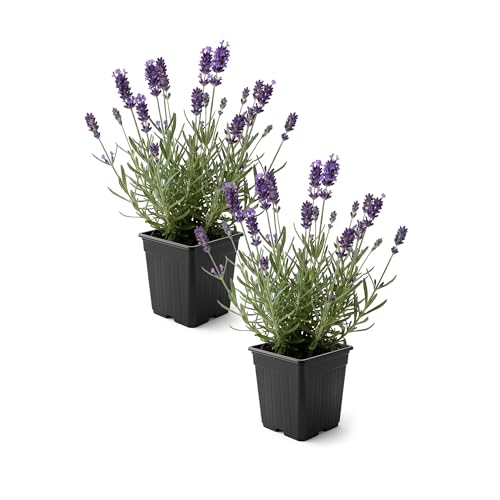
Lavender (2 Pack) – Purple Blooms, Live Flowering Perennial
A Breakdown Of The Leading Choices
Trailing ice plant brings a water-storing succulent look to sunny patio rims, where its plump green foliage spills over the edge like a slow-moving wave. The daisy-like rosy pink flowers keep coming from spring through fall, painting the container in steady color during the hottest stretches. Hardy in zones 5 through 9, it shrugs off drought once roots settle in, so forgetful waterers can relax.
Shipped in a quart pot from Perennial Farm Marketplace, the plant arrives in seasonal form, trimmed back if it ships dormant between November and March. You plant it into well-draining mix and watch it take off through summer. Compared with the shade-leaning options later in this list, this one leans fully into the brightest corner of your yard.
A Favorable Mix
- Heat- and drought-tolerant succulent foliage handles reflected patio heat.
- Long bloom window from spring through fall keeps pots in steady color.
- Trailing habit softens container edges and walls within a single season.
- Hardy across zones 5 through 9, so most climates can grow it outdoors.
- Low water needs once established, easing summer upkeep.
Worth Bearing In Mind
- Needs sharp-draining potting mix to avoid root rot in containers.
- Ships dormant if ordered late fall through early spring.
Quick Facts
Right Fit For
Hot, south-facing patios and anyone who wants trailing color without daily watering, especially in zones 5 through 9.
Look Elsewhere When
The Three Company Lavender 2 Pack suits gardeners who want fragrant foliage and a more upright container shape over trailing succulents.
New Guinea impatiens pack a punch of orange into compact pots, and The Three Company ships them as a pack of two, giving you six starter plants total to fill several containers. Each plant tops out around 12 inches tall and spreads to 5 inches, so a wide bowl or rectangular window box fills out quickly. The heart-shaped petals glow against deep green leaves, making orange feel less aggressive and more sunset-toned.
Positioned near a wall with morning sun, these flowers deliver steady color without much fuss. Compared with the trailing ice plant above, this pick stays compact and mounded rather than spilling over the rim, so it suits formal planters and entryway containers where tidy shape matters.
What Stands Out
- Pack of two containers with three plants each fills multiple pots fast.
- Low-maintenance habit suits new gardeners learning container basics.
- Compact 12-inch mounded shape fits entryways and narrow planters.
- Heart-shaped orange blooms add warm color to shaded patios.
Trade-Offs To Consider
- Stock fluctuates and is sometimes unavailable during peak ordering windows.
- Handles bright morning sun better than harsh afternoon rays.
- Smaller starter size means you wait longer for a full look than with established 1-gallon plants.
Built With In Mind
Beginners and entryway gardeners who want compact orange color in pots that get filtered or morning sun.
Skip It When
Perennial Farm Marketplace Delosperma cooperi Quart Pot is a better match for gardeners who want drought-tolerant trailing color in full, all-day sun.
Butterfly weed ships as a bare root from Willard & May, a No. 1 premium size that pushes out vigorous growth in its first season. Mature plants reach 18 to 36 inches tall, which gives a single large container real vertical presence without dwarfing the pot. The bright orange flower clusters pull in butterflies, bees, and hummingbirds, turning a patio corner into a small pollinator stop.
This native thrives in full sun and returns each year, so you plant it once and enjoy seasons of activity. Compared with the seed-based option later in this roundup, this one trades patience for a faster, established root system right out of the package.
Useful Touches
- Returns year after year as a true perennial root.
- Pulls in butterflies, bees, and hummingbirds for lively patio viewing.
- Mature height of 18 to 36 inches anchors large containers.
- Premium No. 1 bulb size starts strong in its first season.
Points To Note
- Taproot dislikes disturbance, so pick a permanent container from the start.
- Bare roots need careful initial watering until shoots establish.
Feature Snapshot
Who Should Grab It
Wildlife-friendly gardeners with roomy containers who want a tall, native perennial that returns every year.
Swap It Out When
Willard & May Complete Flower Bulb Garden suits anyone who wants a mixed, multi-week bloom rotation rather than a single pollinator focus.
The Willard & May bulb collection bundles 75 bulbs across five types, gladiolus, harlequin flowers, stargazer lilies, mixed Asiatic lilies, and mixed calla lilies, into one summer package. That diversity staggers bloom times so containers carry color from July through early October. Full sun to partial shade flexibility means the same mix works on a sunny patio or a partly shaded entryway.
Beginners get a friendly intro to bulb planting since the assortment removes the guesswork of picking varieties. Compared with the single-species butterfly weed above, this pack trades pollinator focus for sheer bloom variety across many weeks.
Standout Benefits
- Seventy-five bulbs across five types fill several containers.
- Staggered bloom times deliver color from July into October.
- Accepts full sun or partial shade locations.
- Beginner-friendly bundle skips the variety guesswork.
Some Limits To Know
- Large bulbs like lilies need deeper containers than shallow bulb pots.
- Mixed varieties mean less control over exact color matching.
- Gladiolus may need staking in windy rooftop or balcony spots.
Whose Shelf It Belongs On
First-time bulb planters and gardeners who want a colorful, multi-week rotation without buying five separate packs.
Where A Sibling Pick Shines
Butterfly Weed Flower – Perennial Garden Flower Root works better for gardeners focused on pollinators and native plants over mixed summer color.
Gardening4Less ships nine bare-root hostas per pack, a generous starter for filling shaded corners without buying individual plants. Hostas lean toward shade, so they belong on north-facing patios or under pergolas rather than sun-baked decks. The heart-shaped to nearly round foliage spreads between 20 and 60 inches at maturity, so even a small group creates a lush mound in a wide container.
Mildly fragrant purple or white blooms appear on tall stems in midsummer, lasting about two weeks. Compared with the sun-thriving ice plant earlier, hostas trade flower power for dramatic foliage texture and dependable shade performance.
Strong Points
- Nine bare-root plants per pack stretches across several containers.
- Hardy in zones 3 through 8 for cool climate reliability.
- Returns yearly as a true perennial.
- Foliage spreads 20 to 60 inches at maturity for full coverage.
Honest Caveats
- Prefers shade over the full sun this article focuses on.
- Bare roots need careful soaking and initial watering to establish.
- Slugs and snails often target hosta foliage in damp conditions.
The Right Fit
Shaded patio and porch gardeners who want leafy texture and a generous starter count over sun-loving flowers.
Reach For A Different Pick When
Perennial Farm Marketplace Delosperma cooperi Quart Pot is the better fit for full-sun patios where hostas would scorch.
Seeds Of Strength offers 100 calla lily seeds in a mixed color pack, aimed at gardeners who enjoy the slow build of starting from scratch. Pre-soaking seeds for 12 to 24 hours in warm water improves germination, and starting indoors in early spring gives seedlings a head start. Each seed goes about a quarter-inch deep in seed-starting mix, with several inches of spacing between them.
Temperatures around 70 degrees Fahrenheit suit germination, and the resulting plants tolerate full sun once they harden off. Compared with the live lavender plant later in this roundup, this option trades immediate container impact for a budget-friendly quantity and the satisfaction of growing callas from seed.
The Good Stuff
- 100 seeds per pack offer high quantity for the cost.
- Mixed colors produce varied blooms across the planting.
- Detailed germination guidance supports first-time seed starters.
- Full-sun tolerance once established matches sunny patio spots.
Things To Weigh Up
- Germination rate is rarely 100 percent, so expect some empty cells.
- Seed-to-bloom timeline takes longer than live plants.
- Calla lilies need consistent moisture during active growth.
Who It Suits Best
Patient gardeners and seed-starting hobbyists who want quantity and color variety at a low entry cost.
A Better Fit Elsewhere
The Three Company Lavender 2 Pack delivers immediate fragrance and live foliage for gardeners who want results this season.
The Three Company ships lavender as a two-pack in quart pots, with plants around 10 inches tall and 5 inches wide at shipping. Mature size reaches the 18 to 24 inch range, so each plant eventually fills its container with silvery, aromatic foliage. Purple flower spikes rise above the leaves in summer, filling the patio with that classic herbal scent that doubles as a light natural air freshener.
Lavender thrives in full sun with sharp drainage, a profile shared with the trailing ice plant at the top of this roundup. Compared with the seed-grown calla lily pack, this live option gives immediate fragrance and visual impact, skipping the multi-month seedling wait.
A Few Strong Suits
- Strong, soothing lavender fragrance fills outdoor seating areas.
- Compact quart-pot size fits small patios and entryway planters.
- Full-sun tolerance matches the brightest spots on the deck.
- Live two-pack fills two containers right out of the box.
Worth Noting
- Needs gritty, well-draining mix to avoid root rot in pots.
- Quart-pot size means plants look sparse until they fill out over a season or two.
Feature Snapshot
Best Suited To
Gardeners who want scented, pollinator-friendly containers and don’t mind a slow fill-in period for full impact.
Consider Something Else When
Perennial Farm Marketplace Delosperma cooperi Quart Pot fits gardeners who want trailing, drought-tolerant color rather than upright fragrant foliage.
Picking Perennials That Survive A Sun-Soaked Container
Container gardening in full sun runs hotter than in-ground beds because pot walls absorb and reradiate heat, and limited soil volume dries out faster. Match the plant to the light first, then to the container size, and you avoid the most common patio failures.
Drainage Decides More Than You Think
Most sun-loving perennials hate wet feet, and pots without drainage holes turn healthy roots into mush after a single rainy week. Terracotta and unglazed ceramic breathe better than plastic, helping soil dry between waterings. For plants like lavender and ice plant, gritty cactus-style mix gives roots the air they need.
Right Plant, Right Pot Size
A general rule: a perennial’s mature spread should fit comfortably inside the container with an inch or two of margin. Butterfly weed’s taproot needs depth, while lavender’s compact habit thrives in a wider, shallower bowl. Starting too small forces early repotting and stresses roots mid-season.
Bloom Timing Across The Season
Stagger bloom times to keep containers interesting from spring through fall. Mixing a long-blooming ice plant with a midseason bulb collection covers weeks most gardeners leave bare. Single-species pots look dramatic for a few weeks, then quiet down, so pair plants with offset calendars for steady color.
Wildlife Value Matters In Small Spaces
Potted perennials in apartment patios still attract bees, butterflies, and hummingbirds when you pick the right species. Butterfly weed and lavender pull in pollinators, while ice plant’s daisy-like flowers feed smaller native bees. Even a single well-chosen pot can support local wildlife.
Key Considerations Across These Picks
Where Shoppers Go Wrong
Plenty of gardeners pick a pretty flower without checking mature size, ending up with a root-bound plant by midsummer. Sun exposure matters just as much, since shade-loving hostas scorch in afternoon glare, and full-sun plants stretch leggy in dim corners. Drainage is the third silent killer: a pot without holes slowly drowns even the toughest perennial.
When Paying More Pays Off
Higher-tier picks in this category usually mean larger starter size, premium root grading, or curated multi-bulb bundles. A premium butterfly weed root establishes faster than a bargain bag of mixed roots, and a curated bulb collection removes the trial-and-error of picking compatible varieties. You pay for time saved and first-season success, which matters most for beginners or short growing seasons.
Frequently Asked Questions
Do Perennials In Pots Come Back Every Year?
Yes, true perennials return each growing season from their roots, even when grown in containers. Container-grown perennials sometimes need winter protection in zones colder than their hardiness range, since pot walls expose roots to more cold than garden beds.
How Big Should The Container Be For Full-Sun Perennials?
Most sun-loving perennials do best in containers at least 12 inches deep and wide, with larger pots for tall or deep-rooted plants like butterfly weed. Smaller quart-sized starter pots work for the first season but typically need repotting within a year.
Can I Mix Different Perennials In One Pot?
Yes, as long as they share similar sun, water, and soil needs. Pairing drought-tolerant ice plant with moisture-loving calla lily in the same pot creates problems since one will suffer. Combine plants with matching profiles for the best results.
Should I Fertilize Container Perennials?
Light feeding during the active growing season helps container perennials perform, since potting mix loses nutrients faster than garden soil. A balanced, slow-release fertilizer at planting usually covers the first season, with a midseason boost for heavy bloomers.
How Often Do Container Perennials Need Watering?
Full-sun container perennials often need watering two to three times weekly during hot summer weather, more often in small pots. Drought-tolerant choices like ice plant and lavender stretch that interval once established, while thirstier plants need closer attention.
Closing Remarks
Sun-soaked patios reward gardeners who match the plant to the light, drainage, and container size from the start. Whether you lean toward trailing succulents, pollinator favorites, or fragrant classics, the right perennial turns a hot corner into a season-long display. Start with one or two of these picks and let the patio teach you what works in your space.
