

Virginia stretches across USDA zones 5 through 8, and that range decides which perennials actually settle in for the long haul. A coastal yard in Virginia Beach faces humidity and salt-edged air, while a Shenandoah Valley plot deals with rocky soil and colder winters. Choosing varieties suited to those local quirks means less replanting, steadier color from spring through fall, and a healthier pollinator patch. The picks below are sorted by use case, so you can match a seed mix or live plant to the bed, border, or meadow you’re working on.
A Closer Look At The Lineup
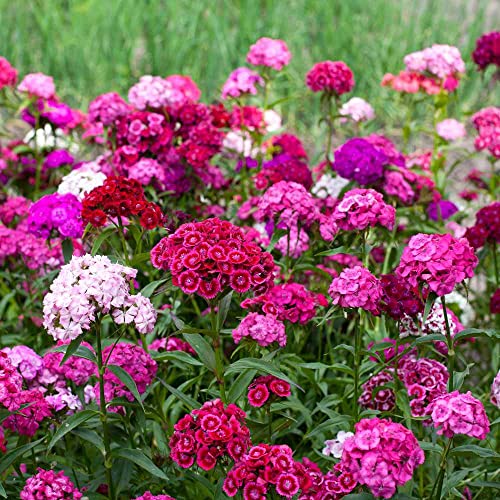
Outsidepride Sweet William Dianthus Seeds 5000 Pcs.

Perennial Species Mix 5g Envelope 2,500 Seeds

Bulk Wildflower Seeds Partial Shade Mix 1/4 Pound

Northeast Wildflower Seeds 1 Oz Packet

Virginia Wildflower Seed Mix 35,000 Seeds 300 Sq Ft

Vinca Periwinkle Flower Seed 1000+ Seeds

American Beauties Lobelia Cardinalis Cardinal Flower 1 Size Container

All Perennial Wildflower Seed Mix 2oz
The Details Behind The Selections
Sweet William brings old-fashioned charm to a Virginia flower bed, and Outsidepride’s mix ships 5,000 seeds per packet, which is plenty for a long border or several clustered pockets along a fence line. The plants behave as short-lived perennials in zones 3 through 9, meaning they flower, rest, and return for a second or third season before fading.
Compared to broad wildflower mixes reviewed later, this one focuses on a single species with a tight color range, so your bed looks cohesive rather than scattered. You may find the blooms carry a clove-like scent that rewards being planted near a path or window.
Everyday Advantages
- Fragrant flowers draw pollinators and beneficial insects into the garden
- Cold-hardy across Virginia’s mountain and piedmont zones
- Compact growth habit works well in front of taller perennials
- Cut-flower friendly, holding color in arrangements for several days
- Large seed count keeps the cost-per-plant low for big plantings
Things To Consider
- Single-species mix lacks the visual variety of a true wildflower blend
- Self-sows readily, so deadheading matters in tidy border layouts
- Seedlings emerge slowly and may need careful weeding early on
Who It Suits Best
Cottage-garden and pollinator-border gardeners who want a focused, fragrant perennial swath in USDA zones 5 through 7.
Consider Something Else When
The Created By Nature Virginia Wildflower Seed Mix covers more species per packet for gardeners wanting a ready-made meadow look in a single pass.
The Family Sown Perennial Species Mix is the kind of starter packet that lowers the barrier to sowing a multi-variety bed. The 5-gram envelope holds roughly 2,500 seeds and targets around 20 square feet, which suits a small front-yard patch or a narrow side-yard strip where you want color without a full meadow commitment.
Unlike Outsidepride’s single-species packet in spot 1, this one aims for variety, so first-year results look a little unpredictable but more textured. Depending on your soil, germination rates vary, and a light raking before sowing helps tiny seeds settle into contact with the ground.
Reasons It Performs
- Multi-species blend delivers layered bloom times across the season
- Modest coverage area suits trial beds and small urban yards
- Low-fuss maintenance once seedlings establish
Worth Noting
- Smaller packet than bulk mixes, so large projects need multiple envelopes
- Species list varies by batch, which can complicate planning a specific color scheme
- Young seedlings compete with weeds in unprepared soil
Feature Snapshot
Made For
Beginner gardeners with limited space who want a low-risk introduction to perennial wildflowers in Virginia’s milder zones.
Where Another Pick Suits Better
Sweet Yards Bulk Wildflower Seeds Partial Shade Mix covers far more ground for gardeners converting a larger patch in one season.
Sweet Yards’ partial shade mix arrives in a quarter-pound bag with more than 30,000 seeds, which translates to roughly 400 square feet of coverage. That’s enough to convert the dappled side of a Virginia property, the kind of spot where turf struggles, into something textured and bee-friendly.
Earlier picks like Outsidepride’s Sweet William love sun, so this one fills a different niche where tree canopy filters the light. The blend leans on open-pollinated varieties, which means saved seed stays true to type for future patches.
What Works In Its Favor
- Bulk seed count makes it economical for large or multi-zone projects
- Partial-shade formula opens up planting options under tree cover
- Open-pollinated seed supports reseeding year after year
Trade Offs
- Some species in the mix are annuals, so first-year color matters more than permanence
- Germination depends on consistent moisture during the first few weeks
- Color palette skews wild rather than curated, which may not suit formal beds
Right Fit For
Homeowners with wooded edges, north-facing borders, or partly shaded slopes looking to replace patchy lawn with layered perennials.
Look Elsewhere When
The Northeast Wildflower Seeds packet by the same brand targets regional natives more tightly if you want a species list tuned to the Mid-Atlantic climate.
Sweet Yards’ Northeast blend packs more than 7,500 open-pollinated, non-GMO seeds into a single 1-ounce packet, designed around native species that suit New York, Virginia, Pennsylvania, Maine, and similar climates. The regional focus matters because native perennials have evolved alongside local pollinators, which means more reliable nectar sources and better survival through Virginia’s humid summers.
Compared to the bulk shade mix above, this packet trades raw quantity for species relevance. You may find that native varieties handle deer browsing and dry spells more gracefully once established.
What Helps Most
- Region-specific species list tuned for Mid-Atlantic growing conditions
- Non-GMO open-pollinated seed supports native pollinator networks
- Packet size suits medium beds without oversowing
Points To Note
- Coverage is smaller than quarter-pound mixes, so plan spacing carefully
- Native species can take a full season to show their full character
- Initial weed pressure often looks heavier before natives outcompete it
Feature Rundown
Who Should Grab It
Gardeners focused on native plant restoration, pollinator habitat, or low-input landscaping in Virginia’s piedmont and coastal plain regions.
A Better Fit Elsewhere
The Vinca Periwinkle seed packet is a stronger match for gardeners wanting a single-species ground cover rather than a varied native meadow.
Created By Nature’s Virginia-specific blend combines 18 annual, biennial, and perennial varieties selected for the state’s climate, including familiar names like Shasta daisy, coreopsis, purple coneflower, black-eyed Susan, phlox, lupine, and scarlet choices. The 35,000-plus seeds cover around 300 square feet, which fits a backyard meadow or a long border strip.
Where the Northeast blend covers a wider region, this one narrows the focus to Virginia’s specific seasonal rhythms. Annuals give you first-season color while the perennials establish, so the bed rarely looks empty in year one.
What It Does Well
- Curated species list removes guesswork for Virginia plantings
- Annual and perennial mix delivers color in year one and beyond
- Coverage suits medium-to-large residential beds
A Few Limitations
- Annual varieties decline after one season, leaving perennials to fill the gaps
- Sun-loving species dominate, so shaded corners stay sparse
- First-year appearance depends heavily on rainfall during germination
Quick Facts
Built With In Mind
Homeowners across Virginia who want a state-tailored mix without assembling separate packets for sun-loving perennials.
Swap It Out When
Lawn Seed Feed’s All Perennial Wildflower Seed Mix appeals more to gardeners who want only perennials and no annual gap-fillers.
Vinca periwinkle behaves like a workhorse ground cover, rooting along its stems and spreading into bare patches where turf refuses to grow. Carpet Creeping’s heirloom packet ships more than 1,000 seeds suited to USDA zones 3 through 10, so it handles Virginia’s range from mountains to coastal plain.
Unlike the wildflower mixes above, this one trades varied bloom for a uniform carpet of glossy leaves and four-color flowers. The honest read is that vinca fills a specific job, slope stabilization or shaded lawn replacement, and it does that job well.
A Few Highlights
- Spreading habit fills bare ground quickly without weekly attention
- Tolerates poor soil and dry spells once established
- Continuous bloom across warm months keeps the bed looking alive
Honest Caveats
- Can spread beyond intended areas, so edging matters near lawn
- Lower seed count than wildflower mixes, so large slopes need multiple packets
- Glossy foliage stays evergreen, which some gardeners dislike in formal beds
Feature Card
Perfect Match For
Homeowners tackling erosion on slopes, dry shade under trees, or any patch where grass refuses to establish.
Reach For A Different Pick When
Green Promise Farms’ Lobelia Cardinalis starter plant suits gardeners who want a single specimen perennial for a rain garden rather than a spreading carpet.
Lobelia cardinalis, also called cardinal flower, anchors a wet corner with bright red spikes that hummingbirds find hard to resist. Green Promise Farms ships this one in a #1 size container, fully rooted in soil and ready to plant on arrival, weather permitting. The mature size lands at 2 to 3 feet tall and 18 to 24 inches wide, so it earns its place at the back of a bed.
Where seed mixes take patience, a live container delivers a near-instant presence in the garden. You may find the deep red blooms arrive in mid-summer, bridging the gap after spring perennials fade.
The Helpful Details
- Containerized plant skips the germination gamble of seed packets
- Hummingbird and butterfly magnet during mid-to-late summer bloom
- Native species supports local pollinator populations
- Performs well in rain gardens and consistently moist soils
Things To Weigh
- Higher moisture needs than drought-tolerant perennials
- Single specimen rather than a wide spread, so impact depends on grouping
- Shorter bloom window than wildflower mixes that bloom all season
Feature Snapshot
Whose Shelf It Belongs On
Rain garden designers, native plant enthusiasts, and anyone who wants a showy red focal perennial for a consistently moist bed.
Not Your Match When
The All Perennial Wildflower Seed Mix fits gardeners wanting a low-cost seed-sown meadow rather than a single container plant.
Lawn Seed Feed’s all-perennial blend skips annual gap-fillers entirely, which means every plant in the packet returns year after year. The 2-ounce pouch ships in a resealable container that protects against moisture and light, helping seeds stay viable between sowings.
Unlike the Virginia-specific mix from spot 5, this one leans on broadly hardy species and deer-resistant traits, which matters if your yard sits near browsing pressure. The long-blooming formula extends color across more of the season without annual replanting.
Positive Points
- Pure perennial formula means no annual replacements each spring
- Resealable pouch keeps unused seed viable for next season
- Deer-resistant and partial-shade tolerant traits widen planting options
Points To Keep In Mind
- First-year color is quieter than annual-inclusive mixes
- 2-ounce pack suits small to medium beds, not wide acreage
- Perennial establishment takes patience through the first growing season
Who Will Love This
Patient gardeners who want a low-maintenance, deer-aware perennial meadow that builds strength over multiple seasons in Virginia.
Skip It When
Sweet Yards Northeast Wildflower Seeds serves gardeners wanting a regionally tuned native species list with broader Mid-Atlantic coverage.
Factors To Consider When Choosing Perennials For Virginia
Match The USDA Zone First
Virginia stretches across roughly zones 5b through 8a, and that single number decides which perennials survive winter and which thrive through humid summers. Zone 5 picks handle mountain cold but often struggle in tidewater heat, while zone 8 choices flourish near the coast and languish in higher elevations. Check your zip code’s zone before choosing, because a beautiful native plant is a wasted packet if it cannot handle your lowest winter temperature.
Account For Sun, Soil, And Moisture
A bed’s sun exposure matters as much as climate zone. Most flowering perennials need at least six hours of direct sun to bloom well, while vinca and cardinal flower tolerate shade or wet conditions respectively. Soil type shifts results further: clay-heavy Virginia plots drain slowly, while sandy coastal yards dry out fast. Pick a seed mix or plant whose moisture and light needs match your yard’s actual conditions rather than the ideal.
Decide Between Seed And Live Plants
Seed packets cost less per square foot and let you sow large areas, but they demand patience and good seed-to-soil contact. Live container plants skip the germination wait and deliver immediate presence, useful for filling a single focal spot. Many Virginia gardeners combine both, seeding a meadow for coverage and tucking container plants like cardinal flower into key visual spots.
Plan For Pollinators And Maintenance
Pollinator-focused blends prioritize nectar-rich species that bloom across the season, while low-fuss mixes trade bloom density for durability. If you do not want to weed or water often, lean toward drought-tolerant natives and ground covers. If pollinator traffic matters more than neatness, choose a multi-species blend with staggered bloom times.
Key Considerations Across These Picks
Where Shoppers Go Wrong
The most common mistake is choosing a seed mix based purely on coverage claims without checking the species list. A 400-square-foot bag of shade-tolerant annuals looks generous on paper but fades after the first frost. Match the species to your zone, sun exposure, and intended bloom window before comparing packet sizes.
When Paying More Pays Off
Spending more on a regionally specific mix like the Virginia-targeted blend or a live container plant usually buys two things: tighter species relevance and faster visible results. A live Lobelia cardinalis delivers summer color in its first year, while a 2-ounce seed packet of the same species needs establishment time. Pay more when you want immediate garden presence or region-matched natives; save when you are comfortable waiting through a full growing season.
Frequently Asked Questions
Which perennials bloom the longest in Virginia?
Long-blooming perennials like black-eyed Susan, coreopsis, and purple coneflower can stretch color from early summer well into fall when deadheaded occasionally. The All Perennial Wildflower Seed Mix leans into this long-bloom approach by focusing on species with extended windows rather than short spring flashes.
When should I plant perennial seeds in Virginia?
Most perennial seed mixes go down in early fall or early spring, when soil temperatures stay mild and rainfall supports germination. Fall sowing lets seeds stratify naturally through winter, which suits many native species in the Northeast and Virginia-specific blends.
Do perennials come back every year in Virginia?
Yes, established perennials return each spring from their root systems, though some short-lived types like Sweet William may only persist for two or three seasons. Mixing long-lived perennials with biennials keeps a bed full without annual replanting.
How much sun do Virginia perennials need?
Most flowering perennials want at least six hours of direct sun, though partial-shade blends handle four to six hours of dappled light. Cardinal flower and vinca tolerate wet or shaded conditions that scorch sun-loving species.
Can I grow perennials in containers on a Virginia patio?
Smaller perennials and many wildflower species grow well in large containers with quality potting mix and consistent watering. Live plants like cardinal flower transplant easily from nursery containers, while seed mixes need deeper pots to support root development.
Wrap Up
The right perennial mix depends on your yard’s zone, sun exposure, and patience for establishment. Native blends and Virginia-specific packets give the smoothest start, while live container plants fill key spots with immediate color. Pick the format that matches how you actually garden, and the bed will reward you across multiple seasons.
