

Zone 5 throws real curveballs at perennial beds: late spring frosts, dry summer stretches, and winter temperatures that drop well below freezing. The plants on this list are chosen for gardeners working in that exact climate, whether you’re planting along a mailbox strip, refreshing a shaded corner, or filling a sunny border with color that comes back every year. The seven picks below span live plants, bulbs, and seed packets, so you can match the format to your budget and how patient you feel this season. Each entry covers what it does well, where it falls short, and the kind of gardener it’s best suited for.
A Quick View Of The Lineup

Bonnie Plants Lemon Balm Live Herb Plants 4 Pack

Perennial Farm Marketplace Delosperma cooperi Ice Plant

ZEshops Blue Pink Purple Hydrangea Seeds 35pcs
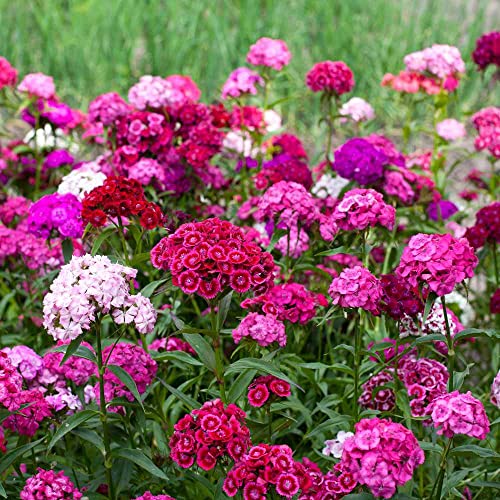
Outsidepride Sweet William Dianthus Seeds 5000 Pcs

CZ Grain Florida Cardinal Caladium Bulbs 5 Count

FAMILY SOWN Perennial Species Mix 5g Envelope

Outsidepride Blue Flax Seeds 5000 Pcs
A Closer Look At Each Pick
Lemon balm earns its spot on any Zone 5 list because it handles the cold, shrugs off partial shade, and rewards you with foliage you can actually cook with. The four-pack format from Bonnie Plants gives you enough material to line a kitchen-window herb bed or tuck plants around a patio without committing to a single big shrub. Expect a bright, citrus-leaning scent when you brush the leaves, the kind of herb that earns a permanent place near a back door.
Where it really shines is in low-fuss perennial herb design. Plant once, harvest for years, and let it fill in naturally around slower-growing shrubs. The trade-off shows up in its vigor: this is a member of the mint family, and it behaves like one, spreading enthusiastically if you let it.
A Few Strong Suits
- Lemon-scented leaves pull double duty in teas, poultry dishes, and desserts, so it earns kitchen space as well as garden space.
- Tolerates partial shade, which opens up north-facing beds and edges under deciduous trees where many bloomers struggle.
- Hardy in Zones 5 through 9, meaning most temperate gardens can overwinter it without lifting or heavy mulch.
- Works equally well in containers or in-ground beds, giving flexibility for renters and small patios.
Things To Consider
- Spreads aggressively by rhizome once established, so a container or a buried barrier helps contain it in tight beds.
- Goes dormant in winter, leaving a visible gap in formal plantings during the cold months.
- Flowers are small and not the main draw, so plant it for foliage and scent rather than visual impact.
At A Glance
Who It Suits Best
Cooks and tea drinkers who want a working herb that doubles as a reliable Zone 5 perennial, especially in partial-shade spots where flowering plants tend to underperform.
Consider Something Else When
Gardeners who want showy, long-blooming color should reach for Outsidepride Sweet William Dianthus Seeds instead, which delivers fragrance and visual impact in the same Zone 5 conditions.
Hardy ice plant solves a real Zone 5 problem: the dry, sun-baked strip along a driveway or the top of a stone wall where most flowering perennials crisp up by July. Delosperma cooperi sends out succulent, trailing foliage topped with daisy-like rosy-pink flowers that keep coming from late spring well into fall. You receive a quart-sized live plant, so it’s a meaningful head start over seed.
Compare that to the Bonnie Plants lemon balm above, which prefers partial shade: this ice plant wants full sun and lean soil. The trade-off is cold sensitivity at the crown, so drainage matters more than fertilizer.
What Earns Its Place
- Drought tolerance makes it one of the better choices for sandy, rocky, or fast-draining soil where other perennials fail.
- Long bloom window keeps the bed looking alive from late spring through the first cool nights of fall.
- Trailing habit fills container edges, retaining walls, and slopes without constant trimming.
- Heat-loving, so it handles reflected sun off pavement and south-facing walls.
Worth Noting
- Demands sharp drainage; soggy winter soil is the most common reason established plantings fail.
- Succulent foliage can look tatty in early spring before new growth fills in.
- Live plants may arrive dormant or trimmed when shipped between November and March, which can read as a disappointing unboxing.
Feature Snapshot
Made For
Gardeners with hot, dry, or rocky planting areas who want season-long color and don’t want to baby new plants through July heat.
Look Elsewhere When
If your bed is heavy clay or stays wet through spring, the CZ Grain Florida Cardinal Caladium Bulbs handle moist shade far better and won’t rot out at the crown.
Hydrangeas from seed are not a one-season project, and anyone expecting first-year blooms will be disappointed. What you get with this 35-seed pack is a chance to grow a mixed blue, pink, and purple hydrangea hedge on a tight budget, provided you’re willing to wait a few seasons for the shrubs to mature. Germination rates vary widely with home-started hydrangea seed, so sow more than you need.
The honest read is that this is a learning purchase, not a fill-in purchase. Unlike the live quart-sized Delosperma, you’re starting from scratch.
A Few Highlights
- 35 seeds for the cost of a single starter shrub makes it one of the most affordable ways to grow a hydrangea hedge over time.
- Color mix spans blue, pink, and purple so the eventual bed has visual variety rather than a single block.
- Hardy perennial in Zone 5 once established, so the long wait pays off in repeat bloom years.
Honest Caveats
- Hydrangea seed is slow and finicky; expect spotty germination and a multi-year wait before meaningful blooms.
- Color is influenced heavily by soil pH, and the final mix may not match the package imagery exactly.
- Seedlings need indoor start, frost protection, and consistent moisture through their first winter outdoors.
Whose Shelf It Belongs On
Patient gardeners with seed-starting setups who want a long-term hydrangea project at a fraction of the cost of mature nursery shrubs.
A Better Fit Elsewhere
Anyone who wants color this year should pick up the Perennial Farm Marketplace Delosperma cooperi instead, which arrives as a quart-sized plant already ready to bloom.
Sweet William dianthus is a cottage-garden classic for good reason: it offers clusters of clove-scented flowers, draws bees and butterflies in numbers, and reseeds politely without becoming a thug. The 5,000-seed pack from Outsidepride is enough to cover a meaningful patch or a long front-border strip, and it thrives in Zones 3 through 9, so it handles Zone 5 winters without lifting.
Where the lemon balm above delivers kitchen function, this dianthus delivers pollinator function. Pairing the two gives you fragrance for cooking and fragrance for the bees in the same bed.
Real Benefits
- Fragrant blooms earn it a spot near patios and walkways where you actually brush past them.
- Strong pollinator pull makes it a foundation plant for anyone building a bee-friendly yard.
- Hardy across Zones 3 to 9, so it handles brutal winters without protection.
- Cut-flower friendly, with stems that hold up in a vase for several days.
Trade Offs
- 5,000 seeds means careful sowing or you’ll end up thinning aggressively in spring.
- Biennial-leaning habit, so the strongest show often comes in year two rather than the first growing season.
- Deadheading extends bloom but adds a real maintenance task through summer.
Spec Overview
Right Fit For
Cottage-garden and pollinator-bed designers who want dense, fragrant color and aren’t afraid of a little deadheading through summer.
Swap It Out When
Gardeners in hot, exposed beds with sharp drainage should try Outsidepride Blue Flax Seeds instead, which self-seeds and tolerates drought even better in the same Zone 5 climate.
Caladiums do something most Zone 5 perennials can’t: they thrive in deep shade, and they do it with vivid red-and-green heart-shaped leaves that look like they belong in a botanical conservatory. The five-bulb pack from CZ Grain gives you a starter drift for a shaded foundation bed, and the bulbs lift easily for indoor winter storage if you want them back next year.
The catch is timing. Caladiums want warm soil, so planting before nighttime temperatures stay above 60°F often leads to slow or failed emergence.
The Practical Payoff
- Vivid red foliage brings real color to shade beds where flowering plants typically underperform.
- Heart-shaped leaves add textural contrast against hostas, ferns, and heucheras in the same bed.
- Bulbs lift and store indoors over winter, extending the planting across multiple seasons.
- Performs in containers equally well, which is useful for shaded patios and entryways.
Points To Keep In Mind
- Plant only after the last frost and once soil is reliably warm, since cold soil stalls sprouting.
- Foliage dies back in fall, leaving a visible gap until you replant next season.
- Five bulbs covers a small drift, so larger shade beds need multiple packs to look full.
Key Product Details
Best Suited To
Gardeners with deep-shade foundations or north-facing entry beds who want a tropical look without committing to a full shrub border.
Reach For A Different Pick When
Full-sun gardeners with sandy, dry soil will get more from Outsidepride Blue Flax Seeds, which loves heat and lean soil where caladiums would scorch.
When you want a wildflower look without hand-selecting a dozen different species, a perennial mix like this one from FAMILY SOWN solves the problem in a single envelope. Around 2,500 seeds cover roughly 20 square feet, enough for a small meadow patch or a border strip, and the mix comes back year after year once established.
The flip side is unpredictability: mixes germinate unevenly, bloom in stages, and don’t give you the uniform color block you’d get from a single-species seed pack like the Outsidepride Sweet William or Blue Flax.
Real-World Strengths
- Single-packet solution for gardeners who want biodiversity without researching twenty cultivars.
- Perennial blend, so the bed re-establishes itself each spring rather than needing annual reseeding.
- 5-gram envelope covers a meaningful 20-square-foot patch.
A Few Limitations
- Bloom timing varies across species, so the bed looks uneven rather than coordinated.
- First-year color can be modest, with stronger shows typically arriving in year two.
- Weed competition in the first season is the most common reason these mixes disappoint.
Who Will Love This
Homeowners with a sunny side yard or meadow strip who want a low-fuss pollinator planting and don’t need it to look like a designed border.
Not Your Match When
Formal-border gardeners should go with Outsidepride Sweet William Dianthus Seeds instead, which gives a more uniform, structured look in the same Zone 5 conditions.
Blue flax closes out the list because it solves the problem the rest don’t: hot, dry, low-fertility soil where most flowering perennials give up. Plants stay compact at 12 to 24 inches tall, self-seed without becoming invasive, and produce airy, sky-blue flowers that move in the slightest breeze. The 5,000-seed count from Outsidepride suits small gardens, mass plantings, and meadow blends alike.
You may find the individual blooms short-lived, opening in the morning and dropping by afternoon, but the plant compensates with continuous bud production through summer.
Key Advantages
- Drought tolerance once established makes it one of the easier picks for water-wise gardens.
- Self-seeding habit fills gaps naturally year after year without manual reseeding.
- Compact growth habit fits small gardens, borders, and rock gardens without crowding neighbors.
- Hardy across Zones 3 to 10, so it covers nearly every U.S. climate a Zone 5 gardener might move to.
Where It May Fall Short
- Individual flowers drop by afternoon, so the visual show depends on a steady rotation of new buds.
- 5,000 seeds need careful sowing in prepared soil; broadcasting onto lawn or compacted ground often fails.
- Self-seeding can spread beyond the original bed if spent flowers aren’t trimmed in late summer.
Feature Card
Perfect Match For
Rock gardeners and water-wise landscapers who want airy blue color through summer and don’t mind a plant that does its own reseeding.
Where A Sibling Pick Shines
If you’d rather have a single low-water plant in a pot or wall planting, the Perennial Farm Marketplace Delosperma cooperi Ice Plant gives a similar drought profile with a more contained growth habit.
Building A Zone 5 Bed That Actually Comes Back
Zone 5 runs roughly from the southern edges of the upper Midwest across to upstate New York and parts of the Mountain West, so the right perennial for one gardener’s backyard may struggle two zones away. Microclimates matter, and they change block by block. Start by checking your last frost date and your first fall frost date, since those two numbers define the growing window you actually have to work with.
Sun exposure is the next filter. The caladium on this list solves deep shade; the ice plant solves full sun and sharp drainage; the lemon balm bridges both. Don’t pick by flower color alone, because a sun-loving plant in a shaded bed will survive without ever performing, and a shade-lover in full sun will crisp up by midsummer.
Soil type and moisture are the third filter. Sandy, fast-draining soil suits blue flax and ice plant, while heavier loam holds the moisture hydrangeas and dianthus prefer. A simple squeeze test tells you most of what you need: if a moist handful holds its shape, you have clay-leaning soil; if it crumbles, you’re working with sand or loam. Match the plant to the soil you actually have, not the soil you wish you had.
Key Considerations Across These Picks
Common Buying Mistakes
Buying based on flower color alone is the most common trap, because a Zone 5-appropriate plant still fails when the light or soil doesn’t match. Always cross-reference sun, moisture, and hardiness before falling for a photo.
A second slip is underestimating seed-starting time. The hydrangea and blue flax packets both need indoor start or careful direct sowing well before the last frost, and they won’t rescue a bed that needs color this weekend.
Where The Premium Pick Pays Off
Live quart-sized plants like the Delosperma cooperi cost more than a seed packet, but they buy you a year or two of growth. For gardeners who want a finished bed this season rather than a multi-year project, that head start is often worth the price difference.
Frequently Asked Questions
When should I plant perennials in Zone 5?
Most perennials go in after the last spring frost, typically mid-May in much of Zone 5. Fall planting about six weeks before the first hard frost also works well for many species.
Do I need to mulch perennials over winter in Zone 5?
A 2 to 3 inch layer of mulch helps newly planted perennials through their first winter. Mature, well-rooted plants often manage without it once established.
How long until seed-grown perennials actually bloom?
Most perennials grown from seed, including the hydrangea and dianthus options on this list, take two to three full growing seasons to reach their strongest bloom.
Can I grow any of these in containers?
Yes, lemon balm, ice plant, and caladiums all do well in pots. Just plan to water containers more frequently than in-ground beds during summer.
What’s the easiest pick on this list for a true beginner?
Bonnie Plants Lemon Balm is the most forgiving: it tolerates partial shade, handles Zone 5 winters, and forgives irregular watering once it establishes.
Closing Remarks
The best perennial for your yard depends on the specific spot you’re filling, whether that’s a sunny slope, a shaded foundation, or a kitchen herb bed. Start with your conditions, not the flower color, and let the seven picks above narrow your search from there. Any of them, planted in the right place, will reward you with seasons of growth ahead.
