

Zone 6 covers a wide swath of the country, and gardeners there want plants that survive cold winters without sacrificing summer color. Picking the wrong perennial means replanting every spring, wasting money and patience on varieties that can’t handle a hard frost. These seven options handle Zone 6 winters while still putting on a real show from spring through fall, whether you want instant ground cover from a live plant or a budget-friendly seed packet for a bigger sweep.
A Closer Look At The Lineup

Perennial Farm Marketplace Delosperma cooperi Trailing Hardy Ice Plant (Quart)
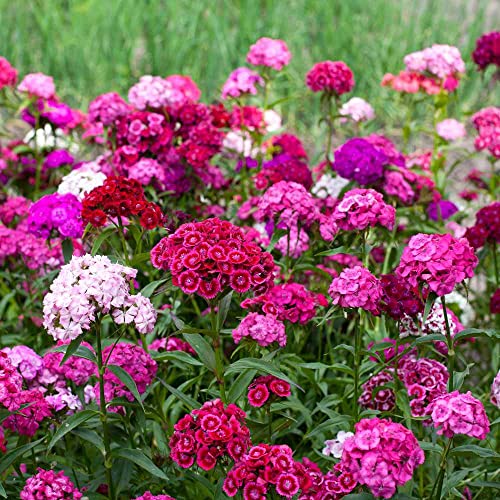
Outsidepride Sweet William Dianthus Seeds 5000 Pcs

Forget Me Not Seeds 6000 Flower Seeds Ground Cover

Survival Garden Seeds Purple Alyssum Seeds

185+ Mix Color Hosta Seeds for Planting

Outsidepride Blue Flax Seeds 5000 Pcs

Perfect Plants Nanho Blue Butterfly Bush 1 Gallon
Why These Options Stand Out
Delosperma cooperi, often called hardy ice plant, earns its keep in the hottest, sun-baked corners of a Zone 6 yard where other perennials sulk. The succulent foliage stores moisture, so it stays tidy through dry stretches once established, and the trailing habit lets it spill nicely over a stone wall or the rim of a patio container.
Unlike the seed packets further down this list, this one ships as a live quart-size starter, so you skip the germination gamble and get visible growth in the first season. In our view, this is the right starting point for anyone designing a low-water border or a gravel garden where dependable color matters more than a tall focal point.
A Few Strong Suits
- Tolerates heat and drought far better than typical flowering perennials
- Trailing succulent form works in rock gardens, walls, and containers
- Shipped as a live quart plant, so you skip the seedling stage entirely
- Hardy in USDA Zones 5 through 9, comfortably covering Zone 6 winters
- Long bloom window from late spring into early fall in sunny sites
Things To Consider
- Needs sharp drainage; soggy winter soil can rot the crown
- Between November and March it may ship trimmed and dormant, which can look alarming on arrival
Feature Snapshot
Right Fit For
Gardeners with a sunny, well-drained bed or stone wall who want a low-maintenance, water-wise flowering carpet without starting from seed.
Swap It Out When
Outdoorpride Blue Flax Seeds suits you better if you want a taller, sky-blue wildflower look across a larger meadow area on a budget.
Sweet William has the kind of clove-sweet perfume that makes you slow down on a garden path, and Outsidepride’s 5,000-seed pack covers a generous swath for the price. The mix delivers clusters of pink, red, white, and bicolor blooms that pull in bees and butterflies from late spring through early summer.
Compared with the ice plant above, this option asks for richer, moisture-retentive soil and a spot that catches at least a half day of sun. For Zone 6 gardeners dreaming of a cottage-style border or a cut-flower patch, this seed mix delivers the classic look without the premium of potted starts.
Where It Delivers
- 5,000 seeds cover a meaningful bed or border for the price
- Fragrant clusters draw pollinators, including bees and butterflies
- Works as a long-lasting cut flower for indoor arrangements
- Adapts across USDA Zones 3 through 9, so Zone 6 sits comfortably in range
Honest Caveats
- Biennial-leaning perennial in some climates, so peak bloom often comes in year two
- Seed-grown starts demand weeding and thinning during the early weeks
Who It Suits Best
Beginner-friendly gardeners who want pollinator appeal and cut-flower use from a generous seed packet rather than a single potted plant.
Look Elsewhere When
Marde Ross Forget Me Not Seeds fits better if your priority is a soft, low ground cover weaving under spring bulbs instead of taller cottage color.
Forget me nots have a way of softening the base of a bulb planting, and this 6,000-seed pack gives you enough seed to thread a blue ribbon through an entire bed. The small sky-blue blossoms with yellow eyes carry a low, mounding habit that politely fills gaps between taller plants.
Where the dianthus above wants sun and richer soil, this one takes partial shade in stride and still pulls through Zone 6 winters. You may find the seed-grown approach slower than a potted butterfly bush, but the trade-off is a softer, more naturalistic look under trees or along a shaded path.
Positive Points
- Adapts to both sun and shade, unusual for a flowering perennial
- Plays nicely as a low carpet beneath tulips and other spring bulbs
- Bulk 6,000-seed count handles larger beds affordably
- Compact 6 to 12 inch height keeps it in the foreground layer
Points To Note
- Self-seeds freely, which means thinning may be needed in tidy beds
- Seedlings look fragile early on, so careful weeding matters in week one
Key Specs
Made For
Gardeners layering a soft blue carpet around tulips and other spring bulbs in partial shade, where a low foreground perennial does the most visual work.
Reach For A Different Pick When
The 185+ Mix Color Hosta Seeds suit you better if you want foliage texture and height in deeper shade rather than a low flower carpet.
Sweet alyssum earns its place as one of the most underrated edging plants, and Survival Garden Seeds’ Royal Carpet variety leans into the purple tones rather than the usual white. The honey-scented flowers attract bees in droves and the low, spreading habit lines a path or softens the front of a border without crowding taller plants.
Compared with the forget me nots above, this is a much shorter, denser mat with a stronger fragrance payoff, ideal if your priority is stepping out onto a scented walkway. Depending on your Zone 6 microclimate, you may find alyssum performs as a self-seeding annual rather than a true perennial, which is honestly fine for most home gardeners.
Benefits That Matter
- Honey fragrance draws bees and other pollinators into the garden
- Low, carpet-like growth fills gaps between pavers and along path fronts
- Cool-season performer that bridges the early-spring bloom gap
- Easy to grow from seed with minimal fuss for first-timers
A Few Limitations
- Treated as a cool-season annual in many Zone 6 gardens rather than a perennial
- Smaller seed pack than some competitors, so a full border may need multiple packs
Who Should Grab It
Pathway and slope gardeners who care more about fragrance and a tidy edging flower than tall vertical drama.
Consider Something Else When
Outsidepride Sweet William Dianthus Seeds fit better if you want taller cottage-style color behind the alyssum carpet rather than another low layer.
Hostas are the workhorse of any shady Zone 6 bed, and this 185-plus seed mix promises a blend of blue, purple, and white leaf tones rather than a single cultivar. The mix lets you start a varied foliage display from one packet, which is genuinely useful if you don’t yet know which hosta shade you prefer.
Same story as the forget me nots above on the shade side, but where forget me nots give you flowers, hostas give you leaf texture and a sturdier presence through the season. You should know that seed-grown hostas take patience; expect two to three seasons before the clumps fill in.
Everyday Wins
- Mixed leaf tones give visual variety from a single seed packet
- Thrives across USDA Zones 3 through 9, well past Zone 6 winters
- More affordable than buying multiple potted hosta cultivars
- Leafy texture holds its own in deep shade where flowers fade out
Small Caveats
- Seed germination is slower and less uniform than potted hosta starts
- Hosta seedlings can take two seasons or more to show mature leaf color
Feature Card
Best Suited To
Patient shade gardeners willing to wait a season or two for full clumps in exchange for a budget-friendly, leaf-forward display.
Not Your Match When
Marde Ross Forget Me Not Seeds work better if you want quick, low flowers in partial shade rather than slower-growing foliage texture.
Blue flax brings a soft, swaying meadow feel to a Zone 6 garden without demanding much in return. Outsidepride’s 5,000-seed pack covers a generous area, and the plants self-seed once established, so a single sowing can return for years with minimal effort.
The compact 12 to 24 inch height keeps flax in the mid-border layer, where it bridges taller background plants like the butterfly bush below and lower edging plants like alyssum. In our view, flax earns a spot whenever a Zone 6 gardener wants sky-blue color without the fuss of high-maintenance perennials.
Everyday Advantages
- Drought-tolerant once established, which suits dry Zone 6 summers
- Self-seeding habit extends the display into future seasons naturally
- Light blue blooms sway with breeze, adding gentle movement to beds
- Adapts across USDA Zones 3 through 10, well past Zone 6
Some Limits To Know
- Individual blooms last only a single day, so the show feels gentle rather than dramatic
- Self-seeding can spread beyond the original planting in open beds
Who Will Love This
Meadow and xeriscape gardeners who want a self-sustaining blue wildflower sweep that handles drought with ease.
Where Another Pick Suits Better
Perennial Farm Marketplace Delosperma cooperi works better if you need heat- and drought-tough color right at the front edge of a sunny bed.
The Nanho Blue butterfly bush is the largest statement in this lineup, and Perfect Plants ships it as a one-gallon live plant ready to anchor the back of a Zone 6 border. The conical, honey-scented blue flower heads pull in butterflies from across the neighborhood, and the shrub handles drought and resists rabbits once it settles in.
Unlike the seed packets above, this is the only true shrub on the list, so it fills vertical space the smaller perennials can’t. Depending on your soil and sun, you may find it grows faster than expected in the first two seasons, which is honestly the kind of surprise most gardeners welcome.
What Earns Its Place
- Adds shrub-scale height that smaller perennials in this list can’t match
- Aromatic, conical blue flower clusters attract butterflies heavily
- Drought tolerant and rabbit resistant once established
- Shipped as a live one-gallon plant, so the first-season impact is immediate
Practical Considerations
- Larger pot and ship weight make it heavier to handle at delivery
- Benefits from a yearly cutback in early spring to keep blooms coming strong
The Right Fit
Backyard gardeners who want a tall, pollinator-focused focal shrub rather than another low-growing perennial layer.
A Better Fit Elsewhere
Outsidepride Blue Flax Seeds make more sense if you need a wide, low meadow sweep instead of a single vertical anchor shrub.
Choosing Perennials That Thrive in Zone 6
USDA Zone 6 stretches from parts of the Pacific Northwest through the Midwest and into the mid-Atlantic, which means winter lows commonly dip into the negative single digits. That range rules out anything labeled tender, so the first thing to check is a plant’s USDA hardiness rating, the official climate zone system the USDA publishes to show which plants survive local minimum temperatures. Anything rated Zone 5 through 9 handles Zone 6 reliably, and Zone 4 picks give you extra cold margin.
Match The Plant To The Spot
Sun, shade, and soil drainage quietly decide whether a perennial thrives or sulks. The ice plant and blue flax above handle hot, dry, well-drained sites that would scorch a hosta or a forget me not. In our experience, gardeners who walk their yard at different times of day before buying save themselves a season of frustration.
Decide Between Seeds And Live Plants
Seed packets like the dianthus, forget me not, alyssum, hosta, and blue flax packs cost less per plant but demand weeks of attention to germination and weeding. Live plants, like the ice plant and butterfly bush, skip that stage and give visible growth right away. For a small patio bed, a live plant often wins. For a sweeping meadow, seeds are the practical move.
Think About Maintenance Style
Some picks, like alyssum, behave like annuals in cold zones and need replanting. Others, like flax and forget me nots, self-seed enthusiastically and may need thinning. Butterfly bushes want a yearly spring trim, while hostas and ice plant basically take care of themselves once established. Matching the upkeep to the time you actually have keeps the garden enjoyable rather than overwhelming.
Zone 6 Garden Picks: Things To Watch For
Wrong Turns To Avoid
Most Zone 6 perennial disappointments come down to two slip ups. Buying a plant rated only for Zone 7 or warmer leaves it vulnerable to a hard winter, and choosing a sun-loving species for a shady corner stunts it from the start. Read the hardiness range and the light requirement on the listing before anything else, then match those two numbers to your actual yard conditions.
Where The Extra Money Goes
A higher-tier perennial option usually means a larger live plant, a more mature root system, or a more sought-after cultivar. A one-gallon butterfly bush, for example, costs more than a seed packet because you’re paying for years of nursery growth, not just a season of seeds. For a focal shrub or a single accent, that premium is worth it. For a wide sweep, seeds almost always make more sense.
Frequently Asked Questions
What Is USDA Zone 6?
USDA Zone 6 is a climate region where average annual minimum temperatures fall between negative 10 and 0 degrees Fahrenheit. It covers large parts of the Midwest, mid-Atlantic, and Pacific Northwest, and any perennial rated Zone 5 through 9 handles it reliably.
Can Perennials Survive A Zone 6 Winter?
Yes, perennials rated for Zone 5 or 6 survive typical Zone 6 winters. Applying a light mulch in late fall helps protect roots during the coldest snaps, especially for first-year plants that haven’t fully established.
When Should I Plant Perennials In Zone 6?
Early spring after the last frost or early fall about six weeks before the first hard freeze are the two best windows. Both give roots time to establish before extreme temperatures arrive.
How Long Until Seed-Grown Perennials Bloom?
Most seed-grown perennials bloom in their second season, though some, like sweet alyssum, flower in the first year. Hostas in particular take two to three seasons before clumps reach mature size and color.
Do Perennials Come Back Every Year?
True perennials die back to the ground each winter and regrow from their roots the following spring. Some plants sold as perennials behave like annuals in colder zones, so always check the hardiness rating before buying.
Closing Thoughts
Zone 6 gives you a long, forgiving growing season once you pick the right plants, and the seven options above cover the main shapes a home garden actually needs. Start with the spot you have, sun or shade, dry or moist, and let that answer guide your first choice rather than chasing a color. A few well-matched perennials outperform a crowded wish list every time.
