

Zone 6b throws curveballs at gardeners, with winters that bite into single digits and summers that swing hot and humid. Picking perennials that shrug off both takes more than grabbing a pretty packet off the shelf. Your soil type, sun exposure, and willingness to water during dry spells all shape which plants actually thrive rather than merely survive.
This list rounds up eight perennial picks built to handle 6b’s mood swings, from classic cottage-garden favorites like hollyhock and coneflower to native-friendly lupines and blazing star. You’ll find seed mixes for full-sun meadows, shade-tolerant blends, and one ready-to-plant shrub for gardeners who’d rather skip the seedling stage. Every entry is sized for a realistic backyard or border project, so you can match the right plant to the right spot without guesswork.
The Choices Worth Comparing
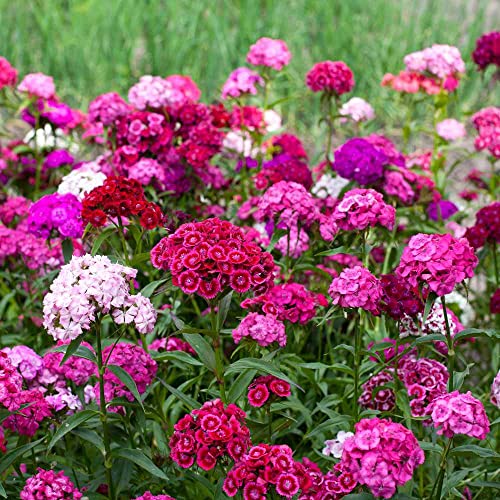
Outsidepride Sweet William Dianthus Seeds (5000 Pcs.)

Perennial Species Mix 5g Envelope (2,500 Seeds)

Eden Brothers Partial Shade Wildflower Mix (1/4 lb)

Marde Ross & Company Russell Lupine Seeds (100 Mixed)

Purple Blazing Star Liatris Bulbs (5 Fresh Corms)

100 Pink Coneflower (Echinacea) Heirloom Seeds

Hollyhock Seeds 3000+ Bulk Pack (Mixed Colors)

Proven Winners Double Play Doozie Spirea Shrub (2 Gal.)
More Details On Our Top Picks
Sweet William has been a cottage-garden workhorse for generations, and this generous packet from Outsidepride keeps that tradition affordable. Dianthus barbatus, the species behind those flat-topped flower clusters, thrives across a wide climate range, which is why it consistently appears on Zone 6b planting lists.
For a 6b gardener with a sunny border or cutting bed, the main appeal is the sheer volume of seed, enough to scatter across a meaningful patch rather than ration every pinch. The fragrant blooms pull in bees and butterflies, and the cut flowers hold up well indoors. If you want color you can actually smell without a perfumed body spray nearby, Sweet William delivers that old-school sensory payoff.
Advantages To Know
- Hardy in USDA Zones 3 through 9, comfortably covering 6b winters and shoulder seasons
- Around 5,000 seeds per packet, plenty for a full border or scattered cottage planting
- Fragrant blooms draw bees, butterflies, and other pollinator visitors through summer
- Works as a cut flower, so you can bring color indoors without stripping the garden
- Drought-tolerant once roots establish, easing summer watering chores
Things To Consider
- Biennial-leaning habit in some climates, so first-year foliage may not flower heavily
- Seed-grown starts need thinning to prevent overcrowding and weak stems
- Can self-sow enthusiastically, which some gardeners love and others consider extra maintenance
Quick Facts
Right Fit For
Cottage gardeners and cut-flower enthusiasts in Zone 6b who want fragrance and pollinator value in one packet.
A Better Fit Elsewhere
Anyone wanting a ready-made mix of species rather than a single variety should look at the Eden Brothers Partial Shade Wildflower Mix instead.
FAMILY SOWN’s 5-gram envelope leans into the “scatter and see what happens” approach to gardening, but with perennials, so the show returns year after year. With roughly 2,500 seeds, it’s sized for a small-to-medium naturalized patch rather than a single tidy row.
For 6b gardeners tired of fighting annual beds that disappear every October, this mix swaps that churn for steady regrowth. Species diversity also cushions against weather mood swings: a cold snap might knock back one type while neighbors shrug it off. The mix handles borders or casual meadow-style plantings equally well, giving you flexibility on layout.
Positive Points
- Around 2,500 seeds in a 5g envelope, enough to cover about 20 square feet
- Perennial blend reduces yearly replanting effort compared with annual mixes
- Multiple species create staggered bloom windows through the season
- Works for borders, naturalized areas, or a low-fuss meadow patch
Worth Noting
- Mixed wildflower plantings can look uneven in formal garden designs
- Germination rates vary widely by species within a blend
- You’ll need to identify seedlings to keep aggressive types from crowding out others
Made For
Low-maintenance gardeners in 6b who want a one-shot seeding that fills in over multiple seasons without constant replanting.
Reach For A Different Pick When
Honeybee and butterfly chasers who want specifically shade-tolerant species should pick the Eden Brothers Partial Shade Wildflower Mix for better match.
Eden Brothers has built a name in the seed-mix category, and this 1/4-pound partial-shade blend is one of their more useful offerings for tricky spots. A 1/4-pound packet covers between 250 and 500 square feet, which means a meaningful stretch of woodland edge rather than a single pot.
For 6b gardeners fighting morning shade under maples or a north-facing fence line, this mix solves a common frustration. The non-GMO blend includes species that genuinely tolerate dappled light, so you’re not just hoping the full-sun packets survive. Bumblebees and hummingbirds love the resulting blooms, turning a shady corner into actual habitat.
Why It Works Well
- Covers roughly 250 to 500 square feet per 1/4 lb packet, scaling to most backyard projects
- Includes around 27 species suited to partial shade, giving the mix resilience across weather swings
- Non-GMO seed with no fillers, so the bulk isn’t wasted on inert material
- Attracts bees, butterflies, and hummingbirds to shaded garden corners
- Listed as deer resistant, though individual results vary by browsing pressure
Honest Caveats
- “Partial shade” still means some light, so deep shade under dense evergreens may struggle
- Includes some annual species, so first-year color won’t all return next season
Best Suited To
Zone 6b gardeners with dappled-light beds or woodland edges who need a multi-species shade mix rather than guessing which species tolerate less sun.
Consider Something Else When
Anyone chasing a single iconic perennial (like lupine spires) would do better with the Marde Ross & Company Russell Lupine Seeds for that signature vertical form.
Russell lupines do something most perennials don’t: they reach skyward on 36 to 48-inch flower spikes packed with pea-shaped blooms. Marde Ross & Company has been a California nursery since 1985, and this packet is sized for gardeners who want statement plants rather than mass ground cover.
For 6b beds where shorter perennials leave the back of the border flat, lupines add the height layer without resorting to fencing or trellises. The seeds store refrigerated for freshness, which supports more reliable germination during the typical 14 to 30-day sprouting window. Unlike the wildflower mixes above, this is a single-species commitment, so you get a focused color story.
Features That Help
- Grows 36 to 48 inches tall, creating vertical drama in mid-border or back-border positions
- Mix of purple, pink, and blue flower spikes gives multi-color impact from one packet
- Hardy in USDA Zones 3 through 9, well within Zone 6b winter conditions
- Seeds kept refrigerated for freshness, supporting the stated 14 to 30-day germination window
Trade-Offs
- Only about 100 seeds per packet, so coverage is limited compared to wildflower blends
- Lupines can be slow to establish and may skip flowering in their first year
- Pea-shaped blooms attract aphids, which can require monitoring during peak growth
Quick Facts
Who Should Grab It
Zone 6b gardeners wanting architectural height and a clear color story in the back of a sunny border or meadow-style planting.
Skip It When
Anyone with heavy browsing pressure should reach for the Eden Brothers Partial Shade Wildflower Mix, which lists deer resistance.
Liatris spicata, commonly called blazing star or gayfeather, is one of those native-friendly perennials that pulls in monarch butterflies and goldfinches. These five large corms from Marde Ross & Company ship in refrigeration-controlled storage to keep them viable, which is a meaningful detail for bulb buyers.
For 6b gardeners wanting prairie-style plantings, the appeal is twofold: the plants reach up to 40 inches tall with fuzzy purple blooms, and the corms are much easier to plant than fiddling with tiny seeds. They fit naturally into pollinator-focused designs and tolerate summer heat well, which matters during humid 6b July stretches.
Well-Handled Touches
- Reaches up to 40 inches tall with velvety purple flower spikes
- Corms ship from refrigerated storage, supporting viable planting
- Native-friendly species that supports pollinators and seed-eating birds
- Slender, grass-like foliage adds texture before and after bloom
- Suited to borders, natural gardens, and fresh-cut arrangements
Room For Improvement
- Only five corms per pack, so coverage is limited without buying multiples
- Liatris prefers well-drained soil and may rot in heavy clay without amending
Whose Shelf It Belongs On
Pollinator-focused Zone 6b gardeners who want native-friendly vertical color and would rather plant corms than start seeds indoors.
Look Elsewhere When
Anyone who wants a season-long color show from a single packet will get more value from the FAMILY SOWN Perennial Species Mix with its multi-species blend.
Echinacea, or purple coneflower, has earned its reputation as a backbone perennial for good reason: it’s tough, forgiving, and pulls in pollinators without fuss. NYGardenia’s pink variety arrives as a 100-seed packet of non-GMO heirloom stock, which appeals to seed savers.
For 6b first-timers, coneflowers check the boxes that matter: full sun tolerance, well-drained soil flexibility, and reliable return each spring. Mature clumps develop multiple flowering stems from a basal rosette of foliage, building visual mass over a few seasons. Compared to the wildflower mixes above, this packet is a focused single-species play, which makes garden planning easier.
What Works In Its Favor
- Non-GMO heirloom seeds suited to seed-saving gardeners
- Upright herbaceous perennial that develops flowering stems from basal foliage
- Pollinator-friendly, drawing bees and butterflies through summer
- 100 seeds per packet gives room for succession plantings or fuller clumps
- Established plants tolerate dry spells, easing summer watering demands
Small Caveats
- Petals vary naturally in shade, so pink tones aren’t perfectly uniform across plants
- First-year growth often focuses on roots rather than heavy flowering
- Young plants need consistent moisture until established
Quick Facts
Built With In Mind
Zone 6b beginners wanting a single-species project with reliable results and built-in pollinator value.
Where Another Pick Suits Better
Anyone who wants immediate garden impact without waiting through a seedling stage should pick the Proven Winners Double Play Doozie Spirea Shrub instead.
Hollyhocks are the classic cottage garden tower, sending flower spikes up along fence lines, against barn walls, or behind shorter border plants. EquSym’s 3,000+ seed pack dwarfs most packets in this category, which is the main draw for anyone planning a sizeable display.
For 6b gardeners with bare fencing or a long stretch to cover, the bulk count removes the seed-budgeting problem entirely. Mixed colors mean a varied palette of reds, yellows, pinks, and whites without choosing single-variety packets. Bees and butterflies work the blooms heavily, so pollinator value comes built in alongside the visual impact.
The Practical Payoff
- Over 3,000 seeds per pack, ideal for fence lines, large beds, or back-of-border massing
- Mixed-color packet includes red, yellow, pink, white, and additional shades
- Perennial habit supports regrowth across multiple seasons
- Known to attract butterflies and bees during bloom
- Suited to outdoor gardens, flower beds, and backyard borders
Practical Considerations
- Hollyhocks can develop rust (a fungal leaf disease) in humid 6b summers without airflow
- Tall stems may need staking in exposed locations to prevent wind toppling
- Biennial-leaning tendencies mean first-year foliage precedes second-year flowers
Who Will Love This
Zone 6b gardeners with fence lines, barn walls, or large border backdrops who want a tower of mixed-color blooms across multiple seasons.
Not Your Match When
Anyone working with tight urban beds should consider the Outsidepride Sweet William Dianthus Seeds for a shorter, more contained habit.
Spirea is one of those dependable shrubs that handles neglect better than most flowering plants, and Proven Winners’ Double Play Doozie raises the bar with non-stop blooming on a seedless, non-invasive form. The 2-gallon pot size means a mature-enough plant to make an impact the same season you set it out.
For 6b gardeners who’d rather skip the seedling phase entirely, a live shrub fills space without a multi-year wait. It thrives across USDA zones 3 through 8, comfortably covering 6b, and tops out around 24 to 36 inches in both height and spread. Compared to the seed-based picks above, this one trades patience for instant landscape structure.
Benefits That Matter
- Hardy in USDA zones 3 through 8, well within typical 6b winter conditions
- Mature size of 24 to 36 inches wide and tall, fitting most foundation or border spots
- Seedless and non-invasive, sidestepping the volunteer-seedling problem common to older spireas
- Deciduous habit means clean seasonal foliage loss and fresh spring regrowth
- Adaptable to full sun or partial shade locations
Worth Bearing In Mind
- 2-gallon pots weigh more than seed packets, so plan for pickup or delivery logistics
- Bloom performance depends on adequate sunlight, so deep-shade corners underperform
Quick Facts
Perfect Match For
Zone 6b gardeners who want instant landscape structure and would rather plant a shrub than start a seed-grown perennial from scratch.
Swap It Out When
Anyone on a tight seed-starting budget who wants max coverage per dollar will get more plant volume from the EquSym Hollyhock 3,000+ seed pack.
What To Weigh Before Choosing Perennials For Zone 6b
Match The Plant To Your Hard Reality
Zone 6b swings from roughly -5°F to 0°F in winter, with summer highs that punish tender plants. Check the hardiness range on any packet before falling in love with a photo, since a Zone 7-only plant will limp through 6b winters at best. Sun exposure matters just as much: a shade-loving species baked into full sun wilts by July regardless of how much you water.
Soil Drainage Decides More Than You Think
Many of these perennials, particularly lupines, liatris, and echinacea, prefer well-drained soil and sulk in heavy clay. Amending with compost before planting pays off for years, while skipping that step often leads to rot during wet spring thaws. Sandy or raised beds sidestep the problem entirely for gardeners dealing with stubborn clay.
Bloom Timing Shapes The Whole Season
Single-species plantings leave gaps in the calendar, which is why multi-species mixes like the Eden Brothers Partial Shade Wildflower Mix or the FAMILY SOWN Perennial Species Mix earn their keep. Staggering bloom times through spring, summer, and fall keeps the garden interesting instead of peaking for two weeks and going quiet. Pairing early and late bloomers is the cheapest way to extend color without buying more plants.
Seed Vs. Live Plant Is A Real Trade-Off
Seed packets cost less per plant and offer variety, but they ask for patience and a reliable germination setup. Live shrubs like the Proven Winners Double Play Doozie deliver instant structure at higher cost. Your tolerance for waiting through one or two growing seasons usually decides which path makes more sense.
Key Considerations Across These Picks
Where Shoppers Go Wrong
Buying for full sun when your bed gets afternoon shade is the most common Zone 6b planting mistake, and it dooms healthy root systems to struggle for light. Another trap is assuming drought tolerance means zero watering, since even tough coneflowers and liatris need consistent moisture during their first season to establish. Always check mature size, not just the cute gallon pot at the nursery, before placing a shrub.
What The Higher Tier Buys
A pricier live shrub like the Proven Winners Double Play Doozie essentially buys time, skipping the one to two years a seed-grown perennial needs to reach impact size. Refrigerated seed storage and larger corm counts cost more because they translate into better germination and faster establishment. The premium for native-friendly species or non-GMO heirloom stock pays off in pollinator value and seed-saving flexibility, both real returns over a decade of gardening.
Frequently Asked Questions
What Are The Easiest Perennials To Grow In Zone 6b?
Echinacea (coneflower), liatris, and hollyhock rank among the most forgiving for 6b gardens because they tolerate a wide range of soil conditions and need minimal babying once established. Sweet William and lupines also perform well, though they ask for a bit more patience during the establishment phase.
When Should I Plant Perennials In Zone 6b?
Fall and early spring are the two main planting windows for Zone 6b, since cooler soil temperatures reduce transplant shock and let roots settle before summer stress. Bulbs and corms like liatris can go in once soil is workable in spring, while lupine seeds often germinate best with fall sowing.
Do I Need To Water Perennials During Zone 6b Winters?
Established perennials generally don’t need winter watering in 6b, but newly planted specimens benefit from watering before the ground freezes if fall has been dry. The goal is moist, not soggy, soil at frost entry so roots don’t desiccate through winter winds.
Can I Grow These Perennials In Containers?
Most of the seed-grown perennials on this list can start in containers for later transplanting, though mature shrubs like the Double Play Doozie spirea need large pots (15 gallons or more) to thrive long-term. Drainage holes matter more than pot size, since soggy roots kill more container perennials than cold ever does.
How Long Until These Perennials Reach Full Size?
Seed-grown perennials typically reach full size in two to three growing seasons, with light or no bloom in year one. Live shrubs in 2-gallon pots reach mature dimensions within one to two seasons, which is part of why they cost more than seed packets.
Bottom Line
The right perennial for Zone 6b comes down to matching your site’s sun, soil, and patience level to a plant’s real requirements rather than its catalog photo. Seed packets reward gardeners willing to wait, while live shrubs trade dollars for instant structure. Whichever path you pick, start with one or two species and build from what actually performs in your specific yard.
