

Zone 7 sits in a sweet spot for gardeners. Winter lows stay mild enough that a long list of perennials thrive, while summers still push the thermometer high enough for heat lovers to perform. The trouble is choosing. Seed packets and bareroot bundles all promise color year after year, yet actual hardiness, bloom timing, and maintenance needs vary widely. This guide looks at eight strong options across seeds and live plants, comparing them on what genuinely matters in your backyard: climate fit, sunlight needs, bloom behavior, and the kind of gardener each one suits best.
A Side-By-Side Look

Fruivity Wildflower Seeds Bulk Butterfly Hummingbird Mix
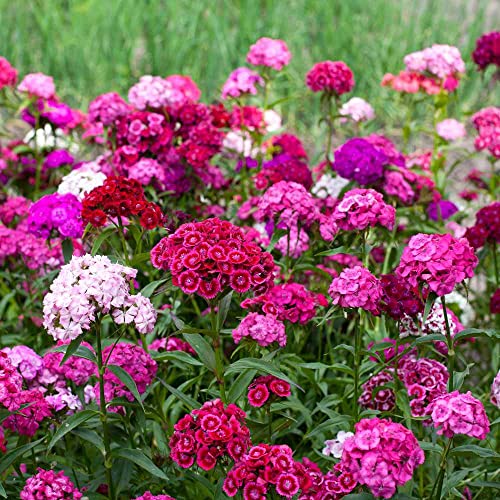
Outsidepride Sweet William Dianthus Seeds 5000 Pcs

Family Sown Perennial Species Mix 5g Envelope

Survival Garden Seeds Purple Alyssum Seeds

Outsidepride Blue Flax Seeds 5000 Pcs

Gardening4Less 9-Pack Hosta Bare Root Plants

Perfect Plants Nanho Blue Butterfly Bush 1 Gallon

Marde Ross & Company Russell Lupine Seeds Perennial
A Breakdown Of The Leading Choices
Big, sweeping pollinator beds start with a generous seed mix, and this Fruivity blend aims straight at that goal. It packs a 21-variety mix of heirloom wildflowers designed to draw butterflies and hummingbirds across a long season. For gardeners with a sunny patch they want to turn into a low-maintenance meadow, the breadth of varieties removes the guesswork of pairing species that bloom in sequence.
Zone 7 sits comfortably inside its range, so most species establish without coddling. In our view, the appeal is really about scale. You get enough seed to cover a meaningful area rather than a small strip, which suits anyone planting a first wildflower strip or restoring a tired lawn corner.
Real-World Strengths
- 21 heirloom varieties provide staggered color from spring into fall
- Generous seed count covers a larger area than typical packets
- Built to attract butterflies and hummingbirds without extra planning
- Suitable for full sun and average garden soil
Things To Consider
- Mixed wildflower blends germinate unevenly, so expect some bare patches early
- Annual and perennial species behave differently in year one
- Owners commonly report reseeding each fall helps maintain density
Whose Garden It Belongs In
Best for gardeners converting a sunny patch into a pollinator-friendly meadow with minimal per-plant fuss.
Look Elsewhere When
Choose the Outsidepride Sweet William Dianthus Seeds instead when you want a tighter, cottage-style planting of one fragrant species.
Sweet William is the classic cottage-garden perennial, and this Outsidepride packet leans into that tradition. It produces around 5,000 seeds of Dianthus barbatus, a winter-hardy perennial that thrives across USDA zones 3 through 9. Zone 7 sits squarely in the middle of that range, which means strong establishment and reliable returns year after year.
The flowers are dense, clove-scented clusters in mixed colors, and they pull in pollinators without much encouragement. Compared to the broad Fruivity mix above, this is a focused species pick for gardeners who want uniform color blocks.
Benefits That Matter
- 5,000 seeds offer strong coverage for border drifts and cutting beds
- Fragrant, long-lasting blooms suited to indoor arrangements
- Cold-hardy perennial that returns reliably in zone 7
- Strong pollinator appeal for bees and butterflies
Worth Noting
- Biennial-leaning growth habit can delay full bloom to the second year
- May need staking in rich soil where stems grow tall
Feature Snapshot
Right Fit For
Best for cottage-style gardeners who love fragrant cut blooms and want a single species anchoring a border.
Skip It When
Pick the Fruivity Wildflower mix instead when you’d rather have multi-species variety than a focused color block.
The Family Sown Perennial Species Mix arrives in a generous 5-gram envelope holding roughly 2,500 seeds, sized to cover about 20 square feet of bed. Where the Fruivity blend blends annuals and perennials, this packet sticks to perennials only, which matters if your goal is a flower bed that genuinely returns year after year.
It’s a naturalized-style mix, so you scatter, rake in, and let the bed evolve rather than plant in tidy rows. For gardeners who want a low-input planting that improves over time, the species variety handles the design work for you.
A Few Highlights
- Perennial-only blend for beds that return reliably
- Generous seed count supports a meaningful planting area
- Suited to naturalized borders and informal beds
Trade Offs
- Mix composition isn’t itemized, so bloom color can be a surprise
- May take a full season to show its full character
Made For
Best for gardeners building a low-maintenance naturalized bed with steady, multi-year returns.
Where Another Pick Suits Better
Pick the Outsidepride Blue Flax Seeds instead when you want one specific color theme in a dry, sunny spot.
Sweet alyssum earns its place as one of the easiest scented ground covers around, and this Survival Garden Seeds pack focuses on the purple ‘Royal Carpet’ selection. The plant grows low, spreads into a fragrant mat, and pulls in pollinators from spring into the cooler months. In Zone 7, you can treat it as a cool-season perennial or grow it as a frost-tolerant annual depending on your microclimate.
Where the lupines and butterfly bush in this roundup shoot upward, alyssum spreads outward, making it the right pick for path edges, bed fronts, and tucking into gaps.
What Stands Out
- Honey-scented carpet of purple blooms
- Pollinator-friendly ground cover that softens bed edges
- Easy to start in containers or directly in beds
Honest Caveats
- Frost-sensitive perennial often grown as a cool-season annual
- Best performance in cooler shoulder seasons rather than mid-summer
Best Suited To
Best for gardeners filling bed edges, path cracks, and container borders with low fragrant color.
Not Your Match When
Pick the Perfect Plants Nanho Blue Butterfly Bush instead when you need a tall anchor shrub in full sun.
Blue flax delivers exactly what its name suggests: airy sky-blue flowers on slender stems that wave gently above compact foliage. This Outsidepride packet ships around 5,000 seeds of a perennial flax that self-seeding in the bed, so plantings naturally thicken over the seasons. It grows roughly 12 to 24 inches tall and thrives across a wide climate window from USDA zones 3 through 10.
Drought tolerance is the headline feature. In Zone 7, that translates to a flower that holds up through dry August stretches without constant watering. Compared to the multi-species mixes above, this is a focused color and texture pick.
Useful Highlights
- Sky-blue blooms that sway softly above compact foliage
- Self-seeding habit fills gaps year after year
- Drought-tolerant once established
- Performs well in borders, meadows, and rock gardens
Points To Keep In Mind
- Individual blooms last only a day, though plants bloom steadily
- Prefers well-drained soil and struggles in heavy wet clay
Quick Facts
Who Should Grab It
Best for gardeners with dry, sunny beds who prefer soft color and minimal summer watering.
Consider Something Else When
Pick the Family Sown Perennial Species Mix when you’d rather see varied blooms than a single-color theme.
Every Zone 7 garden eventually runs into a shady corner where flowering plants sulk. Hostas are the reliable answer, and this 9-pack from Gardening4Less ships bare-root divisions ready to plant. Mature clumps spread 20 to 60 inches across, filling tough spots with heart-shaped foliage in a pleasing range of greens.
The trade-off versus seed options is patience versus instant scale. You plant live root divisions and watch them bulk up over one or two seasons. Compared to the wildflower mixes earlier, hostas deliver foliage drama rather than meadow color.
Key Advantages
- Shade-loving foliage fills tough corners where flowers struggle
- Hardy in USDA zones 3 through 8
- Nine-plant pack covers a meaningful border or bed
- Mildly fragrant purple or white blooms in midsummer
Practical Considerations
- Bare-root plants need watering through the first growing season
- Slugs and deer commonly target hosta foliage in some regions
- Mature spread varies by variety and may need thinning
Built With In Mind
Best for shade gardeners who want foliage texture and structure rather than meadow color.
Swap It Out When
Pick the Fruivity Wildflower mix instead when your planting area is mostly full sun and you want flower color.
Butterfly bushes anchor a sunny border with purple-blue conical flower heads that pull in pollinators all season. The Nanho Blue selection stays more manageable than standard buddleia, and the 1-gallon size from Perfect Plants gives you a head start compared to seed options. Zone 7 falls within its hardiness range, and the plant tolerates drought once roots establish.
The catch with butterfly bush is its vigor. In our view, a single 1-gallon plant turns into a sizable shrub quickly, so plan space accordingly. Compared to the seed-based options above, you’re paying for instant presence.
Bright Spots
- Honey-scented purple-blue flower spikes
- Strong pollinator appeal across the growing season
- Drought-tolerant once established
- Live 1-gallon plant offers faster impact than seeds
Things To Weigh Up
- Fast growth means annual pruning to keep shape tidy
- May self-seed aggressively in some microclimates
- Rabbit browsing varies by region
Feature Card
The Right Fit
Best for gardeners who want a live anchor shrub that draws pollinators from the first season.
Reach For A Different Pick When
Choose the Survival Garden Seeds Purple Alyssum instead when you want low fragrant color rather than a tall shrub.
Russell lupines bring vertical drama to a Zone 7 border, sending up 36 to 48-inch flower spikes packed with pea-like blooms in purple, pink, and blue. Marde Ross & Company ships about 100 seeds from a California nursery that’s been growing perennials since 1985, and the seeds are kept in temperature-controlled storage to support reliable germination.
Sow them outdoors in fall or early spring and expect sprouts in 14 to 30 days. Hardy across USDA zones 3 through 9, they handle Zone 7 winters comfortably. Compared to the broad wildflower mixes above, lupines deliver one strong visual statement rather than scattered color.
Why It Works Well
- Vertical flower spikes add height variation to borders
- Cool color palette blends purple, pink, and blue
- Perennial across USDA zones 3 to 9
- Suitable for fall or spring sowing
Potential Drawbacks
- Smaller seed count than the larger wildflower packets
- Seedlings benefit from cold stratification for strong germination
Quick Technical Notes
Who Will Love This
Best for cottage gardeners wanting tall, vertical flower spikes in cool mixed colors.
A Better Fit Elsewhere
Pick the Outsidepride Sweet William Dianthus Seeds when you’d rather have fragrant mid-border color than tall spires.
Choosing The Right Perennials For Your Zone 7 Garden
Match Plants To Your Light Conditions
Sun, shade, or a mix changes everything in a Zone 7 yard. Blue flax, butterfly bush, and wildflower mixes all demand full sun, while hostas thrive where sun-loving flowers fade. Walk the bed at different times of day before ordering, since morning sun and afternoon shade behave differently than the reverse. Choosing plants that match your actual light conditions removes most of the maintenance headaches later.
Decide Between Seeds And Live Plants
Seeds give you scale and a low upfront investment, but they ask for patience and uneven germination. Live plants in containers deliver faster impact and a defined starting size, which helps when you need a single anchor shrub. Zone 7’s long growing season rewards both approaches, though seeds work best when sown in fall or early spring for natural stratification.
Plan Bloom Timing And Color
A bed of plants that all peak in May looks tired by July. Stagger bloom times across perennials so something stays in flower from spring into fall. The wildflower mixes handle this internally, while single-species picks like lupines and sweet william benefit from pairing with other bloom periods. Color repetition pulls a bed together more than tight matching ever will.
Account For Maintenance And Spread
Some perennials stay politely where you plant them, and others self-seed freely. Blue flax and butterfly bush both spread over time, while hostas expand slowly through division. Consider how much editing you want to do each season before choosing plants that can naturalize aggressively in Zone 7’s mild winters.
What Matters Most Before You Order
Pitfalls Shoppers Hit
The most common mistake in Zone 7 perennial buying is choosing plants by color photo rather than by zone fit and light needs. A stunning bloom shot means nothing if the plant struggles in your soil or wilts in afternoon sun. Read the variety details, confirm the hardiness range includes Zone 7, and match mature size to the space you actually have. Buying more than your bed can hold turns a thoughtful planting into a thinning project within two seasons.
Where The Extra Money Goes
Higher-tier perennial picks typically command more for one of three reasons: a larger container size, a specialty cultivar with distinct characteristics, or a more labor-intensive supply chain. Live 1-gallon shrubs cost more than seed packets because you skip the germination wait entirely. Specialty selections like ‘Nanho Blue’ buddleia or ‘Royal Carpet’ alyssum offer refined traits such as compact growth or unusual color. Spending more pays off when you need immediate presence, a specific size constraint, or a named cultivar that mass-market mixes can’t guarantee.
