

Zone 8 stretches across mild-winter pockets from the Pacific Northwest down through the South and across the Southwest, and the perennials that thrive there aren’t the same ones your grandmother grew in New England. Long, humid summers, occasional freezes, and stretches of drought ask more of a plant than just looking pretty in a catalog. You need options that handle heat, shrug off a dry spell, and come back stronger each spring.
This lineup mixes live plants and seed packets so you can plan a layered bed, fill a shaded corner, or carpet a sunny slope without breaking the budget. Whether you’re replacing a tired strip along the driveway or starting a pollinator patch from scratch, there’s a fit below.
The Shortlist At A Glance

Perennial Farm Marketplace Delosperma Cooperi Hardy Ice Plant Quart
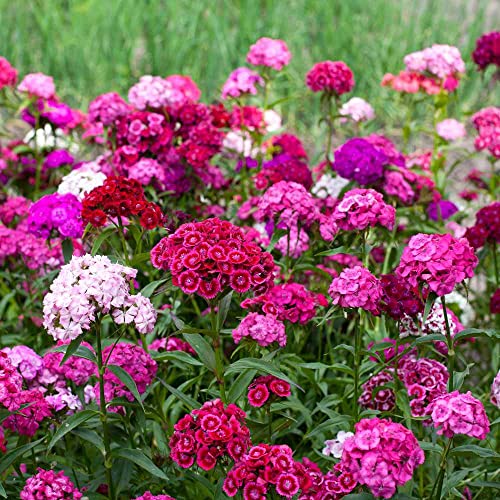
Outsidepride Sweet William Dianthus Seeds 5000 Pcs.

185+ Mix Color Hosta Seeds for Planting

SVI 1500 Mountain Phlox Seeds Ground Cover

Perfect Plants Nanho Blue Butterfly Bush 1 Gallon

Marde Ross & Company Russell Lupine Seeds Perennial
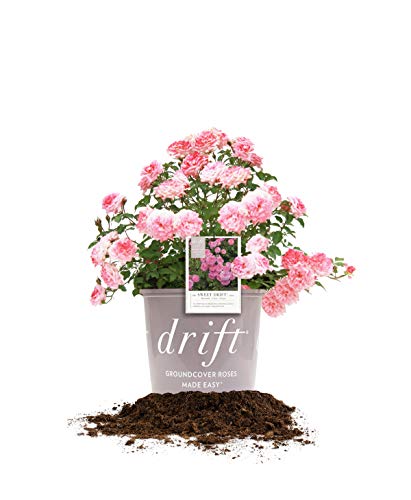
Perfect Plants Sweet Drift Rose 1 Gallon
The Picks, Examined More Closely
Tough, trailing, and surprisingly cheerful, Delosperma cooperi (commonly called hardy ice plant) earns its place in Zone 8 gardens that bake all summer. You receive a live quart-size plant with succulent foliage that spills over rock walls, container rims, and curb strips without constant babying. The rosy pink, daisy-like flowers open through the warm months and draw pollinators when other sun-loving plants have checked out.
For gardeners who forget to water (or simply want a low-input bed), this succulent perennial handles drought far better than most flowering picks on this list. It thrives in lean soil, shrugs at humidity, and asks only for sharp drainage and a sunny spot.
Practical Advantages
- Tolerates reflected heat along driveways, patios, and south-facing walls where fussier plants crisp up.
- Masses of pink blooms from late spring well into fall, giving you color when summer annuals fade.
- Trailing habit fills gaps between pavers and spills attractively over retaining walls.
- Drought tolerance translates into real water savings across a typical Zone 8 summer.
- Listed hardy in zones 5 through 9, so it tolerates the occasional hard freeze common to northern Zone 8 pockets.
Things To Consider
- Plants shipped between November and March may arrive dormant and trimmed, which can confuse first-time owners who expect lush growth out of the box.
- Wet, heavy clay without drainage amendment tends to rot the crown, so raised beds or berms help in dense soils.
Quick Facts
Made For
Sun-baked beds, curbside strips, and any gardener who wants season-long color with almost no supplemental watering.
Look Elsewhere When
You need a tall, vertical anchor, since the Marde Ross & Company Russell Lupine delivers that cottage-garden height instead.
Sweet William (Dianthus barbatus) brings that old-fashioned cottage-garden fragrance back into modern beds, and Outsidepride’s bulk packet lets you sow an entire border for the cost of a single nursery flat. Count on roughly 5,000 seeds per pack, plenty to cover a generous patch or share with neighbors. In Zone 8, fall sowing often delivers the strongest first-year blooms because seedlings establish roots through mild winters and explode once spring warms up.
Compared to the live Delosperma quart earlier, this pick trades instant gratification for scale. You trade a single established plant for a sweeping drift of claret, pink, and bicolor clusters that pollinators love and that you can snip freely for vases.
The Value In It
- Perennial in zones 3 through 9, giving you plenty of cold tolerance on top of Zone 8 warmth.
- Fragrant blooms attract bees, butterflies, and beneficial hoverflies.
- Cut-and-come-again habit rewards regular harvesting for indoor arrangements.
- Bulk seed count makes it one of the most affordable ways to cover a large bed.
Points To Note
- Biennial-leaning behavior in mild winters means the strongest show often arrives in year two, which tests your patience.
- Surface watering during germination is widely reported as the trickiest stretch, since the top of the soil must stay evenly moist.
Who It Suits Best
Patient gardeners willing to plan ahead for a fragrant, pollinator-heavy cutting garden on a tight budget.
Skip It When
You want a finished-looking landscape the week you plant, since the Perfect Plants Sweet Drift Rose comes in already flowering and full.
If the only “soil” you have is the dry shade under a magnolia or the north side of the garage, hostas are the dependable answer. This seed mix leans into variety, with blue, purple, and white-toned foliage patterns that add texture long before any summer flower stalk shows up. Hardy across USDA zones 3 through 9, hostas slide into Zone 8 without complaint and handle the humid summers that turn fussier plants to mush.
Unlike the sun-baked Delosperma quart you saw first, hostas thrive precisely where that succulent would sulk. You give up instant height and accept that hostas from seed are a multi-year build, but the trade is a leafy carpet that comes back thicker each spring.
Useful Highlights
- Affordable alternative to mature potted hostas, which can run several times the price at retail nurseries.
- Mixed foliage colors and patterns keep a shady bed from looking monotone.
- Slugs and snails aside, hostas handle neglect better than most leafy perennials.
- Summer flower spikes pull in hummingbirds when the rest of the shade garden sits quiet.
Trade Offs
- Seed-started hostas typically need two to three full seasons before they reach the dramatic sizes you see in catalogs.
- Slug pressure tends to spike in damp Zone 8 mulch, so some form of bait or copper barrier is a common companion purchase.
Feature Snapshot
Best Suited To
Patient shade gardeners ready to invest a couple of seasons into a leafy foundation under trees or along foundations.
Consider Something Else When
You need flowers in the first summer, since the Perfect Plants Sweet Drift Rose blooms within weeks of planting.
Mountain phlox (Linanthus grandiflorus) is one of those quiet California natives that punches above its weight in a scented carpet role. The plants stay low, roughly 18 inches at bloom, and spread into a tidy mat that softens path edges, fills gaps between stepping stones, and trails out of containers. About 1,500 seeds per pack let you broadcast a respectable patch without much strain on the budget.
You’ll notice the real difference from the seed-grown Sweet William earlier: where Dianthus clusters into upright clumps, mountain phlox flattens into fragrant groundcover. It behaves more like a living mulch than a vertical accent, which makes it perfect for layering in front of taller picks.
A Few Highlights
- Sweet perfume carries surprisingly far from a small planting.
- Soft white and blush-pink starry blooms blend easily with bolder perennials.
- Forms low, weed-suppressing mats once established.
Small Caveats
- Sourced as a California native annual in many climates, so it may not return dependably in Zone 8 the way a true perennial would.
- Germination rewards steady moisture during the establishment window, which can be a balancing act in dry Zone 8 springs.
Perfect Match For
Gardeners who want a scented, low layer in rock gardens or along path edges and don’t mind reseeding each year.
A Better Fit Elsewhere
You want permanent ground cover that comes back without help, since the Delosperma cooperi quart handles that role as a true perennial.
The Nanho Blue butterfly bush earns its reputation the easy way: it grows fast, smells like honey, and pulls in pollinators from across the neighborhood. You get a 1-gallon live plant, sized to establish quickly once tucked into a sunny bed. Conical blue-purple flower heads appear through summer and into fall in mild Zone 8 autumns, which matters more than you’d think as other nectar sources fade.
Compared to the seed-grown hosta mix earlier, this is a wholly different scale of plant. You trade years of patience for a sizable anchor that fills a corner of the yard within a single season, with drought tolerance and rabbit resistance baked in.
The Upside
- Fast growth rate fills empty back borders within a single growing season.
- Aromatic, honey-scented flower spikes pull in butterflies, bees, and hummingbirds.
- Drought tolerant once the root system digs in, easing summer water bills.
- Rabbit resistant, a meaningful bonus for gardeners fighting wildlife browsing.
- Fragrant foliage adds another layer of scent even between bloom cycles.
Points To Keep In Mind
- Butterfly bush is considered invasive in some regions, so check your local cooperative extension guidance before planting in open natural areas.
- Hard pruning each spring is commonly recommended, so plan on late-winter shearing as a routine task.
Who Should Grab It
Wildlife-focused gardeners who want a sizable, fast anchor shrub that doubles as the season’s main pollinator hub.
Another Choice May Suit
You’re layering a tidy front border, since the lower-growing Perfect Plants Sweet Drift Rose stays compact and more contained.
Russell lupines are the spiky exclamation point of the cottage garden, reaching roughly 36 to 48 inches with dense, pea-like flower spikes in purple, pink, and blue blends. This Marde Ross & Company pack contains around 100 seeds, raised by a California nursery that’s been around since 1985, and the seeds are kept in temperature-controlled storage to support reliable germination. Hardy across zones 3 through 9, lupines slot cleanly into Zone 8 beds.
Think of lupines as the vertical answer to the flatter mountain phlox you’ll meet in the next review. Where the phlox hugs the path edges, lupines rise above them and create layered depth. Sow in fall or early spring and expect germination within 14 to 30 days under decent conditions.
Everyday Wins
- Tall flower spikes add dramatic vertical structure to back borders.
- Pea-like blooms in mixed colors create a watercolor effect rather than a flat color block.
- Hardy across a wide zone range, including all of Zone 8.
- Cool-season performance bridges the gap before summer bloomers hit their stride.
Where It Is Less Suited
- Alkaline, heavy clay common in parts of Zone 8 tends to stunt lupines, which prefer slightly acidic, well-drained soil.
- About 100 seeds per pack is modest for very large meadow plantings, so larger patches may require multiple packs.
Right Fit For
Cottage-garden enthusiasts with acidic, well-drained soil who want tall late-spring drama in the back of the border.
Reach For A Different Pick When
Your soil leans alkaline or heavy, since the Perfect Plants Nanho Blue Butterfly Bush tolerates a much wider range of soil types.
Sweet Drift roses earn their spot because they solve a very specific Zone 8 problem: how do you keep color in the front of the border from late spring through fall without deadheading every other day? The answer is this low, spreading rose with baby-pink blooms that open across roughly eight to nine months of the year in mild climates. You receive a 1-gallon live plant that establishes fast and spreads along walkways and mailbox plantings.
Mature size tops out around 1 to 2 feet tall and 2 to 3 feet wide, so space them about 3 feet apart for an even carpet. Compared to the tall lupines in the prior review, this is the lower, mounding layer that complements them rather than competes for vertical space.
Positive Takeaways
- Multi-month bloom season outlasts most flowering perennials on this list by a wide margin.
- Mounding, groundcover-style growth fills walkways and mailbox bases without constant shaping.
- Arrives with included plant food to support the establishment window.
- Full-sun preference matches typical Zone 8 garden exposure with no fuss.
Honest Caveats
- This listing does not ship to California or Arizona, so gardeners in those states must source locally.
- Drift roses resist disease well but benefit from a light annual feeding, which adds a recurring maintenance step.
Feature Rundown
Whose Garden It Belongs In
Homeowners who want months of soft pink color along walkways, patios, and mailbox plantings without re-planting annuals.
Swap It Out When
You live in California or Arizona, where the Outsidepride Sweet William seeds provide dependable seasonal color by mail.
Picking The Right Perennials For Zone 8 Yards
Match The Plant To The Microclimate
Zone 8 covers a wide range of conditions, from the muggy Gulf Coast to the dry inland valleys of California and the high desert of the Southwest. Before choosing, identify the actual spot: full sun, shade, reflected heat off a wall, or dry shade under trees. Sun-loving options like Delosperma cooperi or the Nanho Blue butterfly bush bake happily in open beds, while hostas and mountain phlox prefer cooler, shadier corners.
For most backyards, you’ll find at least two distinct microclimates, and buying for each beats forcing a sun plant into shade or vice versa.
Decide Between Live Plants And Seed
Live plants (the two Perfect Plants quart and 1-gallon picks, plus the Delosperma) give you instant impact the first season but cost more per plant. Seed packets (Dianthus, hosta, mountain phlox, lupine) cover larger areas cheaply but ask for patience, typically a full year before peak bloom. For a small refresh, live plants pay off; for filling a new bed or meadow, seeds stretch the budget.
Pay Attention To Soil And Drainage
Many Zone 8 problems trace back to heavy, wet soil in summer. Lupines in particular want sharp drainage and slightly acidic ground. Hardy ice plant and butterfly bush tolerate lean, dry soils far better than rich, waterlogged ones. Raised beds, berms, or simple drainage amendments often matter more than the specific cultivar you choose.
Layer Height, Bloom Time, And Color
Strong perennial beds use three layers: tall vertical accents (lupines, butterfly bush), mid-height fillers (Dianthus, hosta foliage), and low groundcovers (mountain phlox, ice plant, drift rose). Stagger bloom windows so something is flowering from early spring through late fall, rather than everything peaking in May and going quiet by July.
Key Considerations Across These Picks
Common Buying Traps In The Zone 8 Category
The biggest slip is picking a plant that’s technically hardy in Zone 8 but fails in your specific soil or sun exposure. A lupine in alkaline clay or a hosta in deep shade with no slug protection both end in frustration.
Another trap is ignoring mature size. The Nanho Blue butterfly bush looks compact in a 1-gallon pot but fills a corner within two seasons, and the Sweet Drift rose spreads wider than its quart container suggests.
What The Higher Tier Buys You
Spending more typically gets you a live, established plant instead of a seed packet, which trades patience for instant impact. A 1-gallon butterfly bush or drift rose arrives closer to flowering size than any seed, and that’s worth the premium when you’re refreshing a front-yard bed for the season.
Higher-tier seed packs, like the Marde Ross & Company lupines, often come from established nurseries with temperature-controlled storage, which translates to better germination and fewer empty spots in your bed.
Frequently Asked Questions
What Is USDA Zone 8?
USDA Zone 8 means average annual minimum winter temperatures between 10 and 20°F, common across the Deep South, Pacific Coast, and parts of the Southwest. Most perennials labeled for zones 5 through 9 handle Zone 8 reliably.
When Should You Plant Perennials In Zone 8?
Fall and early spring are the strongest windows. Fall planting lets roots establish through mild winters, while early spring catches the cool, moist stretch before summer heat arrives.
Do Perennials Come Back Every Year In Zone 8?
True perennials return on their own each season, while some picks like mountain phlox may behave as annuals in hotter Zone 8 pockets and reseed rather than resprout.
How Much Sun Do Zone 8 Perennials Need?
Most flowering picks want at least six hours of direct sun. Shade-tolerant options like hostas thrive in three hours or less, particularly north-facing exposures.
Should You Buy Live Plants Or Seeds?
Live plants deliver instant impact and faster blooms. Seeds cover larger areas affordably but require one to two seasons of growth before peak performance.
Final Take
Zone 8 rewards gardeners who match the plant to the spot rather than falling for a pretty catalog photo. Lean on tough, drought-tolerant picks like Delosperma cooperi for hot, dry corners, hostas for shady foundations, and lupines for vertical back-border drama. Mix live plants and seed packets to balance cost against instant color, and your bed will fill in faster than any single category could on its own.
