

Gardening in Zone 8a means dealing with hot, humid summers and the occasional hard frost in winter. You want plants that settle in, bloom reliably, and come back stronger each year without constant fuss. This roundup focuses on perennial seeds and bulbs suited to Zone 8a conditions, covering ground covers, pollinator favorites, shade foliage, and tall bloomers that anchor a bed.
The Picks In Brief

Outsidepride White Sweet Alyssum Seeds 5,000 Ct
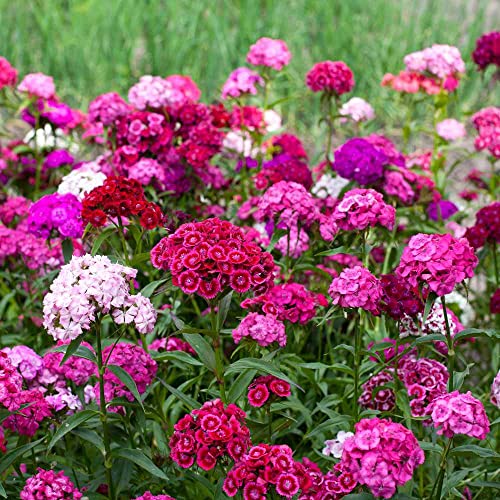
Outsidepride Sweet William Dianthus Seeds 5,000 Pcs

Survival Garden Seeds Purple Alyssum Seeds

185+ Mix Color Hosta Seeds for Planting

Eden Brothers Partial Shade Wildflower Mix 1/4 lb

Marde Ross Russell Lupine Seeds 100 Ct

315+ Mix Color Hosta Seeds for Planting

Purple Blazing Star Liatris Bulbs 5 Pack
Meet The Standout Selections
White sweet alyssum earns its keep as a low carpet of honey-scented blooms that softens the front edge of any Zone 8a bed. The plants top out around 8 to 12 inches, sprawling into gaps between flagstones, along walkways, or spilling over the lip of a container.
Garden owners who want pollinator activity without a lot of fuss tend to favor this variety. Bees hover over the dense clusters throughout summer, and the foliage tolerates the heat that defines Zone 8a summers.
What Helps Most
- Heavy 5,000-seed count fills large bare patches cheaply
- Honey-like fragrance draws pollinators within a few feet of the planting
- Tolerates part shade, useful under taller perennials
- Low-growing habit suppresses some weed pressure naturally
- Returns in Zone 8a without needing winter protection
Soft Spots
- White blooms read as dull against shaded corners where colors fade
- Owners commonly reseed every couple of seasons as patches thin out
- Struggles in heavy, poorly drained soil during wet spells
Right Fit For
Southern gardeners who want a fragrant, low-maintenance carpet along sunny borders or patio edges.
Look Elsewhere When
The Survival Garden Seeds Purple Alyssum suits anyone craving bolder color in the same low-growing role.
Sweet William dianthus pushes tight, fragrant clusters that bridge spring into early summer. The mixed-color packet brings reds, pinks, and bi-color blooms, which is helpful if you want cut-flower material without buying separate varieties.
Compared to the white alyssum that opened this list, this one reaches taller and reads from across the yard. Zone 8a gardeners typically sow in fall for a strong spring display the following year.
Notable Upsides
- Fragrant, dense clusters work well as cut flowers indoors
- Mixed colors keep a single bed visually varied
- Handles both cool and warm zones, easing transplant surprises
- Pulls bees and butterflies into a bed within weeks of blooming
Worth Noting
- Plants may take a full year to establish before flowering heavily
- Bloom period is shorter than many summer-long perennials
- Wet, humid summers can encourage fungal spotting on foliage
Key Specs
Who Should Grab It
Cottage-garden fans and cut-flower growers in Zone 8a who want scented, varied color from a single packet.
A Better Fit Elsewhere
The Eden Brothers Partial Shade Wildflower Mix fits gardeners wanting a broader species blend in one bag.
Royal Carpet alyssum turns the same low-carpet role of the white Outsidepride seed into something louder. The purple clusters hold their color through the heat better than many spring annuals, which matters across long Zone 8a summers.
Survival Garden Seeds focuses on varieties that survive unpredictable conditions, and this alyssum behaves like a cool-season perennial in milder southern zones. Treat it as a reliable front-of-bed player rather than a permanent fixture.
Points In Its Favor
- Vivid purple flowers stand out against stone mulch
- Scent draws hoverflies and small native bees
- Easy broadcast sowing suits first-time seed starters
- Tolerates lean soil once established
Honest Caveats
- Frost-sensitive, so it may fade after hard Zone 8a cold snaps
- Smaller packet than the Outsidepride white option
Who Will Love This
Gardeners who want purple color weaving through flagstone paths or along raised-bed edges.
Consider Something Else When
The Marde Ross & Company Russell Lupine Seeds suits anyone needing a tall anchor behind shorter alyssum.
Hosta seeds solve a common Zone 8a problem: a shady side yard where flowering perennials struggle but leafy texture still thrives. This packet mixes blue, purple, and white foliage tones with varied leaf patterns.
Hostas grown from seed take patience, often two seasons before clumps look full. The trade-off is a much lower cost per plant compared to buying potted hostas at a nursery.
The Upside
- Thrives in partial to full shade, a rare trait in this roundup
- Leaf color mix adds visual variety without buying multiple cultivars
- Foliage interest lasts well beyond bloom season
- Tolerates Zone 8a heat when given consistent moisture
Points To Keep In Mind
- Seed-grown hostas vary widely; expect some surprises
- Slow to reach mature size from seed
- Slug pressure increases in shaded, humid conditions
Feature Snapshot
Made For
Patient gardeners dealing with mature tree canopy or shaded foundations who want textural foliage over quick flowers.
Skip It When
The Eden Brothers Partial Shade Wildflower Mix is the right call if you want blooms in the same shady conditions.
Eden Brothers packs about 27 species into this 1/4-pound mix, blending perennials like foxglove, purple coneflower, and rose mallow with dependable fillers. Coverage runs roughly 250 to 500 square feet, enough to seed a backyard corner.
Unlike the single-species packets earlier in this list, a mixed blend trades predictability for visual diversity. You will get uneven heights and bloom times, which is the point for gardeners building a naturalistic look.
Positive Points
- Non-GMO seed across many species in one bag
- Perennial-dominant mix returns year after year in Zone 8a
- Deer-resistant labeling reduces browsing damage
- Designed for partial shade, a versatile placement
Practical Considerations
- Some included species are annuals, so first-year display varies
- Blooms will not be uniform in height or color
- Harder to plan a formal garden layout around a mixed packet
Best Suited To
Homeowners converting a lawn patch into a wildflower area under light tree cover.
Where Another Pick Suits Better
The Marde Ross & Company Russell Lupine Seeds fits gardeners wanting one bold, tall focal species instead of a blend.
Russell lupines bring height that most seed packets cannot match, sending up flower spikes 36 to 48 inches tall in purple, pink, and blue blends. Marde Ross & Company has been a California nursery since 1985, and they keep these seeds refrigerated to protect germination.
Zone 8a gardeners often sow lupines in fall or early spring. The plants prefer well-drained soil and reward patient growers with vertical drama behind shorter perennials.
Why It Works Well
- Tall flower spikes create a strong back-of-border focal point
- Seeds stored in refrigeration tend to germinate more reliably
- Color blend mixes purples, pinks, and blues in one packet
- Hardy across USDA Zones 3 to 9
Things To Weigh Up
- Lupines dislike being transplanted once established
- Germination takes 14 to 30 days under ideal conditions
- Smaller seed count than bulk wildflower packets
Spec Overview
Perfect Match For
Gardeners wanting a tall anchor plant along fences, foundations, or meadow edges.
Swap It Out When
The Eden Brothers Partial Shade Wildflower Mix suits anyone needing broad coverage in light shade rather than vertical spikes.
This second hosta option steps up the seed count to roughly 315, aimed at gardeners who want to cover more shaded ground or experiment with container groupings. The mix still leans on varied foliage tones for visual interest.
Compared to the 185+ packet reviewed earlier, the higher count here lowers cost per plant. The trade-off is identical patience requirements, since seed-grown hostas still take seasons to mature.
Strong Points
- Larger seed count lowers per-plant cost
- Suited to containers as well as open beds
- Same shade tolerance as the smaller hosta packet
- Foliage layering adds depth to mixed plantings
Less-Strong Areas
- Still slow from seed, regardless of packet size
- Specific leaf colors are not guaranteed
Quick Facts
Whose Shelf It Belongs On
Shade gardeners filling large areas or building container groupings who want better value per seed.
Not Your Match When
The Eden Brothers Partial Shade Wildflower Mix is the smarter choice for gardeners wanting blooms instead of foliage in shade.
Switching from seed to bulbs changes the timeline. Liatris spicata corms push up quickly and reach up to 40 inches, with feathery purple spikes that bloom from the top down, a detail most seed-grown perennials cannot match.
This is the only bulb-based entry in the roundup, and Marde Ross & Company keeps the corms refrigerated before shipping to preserve vigor. Zone 8a gardeners plant them in spring for summer blooms the same year.
Everyday Wins
- Bulbs establish faster than any seed packet in this list
- Vertical purple spikes anchor the back of a border
- Native meadow plant that supports local pollinators
- Grass-like foliage stays attractive even after bloom fades
Points To Note
- Only five corms per pack, limiting full-bed coverage
- Bulbs need well-drained soil to avoid rot in wet winters
Built With In Mind
Southern gardeners wanting tall pollinator-friendly color without the long establishment period of seed-grown perennials.
Reach For A Different Pick When
The Eden Brothers Partial Shade Wildflower Mix serves gardeners who need shade-tolerant coverage instead of upright spikes.
Choosing The Right Perennials For Your Zone 8a Bed
Start With Your Light Conditions
Zone 8a covers a wide range from full sun coastal beds to shaded pine understory. Hostas and the Eden Brothers wildflower mix fill shaded corners that would stress lupines or alyssum. Sun-soaked beds reward the Outsidepride seeds and the blazing star bulbs with stronger bloom cycles.
Match Plant Height To Bed Layers
A layered bed reads better than a flat one. Pair tall anchors like lupines or liatris at the back, mid-height dianthus in the middle, and alyssum as a ground-hugging front edge. This vertical staging also prevents taller plants from shading out the sun lovers.
Plan For Establishment Timelines
Seeds deliver volume and value, but bulbs deliver first-year impact. Liatris corms push growth the same season you plant them, while seed-grown hostas may take two seasons to fill in. Honest budgeting for time shapes which picks fit your patience level.
Think About Pollinator Goals
Pollinator value differs across this list. Sweet William dianthus and purple alyssum attract bees early, while blazing star liatris and lupines pull in hummingbirds and butterflies mid-season. Staggering bloom times across the bed extends pollinator forage through summer.
Key Considerations Across These Picks
Pitfalls Shoppers Hit
A common slip is buying beautiful seed packets without confirming the species tolerates Zone 8a humidity. Sweet alyssum handles it, but some wildflower mixes include species that fade in southern heat. Another trap is assuming all perennials bloom the first year; hostas especially reward patience.
Where The Extra Money Goes
Bulb-based picks like the liatris cost more per plant than bulk seed packets, but the trade is faster results and stronger first-year presence. Higher seed counts in hosta packets lower per-plant cost but extend your wait. Spending more usually buys time saved, not hardier genetics.
Frequently Asked Questions
What Is Zone 8a And Why Does It Matter For Perennials?
Zone 8a averages minimum winter temperatures of 10 to 15°F, which sets the survival floor for perennials. Plants rated for this zone handle occasional freezes without dying back permanently.
When Should I Plant Perennial Seeds In Zone 8a?
Fall sowing works well for many species because seeds experience natural chill and sprout stronger in spring. Spring sowing is fine for warm-season starters like liatris bulbs and alyssum.
Can Hostas Survive Zone 8a Summers?
Yes, with consistent moisture and partial shade. The hottest afternoon sun can scorch leaves, so dappled light under trees is the sweet spot for healthy foliage.
Do I Need To Refrigerate These Seeds Before Planting?
Most seeds in this roundup do not require cold stratification, though lupines germinate more reliably when fresh. Liatris corms benefit from cool storage before planting, which Marde Ross & Company handles before shipping.
How Long Until Perennials Bloom From Seed?
Sweet alyssum and purple alyssum often bloom in their first season. Hostas and lupines typically need a full year or more to establish before flowering heavily, so plan plantings with realistic timelines.
The Takeaway
Your Zone 8a bed rewards plants that handle both warm summers and occasional frost. Mixing seed packets with a small bulb investment gives you both volume and quick impact. Pick based on your light conditions, patience level, and how much pollinator activity you want buzzing through the garden.
