

Zone 8b sits in that sweet spot where summers get serious and winters stay mild, and your perennial lineup has to do real work from May through October. The right plant returns year after year without constant babysitting, shrugs off humidity, and still finds time to throw color when the dog days arrive. This roundup pairs heat-tolerant bloomers, pollinator magnets, and a couple of low-water workhorses that thrive in the long, warm growing season that defines 8b gardens. You’ll find both starter plants and seed packets below, depending on whether you want instant impact or the satisfaction of growing from scratch.
A Quick View Of The Lineup

Perennial Farm Marketplace Delosperma cooperi Trailing Hardy Ice Plant Quart

Perfect Plants Nanho Blue Butterfly Bush Live Plant 1 Gallon

Marde Ross & Company Russell Lupine Seeds Perennial 100 Mixed Seeds
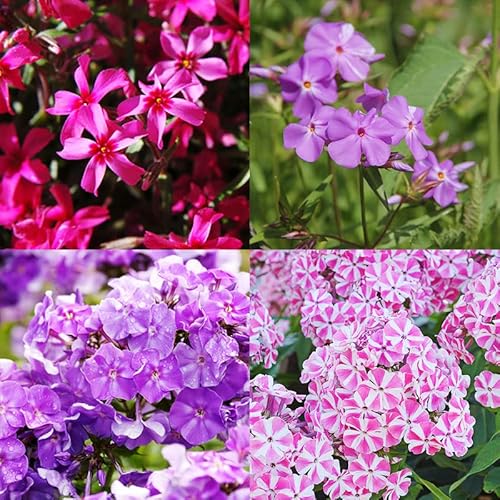
Willard & May Tall Phlox Mix Value Bag 6 Roots

Marde Ross & Company Purple Blazing Star 5 Fresh Bulbs Liatris Spicata

NYGardenia 100 Pink Coneflower Seeds Echinacea Heirloom

Outsidepride Butterfly Bush Mix Seeds 100 Pcs Perennial

Proven Winners 2 Gal Double Play Doozie Spirea Shrub
A Breakdown Of The Leading Choices
If your Zone 8b garden has a sun-baked strip where nothing seems to thrive, the Delosperma cooperi from Perennial Farm Marketplace is the kind of plant that turns that stubborn patch into a feature. Delosperma, commonly called hardy ice plant, is a succulent-style ground cover that stores moisture in its fleshy leaves, which is why it shrugs off the kind of dry, reflective heat that wilts less rugged picks.
You receive a quart-sized live starter that, in most Zone 8b settings, fills in noticeably by midsummer. Where traditional lawn grass struggles on rocky or sandy slopes, this trailing habit lets it cascade over the edge of a retaining wall or the lip of a patio container. It’s a quieter alternative to showy bloomers but earns its place in any low-water, high-sun corner of your yard.
Why It Works Well
- Drought-tolerant succulent foliage means you can skip most watering once established.
- Trailing growth habit fills gaps fast, covering bare soil in tough spots.
- Heat-loving by design, so it thrives where other picks fade in July and August.
- Rated for USDA Zones 5 through 9, giving you a comfortable margin either side of 8b.
- Long bloom season delivers color from spring through fall rather than a single peak.
Things To Consider
- Plants shipped between November and March may arrive dormant or trimmed, so spring planting is usually the safer bet.
- Succulent foliage is tender in containers during an unusually cold snap, so overwinter in a sheltered spot in marginal years.
- Spreads enthusiastically in ideal conditions, which can be a feature or a management chore depending on your layout.
At A Glance
Right Fit For
Gardeners with sunny, dry, or rocky spots who want a self-sufficient bloomer that returns every year without coddling.
Where Another Pick Suits Better
If you want a tall, vertical statement instead of a low carpet, the Marde Ross & Company Russell Lupine Seeds Perennial pack delivers upright spikes in the second tier of the bed.
The Nanho Blue butterfly bush from Perfect Plants earns its spot because it solves a problem Zone 8b gardeners hit every July: you need height and color without constant watering. Buddleia, the genus behind butterfly bush, has earned a reputation for pulling in pollinators with very little fuss, and the Nanho Blue variety keeps a compact footprint that fits smaller yards better than the older towering types.
You receive a one-gallon live plant, which is a meaningful step up from a quart pot if you want first-year impact in a new bed. Place it near a patio or window where you actually sit, because the honey-sweet fragrance is half the fun. For anyone turning a lawn corner into a wildlife-friendly border, this is the shrub that gets noticed the fastest.
Advantages To Know
- Aromatic conical flower heads add scent, not just visual color, to the garden.
- Drought-tolerant once the roots settle in, fitting Zone 8b’s dry midsummer stretches.
- Rabbit-resistant foliage cuts down on the most common small-garden pest problem.
- Compact Nanho form suits courtyards and tight side yards.
- One-gallon size means you’ll likely see blooms the first season rather than waiting two years.
Worth Noting
- Butterfly bush benefits from annual pruning to keep blooms heavy and growth tidy.
- One-gallon shrubs dry out faster in the establishment year than smaller root systems, so plan on closer watering the first summer.
Who It Suits Best
Wildlife-focused gardeners in Zone 8b who want a low-maintenance shrub that attracts pollinators and still handles summer heat.
Consider Something Else When
If you’d rather start a pollinator patch from seed on a tighter budget, the Outsidepride Butterfly Bush Mix Seeds 100 Pcs Perennial gives you the same genus in a multi-color seed packet.
Lupines belong in any Zone 8b lineup that’s missing vertical interest. Marde Ross & Company’s Russell lupine seed packet gives you roughly 100 seeds of a classic cottage-garden perennial, with mature plants reaching 36 to 48 inches, sometimes called lupine spikes. That height range lets you anchor the back of a border or line a split-rail fence without planting a shrub.
Russell lupines deliver the candy-colored pea-like blooms, a mix of purple, pink, and blue on tall stems, that old garden books always describe in May. Sow them in fall or early spring in a sunny spot with well-drained soil. In our view, this is one of the more satisfying seed-start perennials because the germination window runs 14 to 30 days, so you see results within a month rather than waiting a full season.
Useful Touches
- Hardy in Zones 3 through 9, comfortably covering Zone 8b with margin.
- Pea-like flowers in purple, pink, and blue bring classic cottage-garden color.
- Vertical 36 to 48 inch spikes add height without taking up wide bed space.
- Seeds store well, so leftover packets stay viable for the next season rather than going to waste.
- About 100 seeds per pack lets you plant a meaningful drift instead of a single accent.
Trade Offs
- Lupines resent transplanting, so direct sowing into the final spot saves frustration.
- Seed-grown perennials take a full growing season to hit their stride, so first-year bloom can be modest.
- Tall spikes may need staking in exposed beds once the flower heads get heavy.
Made For
Patient gardeners who want the charm of growing cottage-style vertical color from seed and don’t mind waiting one season for full impact.
A Better Fit Elsewhere
If you’d rather fill your beds with instant shrubs, the Proven Winners 2 Gal Double Play Doozie Spirea Shrub delivers mature-size structure without the seed-startup window.
Tall garden phlox is one of those perennials every grandparent seemed to grow, and the Willard & May value bag brings that summer-cottage feeling back without forcing you to choose one color. The mix includes Blue Boy (blue), David (white), Peppermint Twist (white and pink), and Star Fire (pink), so a single bag plants a multi-hue drift along a fence or walkway.
You receive six bare roots rather than potted plants, which means planting happens in spring and the plants settle in over the first season. The trade-off is budget: bare-root phlox typically costs less than potted equivalents. By the second summer, you’ll have the kind of fragrant, head-high clumps that pollinators and cut-flower arrangers both love.
Practical Advantages
- Four named cultivars in one bag give a ready-made color mix.
- Spring-planted bare roots establish quickly in warm Zone 8b soil.
- Deadheading after the first flush can prompt a second bloom cycle in fall.
- Six roots cover a generous border run without breaking the budget.
- Classic cottage-garden fragrance is a quiet bonus in evening outdoor seating areas.
Room For Improvement
- Bare roots look unimpressive on arrival, so a first-time gardener needs confidence to plant them at the right depth.
- Phlox can develop powdery mildew in humid Zone 8b summers, so spacing for airflow matters.
- First-year bloom is usually modest, with full show arriving in year two.
Best Suited To
Cottage-style gardeners who want a multi-color summer display and don’t mind waiting one season for full establishment.
Skip It When
If you want pollinator-focused color from day one, the NYGardenia 100 Pink Coneflower Seeds Echinacea Heirloom gives you a faster wildlife payoff in seed form.
Liatris spicata, often sold as blazing star or gayfeather, is one of those native-style perennials that punches above its weight in a Zone 8b border. Marde Ross & Company ships five fresh bulbs (technically corms, the bulb-like storage organs that send up the flower spike) in their largest size, which translates into stronger first-year growth than bargain-grade alternatives.
The plants rise up to 40 inches tall, sending up fuzzy purple flower spikes from mid to late summer, exactly the window when many earlier bloomers have faded. Plant them in groups along a sunny back border, and you’ll have the kind of vertical texture that looks deliberate rather than accidental. The blooms also pull in native bees and butterflies during peak garden activity.
Positive Takeaways
- Dramatic 40-inch purple spikes add late-summer color when earlier bloomers have faded.
- Native-style plant that fits naturally with pollinator-focused plantings.
- Largest-size corms support stronger first-year growth than smaller grades.
- Tolerates the heat and humidity of Zone 8b summers well.
- Cut-flower friendly, so you can bring armfuls indoors without hollowing out the border.
Points To Keep In Mind
- Liatris bulbs prefer well-drained soil and may rot in heavy clay without amendment.
- Five bulbs is enough for a single cluster rather than a long drift, so plan groupings accordingly.
Perfect Match For
Sunny perennial borders where you want late-summer vertical color and pollinator value without daily fussing.
Look Elsewhere When
If you’d rather start a layered cottage display from seed, the Marde Ross & Company Russell Lupine Seeds Perennial pack covers the spring color slot in the same garden.
Echinacea, commonly called coneflower, is the workhorse of pollinator-friendly perennial gardens, and NYGardenia’s 100-seed pink coneflower packet gives you a generous starting drift at a fraction of the cost of potted plants. The seed count matters here: 100 seeds means you can scatter a meaningful stand rather than dropping in three lonely plugs.
Pink coneflower, an heirloom Echinacea selection, sends up upright flowering stems topped with classic pink petals around a raised central cone. That central cone is the feature pollinators care about most, since native bees and butterflies actually prefer landing platforms over flat petals. Expect basal foliage in year one and full flowering stems from year two onward.
Everyday Perks
- Non-GMO heirloom seed preserves traditional plant genetics for seed-saving.
- Upright herbaceous form suits both formal beds and meadow-style plantings.
- Full-sun and well-drained soil match the typical Zone 8b border conditions.
- Raised central cones give native bees a real landing platform.
- 100 seeds per pack lets you establish a pollinator patch rather than a single specimen.
Soft Spots
- Echinacea seed needs cold stratification, a period of cold, moist conditions that break dormancy, so fall sowing gives the most reliable results.
- First-year plants focus on roots, so patience is part of the package.
Who Should Grab It
Wildlife gardeners who want a sustainable pollinator patch from heirloom seed and can plan around a first-season establishment window.
Another Choice May Suit
If you want a finished shrub rather than a seed project, the Proven Winners 2 Gal Double Play Doozie Spirea Shrub gives immediate structure in the same garden footprint.
Outsidepride’s butterfly bush mix lets you grow a pollinator hedge without the cost of mature shrubs. The 100-seed packet mixes colors, including purple, lilac, and white, so a single sowing gives you variety rather than a monoculture row. For Zone 8b gardeners on a tighter budget, that’s a meaningful difference.
Buddleia, the butterfly bush genus, is known for fast growth and tolerance of dry spells once the roots are established. The catch with seed-grown butterfly bush is that first-year plants focus on root development, so visible garden impact usually lands in year two. If you want blooms faster, the live Perfect Plants Nanho Blue Butterfly Bush Live Plant 1 Gallon option above delivers a one-season head start.
Everyday Advantages
- 100 seeds per pack let you start a multi-color pollinator hedge at low cost.
- Mix of purple, lilac, and white creates visual variety without buying three separate packets.
- Drought-tolerant once established, which fits Zone 8b’s dry stretches.
- Aromatic flowers add scent to outdoor seating areas.
- Fast growth habit means quick filling of empty garden space.
Points To Note
- Seed-started butterfly bushes take a full season to reach blooming size.
- Butterfly bush benefits from annual pruning for best flower production.
- Fast growth can become leggy without occasional shaping.
Built With In Mind
Budget-conscious gardeners willing to plan ahead for a multi-color butterfly bush hedge rather than instant first-year bloom.
Reach For A Different Pick When
Gardeners who want a finished, fragrant shrub the first season should consider the Perfect Plants Nanho Blue Butterfly Bush Live Plant 1 Gallon for faster results.
Spirea is one of those dependable landscape shrubs that earned its place decades ago, and Proven Winners’ Double Play Doozie is the modern upgrade that keeps the form but adds longer bloom cycles. The two-gallon size means you’re planting a substantial shrub rather than a starter liner, so the garden gains real structure in its first season rather than a placeholder.
Mature size runs 24 to 36 inches wide and tall, which makes it a tidy fit for foundation plantings, low hedges, or the middle of a mixed border. It tolerates full sun to partial shade and thrives in USDA Zones 3 through 8, so Zone 8b sits comfortably within its range. Deciduous foliage means winter dormancy, but new growth returns reliably each spring.
What It Does Well
- Two-gallon container gives meaningful size at planting for immediate garden presence.
- Compact 24 to 36 inch mature footprint suits foundation plantings.
- Full sun to partial shade tolerance widens placement options.
- Deciduous habit means clean seasonal cycles without evergreen maintenance.
- Wide Zone 3 to 8 hardiness covers Zone 8b comfortably.
Where It Is Less Suited
- Two-gallon shrubs weigh more at delivery than smaller liners, so plan help with placement.
- Spirea blooms on new wood, so annual pruning shapes the next season’s show.
Whose Shelf It Belongs On
Landscape-focused gardeners who want a reliable anchor shrub for foundations, low hedges, or the middle of a mixed border.
Swap It Out When
If pollinator value outweighs structural planting, the Perfect Plants Nanho Blue Butterfly Bush Live Plant 1 Gallon pulls in more wildlife in the same footprint.
Picking The Right Plants For A Zone 8b Bed
Match Heat Tolerance Before Bloom Color
Zone 8b summers run long and humid, and the first trait to filter on is whether the perennial handles that stretch without wilting. Ice plant, coneflower, blazing star, and spirea all stay upright through July and August, while fussier ornamentals tend to fade by midsummer. Anchor your lineup around heat-tested picks, then layer color from there.
Choose Form Before Variety
A balanced Zone 8b border needs three layers: low ground cover, mid-height filler, and vertical accents. The picks above cover all three, from trailing Delosperma at the front to 40-inch liatris spikes in back. Decide the structural shape first, then pick colors within that frame so the bed reads well even when nothing is in bloom.
Plan For Pollinators Across The Season
A pollinator garden works best when something is in flower from spring through fall. Lupines and phlox cover the early window, coneflowers and butterfly bush hold the middle, and liatris carries late-summer color. Layering bloom times beats planting one big flush, because the bees keep finding your garden instead of drifting to the neighbor’s yard.
Mind The Maintenance You Actually Want
Some perennials want annual pruning, others want deadheading, and a few want nothing beyond an occasional soak. Be honest about the time you want to spend, since spirea and butterfly bush reward shaping, while ice plant and blazing star are closer to plant-and-forget. Choosing maintenance level first prevents the all-too-common case of buying a plant you secretly resent.
Getting The Most From These Picks
Where Shoppers Go Wrong
A common slip is buying a Zone 8b plant without checking its actual zone range in the listing, since some catalogs print wider ranges than the plant really enjoys. Cross-reference the hardiness range with your microclimate, especially near walls or under trees, before committing. Another frequent miss is underestimating mature size, then watching a “compact” shrub swallow a walkway by year three.
The Case For Spending Up
The premium picks in this roundup earn their higher cost through three things: larger container size, named cultivars rather than generic mixes, and shipping quality that protects live roots. For a foundation shrub like Double Play Doozie, the two-gallon size means you skip a year of establishment. For seeds, paying a little more for fresh, properly stored seed beats bargain packets that germinate at half the expected rate, which is a real difference you’ll see in the garden.
