

Bagworms show up quietly on junipers, arborvitae, and spruces, then defoliate branches faster than most homeowners expect. Picking the right control product comes down to matching the formulation to your plant type, your tolerance for synthetic chemicals, and how much coverage you actually need. These eight options cover the main routes gardeners take, from organic sprays to systemic tree implants.
A Fast Comparison Of The Options

Fertilome 16062 Spinosad Bagworm Killer (16 oz.)
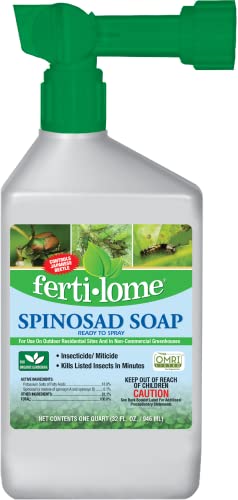
Fertilome 16055 Spinosad Soap Ready-to-Spray (32 oz)
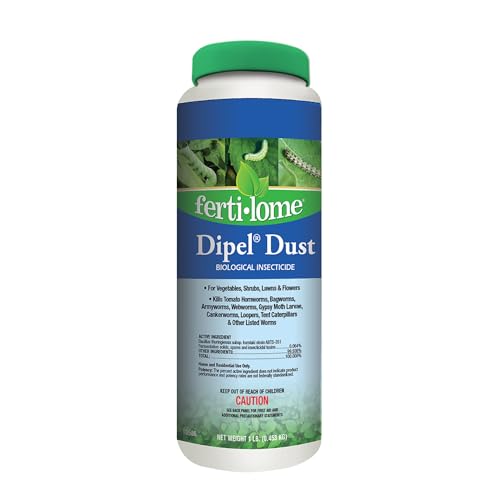
Fertilome 10586 Dipel Dust Bt (1 lb)

Southern Ag Thuricide HPC Caterpillar Control (8 oz)

Bonide Captain Jack’s Bug & Slug Granules (1.5 lb.)

Acecap AC4X75 Systemic Tree Implant

Agrisel Bifenthrin Pro 7.9 Insecticide

Fertilome Spinosad RTS Bagworm Control (Quart)
Why These Options Stand Out
Spinosad comes from a fermented soil bacterium and earns its organic-gardening reputation by targeting caterpillars while leaving most beneficial insects alone. This 16-ounce concentrate from Fertilome is built specifically for chewing pests like bagworms, and the OMRI listing gives organic-program gardeners a clear path to compliance.
The mixing ratio is straightforward, and the same jug covers shrubs, fruit trees, and ornamentals around the yard. For homeowners managing bagworms on a few junipers or a small hedge row, this is the dependable starting point.
What Helps Most
- OMRI-listed formulation fits organic gardening programs
- Targets bagworms plus a wide range of chewing caterpillars in one product
- Flexible label covers vegetables, fruits, and ornamentals from a single bottle
- Concentrate format stretches further per dollar than ready-to-spray jugs
Worth Noting
- You need a separate pump sprayer for application
- Coverage requires thorough wetting of foliage where larvae are feeding
Key Advantages
Made For
Organic-minded homeowners with a handful of evergreens or fruit trees who already own a pump sprayer.
Consider Something Else When
Skip this in favor of the Fertilome 16055 Spinosad Soap Ready-to-Spray if you want a hose-end option that requires zero mixing.
For homeowners who don’t want to measure concentrate into a sprayer, the ready-to-spray format removes the entire learning curve. You hook the 32-ounce bottle to a garden hose, squeeze the trigger, and wet the foliage until it drips.
Coverage leans toward lighter infestations and smaller shrubs because the spray pattern is wide but not high-pressure. Compared with the concentrate in pick 1, you trade dilution control for convenience.
Strong Points
- No measuring, no mixing, no separate sprayer to clean afterward
- Same spinosad active as the concentrate, in an easier-to-use form
- Useful for quick treatments when bagworms first appear
Trade Offs
- Hose-end pressure drops off on tall conifers above head height
- 32 oz bottle runs out fast across multiple large shrubs
Whose Shelf It Belongs On
Casual gardeners treating a single hedge or small evergreen before the infestation gets serious.
A Better Fit Elsewhere
Pick the Fertilome Spinosad Bagworm, Tent Caterpillar and Chewing Insect Control, RTS, Quart instead when you need a bigger ready-to-spray volume for a long hedge row.
Bt, short for Bacillus thuringiensis, is a biological insecticide that only activates once caterpillars ingest it. The Dipel Dust form coats leaves as a fine powder, which works well on dry, calm mornings when you want the residue to stay put.
This is the choice for gardeners who prefer dust over spray, especially around food crops where a quick pass through the foliage beats hauling out a pump sprayer.
Where It Helps
- Biological active ingredient accepted in organic programs
- Dust format reaches into tight branch interiors where sprays drift past
- One-pound shaker covers a sizeable vegetable patch or hedge row
Points To Keep In Mind
- Dust washes off in rain or heavy dew and needs reapplying
- Avoid applying on windy days, since the fine powder drifts toward unintended plants
Right Fit For
Vegetable gardeners who want a dust applicator and who treat on dry, still mornings.
Look Elsewhere When
Switch to the Southern Ag Thuricide HPC Caterpillar Control if you’d rather mix a liquid concentrate than shake dust from a canister.
Thuricide HPC is a liquid Bt concentrate priced for gardeners who need to stretch a bottle across several treatments. The 8-ounce bottle mixes into a standard pump sprayer at 2 to 4 teaspoons per gallon, so a single container covers a meaningful area over a season.
It carries the same organic-gardening compatibility as the dust in pick 3, just in liquid form for gardeners who prefer spraying.
What It Does Well
- Low per-application cost compared to ready-to-spray options
- Liquid Bt clings to foliage better than dust during light rain
- Label covers vegetables, ornamentals, shrubs, and fruit trees
Small Caveats
- Smaller bottle means more frequent repurchasing on larger properties
- Mixing ratio must be measured carefully to avoid waste
Who It Suits Best
Budget-minded homeowners treating a handful of small shrubs who already keep a pump sprayer on hand.
Reach For A Different Pick When
Pick the Fertilome 16062 Spinosad Bagworm Killer if you want something labeled specifically for bagworms rather than general caterpillar control.
Granular baits take a different angle on pest control by luring crawlers from the soil up onto the pellets. Bonide’s Bug and Slug Killer fits vegetable gardens and berry patches where slugs, cutworms, earwigs, and similar pests travel along the ground.
One application is said to hold for roughly a month under typical garden conditions, which keeps maintenance light during the growing season.
The Helpful Details
- Pelletized bait reaches pests hiding under mulch or foliage
- Stays active through light watering and morning dew
- Works across vegetable, fruit, and berry garden beds
Honest Caveats
- Targets ground-dwelling pests, not foliage-feeding bagworm larvae directly
- Pellets must be reapplied after heavy rain soaks the bed
Perfect Match For
Vegetable gardeners who want broad ground-pest control alongside their shrub treatments.
Where A Sibling Pick Shines
Use the Acecap AC4X75 Systemic Tree Implant instead for tall conifers where ground bait won’t reach the canopy.
Tree implants work from inside the trunk outward, sending active ingredient through the sap to wherever bagworms feed. Each capsule is pre-measured, so there’s no chemical handling beyond drilling a 3/8-inch hole and tapping the implant in.
Treatment rates are easy to plan: about 10 implants cover a 14-inch diameter trunk, and protection is said to hold through the season, sometimes longer on evergreens. You need a cordless drill, tape measure, and hammer to install.
Key Advantages
- No spray drift, no chemical exposure during application
- Reaches the entire canopy, including tips that sprayers miss
- Season-long protection reduces repeat-treatments
Practical Considerations
- Drilling is required, which adds setup time
- Each tree costs more to treat than a spray pass
- Synthetic active ingredient rules out organic programs
Feature Snapshot
Built With In Mind
Owners of mature evergreen trees and tall hedges who want season-long coverage without ladder work.
Swap It Out When
Choose the Agrisel Bifenthrin Pro 7.9 Insecticide if you’d rather spray the canopy from the ground than drill into each tree.
Bifenthrin is a synthetic pyrethroid that handles a long list of outdoor pests in one formula, including bagworms, ants, spiders, and lawn-damaging insects. Agrisel packs it as a concentrate for lawns, ornamentals, and agricultural settings.
Coverage matters here: large lawns and ornamental beds absorb a lot of spray, and a single bottle can stretch across multiple treatment zones when mixed properly.
A Few Highlights
- Tackles bagworms plus lawn pests in a single product
- Effective across lawn, ornamental, and agricultural use sites
- Once dry, the residue is said to be pet-safe around treated areas
Some Limits To Know
- Synthetic active ingredient not allowed in organic programs
- Higher toxicity to bees during application, so timing matters
Who Should Grab It
Property owners with larger lawns or persistent infestations who need one product to handle several pest types at once.
Not Your Match When
Pick the Fertilome 10586 Dipel Dust Bt if you’d rather stay within an organic gardening approach.
The quart-size ready-to-spray gives homeowners more volume than the smaller Fertilome bottle in pick 2, with the same spinosad active ingredient. For mid-size landscapes, that extra capacity keeps you from running out mid-treatment.
The bottle still hooks to a standard garden hose, so the application process stays simple even when the area you need to cover is larger than a single shrub.
Everyday Wins
- Quart volume covers longer hedge rows in one fill-up
- Spinosad formula stays organic-program compatible
- Targets bagworms plus tent caterpillars and similar chewing pests
Where It Is Less Suited
- Heavier bottle gets tiring across extended spraying sessions
- Works best on shrubs within standard hose-reach distance
Best Suited To
Homeowners with mid-size properties and several evergreens to treat in a single afternoon.
Another Choice May Suit
Reach for the Acecap AC4X75 Systemic Tree Implant for tall trees where a hose can’t reach the upper canopy.
Choosing The Right Bagworm Control For Your Yard
Picking a bagworm product comes down to matching the formulation to your plant, your tolerance for synthetics, and how you like to apply. The differences between organic biologicals and synthetic concentrates change how, when, and on what you can spray.
Active Ingredient Categories
Spinosad and Bt are the two biological options worth knowing. Spinosad works on contact and ingestion, while Bt has to be eaten to activate. Both fit organic gardening, though their staying power and rain resistance differ enough to affect timing.
Synthetic options like bifenthrin and acephate offer broader-spectrum control but rule out organic certification and require more careful handling around pollinators.
Application Style
Sprays give even coverage on shrubs but need a pump or hose-end setup. Dusts like Dipel reach tight interior branches but wash off in rain. Tree implants avoid spraying entirely and protect tall canopies ladders can’t safely reach.
Timing And Life Cycle
Bagworm larvae hatch in late spring through early summer, and that’s the easiest window to control them. Once they build tough bags and harden off in late summer, even good products struggle to reach them. Early detection usually outweighs any product choice.
Plant Type Considerations
Evergreens like juniper and arborvitae show bagworm damage fastest because they don’t regrow needles mid-season. Deciduous trees tolerate more feeding before showing real harm, which gives you more flexibility on product choice.
Key Considerations Across These Picks
Where Shoppers Go Wrong
The most common mistake is treating too late, after bags have hardened and larvae have stopped feeding heavily. Another is under-wetting the foliage during spray applications, since bagworm larvae hide deep in the branch interior and need thorough coverage to ingest the active ingredient.
Why Top Tier Costs More
Higher-tier options like the Acecap tree implants and broad-spectrum synthetics cost more because they deliver systemic or multi-pest coverage from a single application. You’re paying for fewer repeat treatments and the ability to reach canopy heights that hose-end sprays can’t, which matters most on mature trees and larger properties.
Frequently Asked Questions
When is the best time to treat bagworms?
The best window is late spring through early summer when larvae are small and actively feeding. Treating later in the season is harder because the larvae have built tougher bags.
Are organic options effective on bagworms?
Yes, spinosad and Bt-based products are widely used against bagworms and fit organic gardening programs. Thorough coverage of the foliage where larvae feed is the key factor.
Can I spray bagworm control on evergreen trees?
Most sprays and tree implants are labeled for evergreens, though you should always check the product label for your specific conifer species before treating.
Do I need to remove the bags by hand?
Hand-picking bags is helpful for light infestations and works alongside sprays. For heavier outbreaks, products that kill larvae inside the bag reduce the need for manual removal.
How long does treatment last?
Sprays typically protect for a few weeks and may need reapplication, while tree implants are said to last a full season or longer on evergreen species.
Closing Remarks
The right bagworm product depends less on brand and more on your plant, your yard size, and how you prefer to apply. Match the formulation to the timing, give the foliage a thorough wetting, and you’ll head off most infestations before the damage adds up.
