

Fleas don’t care whether the lawn looks tidy. They thrive in shaded grass, leaf litter, and the shaded soil where pets love to flop down. Yard work gets harder once the itch starts, and most people end up juggling dog treatments, indoor sprays, and yard foggers at the same time.
The picks below cut through that noise. Each option handles a different combination of yard size, pet household, and tolerance for synthetic chemistry, so there’s something here whether you treat a small patio or several thousand square feet of turf.
The Choices Worth Comparing

Hi-Yield Indoor/Outdoor Broad Use Insecticide 16 oz

Cedarcide YardSafe Natural Flea Spray 1 Quart

Nature’s Dome Pest Control Spray 1 Gallon

Agrisel Bifenthrin Pro 7.9 Insecticide 1 Gallon

Talstar One Bifenthrin Insecticide 1 Gallon

Atticus Adjourn SC Deltamethrin Insecticide 16 oz
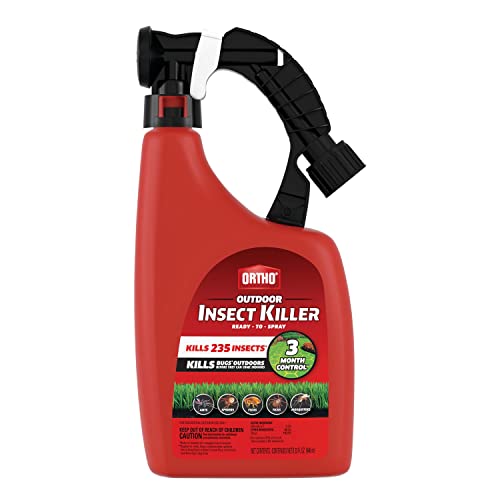
Ortho Outdoor Insect Killer Ready-to-Spray 32 oz

Diatomaceous Earth and Peppermint Oil Killer 1 lb
More On The Choices That Made The List
Hi-Yield’s broad-use formula has been a backyard staple for years, and the flexibility is the main reason it lands at the top of this list. You pour the concentrate into a pump or power sprayer, dilute with water, and walk the lawn in steady passes. The same bottle handles flower beds, foundation lines, and ornamental shrubs without needing a second product.
Flea control works best when you treat shaded grass and the soil beneath decks or porches, where moisture lingers. For most suburban lots, half an ounce covers around 1,000 square feet, which is enough to knock down a small infestation on its own or to maintain a yard between deeper treatments. Compared with ready-to-spray picks like Ortho further down the list, this one assumes you’re comfortable mixing.
What It Does Well
- Multi-purpose label covers fleas along with ticks, mosquitoes, and roaches in one bottle
- Works on lawns, trees, and edible garden areas according to the label directions
- Mixes cleanly into standard tank and power sprayers without clogging nozzles
- Smaller 16 oz bottle is manageable for a single weekend treatment
Things To Consider
- Coverage drops sharply on lots above a quarter acre unless you scale up to a larger container
- Mixing ratios vary by pest, so reading the label carefully matters more than with hose-end products
Who It Suits Best
Homeowners with a small to mid-size yard who already own a pump sprayer and want one product to handle several pests at once.
Look Elsewhere When
Cedarcide YardSafe fits better when pets roam the yard during application and you need zero reentry delay.
Cedarcide YardSafe takes a different route than most picks on this list. Instead of synthetic pyrethroids (lab-made insecticides modeled on natural chrysanthemum compounds), it leans on cedar oil and a short list of essential oils to knock down fleas, ticks, and mites on contact. You attach the bottle to a standard garden hose and walk the perimeter, which keeps prep work to almost nothing.
The label claims up to 5,000 square feet of coverage per quart, which is generous for a hose-end product and enough for a typical suburban lot. There’s no required drying time, so kids and dogs can go back on the grass shortly after the spray settles. Where Hi-Yield above treats fleas as part of a broader pest program, YardSafe is the option you reach for when the dog is rolling in the yard five minutes later.
Practical Pluses
- Hose-end applicator means no measuring, no mixing, and no pump sprayer to clean
- Family- and pet-friendly formulation supports reentry as soon as the spray dries
- Cedar scent is noticeable during application but fades within a few hours
- One quart covers most small to mid-size yards on a single pass
Worth Noting
- Essential-oil formulas generally need more frequent reapplication than synthetic concentrates
- Strong cedar smell can bother households sensitive to fragrance during the first hour
- Effectiveness on heavy infestations is less predictable than with bifenthrin options later in the list
Made For
Pet households that want minimal downtime and a softer ingredient list over maximum residual kill.
A Better Fit Elsewhere
Choose Agrisel Bifenthrin Pro 7.9 instead when you need a longer residual window on a larger property.
Nature’s Dome arrives ready to spray, which puts it in a different category than the concentrate bottles above. The active ingredients are plant-based, including geraniol (a botanical oil derived from geraniums), cinnamon oil, and cottonseed oil. You point, spray, and the formula kills on contact wherever it lands.
For perimeter work, this gallon jug handles up to around 4,000 square feet, which covers most house foundations and patio edges in a single fill. The lack of mixing makes it a friendlier option for households that don’t want to measure ratios or clean a tank sprayer after every treatment. Compared with Cedarcide YardSafe, the scent profile leans warmer and more herbal, so odor-sensitive households may prefer one over the other.
The Helpful Details
- Pre-mixed gallon removes the guesswork of dilution ratios for newer users
- Plant-derived actives align with households avoiding synthetic insecticides
- Trigger-spray format suits precise work along fence lines and patio edges
- Container size matches the coverage scope of a typical suburban perimeter
Honest Caveats
- Contact-kill formulas don’t leave the long residual barrier that concentrate treatments do
- Warming spice and botanical scent lingers longer than cedar-based options
- Larger jug needs storage space indoors between applications
Right Fit For
Homeowners who want a no-mix, plant-based perimeter spray and don’t mind reapplying more often than synthetic options.
Reach For A Different Pick When
Switch to Talstar One when residual control over a longer window matters more than ingredient origin.
Bifenthrin is one of the more common synthetic pyrethroids used in professional perimeter work, and Agrisel packs it at 7.9% in a one-gallon concentrate. That ratio makes a single bottle stretch across multiple tank fills, which matters when you’re treating more than a small lawn. Once mixed, the solution goes into a pump or power sprayer and lays down a barrier around the foundation, fence line, or ornamental beds.
The label spans a wide pest list, including fleas, ticks, ants, and mole crickets, which is useful for rural properties where multiple soil-dwelling insects overlap. Pet safety improves once the treated surfaces dry, so timing applications around dog walks becomes part of the routine. The honest trade-off is concentration: this is a working-grade product and assumes comfort with measuring and protective gear.
The Upside
- High-concentration formula delivers more finished spray per purchased ounce
- Broad pest label reduces the need for a second product on larger lots
- Established active ingredient widely used in lawn-care and agricultural applications
- One-gallon format suits multi-season treatment plans
Room For Improvement
- Mixing ratios demand attention and a clean sprayer to avoid nozzle clogs
- Heavier gallon adds weight to carry around the yard during filling
- Concentrate form requires secure storage away from children and pets
Quick Facts
Best Suited To
Rural and suburban owners managing larger lots who already use a pump or backpack sprayer.
Swap It Out When
Pick Ortho Outdoor Insect Killer instead for smaller yards where a hose-end sprayer is easier than measuring concentrate.
Talstar One is the bifenthrin concentrate many lawn-care operators reach for first. The label lists more than 75 pests, which puts fleas in the company of spiders, roaches, and mosquitoes under one bottle. Perimeter spraying around foundations, doors, and exterior surfaces is where this product earns its reputation, especially in regions where multiple pest pressures overlap through the warm months.
For homeowners running a scheduled barrier program, the residual window on labeled surfaces tends to outlast lighter botanical sprays. Application still requires a sprayer, protective gear, and attention to label rates, so this isn’t a casual weekend option. Against Agrisel above, the practical difference is label breadth rather than raw active strength.
Positive Points
- 75-plus pest label consolidates perimeter and lawn work into a single product
- Bifenthrin base supports a longer residual window on labeled outdoor surfaces
- Compatible with pump sprayers and professional-grade application equipment
- One-gallon format supports multi-month barrier programs
Points To Note
- Mixing discipline matters; incorrect ratios waste concentrate or weaken the barrier
- Synthetic active requires keeping pets off treated grass until dry
- Gallon container is heavy and needs cool, secure storage between uses
Feature Card
Perfect Match For
Homeowners committed to a longer-term perimeter program who want one concentrate to cover multiple pests.
Not Your Match When
Choose Cedarcide YardSafe when you want a hose-end spray and a shorter reentry window for pets and kids.
Adjourn SC uses deltamethrin at 4.75%, a different pyrethroid than the bifenthrin options above. Deltamethrin is the active ingredient that pest professionals often use on mattresses, furniture, and carpets for fleas and bedbugs, and Adjourn SC extends that profile to outdoor lawns, perimeters, and ornamentals. The 16 oz bottle is small but concentrated, so a little goes into each tank mix.
For households with both indoor and outdoor flea pressure, having one active ingredient that crosses over between living room and lawn simplifies the treatment plan. The trade-off is the same as with Talstar: pets stay off treated surfaces until the spray dries, and accurate dilution is part of the deal. Compared with Agrisel, this leans more toward targeted applications than broadcast spraying.
Strong Points
- Deltamethrin active handles fleas across indoor and outdoor labels
- Concentrated 16 oz format suits smaller, repeated applications
- Wide-use label covers lawn, perimeter, and interior treatment sites
- Lower carry weight than gallon concentrates for shorter spray sessions
A Few Limitations
- Smaller bottle requires refilling more often on larger properties
- Synthetic pyrethroid demands standard PPE and drying-time discipline
- Pest list is narrower than 75-pest concentrates like Talstar One
Who Should Grab It
Owners dealing with both indoor and outdoor flea pressure who want one active ingredient to cover both sides of the door.
Where Another Pick Suits Better
Choose Talstar One for broader pest coverage on a multi-month outdoor barrier plan.
Ortho’s ready-to-spray jug removes every barrier between the homeowner and a treated yard. You hook the bottle to a garden hose, turn the dial, and walk the perimeter. The label lists more than 235 insects, including fleas, ticks, mosquitoes, and ants, so it doubles as a general outdoor product for households that don’t want a shelf full of specialized bottles.
For first-time flea treatment, the simplicity is the main selling point. No mixing, no measuring, and no pump sprayer to clean afterward. The honest trade-off is control: a hose-end dial is less precise than a calibrated tank mix, and coverage on heavily shaded spots may need a slower pass. Compared with the concentrates above, this trades raw strength for ease of use.
Features That Help
- Hose-end dial removes measuring, mixing, and cleanup steps
- 235-insect label covers fleas alongside many common lawn pests
- Ready-to-spray format suits households new to yard pest control
- 32 oz bottle balances manageable size with adequate coverage
Trade Offs
- Hose-end spray pattern is less precise than a tank sprayer for spot work
- Coverage of dense ground cover and shaded soil often needs a slower pass
- Residual window is shorter than dedicated concentrate programs
Built With In Mind
First-time users who want the simplest possible outdoor flea treatment without buying extra equipment.
Consider Something Else When
Reach for Hi-Yield 32009 when precise mixing and longer residual coverage matter more than convenience.
This last pick works differently from every spray on the list. Diatomaceous earth (often shortened to DE) is a fine powder made from the fossilized shells of tiny aquatic organisms. When insects crawl across it, the powder damages their outer coating and they dehydrate. Peppermint oil layers in a scent-based repellent and a fresher smell during application.
The food-grade label is what draws in households with small children or pets that get into everything. You dust the powder along foundation edges, garden borders, or dry crawl-space entries where fleas travel. The catch is moisture: DE works best in dry conditions, so heavy dew or recent rain cuts its effectiveness. Against the liquid concentrates above, this is a targeted, slow-acting tool rather than a broadcast spray.
A Favorable Mix
- Food-grade base aligns with cautious households and pet-heavy homes
- Peppermint oil adds a pleasant scent during indoor and porch applications
- Targets ants, roaches, fleas, bedbugs, and silverfish in one container
- Powder format reaches cracks and crevices that sprays can miss
Small Caveats
- Loses effectiveness when wet, so dry weather matters
- Fine dust requires careful application to avoid inhalation during use
- Slower acting than liquid contact sprays for active infestations
- One-pound size suits spot work more than full-yard coverage
Key Specs
Whose Shelf It Belongs On
Households that prefer a non-spray, slow-acting option for foundation lines, garden edges, and dry crawl-space entries.
Skip It When
Reach for Talstar One when you need a fast-acting residual barrier across a larger lawn.
What To Weigh Before Choosing A Yard Flea Treatment
Coverage area shapes every other choice here. A 1,000-square-foot patio and a half-acre lawn ask for different bottles, and the gap between concentrate and ready-to-spray is mostly about how much ground you need to cover. Pet and family presence shifts the active-ingredient conversation. Botanical and essential-oil formulas lower reentry friction, while synthetic pyrethroids tend to leave a longer residual barrier once surfaces dry. Application equipment matters too, because a hose-end jug keeps things simple while a tank sprayer opens the door to calibrated mixes. Finally, look at the pest list. Products labeled only for crawling insects won’t reach the ticks that often travel with fleas, so a broader label can save you from buying a second bottle later.
Key Considerations Across These Picks
Pitfalls Shoppers Hit
Spraying only the lawn and skipping shaded soil beneath decks is one of the most common mistakes. Fleas spend part of their life cycle off the host, and that off-host stage lives in humid ground cover. Treating only green grass leaves the under-deck and fence-line populations intact, which is why perimeter coverage matters as much as broadcast spraying.
Where The Extra Money Goes
Concentrate bottles cost more upfront because you’re paying for active ingredient at higher strength, not for fancier packaging. The payoff is residual control that lasts weeks longer than ready-to-spray or botanical options, which means fewer repeat applications across a single flea season. For larger lots, that longer window usually offsets the higher entry cost.
Frequently Asked Questions
How long does outdoor flea treatment take to work?
Contact sprays start killing fleas within hours of drying, but full yard results usually take one to two weeks as eggs and larvae cycle through. Most products need a follow-up treatment in that window to break the cycle.
Can fleas survive a treated lawn long term?
Fleas repopulate from untreated animals, neighbors’ yards, and wildlife, so a single application won’t hold indefinitely. Combining yard treatment with pet preventatives and indoor vacuuming is what keeps numbers down across the season.
Is a hose-end sprayer enough for flea control?
For small to mid-size yards, yes. Hose-end sprayers cover perimeter and lawn edges well. Larger lots or heavy infestations usually benefit from a pump sprayer for more precise dilution and better reach.
Do natural flea sprays work as well as synthetic ones?
Plant-based formulas can reduce flea activity, but they typically don’t match the residual window of synthetic pyrethroids. They’re a solid choice for pet households and light pressure, with more frequent reapplication as the main trade-off.
When is the best time to spray for outdoor fleas?
Late afternoon or early evening on a calm, dry day is the standard window. Lower wind reduces drift, and the cooler temperatures align with peak flea activity above the soil.
Wrap Up
Yard flea control is rarely a one-product job, and the right starting point depends on your lot size, your pets, and how comfortable you are mixing concentrates. Match the bottle to the job rather than the other way around, and revisit shaded ground cover and foundation lines on every pass. Pick the option that fits the routine you actually plan to keep.
