

Growing your own food brings real satisfaction, until pests find it. The right spray or dust can mean the difference between a productive harvest and a season of chewed leaves. These seven picks cover insects, fungal disease, and caterpillar damage on food crops, with options for organic gardeners, pet households, and larger plots.
The Picks In Brief

Dr. Earth Final Stop Vegetable Garden Insect Killer 32 oz

Earth’s Ally Disease Control Fungicide Concentrate, 32 Oz

Southern Ag 100520028 13021 Caterpillar Control, 8 oz

Root 98 Warehouse Garden Friendly Bio Fungicide Organic (8 oz)

EcoVenger Garden Insect Control 16 oz
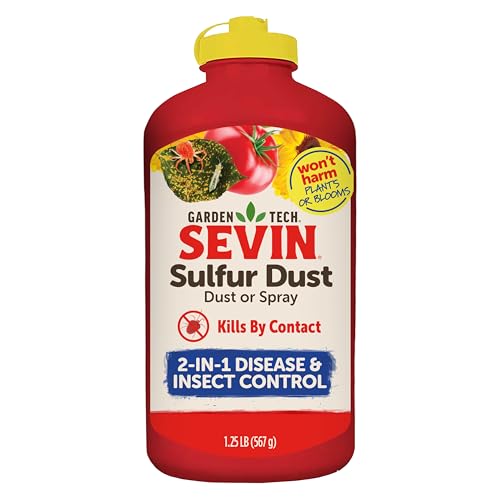
Sevin Sulfur Dust, 1.25 Lb
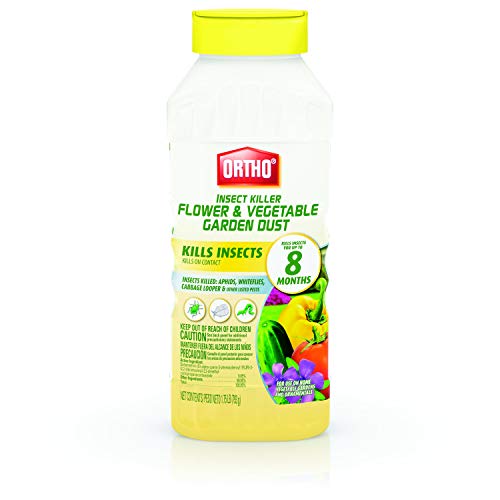
Ortho Insect Killer Flower & Vegetable Garden Dust, 1.75 lbs.
A Breakdown Of The Leading Choices
Home gardeners looking for a single bottle that handles both feeding and pest control will appreciate this Dr. Earth formula. The 32-ounce ready-to-spray (RTS) bottle attaches to a standard garden hose and treats up to 1,200 square feet, which covers most backyard plots in a single pass.
Beyond pest suppression, it carries an N-P-K ratio of 4-6-2, so plants receive a modest feed alongside the insect control. That dual-action approach suits gardeners who want to simplify their routine without juggling two products. For most backyards with mixed vegetables and herbs, the coverage and combined function feel well-matched.
What Works In Its Favor
- Hose-end sprayer covers up to 1,200 square feet per bottle, enough for a typical backyard plot
- Built-in 4-6-2 nutrient feed reduces the need for a separate fertilizer application
- Ready-to-use format means no measuring or mixing before spraying
- Works on both indoor and outdoor food plants, useful for kitchen windowsill herbs
Things To Consider
- Coverage claims assume light, even application; dense foliage may reduce effective reach
- The liquid fertilizer component releases quickly, so heavier feeders may need supplemental feeding midseason
Quick Facts
Whose Shelf It Belongs On
Garden beginners and intermediate growers who want feeding and pest control handled in one pass without measuring concentrates.
Skip It When
You face a heavy caterpillar or worm infestation, where the Bacillus thuringiensis route in Southern Ag’s caterpillar control will be more targeted.
Households with curious kids or roaming pets need products that won’t cause panic if someone brushes against treated leaves. Earth’s Ally uses citric acid as its active ingredient, a naturally occurring compound that breaks down quickly and is widely used in food preservation. The 32-ounce concentrate treats the most common fungal diseases on food crops, including powdery mildew, downy mildew, blight, canker, black spot, and leaf spot.
For families who want disease control without synthetic fungicides, this formula addresses the broadest range of vegetable garden pathogens in the list. It works preventively as well as curatively, meaning you can spray before symptoms appear or respond once you spot them.
A Few Highlights
- Citric-acid base keeps the active ingredient simple and food-garden friendly
- Covers a wide disease spectrum, from powdery mildew to blight
- Functions as both preventive and curative treatment
Points To Keep In Mind
- Concentrate requires mixing before each application, which adds a step versus ready-to-use options
- Concentrate bottles should be stored away from direct sunlight to preserve citric-acid potency
Right Fit For
Family gardens with kids, dogs, or cats that play near treated beds and need a milder active ingredient.
Look Elsewhere When
Your main concern is insect pests rather than disease, in which case Dr. Earth Final Stop or EcoVenger Garden Insect Control covers the chewing and sucking insects that fungicides ignore.
Tomato hornworms, cabbage loopers, and fruit tree caterpillars all respond to the same biological control: Bacillus thuringiensis, often called Bt. Southern Ag’s Thuricide HPC concentrate delivers Bt in liquid form, an organic-listed bacterium that targets caterpillars specifically without harming beneficial insects like bees or ladybugs.
The 8-ounce bottle goes a long way because the label calls for just 2 to 4 teaspoons per gallon of water. You can use it on vegetables, citrus, nuts, shrubs, trees, and ornamentals, making it useful across a mixed edible-and-landscape yard. For gardeners who can identify their pest as a caterpillar or worm, this concentrate offers narrow, effective targeting.
Notable Upsides
- Bt bacterium targets caterpillars specifically, sparing pollinators and beneficial predators
- Low application rate of 2 to 4 teaspoons per gallon stretches a small bottle across many treatments
- Cleared for use on a wide range of food and ornamental plants
- Organic-compatible active ingredient fits OMRI-style growing programs
Honest Caveats
- Does nothing against aphids, beetles, or fungal diseases, so you’ll need a separate product for those
- Works only when caterpillars ingest treated leaves; thorough leaf coverage matters
Feature Snapshot
Who Should Grab It
Growers with a confirmed caterpillar or worm problem who want a targeted, organic-compatible fix without broad-spectrum chemicals.
A Better Fit Elsewhere
Anyone dealing with multiple pest types, including sucking insects and disease, would find more coverage in Dr. Earth Final Stop’s dual-action formula.
Biofungicides work differently from contact fungicides. Root 98 Warehouse uses a beneficial bacterium strain (Bacillus amyloliquefaciens D747) that colonizes leaf and root surfaces, crowding out disease organisms over time. The 8-ounce concentrate mixes into a spray that handles leaf spots, downy mildew, powdery mildew, damping off, leaf blight, rusts, bacterial spot, and gray mold on vegetables, fruit trees, shrubs, lawns, and bedding plants.
For organic gardeners who treat prevention as seriously as treatment, this biological approach pairs well with crop rotation and clean garden hygiene. Unlike Earth’s Ally’s citric-acid formula above, this product establishes a living barrier that keeps working between sprays.
What It Does Well
- Biological mode of action suppresses disease organisms over multiple spray cycles
- Works on a long list of common vegetable pathogens, from leaf spot to gray mold
- Cleared for vegetables, fruit trees, ornamentals, and even lawn use
- Organic-compatible formulation suits certified-organic gardeners
Possible Compromises
- Biological agents take a little longer to show results than contact fungicides
- Smaller bottle at 8 oz means frequent reordering for gardeners with larger plots
Best Suited To
Organic-focused vegetable gardeners who want a long-term, biological approach to disease prevention rather than a quick knockdown spray.
Reach For A Different Pick When
You need a broad fungicide that doubles as an insecticide, in which case Sevin Sulfur Dust handles both disease and chewing insects in a single application.
Patio herb gardens, windowsill lettuce, and indoor tomato setups face the same aphids, mealybugs, spider mites, and fungus gnats as outdoor beds, often with less margin for harsh chemicals. EcoVenger’s 16-ounce ready-to-use spray uses plant-based ingredients to target soft-bodied insects and their eggs on contact, indoors or outdoors.
For households that need an indoor-safe option, the formula aims to eliminate pests without the strong odor or residue of conventional sprays. Delicate seedlings and tender new growth can be sprayed at reduced dilution, which adds a small step but protects young plants.
Bright Spots
- Plant-based formulation suits indoor herb and vegetable gardens where ventilation is limited
- Targets both adult insects and eggs, reducing repeat outbreaks
- Ready-to-use format requires no mixing for routine applications
- Dilutable for delicate new growth, which extends usefulness across plant ages
Points To Note
- Smaller 16 oz bottle is geared toward household rather than large-garden use
- Does not address fungal diseases, so a separate fungicide like Root 98 Warehouse’s bio option may still be needed
Quick Technical Notes
Made For
Apartment growers and indoor herb gardeners who need a milder spray for enclosed spaces and small edible setups.
Swap It Out When
Your pest pressure extends across a full backyard vegetable plot, where a larger hose-end bottle like Dr. Earth Final Stop will cover more ground per fill.
When you walk out to the garden and cannot tell whether the spots on your tomato leaves are fungal or the chewing is from beetles, a two-in-one product saves a trip to the shed. Sevin Sulfur Dust combines insect and disease control in a single 1.25-pound shaker or spray-mix container, listed for over 45 insects and diseases across roses, citrus, vegetables, flowers, shrubs, and trees.
The powder can be applied as a dust on dry leaves or mixed into a foliar spray, giving flexibility based on weather and plant type. For gardeners managing over 140 listed plants on a single property, that broad labeling is a real time-saver.
Where It Delivers
- Single product covers both insect and fungal issues on the same plants
- Listed for use on over 140 plant types, from vegetables to ornamentals
- Can be applied as dust or mixed as spray depending on weather
Soft Spots
- Sulfur dust can leave a visible residue on dark leaves and harvested fruit
- Sulfur products should not be mixed with horticultural oils or applied during high heat, so schedule matters
Perfect Match For
Mixed-property gardeners who treat roses, vegetables, and ornamentals together and want one product to bridge several pest types.
Where A Sibling Pick Shines
Organic-only growers who need to avoid sulfur should look to Earth’s Ally Disease Control or Root 98 Warehouse’s biological option instead.
Re-treating every two weeks gets old fast, especially when cabbage loopers, whiteflies, and aphids keep cycling through. Ortho’s 1.75-pound garden dust advertises up to eight months of protection against listed insects on home vegetable plots and ornamental beds. The shaker bottle dusts lightly onto upper and lower leaf surfaces, where listed pests make contact and stop feeding.
For gardeners with larger beds who face recurring infestations year after year, that long residual window means fewer applications over a full growing season. The label covers vegetables including tomatoes, peppers, and leafy greens, along with flowers such as roses, petunias, and geraniums.
Positive Points
- Up to eight months of residual protection reduces repeat-application labor
- Covers a wide pest list including aphids, whiteflies, and cabbage loopers
- Cleared for both vegetables and common ornamental flowers in the same yard
Worth Bearing In Mind
- Dust format is harder to apply evenly on tall or dense plants than a liquid spray
- Reentry interval after application should be confirmed on the label before letting kids or pets back into treated areas
Feature Facts
Who Will Love This
Large-plot gardeners who want fewer spray sessions across a long growing season and have recurring infestations to manage.
Consider Something Else When
You grow an organic plot and prefer biological actives, where Southern Ag’s Bt-based caterpillar control or Root 98 Warehouse’s biofungicide will align better with organic standards.
What Matters Most When Picking A Vegetable Garden Spray
Match The Product To The Pest
The single biggest decision is matching the active ingredient to the problem you actually have. Bacillus thuringiensis (a naturally occurring soil bacterium that disrupts caterpillars when ingested) only works on worms and caterpillars. Sulfur dust handles fungal issues and certain insects, but skips aphids and beetles. Citric-acid fungicides address disease without touching insects. Starting with a close look at the damage, chewed holes versus sticky residue versus spotted leaves, narrows the field fast.
Decide Between Contact And Residual Action
Contact products like EcoVenger knock down pests on the leaf surface during application, then dissipate. Residual products like Ortho Insect Killer Dust keep working for weeks on treated surfaces. Vegetable gardeners harvesting weekly often prefer lower-residue contact options, while orchard-style plots with set-and-forget schedules benefit from longer residual windows.
Read The Plant List Before You Buy
Most products list specific vegetables and flowers on the label. Tomatoes, peppers, and leafy greens are usually covered, but cucurbits (the squash and cucumber family) and brassicas (cabbage, broccoli, kale) sometimes have restrictions, especially with sulfur products. Confirming your specific crops appear on the label prevents crop damage and wasted product.
Balance Convenience With Storage
Ready-to-use hose-end bottles are easier but bulkier to store between seasons. Concentrates like Southern Ag’s 8-ounce Bt bottle or Earth’s Ally 32-ounce fungicide concentrate save shelf space and last longer, at the cost of mixing before each application. Smaller indoor-focused formats like EcoVenger’s 16-ounce spray fit on a kitchen counter but run out faster in larger gardens.
Smart Choices Across This Category
Where Shoppers Go Wrong
The most common mistake is grabbing a broad-spectrum product when a targeted one would do. Spraying for caterpillars with a general insecticide wastes product and harms beneficial insects, while using a fungicide on chewing pests simply does not work. Take ten minutes to identify the pest or symptom before choosing, and the right bottle usually becomes obvious from the label.
What Separates Premium From Basic
The jump from a basic ready-to-use spray to a more specialized concentrate or dual-action product usually buys you either longer residual protection, organic-compatible actives, or coverage of multiple pest types in one container. For a single raised bed, basic ready-to-use is plenty. For a full backyard plot with mixed crops, the concentrated and dual-action options save time and shelf space over a full season.
Frequently Asked Questions
Are These Pesticides Safe To Use On Edible Vegetables?
Most products on this list are labeled for use on edible crops when applied as directed. Always check the pre-harvest interval (the waiting time between spraying and picking) on the label before harvesting treated produce.
How Often Should I Spray My Vegetable Garden?
Spray frequency depends on the product and pest pressure. Contact sprays like EcoVenger are typically reapplied every 7 to 14 days, while residual dusts like Ortho can last up to eight months. Follow each label’s specific interval guidance.
Can I Use Insecticide And Fungicide Together?
Some combinations are compatible, but others can damage plants, especially sulfur combined with horticultural oils. When in doubt, apply products separately with a few days between applications, and confirm compatibility on each label.
Do Organic Pesticides Actually Work On Vegetable Gardens?
Organic-compatible options like Bacillus thuringiensis and citric-acid fungicides work well when matched to the right pest and applied thoroughly. They often act more slowly than synthetic alternatives, so timing and coverage matter more than brute-force chemistry.
What’s The Best Time Of Day To Spray A Vegetable Garden?
Early morning or evening is generally best, when beneficial pollinators are less active and temperatures are cooler. Avoid spraying in direct midday sun, which can cause leaf burn and reduce product effectiveness.
Wrap Up
The right pesticide for your vegetable garden depends on the pest you face, the size of your plot, and how much routine you want to maintain. Targeted options like Southern Ag’s Bt concentrate handle specific problems, dual-action products like Sevin Sulfur Dust cover unknown culprits, and ready-to-use bottles like Dr. Earth Final Stop suit gardeners who want simplicity. Match the active ingredient to the symptom, confirm your crops appear on the label, and your harvest will thank you later.
