

Tomatoes pull double duty as garden showpiece and dinner staple, which is exactly why pests and diseases hit them so hard. A hornworm can strip a plant overnight, and early blight sneaks in just as the fruit starts to ripen. The right spray, matched to your growing style and tolerance for synthetic chemistry, keeps your crop on track without guesswork.
The Main Contenders

Earth’s Ally Disease Control Fungicide Concentrate

Earth’s Ally 3-in-1 Plant Spray for Pests & Disease

Garden Safe Brand Fungicide3 with Neem Oil

BioAdvanced 3-in-1 Insect, Disease, and Plant Mite Control

BioAdvanced Tomato & Vegetable Insect Killer

BioAdvanced 3-in-1 Fruit, Citrus, and Nut Tree Spray

Bonide Captain Jack’s Tomato & Vegetable Spray
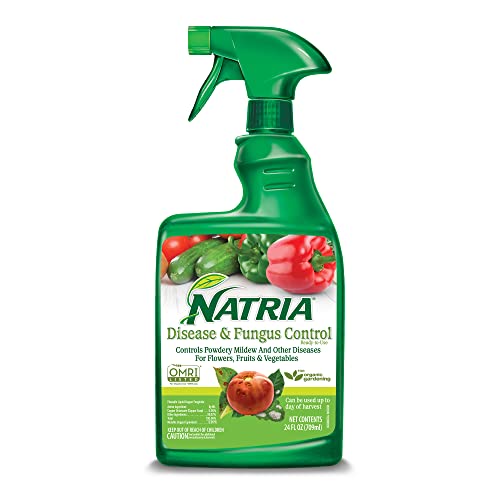
Natria Disease and Fungus Control Spray with Copper
A Deeper Look At The Lineup
Tomatoes fall to fungal trouble more than any other problem, and Earth’s Ally Disease Control leans on citric acid rather than synthetic chemistry to push back. For gardeners who want to keep their harvest close to a natural standard, that swap matters: you can spray near harvest without the same level of concern, and the concentrate format stretches across a full growing season for a small to mid-sized plot.
The formula targets powdery mildew, downy mildew, blight, canker, black spot, and leaf spot, covering the bulk of what troubles a tomato patch in humid summers. You dilute it yourself, so a single bottle covers more ground than a ready-to-use trigger spray.
Where It Helps
- Citric-acid formula suits organic-leaning gardeners who avoid synthetic fungicides
- Treats six common tomato diseases in a single product, simplifying your shed
- Concentrate format delivers more coverage per dollar than ready-to-use bottles
- Works as both a curative and preventative, so you can rotate it through the season
Trade-Offs Worth Weighing
- Requires mixing and a separate sprayer, which adds a setup step before each application
- Targets fungi only, so you’ll need a separate product for chewing insects like hornworms
Best Suited To
Home growers running an organic-leaning vegetable bed who mainly battle mildew and blight and don’t mind measuring out concentrate.
Swap It Out When
If insects are your bigger headache, skip this and grab Bonide Captain Jack’s Tomato & Vegetable Spray, which combines insect and disease coverage in one bottle.
Where Earth’s Ally Disease Control focuses only on fungi, the 3-in-1 Plant Spray broadens the toolkit to soft-bodied insects alongside common plant diseases. Built around a botanical oil blend, it doubles as both an insecticidal soap and a preventive fungicide, which is helpful if your tomato patch also anchors a small herb garden or a few houseplants that share the same pest profile.
The trigger-spray format means zero prep, so you can walk out to the patio and treat a single afflicted plant without hauling gear. Compared with the concentrate from the previous pick, this one trades mixing flexibility for grab-and-go simplicity.
Notable Upsides
- Tackles both soft-bodied insects and disease in a single ready-to-use bottle
- Botanical-oil formula keeps it friendlier around kids and pets than synthetic options
- Works indoors and outdoors, so the same bottle covers your tomato beds and houseplants
Honest Caveats
- Ready-to-use packaging costs more per ounce than the concentrate version
- Soft-bodied pest coverage means tougher beetles may need a dedicated product like BioAdvanced Tomato & Vegetable Insect Killer
- Oil-based sprays can leave a slight residue on leaves that some gardeners find visually noticeable
Quick Facts
Whose Shelf It Belongs On
Tomato growers with a small mixed planting who want one bottle to handle aphids, mites, and mildew without measuring concentrates.
Look Elsewhere When
You run a larger organic vegetable garden and want to refill from a concentrate jug instead of buying multiple ready-to-use bottles; Garden Safe Brand Fungicide3 with Neem Oil covers that ground.
Neem oil has earned its reputation over decades of organic gardening, and Garden Safe’s Fungicide3 leans on clarified hydrophobic extract of neem as the active ingredient. It pulls triple duty as a fungicide, insecticide, and miticide, which is why a single gallon jug can carry an entire vegetable garden through a season rather than splitting shelf space across multiple bottles.
The one-gallon size suits growers with several raised beds or a sprawling backyard plot, and the organic gardening positioning means you can use it on roses, ornamentals, fruits, and vegetables without switching products. Compared with Earth’s Ally 3-in-1, the swap here is from a small ready-to-use trigger to a value-sized concentrate that requires a dedicated pump sprayer.
Positive Takeaways
- Three categories of protection in one jug, so you stop juggling separate bottles for insects, mites, and disease
- Neem-based formula fits organic gardening standards and breaks down quickly after application
- Cleared for use on a wide range of edibles and ornamentals, including tomatoes, peppers, and cucumbers
- One-gallon size lowers the per-application cost for large plots
Points To Keep In Mind
- Neem has a distinctive sulfur-like odor that lingers briefly after spraying
- Best applied in cooler morning or evening hours to avoid leaf burn and protect beneficial pollinators
- Requires a pump sprayer you may not already own
Feature Snapshot
Made For
Organic vegetable gardeners managing multiple beds who want one neem-based jug to handle fungi, soft-bodied insects, and spider mites across tomatoes and beyond.
Skip It When
You want grab-and-go simplicity on a small patio; Bonide Captain Jack’s Tomato & Vegetable Spray is a better fit for that scenario.
When pest pressure crosses from a minor inconvenience to a full-on siege, a botanical oil may not feel like enough. BioAdvanced 3-in-1 steps in with a synthetic chemistry backbone that addresses insects, listed diseases, and plant mites in a single application, aimed at ornamentals like roses and flowering shrubs that often anchor the same yard as your tomato beds.
Tomatoes themselves are not the primary target on the label, so think of this pick as a companion product for the broader landscape rather than the centerpiece of your tomato spray routine. It targets black spot, powdery mildew, rust, and similar fungal complaints, plus chewing pests like adult Japanese beetles that can spread from nearby plantings into your vegetable patch.
Where It Excels
- Tough synthetic formula handles heavy infestations that gentler botanical sprays may not control
- Triple-action coverage cuts down on rotating multiple products through a busy season
- Targets Japanese beetles, which often move between ornamentals and nearby tomatoes
Practical Considerations
- Synthetic profile means stricter re-entry and harvest intervals, so read the label carefully before spraying edibles
- Not the right primary choice if you garden strictly to organic standards
- Stronger chemistry warrants gloves and eye protection during mixing and application
Right Fit For
Growers with a mixed landscape of roses, flowering shrubs, and tomatoes who face heavy pest and disease pressure and want one bottle that handles the ornamentals alongside the edibles.
Not Your Match When
Your tomato patch is your priority and you’d rather stay organic; BioAdvanced Tomato & Vegetable Insect Killer is built specifically for edible gardens.
This is the bottle you reach for when you spot the first hornworm chomping through a leaf or the telltale stippling of aphid damage. Built specifically for edible gardens, BioAdvanced Tomato & Vegetable Insect Killer takes aim at aphids, Japanese beetles, cutworms, and other listed pests with a fast-acting contact kill rather than a slow systemic route.
You can use it on leafy, fruiting, and root vegetables, so the same bottle works across tomatoes, peppers, carrots, and cucurbits. Compared with Earth’s Ally 3-in-1 from earlier, this one trades botanical gentleness for raw stopping power when an infestation is already underway.
The Practical Payoff
- Edible-garden-specific formulation removes the guesswork about whether a product is cleared for food crops
- Contact kill stops active infestations quickly, which matters when hornworms are stripping plants
- Covers tomatoes, peppers, carrots, and cucurbits with one bottle across the rotation
- Targets chewing pests that botanical oils often struggle to control
Some Limits To Know
- Insecticide only, so you’ll pair it with a separate fungicide like Natria Disease and Fungus Control for blight or mildew
- Synthetic profile means a strict pre-harvest interval you must observe before picking fruit
Quick Technical Notes
Perfect Match For
Edible-garden growers who face active pest outbreaks and need a tomato-specific insecticide that delivers fast, decisive knockdown.
Reach For A Different Pick When
You’d rather keep a single bottle on the shelf that handles insects and disease together; Bonide Captain Jack’s Tomato & Vegetable Spray covers both with one trigger pull.
If your backyard holds a lemon, a peach tree, and a row of tomatoes, hauling three bottles out for every treatment gets old fast. BioAdvanced 3-in-1 Fruit, Citrus, and Nut Tree Spray folds insect, disease, and mite control into a single 32-ounce bottle that’s cleared for fruit and nut trees, vegetables, and vine plants up to the day before harvest.
The vegetable clearance is what lands it on this list, since the formulation goes well beyond tree fruit. You can spray tomatoes alongside a struggling grapevine without switching chemistries mid-routine.
Positive Points
- Cleared for use on tomatoes right up to the day before harvest, giving you a tighter picking window
- Covers fruit trees, vines, and vegetables with one bottle, which simplifies a mixed yard
- Targets caterpillars, aphids, and mites alongside black spot, powdery mildew, and rust
- 32-ounce size strikes a middle ground between small trigger sprays and gallon concentrates
Where It May Fall Short
- Synthetic chemistry rules it out for strict organic protocols
- Day-before-harvest clearance is tighter than some alternatives, so timing matters when fruit ripens fast
Key Product Details
Who It Suits Best
Growers with tomatoes alongside fruit trees or grapevines who want a single bottle that handles insects, mites, and disease across the whole property.
A Better Fit Elsewhere
If your garden is vegetables only, BioAdvanced Tomato & Vegetable Insect Killer is more focused, and you can pair it with a copper fungicide for a tighter, edible-specific system.
First-time tomato growers often want one bottle that covers the basics without making them think about concentrate ratios. Bonide Captain Jack’s Tomato & Vegetable Spray is built exactly for that: a ready-to-use 32-ounce trigger that handles both insects and disease on listed fruits and vegetables, with no measuring or extra sprayer required.
The label covers a long list of soft-bodied pests from aphids and spider mites to caterpillars, thrips, and ants, alongside diseases like black spot, powdery mildew, rust, blight, and leaf spot. Compared with Earth’s Ally Disease Control from the start of the list, this one adds insect coverage but skips the citric-acid concentrate routine.
Strengths Worth Knowing
- Ready-to-use format removes the mixing step, which lowers the bar for new gardeners
- Insect and disease coverage in a single bottle keeps a small shed uncluttered
- Approved for organic gardening, which matters for gardeners avoiding synthetic chemistry
- Broad pest and disease list covers the most common tomato-garden offenders in one product
Less Ideal Details
- Ready-to-use packaging runs out faster on larger plantings than a concentrate like Garden Safe Brand Fungicide3
- Best applied early in the season as a protective spray, so timing matters more than with curative products
Who Will Love This
Beginner tomato growers who want one straightforward, organic-friendly bottle that covers insects and disease without any measuring.
Consider Something Else When
You’re managing a larger organic plot and refill costs start to add up; switching to a concentrate like Garden Safe Brand Fungicide3 with Neem Oil cuts the per-application spend.
Copper fungicides are some of the oldest disease tools in a gardener’s shed, and Natria’s Disease and Fungus Control updates the format with a ready-to-use trigger built around a fixed copper formulation. Copper works by creating a protective barrier on leaf surfaces, so timing matters: spray before disease pressure builds and you’ll head off the worst of early blight and leaf spot.
For gardeners in humid regions where fungal pressure is relentless, copper remains a dependable backbone alongside newer botanical options. Compared with Earth’s Ally Disease Control, the trade is copper versus citric acid, both organic-aligned but with different application rhythms.
Key Advantages
- Copper-based formula brings a long-trusted disease-control approach to a trigger-spray format
- Ready-to-use bottle means no measuring, which simplifies routine preventive sprays
- Suits humid climates where blight and leaf spot show up predictably every season
Details To Watch
- Copper accumulates in soil over years of heavy use, so rotating with another fungicide like Earth’s Ally Disease Control prevents buildup
- Targets fungi only, leaving insect control to a companion bottle like BioAdvanced Tomato & Vegetable Insect Killer
- 24-ounce bottle runs out quickly on larger plantings
Built With In Mind
Growers in humid or rainy climates where blight pressure is heavy and a preventive copper routine has worked for them season after season.
Where Another Pick Suits Better
You want one bottle that handles insects alongside disease; Bonide Captain Jack’s Tomato & Vegetable Spray bundles both jobs for a small-plot routine.
What Matters Most Before Choosing Pesticides For Tomatoes
Match The Product To Your Pest, Not The Other Way Around
Walk the patch before you buy. Sucking damage, sticky residue, and curling leaves point to aphids and whiteflies, while holes and stripped stems signal caterpillars and beetles. Some sprays, like BioAdvanced Tomato & Vegetable Insect Killer, target chewing pests on contact, while others, like Bonide Captain Jack’s, lean on preventive coverage and a softer mode of action. Matching the spray to the visible damage saves money and shortens the time your plants spend stressed.
Organic Versus Synthetic Is A Real Fork In The Road
Citric acid, neem oil, and copper all carry decades of home-garden use and slot into organic-leaning programs. Synthetic options, including several BioAdvanced picks, deliver faster knockdown and broader pest lists but require stricter intervals before harvest and more careful handling. Your tolerance for synthetic chemistry, plus any local regulations on edible gardens, should drive this choice before anything else.
Ready-To-Use Versus Concentrate Shapes Your Routine
Trigger sprays trade per-ounce cost for convenience, which matters on a small patio where measuring feels like overkill. Concentrates, like Garden Safe Brand Fungicide3, lower the per-application cost and stretch further across a large plot, but they require a dedicated pump sprayer and a few extra minutes of setup. Pick the format that matches how often you’ll actually spray, not just the upfront price.
Climate And Timing Change What Works
Humid summers invite blight and mildew, which is where copper and citric-acid fungicides earn their keep. Drier climates often lean toward insect pressure instead, making a tomato-specific contact insecticide the more valuable bottle. Starting sprays preventively, rather than after disease shows up, also shifts the result considerably across all eight picks.
Smart Buying Advice For Tomato Growers
Common Shopping Slip Ups
Reaching for the strongest synthetic on the shelf feels safe, but it can backfire on an organic-edibles garden where pre-harvest intervals dictate when you can pick. A second common slip is buying a fungicide when the real problem is insect damage, or vice versa. Diagnose the plant first, then match the bottle to the symptom, and the rest of the season runs smoother.
What The Higher Tier Buys
Stepping up from a small trigger spray to a larger or more specialized bottle usually buys a longer pre-harvest window, broader crop clearance, or a stronger mode of action. For most backyard tomato growers, that upgrade pays off when your garden expands beyond a couple of pots. For a single patio plant, the smaller bottle is the smarter spend.
