

Anyone who has wrestled a soggy pile of wood chips across a yard knows the fork matters more than the mulch. A weak handle flexes, narrow tines clog with straw, and a short shaft punishes your lower back before the first bed is finished. Picking the right pitchfork turns mulch day from a slog into a quick lap around the garden.
The eight forks below cover most homeowner scenarios, from short digging sessions in tight beds to long-haul compost turning on a small property. Each one earns its spot for a clear reason, and the notes below spell out trade-offs, not hype.
Your Options, Compared
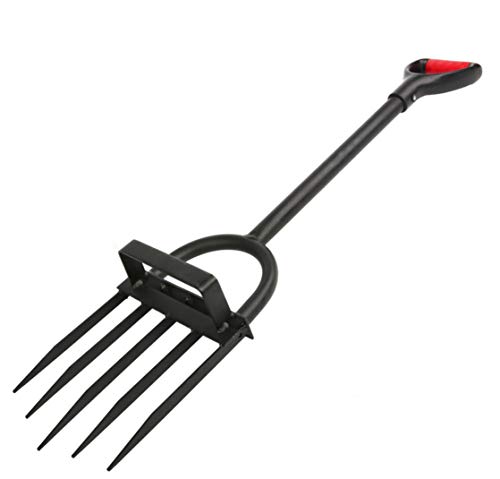
Ymachray 5-Tine Heavy Duty Pitch Fork

VNIMTI 4-Tine Spading Garden Fork 45-Inch

Truper BPJ-10 Ensilage Fork 10 Tines

Nohovu 5-Tine Pitchfork Fiberglass 58-Inch

FORCOLID 4-Tine Spading Fork 45-Inch Red

Dikuyeel 4-Tine Garden Fork 45-Inch Wooden

VNIMTI 5-Tine Pitchfork Fiberglass 58-Inch

KOLEIYA 5-Tine Pitchfork 57-Inch Orange Fiberglass
Inside Each Recommended Option
The Ymachray 5-Tine sits at the front of this list because it covers the widest range of garden chores without overcommitting on price. The stainless-steel head is built around an extra-long double-riveted socket, a connection point where the handle meets the tines, which reduces the wobble you often get from cheaper stamped forks.
Homeowners who bounce between turning compost and pulling mulch out of a wheelbarrow will appreciate the five-tine spread, which carries a satisfying load without choking on long straw. The T-handle grip keeps wrists in a neutral position, helpful during long Saturday sessions when fatigue starts to creep in.
Points In Its Favor
- Double-riveted socket resists the handle-loosening that frustrates many budget forks after a season of real use.
- Stainless head sheds sticky soil and resists surface rust in damp compost piles.
- T-handle reduces wrist strain during overhead loading and angled lifts.
- Welded boron steel blade tolerates the torque of prying up root mats without flexing.
- Long handle geometry suits gardeners over 5’8″ who dislike the stoop of a 45-inch tool.
Honest Caveats
- Stainless finish can show scuffs over time, mostly cosmetic, but worth knowing if a polished look matters to you.
- Total length may feel unwieldy for shorter gardeners working in narrow raised beds.
- Storage in a standard shed hook may require a slight angle since the shaft runs long.
Who It Suits Best
Homeowners with a mid-size yard who split their time between mulch spreading, compost turning, and the occasional digging job benefit most from the Ymachray’s all-purpose geometry.
Look Elsewhere When
Anyone under 5’4″ working mostly in tight raised beds will find the VNIMTI 4-Tine Spading Garden Fork 45-Inch easier to manage.
The VNIMTI 4-Tine earns its spot by doing one thing very well: getting into soil without exhausting you. The 45-inch handle keeps the working end close to the action, which makes a difference when you’re double digging a new bed or popping dandelions out of a tight border.
The shorter shaft and steel Y-grip give this fork the feel of a precision tool rather than a brute. You trade carrying capacity for control, which is the right call for gardeners focused on bed prep rather than hauling full wheelbarrow loads of mulch in a single scoop.
Bright Spots
- Compact 45-inch length suits gardeners of shorter stature and tight working spaces.
- Steel Y-grip offers a solid two-handed hold for prying and levering motions.
- Wooden handle dampens vibration, useful for repeated digging strokes.
- Light enough for overhead scooping from a wheelbarrow without arm fatigue.
Points To Note
- Four tines carry less per load than the five-tine options later on this list.
- Wooden handle needs occasional oiling if you store it in a damp shed.
Key Specs
Built With In Mind
Gardeners with small to mid-size plots who spend more time prepping beds than hauling wheelbarrow loads get the most out of this fork’s compact geometry.
Reach For A Different Pick When
Homeowners moving large volumes of mulch across an open yard will prefer the Nohovu 5-Tine Pitchfork Fiberglass 58-Inch for its longer reach and wider head.
The Truper BPJ-10 is the outlier on this list, and that is precisely why it is here. With ten tines spread across a 30-inch handle, it is built for volume work: turning manure, fluffing bedding, and lifting loose hay out of stalls.
Most mulch jobs only need four or five tines, but gardeners who keep chickens, horses, or a compost system that runs through serious biomass will appreciate the carrying capacity. The poly D-handle keeps grip secure when the load is heavy and your gloves are damp.
Everyday Perks
- Ten tines scoop large volumes per stroke, slashing trips across the yard.
- Poly D-handle provides a confident grip for heavy, awkward loads.
- 30-inch handle keeps the load close for better control with dense material.
Worth Bearing In Mind
- The narrow tine spacing clogs easily with wet, sticky mulch, where a 4- or 5-tine fork sheds debris faster.
- Shorter shaft means more bending during wide-area work.
- Specialized tool, less useful for digging than the spading forks on this list.
Right Fit For
Smallholders and gardeners managing manure, compost, or bedding for livestock or large gardens will value the BPJ-10’s hauling capacity.
Skip It When
Anyone focused on mulching flower beds or shrub borders will find the FORCOLID 4-Tine Spading Fork 45-Inch Red a better fit for everyday bed work.
The Nohovu 5-Tine steps away from wooden handles in favor of a thickened fiberglass shaft. For gardeners tired of splinters or handles that crack after two seasons of damp compost, that material change is the whole pitch.
The 58-inch length reduces the bend angle at the waist, which matters once the third wheelbarrow is empty. Two non-slip grips along the shaft keep the load from shifting even when palms get sweaty on a warm afternoon.
The Value In It
- Fiberglass handle tolerates weather swings and resists the cracking common in older wooden shafts.
- 58-inch length reduces back strain for taller gardeners.
- Wide 5-tine head carries bulky loads per scoop.
- Non-slip grips maintain control during long working sessions.
Practical Considerations
- Fiberglass can transmit more vibration into the hands than wood during heavy prying.
- Longer shaft is harder to maneuver in narrow raised beds or tight paths.
Feature Snapshot
Made For
Taller gardeners and homeowners working open lawn areas where back strain and load size are bigger concerns than tight-space maneuverability.
Consider Something Else When
Anyone gardening in compact raised beds will find the VNIMTI 4-Tine Spading Garden Fork 45-Inch a much friendlier fit.
The FORCOLID 4-Tine is built around a one-piece forged head, which is the kind of detail you usually only see on more expensive tools. That construction keeps the tines from bending when you hit a stubborn root or pry up a perennial clump.
At 4.5 pounds total, it leans toward the lighter end of this list, which is a real advantage during double-digging sessions where you repeat the same lever motion dozens of times. The red finish makes the shaft easier to spot in tall grass, a small thing that saves real frustration.
Where It Delivers
- One-piece forged head resists bending under heavy load.
- Forged steel Y-grip delivers a firm two-handed hold during prying.
- 4.5-pound weight is light enough for sustained digging without arm fatigue.
- Red finish is easy to spot when set down in the garden.
Trade-Offs To Consider
- Four tines carry less per scoop than the five-tine options higher on the list.
- Wood handle benefits from occasional conditioning in dry climates.
Whose Shelf It Belongs On
Gardeners who prioritize bed prep, double digging, and breaking new ground get the most from this fork’s forged construction.
A Better Fit Elsewhere
Anyone focused on bulk mulch hauling across open ground will appreciate the KOLEIYA 5-Tine Pitchfork 57-Inch Orange Fiberglass for its wider head.
The Dikuyeel 4-Tine leans into two specific attributes: a manganese steel head and a roll-forged one-piece construction. That combination is aimed at gardeners dealing with acidic or clay-heavy soils where lesser forks pit and corrode.
An anti-rust coating across the head adds another layer of protection, which extends the working life of the tool when you store it in a humid shed or use it around fresh compost. The 45-inch wooden handle keeps the weight manageable for long sessions.
Standout Benefits
- Manganese steel head tolerates acidic soil conditions that pit standard carbon forks.
- Roll-forged one-piece body holds up under heavy pressure and prying.
- Anti-rust coating reduces maintenance for gardeners storing tools in damp conditions.
- Wooden handle absorbs vibration for more comfortable digging strokes.
Possible Compromises
- Manganese steel adds slight weight compared to lighter stainless options.
- Coating can wear at high-contact points over years of abrasive soil work.
Feature Rundown
Perfect Match For
Gardeners with acidic soil, clay beds, or coastal humidity who want a head that resists corrosion over years of use.
Swap It Out When
Anyone working mainly with light bagged mulch in dry conditions may find the Ymachray 5-Tine Heavy Duty Pitch Fork lighter and easier to swing.
The VNIMTI 5-Tine Pitchfork shares a lot of DNA with the Nohovu above, but it earns its own slot by focusing on the comfort angle. The high-carbon steel head is roll-forged for strength, then coated to slow down rust, while the fiberglass handle keeps the tool light over long hauls.
Two non-slip grips along the shaft give you a hand position for both the lower lift and the upper carry, which matters once your arms tire. For gardeners who mulch in stages throughout the week rather than one marathon session, that ergonomic detail adds up.
What Works In Its Favor
- Lightweight fiberglass shaft reduces fatigue over repeated loads.
- Non-slip grips hold firm even when palms are damp from morning dew.
- 58-inch length suits tall gardeners and reduces lower-back bending.
- High-carbon steel head tolerates compost and mulch without bending.
A Few Limitations
- Long shaft is awkward to store in shallow shed hooks.
- Fiberglass transmits more shock than wood when prying up tough roots.
Best Suited To
Homeowners who mulch in multiple short sessions and want a fork that stays comfortable across the week rather than just the first hour.
Where Another Pick Suits Better
Anyone working mostly in tight vegetable beds will find the FORCOLID 4-Tine Spading Fork 45-Inch Red easier to handle.
The KOLEIYA 5-Tine closes the list with a fork that solves a problem most people don’t think about until it happens: losing a tool in the grass. The bright orange fiberglass handle is visible from across the yard, which sounds minor until you’ve spent ten minutes hunting a fork you set down three beds ago.
Underneath the cheerful color, the build is serious. The manganese steel head is integrated through forging, with conical solid teeth designed to pass through compost without flexing. The fiberglass handle also avoids the cracking and breaking that plagues wooden shafts over time.
Where It Excels
- High-visibility orange handle reduces lost-tool frustration in tall grass.
- Manganese steel head with integrated forging handles full loads without bending.
- Fiberglass shaft avoids the cracking and breaking common with wooden handles.
- 57-inch length balances reach with manageable swing weight.
Small Caveats
- Bright color may not match a tidy tool storage aesthetic.
- Conical teeth are optimized for compost, less effective at slicing compacted soil.
Feature Breakdown
Who Should Grab It
Busy gardeners with large yards or shared toolsheds who lose track of equipment will appreciate the high-visibility handle.
Not Your Match When
Anyone doing more bed prep than bulk hauling may prefer the Dikuyeel 4-Tine Garden Fork 45-Inch Wooden for closer-quarters digging.
Picking A Pitchfork That Fits Your Garden
The right pitchfork depends less on brand and more on how you actually work. Match the tool to the task, and the rest falls into place.
Handle Length And Your Body
Handle length directly affects how much bending you do. Shorter gardeners and tight raised beds favor 45-inch shafts, which keep the working end close and reduce wrist torque. Taller gardeners handling full wheelbarrow loads benefit from 57- to 58-inch shafts, which shift more of the lift to the legs and shoulders. Wrong-length forks turn a 20-minute job into a backache.
Tine Count And Load Type
Four tines penetrate compacted soil more cleanly and shed sticky mulch without clogging. Five tines carry wider loads per scoop, which speeds up compost and loose straw work. Ten-tine ensilage forks, like the Truper, scoop the largest volume per stroke but clog in wet material. Match the tine count to what you’re moving most often.
Head Material And Soil Conditions
Stainless steel resists rust and sheds soil but costs more. Manganese steel handles acidic and clay-heavy soils where lesser forks pit over time. Carbon steel is the budget standard, sturdy but prone to surface rust without care. Anti-rust coatings extend working life in humid sheds.
Handle Material And Long-Term Care
Wood handles dampen vibration and feel warm in cold weather, but need occasional oiling to prevent cracking. Fiberglass handles resist weather and breakage, with the trade-off of slightly more vibration transfer during heavy prying. For most home gardeners, fiberglass pays off in durability if you tend to leave tools outside.
Smart Choices Before You Buy
Common Buying Slip Ups
Picking a fork based on tine count alone leads to regret. A ten-tine fork sounds powerful until it clogs on wet straw. Equally, grabbing the shortest handle for control ignores the back strain of long sessions. Match the fork to the dominant task, not the broadest spec sheet.
Where The Extra Money Goes
Higher-tier forks spend the budget on forged heads, fiberglass shafts, and corrosion-resistant coatings. Those features show up after a season or two, when cheaper forks loosen at the socket, pit at the tines, or crack along the grain. For gardeners who mulch weekly, the upgrade pays off in fewer replacements. For seasonal use, a mid-tier build is plenty.
