

Healthy outdoor beds start with the right feeding routine, and choosing well now saves replanting headaches later. You want a fertilizer that matches your soil type, your plant mix, and how often you actually want to mix or sprinkle. This roundup walks through seven solid outdoor options across granular, water-soluble, and liquid formats, so your tomatoes, roses, and shrubs all get what they need without overcomplicating your weekend.
A Fast Comparison Of The Options

Espoma Plant-Tone Organic All Purpose Plant Food 4 lb. (Pack of 2)
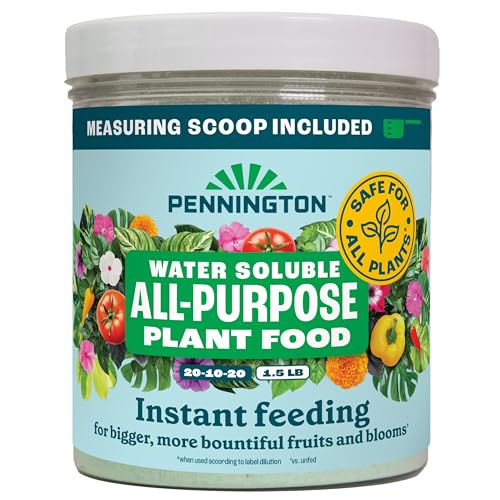
Pennington Water Soluble All Purpose Plant Food 20-10-20 1.5 LB

Miracle-Gro Liquafeed Refills All Purpose Fertilizer 4 Pack
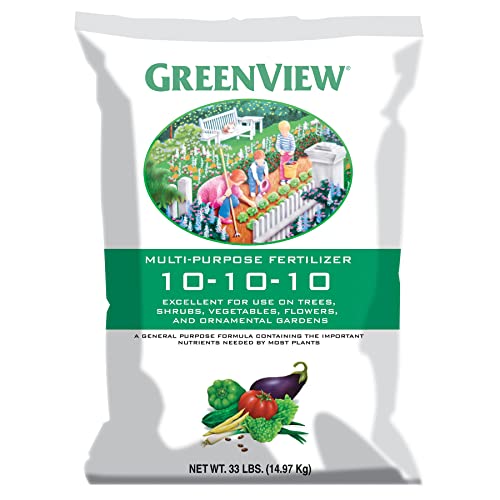
GreenView Multi-Purpose Fertilizer NPK 10-10-10, 33 lb.

Espoma Plant-Tone Organic All Purpose Plant Food 50 lb. Bag

Back to the Roots Organic All-Purpose Plant Food 5 lb.

FoxFarm Big Bloom Liquid Plant Food 1 Pint
The Strengths Of Each Pick
If you tend a mixed backyard with roses, tomatoes, and a few shrubs, this granular organic blend keeps feeding simple. The 5-3-3 analysis (that’s nitrogen, phosphorus, and potassium in a 5-3-3 ratio, plus 5% calcium for cell strength) breaks down slowly, so one application keeps working for weeks rather than days. You’ll spend less time reapplying and more time enjoying the beds.
The two-pack format works well for small to mid-sized gardens where you rotate between flower and veggie zones. For most home growers new to organics, the gentle nutrient release forgives the occasional missed feeding.
Where It Delivers
- Slow-release organic formula feeds steadily without burning tender roots
- Versatile across annuals, perennials, vegetables, trees, and shrubs
- Bio-tone-enhanced blend supports microbial soil life over time
- Granular format means no mixing, no measuring scoops, no mess
Things To Consider
- Results build gradually, so impatient gardeners may want faster visible greening
- The earthy organic smell is noticeable right after application
Feature Snapshot
Right Fit For
New organic gardeners juggling mixed flower and vegetable beds who want one bag that handles most outdoor plants.
Where Another Pick Suits Better
Homeowners with sprawling lawn-edge beds that need serious coverage should look at GreenView Multi-Purpose Fertilizer NPK 10-10-10, 33 lb. instead.
When container annuals start looking pale midseason, a quick-release water-soluble fertilizer rescues them fast. Pennington’s 20-10-20 ratio delivers nitrogen-heavy feeding that greens up foliage within days, not weeks. The included scoop makes measuring straightforward, so accidental overfeeding is less likely.
Compared to the Espoma organic granular above, this works through a watering can rather than sprinkling dry. You trade long-lasting slow feeding for speed and targeted correction, which suits hanging baskets and patio pots where plants use nutrients quickly.
Standout Benefits
- Fast-release nitrogen produces visible greening in days
- Water-soluble format suits watering-can feeding schedules
- Measuring scoop simplifies mixing ratios
- Higher nitrogen ratio supports leafy growth in foliage plants
Worth Noting
- Needs reapplication every one to two weeks to stay effective
- Can leach quickly in rainy climates, so overfeeding becomes a real risk
Whose Shelf It Belongs On
Container gardeners and patio growers who want quick color correction during the growing season.
Look Elsewhere When
Growers focused on long-term soil building should consider Back to the Roots Organic All-Purpose Plant Food 5 lb. for a gentler animal-free approach.
The Liquafeed system swaps measuring cups for a hose-end feeder that auto-mixes concentrate as you water. If your routine already includes dragging a sprinkler around the yard, this cuts one extra step. You clip a bottle onto the feeder and feed the lawn, beds, and shrubs in a single pass.
Note that the feeder itself sells separately, which is a real consideration if you don’t already own one. Compared to Pennington’s scoop-and-water-can approach, this trades manual control for hands-off convenience during bigger sessions.
Advantages To Know
- Auto-mixing design eliminates measuring and guessing
- Four-bottle refill pack covers a full growing season
- Works across lawns, flowers, vegetables, and shrubs
Trade Offs
- Requires the separate Liquafeed Garden Feeder to function
- Less precise than scoop-based feeding for sensitive or specialty plants
Quick Facts
Made For
Busy gardeners who want fertilizer and watering rolled into one chore without juggling measuring cups.
Reach For A Different Pick When
Pure-organic gardeners should reach for Espoma Plant-Tone Organic All Purpose Plant Food 4 lb. (Pack of 2) for an organic granular alternative.
Properties with serious square footage need bulk supply, and this 33 lb. bag covers up to 3,300 square feet per application. The balanced 10-10-10 NPK ratio (equal parts nitrogen, phosphorus, and potassium) treats lawns, ornamentals, vegetable plots, and trees with the same broadcast, simplifying shopping when you maintain multiple zones.
Compared to the smaller Espoma 4 lb. two-pack earlier, this trades organic certification for raw coverage volume. It’s a workhorse choice when you measure fertilizer in pounds per pass rather than spoonfuls.
Notable Gains
- Covers up to 3,300 sq. ft., ideal for whole-yard feeding
- Balanced 10-10-10 ratio fits vegetables, flowers, shrubs, and ornamentals
- Bulk bag reduces per-application cost across the season
Small Caveats
- 33 lb. bag is heavy to carry and store for small-space gardeners
- Synthetic profile, so it won’t support organic soil-building goals
- A spreader is the practical way to apply evenly at this volume
Best Suited To
Homeowners with large yards, multiple garden zones, or rural properties needing broad, even coverage.
Skip It When
Apartment patio gardeners should skip this and pick Pennington Water Soluble All Purpose Plant Food 20-10-20 1.5 LB for a manageable container-sized option.
For serious organic gardeners with established beds, the 50 lb. Plant-Tone bag keeps the season fed without reordering every few weeks. The same 5-3-3 Bio-tone formula as the smaller pack, just scaled for larger properties. The original Plant-Tone has been a backyard staple for decades for one simple reason: it works predictably across plant types.
Against GreenView’s synthetic 10-10-10, you trade quick nutrient availability for soil-building organic matter that improves texture over time. Storage matters here; you’ll want a dry bin or shed to keep the bulk bag from clumping.
What Pays Off
- Bulk organic supply avoids midseason reordering
- Same trusted 5-3-3 Bio-tone formula as the smaller Espoma pack
- Builds long-term soil organic content with every application
Honest Caveats
- Heavy 50 lb. bag is awkward to haul and store
- Slower visible results than synthetic fast-release options
- Needs dry storage to prevent clumping between feedings
Key Product Details
Who Should Grab It
Established organic gardeners with multiple beds who prefer buying once and feeding all season.
Consider Something Else When
Tomato and rose growers chasing heavier blooms should consider FoxFarm Big Bloom Liquid Plant Food 1 Pint as a targeted bloom supplement.
Growers who avoid animal-based amendments will appreciate this premium blend built from kelp, alfalfa meal, mycorrhizae, and rock phosphate. Mycorrhizae are beneficial fungi that form partnerships with plant roots, helping them draw water and nutrients from a wider soil area. That’s a meaningful edge for new transplants struggling to establish.
It’s positioned as a value 5 lb. size, slotting between the small Espoma two-pack and the bulk 50 lb. bag. For herb gardens and edible beds where animal-product ingredients matter, this is a thoughtful fit.
Useful Touches
- Vegan formulation with no animal-derived ingredients
- Includes mycorrhizae to support root development
- Kelp and alfalfa meal feed both soil microbes and plants
Points To Note
- Smaller bag than the bulk Espoma option, so refills come sooner
- Organic release still means slower visible results than synthetics
Core Details
Who Will Love This
Edible gardeners growing herbs, leafy greens, and fruit who prefer vegan-friendly organic inputs.
A Better Fit Elsewhere
Large-property gardeners wanting maximum coverage per bag should look at GreenView Multi-Purpose Fertilizer NPK 10-10-10, 33 lb. for higher volume.
Tomato cages heavy with green fruit and rose bushes loaded with buds benefit from a low-nitrogen liquid feed, and Big Bloom’s 0-0.5-0.7 ratio redirects energy toward flowers rather than leaves. Earthworm castings and bat guano deliver micronutrients (trace elements like iron and manganese that plants need in tiny amounts) along with the basic NPK. For bloom-heavy plants, that profile supports fruit set and petal quality.
This isn’t a stand-alone garden fertilizer; it’s a supplement layered onto a base feeding program. Pair it with the Espoma Plant-Tone granular earlier in the season for soil building, then switch to Big Bloom during flowering.
What It Does Well
- Low-nitrogen formula pushes energy into flowers and fruit, not leaves
- Liquid concentrate mixes easily for watering-can feeding
- Organic earthworm castings and bat guano add micronutrients
- Useful at every growth stage, from transplant through harvest
Less Ideal Details
- Not a complete fertilizer, so it pairs with a base granular program
- Small 1-pint bottle runs out faster than granular bulk options
Feature Card
Perfect Match For
Vegetable and flower growers chasing heavier blooms and fruit set on tomatoes, peppers, and roses.
Swap It Out When
General-purpose feeders who want one product for everything should swap to Miracle-Gro Liquafeed Refills All Purpose Fertilizer 4 Pack for broader coverage.
Matching Fertilizer To Your Outdoor Beds
Know Your NPK Before You Buy
The three numbers on any fertilizer bag tell you the nitrogen, phosphorus, and potassium ratio, and those numbers decide what gets fed. Nitrogen drives leafy green growth, phosphorus supports roots and blooms, and potassium handles overall plant vigor. A balanced 10-10-10 like the GreenView option works for general-purpose beds, while specialized ratios like FoxFarm’s 0-0.5-0.7 push energy toward flowers rather than leaves. Match the ratio to your goal: leafy growth, bigger blooms, or steady all-around feeding.
Granular, Soluble, Or Liquid
Format shapes your routine more than people expect. Granular organic fertilizers like Espoma Plant-Tone sprinkle on top and feed slowly over weeks, perfect for low-maintenance beds. Water-soluble powders like Pennington’s 20-10-20 dissolve in a watering can for quick correction when something looks off. Liquid concentrates like FoxFarm Big Bloom or the Miracle-Gro Liquafeed refills feed immediately and pair with regular watering schedules, suiting active growers who check plants often.
Sizing To Your Space
Bag size matters more than people think, and overbuying leads to clumpy storage waste. A 4 lb. two-pack covers a small urban yard, while a 50 lb. bulk option makes sense for established multi-bed gardens. Liquid refills in 4-packs suit homeowners with hose-end feeders, while 1-pint bottles work as supplements alongside a granular base program. Buy what you’ll actually use within one season.
Reading The Organic Vs. Synthetic Trade-Off
Organic fertilizers build soil over time and feed microbes alongside plants, which improves texture and drainage across seasons. Synthetic options feed plants directly with predictable nutrient release but skip the soil-building side. For long-term bed health, organics like the Espoma or Back to the Roots options carry more lasting benefit. For quick visible correction, synthetics like Pennington’s soluble powder or GreenView’s balanced granular respond faster.
Common Slip Ups And Smart Spending
Pitfalls Shoppers Hit
Buying the cheapest fertilizer without checking the NPK ratio is a common trap, since a 5-10-5 mix behaves very differently from a 20-10-20 formula. Another slip is overapplying water-soluble feeds in rainy weather, which leaches nutrients past the roots before plants can use them. Choosing a synthetic when you wanted organic, or vice versa, also happens often when shoppers focus on bag size and price instead of ingredient lists. Read the label first, then buy the format that fits how you actually garden.
Where The Extra Money Goes
Higher-tier fertilizers earn their cost through concentrated nutrients, organic certifications, or added beneficial microbes. Back to the Roots includes mycorrhizae to expand root reach, which speeds transplant establishment. Espoma’s Bio-tone formula feeds soil biology rather than just plants, building healthier beds year over year. Bulk bags like GreenView’s 33 lb. lower per-application cost but only make sense if you actually need that coverage. Spend up when the extras align with your soil goals, not just because a bag looks premium.
