

Healthy flowers don’t happen by accident. The right fertilizer nudges annuals toward stronger color, keeps perennials blooming longer, and rescues containers that look tired by midsummer. Picking a food that matches your plants and your routine is the difference between a few sad stems and a yard full of color.
This roundup covers eight fertilizers worth a look for flowering plants, from slow-release granules you sprinkle once a season to liquid concentrates that mix into your watering can. Some target blooms specifically, while others feed the whole plant. The short takes below should help you match a product to your garden, your time, and the kind of flowers you’re growing.
A Snapshot Of The Selections

Miracle-Gro Indoor Plant Food Spikes, 48 Spikes
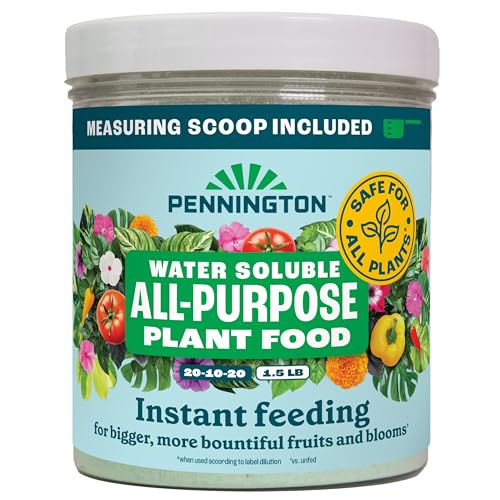
Pennington Water Soluble All Purpose Plant Food 20-10-20, 1.5 LB

Miracle-Gro Organic Plant Food, 32 fl. oz.

Espoma Organic Bloom! 16-Ounce Plant Food

Espoma Flower-Tone 3-4-5 Organic Plant Food, 4 lb. Bag (2 Pack)

Organic Plant Magic Slow Release Granular Fertilizer, 4 lb Bag

Miracle-Gro Indoor Plant Food Spikes, 24 Spikes

Miracle-Gro Organic All Purpose Plant Food, 3 lb.
The Details Behind The Selections
Flower gardeners who keep a windowsill full of African violets, geraniums, or begonias often forget to feed on a schedule. The 48-spike jar from Miracle-Gro solves that problem in the simplest way possible: push a spike into the soil, water as usual, and let it release nutrients over time.
Compared to the liquid and granular options later in this list, spikes trade precision for convenience. You won’t be measuring anything or mixing anything. For indoor flowering plants in small-to-medium pots, that trade is usually a good one.
What Makes Sense
- Set-it-and-forget-it feeding for up to two months per spike
- No measuring, mixing, or extra watering sessions required
- Larger 48-count jar covers a sizeable indoor collection
- Works for flowering plants, herbs, and foliage houseplants alike
- Compact storage in a resealable jar that fits a shelf or cabinet
Worth Noting
- Spikes only feed the soil directly around them, so very large pots may need more than one
- You can’t adjust dosage mid-cycle the way you can with a liquid feed
Right Fit For
Busy indoor gardeners who want consistent feeding without remembering a schedule.
Look Elsewhere When
Pennington Water Soluble All Purpose Plant Food fits gardeners who’d rather mix a quick liquid feed each watering and adjust the strength as the season changes.
Liquid fertilizers like this Pennington blend get to work fast because roots absorb dissolved nutrients almost immediately. For flowering plants in the middle of a growth spurt, that speed matters when stems need a quick push toward buds.
The 20-10-20 ratio gives nitrogen the leading role, which is helpful for leafy growth early in the season. As flowers begin to set, you’ll likely still want to pair it with a bloom-targeted formula like Espoma Organic Bloom! for the strongest show.
The Value In It
- Fast-acting nitrogen supports quick green-up and stem strength
- Water-soluble format mixes easily into a watering can
- Includes a measuring scoop for more accurate dosing
- Works across flower beds, containers, and vegetable gardens
- 1.5-pound bag covers a full season for most home gardens
Things To Consider
- Needs to be mixed and applied more often than spikes or granules
- Higher nitrogen ratio means it isn’t bloom-specific on its own
- Store the bag somewhere dry, since moisture can clump the powder
Quick Facts
Made For
Gardeners with mixed beds who want one powder that handles both flowers and vegetables.
Consider Something Else When
Espoma Flower-Tone suits flower-focused gardeners who’d rather use a granular bloom-boosting formula and skip mixing.
Some flower gardeners would rather keep their feeding routine organic, especially when pots sit on a patio where kids and pets roam. This 32-ounce bottle from Miracle-Gro leans plant-based, which fits that approach.
It’s a liquid concentrate you dilute with water, similar to how the Pennington powder works, so the application habit is familiar. For organic-leaning indoor and outdoor container gardens, it’s a sensible everyday option.
Real Benefits
- Made with a high percentage of plant-based fertilizer ingredients
- Liquid form gives plants a quick, easy-to-absorb feed
- Works on indoor houseplants, outdoor containers, and garden beds
- Easy-pour bottle simplifies mixing in a watering can
Trade Offs
- Bottle weight adds up if you’re carrying it between many containers
- Liquid format still requires regular feeding sessions
- Organic feeds can sometimes act slower than synthetic options
Best Suited To
Organic-minded container gardeners feeding a mix of indoor and outdoor flowering plants.
Swap It Out When
Espoma Organic Bloom! is a better match for gardeners wanting a bloom-targeted organic liquid rather than an all-purpose feed.
Annuals and perennials that flower heavily through summer need more than nitrogen to keep the show going. Espoma’s Bloom! is built around natural proteins designed to encourage bud formation and bigger blossoms on flowering plants.
Unlike the all-purpose Pennington earlier, this one is specifically tuned for bloom-heavy feeders like hanging baskets, petunias, and container roses. If you grow cut flowers, this is the kind of feed that helps stems stay strong enough to bring inside.
Standout Benefits
- Designed specifically for flowering plants rather than all-purpose use
- Natural protein-based formula supports bud and bloom development
- Suitable for hanging baskets, which often need extra feeding
- Liquid concentrate mixes cleanly into a watering can
- Plays well alongside a granular fertilizer in a layered feeding routine
Possible Compromises
- Smaller 16-ounce bottle may run out fast on large flower beds
- Bloom-focused formula means it’s less useful on vegetables or foliage
At A Glance
Who It Suits Best
Flower gardeners running hanging baskets and bloom-heavy annuals who want a feed tuned to flower production.
Where A Sibling Pick Shines
Espoma Flower-Tone suits gardeners who prefer a granular bloom-boosting feed for in-ground beds they want to feed less frequently.
Flower beds that bloom from spring through fall need steady, low-stress nutrition rather than sudden chemical bursts. Espoma Flower-Tone is a granular organic fertilizer with a 3-4-5 ratio, meaning lower nitrogen and more phosphorus for blooms and roots.
The two-bag 4-pound pack covers a sizeable in-ground planting. For gardeners prepping a new perennial bed or refreshing an established one, that’s a real plus.
Benefits That Matter
- Lower nitrogen ratio protects against leafy growth at the expense of blooms
- Includes calcium to support stronger stems and cell structure
- Organic ingredients plus Espoma’s Bio-tone blend for soil life
- Two-bag pack keeps an active flower bed fed across a full season
- Suitable for annuals, perennials, and roses in the same bed
Small Caveats
- Granules need watering in to activate, which matters in dry spells
- Bulk bags need dry storage to avoid clumping over time
Feature Snapshot
Perfect Match For
Organic-leaning gardeners with established in-ground flower beds who want a bloom-forward granular feed.
Reach For A Different Pick When
Miracle-Gro Indoor Plant Food Spikes fit gardeners tending indoor flowering pots who want a no-mix, no-spread option.
Slow-release granules work differently from the spikes and liquid feeds earlier in this list. You sprinkle them once at planting or as a top dressing, and the nutrients trickle out over weeks. For gardeners who’d rather not feed every week, that’s a meaningful relief.
Organic Plant Magic’s blend is geared toward long-lasting feeding for flowers, vegetables, fruit trees, and shrubs. One 4-pound bag treats a generous area when used as a top dress or worked into planting holes.
Where It Excels
- Slow-release formula stretches feeding over a long window
- Versatile across flowers, vegetables, shrubs, and fruit trees
- Granules can be mixed into soil or sprinkled on top
- One application covers a meaningful area per bag
- Good fit for gardeners who forget to feed on a regular schedule
A Few Limitations
- Slow release means slower visible response if plants are already stressed
- Granular format requires some spreading or mixing effort
- Not bloom-targeted, so heavy bloomers may still want a bloom boost alongside it
Feature Rundown
Who Should Grab It
Low-maintenance gardeners with mixed plantings who prefer one application that lasts.
A Better Fit Elsewhere
Espoma Organic Bloom! fits gardeners wanting a bloom-targeted liquid to layer on top of a base fertilizer during peak flowering.
The 24-spike version of Miracle-Gro’s indoor plant food does exactly what the 48-count jar does, just in smaller packaging. Same formula, same feeding window, same push-into-the-soil routine.
For gardeners with only a handful of flowering houseplants, this is the more proportionate buy. Compare that to the larger 48-spike jar covered earlier, which makes more sense for a full windowsill collection.
The Practical Payoff
- Lower spike count avoids storing extras you won’t use for months
- Same two-month feeding window as the larger jar
- Easy, no-mix application for small indoor setups
- Compact jar fits in a narrow cabinet or under a sink
Honest Caveats
- Smaller jar runs out faster if you tend a growing indoor collection
- Per-spike cost tends to be higher than the larger jar
Built With In Mind
Small-space gardeners who keep just a few flowering houseplants on a shelf or counter.
Not Your Match When
The 48-spike Miracle-Gro jar fits gardeners running a fuller indoor collection who’d rather stock up once.
DIY homeowners running both a flower border and a vegetable plot often want one fertilizer that covers both jobs. This 3-pound granular bag from Miracle-Gro is the organic answer to that request.
It’s a granular feed that supports root development and works across vegetable and flower beds alike. For gardeners transitioning away from synthetic blends, this is a sensible everyday swap.
What Pays Off
- Organic granular formula suited to outdoor flower and vegetable beds
- Designed to support strong root development
- Single bag covers a multi-bed home garden
- Useful for gardeners shifting from synthetic to organic feeding
Practical Considerations
- Granules need to be watered in to activate after spreading
- All-purpose formula isn’t tuned specifically for bloom-heavy flowers
- Bag must be kept sealed and dry between uses
Whose Shelf It Belongs On
Home gardeners mixing flower beds and vegetable plots who want one organic granular feed.
Skip It When
Espoma Flower-Tone suits gardeners focused purely on bloom production in dedicated flower beds.
What To Weigh Before Choosing A Flower Fertilizer
The format matters as much as the brand. Liquid concentrates and water-soluble powders give plants a quick feed, which helps when blooms need a fast push. Granular slow-release products stretch feeding over weeks, which suits gardeners who’d rather not feed on a strict schedule. Spikes slot in between, offering set-and-forget feeding for potted plants without any measuring.
The nutrient ratio on the bag, written as three numbers like 20-10-20, tells you the balance. Nitrogen drives leafy growth, phosphorus supports blooms and roots, and potassium keeps overall plant vigor steady. High-nitrogen blends push green growth early in the season, while bloom-leaning ratios with more phosphorus encourage flowering.
Match the format to your routine. Container gardens on a patio pair well with liquid feeds or spikes. In-ground beds benefit from granular feeds that weather watering and rain. Bloom-heavy annuals like petunias and calibrachoa need regular feeding through summer, while perennials often do fine with one or two granular applications per season.
Finally, decide whether organic or synthetic fits your approach. Organic options like the Espoma and Organic Plant Magic picks build soil life slowly and suit gardeners who want plant-based inputs. Synthetic options typically act faster and can give stressed plants a quicker lift, depending on the formula.
Picking The Right Formula Without Second-Guessing
Mistakes Worth Dodging
Feeding flowering plants with an all-purpose high-nitrogen blend is the most common slip. You’ll get lush green leaves and far fewer blooms than you expected. Matching the ratio to the goal, leafy growth versus flower production, is the simple fix.
Another trap is overfeeding container plants. Potted flowers have a limited root zone, and excess fertilizer salts can build up and burn roots. Following the label rate matters more than people think.
Where The Extra Money Goes
Higher-tier flower fertilizers tend to add organic ingredients, calcium, or beneficial microbes that cheaper blends skip. Those extras support soil life and steady nutrient release rather than a single chemical burst.
The upgrade is worth it for gardeners with established beds or anyone transitioning to organic feeding. For a couple of patio pots, a basic synthetic feed is often enough.
Frequently Asked Questions
How Often Should You Fertilize Flowering Plants?
Most flowering plants do well with feeding every two to four weeks during the active growing season. Granular slow-release fertilizers stretch that window to once per season, while liquid feeds need more frequent application to keep nutrients steady.
Is Organic Fertilizer Better For Flowers?
Organic fertilizers build soil health over time and release nutrients slowly, which suits most flowering plants well. Synthetic options typically act faster and can give stressed plants a quicker lift, but the choice depends on your gardening approach and goals.
Can You Use The Same Fertilizer For Indoor And Outdoor Flowers?
Many all-purpose fertilizers work for both, especially liquids and spikes labeled for indoor and outdoor use. Bloom-specific formulas work in either environment too, though outdoor beds often benefit from higher application rates than indoor pots.
What Fertilizer Ratio Is Best For Flowering Plants?
A higher middle number, the phosphorus, encourages blooms. Ratios like 3-4-5 or similar bloom-leaning blends tend to support flowering better than high-nitrogen formulas, which push leafy growth instead.
Do Hanging Baskets Need Special Fertilizer?
Hanging baskets are small containers with frequent watering, which leaches nutrients quickly. A bloom-targeted liquid fertilizer applied every one to two weeks keeps petunias, calibrachoa, and similar plants blooming through summer.
Wrap Up
The right fertilizer depends less on brand and more on format, ratio, and routine. Liquid feeds suit gardeners who want quick results, granules suit those who prefer less frequent work, and spikes solve the “I forgot to feed” problem for indoor pots. Pick the format that matches your habits, choose a bloom-leaning ratio for flowering plants, and you’ll get more color for the same effort.
