

A healthy plant starts at the root, and the right nutrients make the difference between a sad windowsill and a thriving one. Whether you’re tending a single pothos or running a full vegetable garden, the fertilizer you choose shapes how your plants grow. This list covers the formats that actually deliver: spikes for low-effort feeding, liquids for fast absorption, and organic blends for gardeners who want gentle ingredients. Each pick is matched to a specific situation, so you spend less time guessing and more time watching your plants respond.
The Shortlist At A Glance

Miracle-Gro Indoor Plant Food Spikes for All Plants (48 Spikes)

Alaska Fish Fertilizer for Plants 5-1-1 (OMRI Listed)

Dyna-Gro Foliage Pro 32 oz Liquid Fertilizer
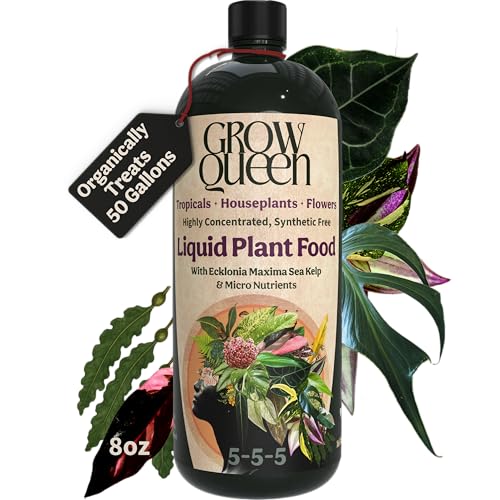
Grow Queen Organic Liquid Indoor Plant Food 5-5-5 (8 oz)

Foliage-Pro 9-3-6 Liquid Plant Food (32 oz)
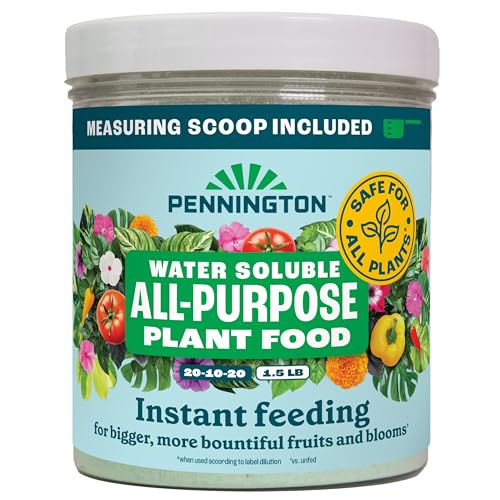
Pennington Water Soluble All Purpose Plant Food 20-10-20 (1.5 lb)

Miracle-Gro Organic Plant Food (32 fl. oz.)

Miracle-Gro LiquaFeed All Purpose Refills (4 Pack)
More On The Choices That Made The List
Spike fertilizers solve the most common indoor plant problem: forgetting to feed. You push one into the soil, water as usual, and the spike releases nutrients gradually over roughly two months. For someone with a windowsill full of mixed houseplants, that tradeoff between effort and consistency matters more than any single nutrient ratio.
This 48-count box covers a sizeable collection without constant repurchasing, and the spikes work across foliage plants, herbs, and small vegetables alike. Compared to the liquid options later on this list, you give up precise dosage control in exchange for never having to mix or measure. For most households that balance is exactly right.
Everyday Advantages
- No mixing or measuring required, so it’s approachable for first-time plant owners.
- Each spike feeds a single pot for roughly two months, which fits typical watering routines.
- Works across most houseplants, herbs, and small vegetables in one container.
- The 48-count packaging reduces trips to restock for anyone running a multi-plant setup.
Points To Keep In Mind
- Spikes must be pushed deep enough into moist soil to release properly; dry compacted soil reduces effectiveness.
- Feeding is gradual, so quick rescues for severely depleted plants may need a faster-acting liquid alongside it.
Who It Suits Best
Apartment dwellers and busy plant parents who want reliable feeding without tracking a schedule or hauling out measuring spoons.
Consider Something Else When
Vegetable gardeners tending outdoor beds will get more flexibility from the Alaska Fish Fertilizer, which spreads evenly across rows.
Fish emulsion has been a garden staple for decades because it works without harsh chemistry. This 5-1-1 formulation leans heavily on nitrogen, the nutrient plants need most for leafy growth, while keeping phosphorus and potassium modest. The mild dilution is what makes it forgiving: you can apply it through the growing season without burning roots.
For edible beds, OMRI listing tells you the product meets standards for organic use, which matters when growing food. Unlike the spike format above, this is a concentrate you mix into a watering can, giving you direct control over how much each plant gets. The honest read is that the smell is real, so outdoor application keeps things comfortable.
What Earns Its Place
- Gentle enough for repeated applications through the entire growing season without root burn.
- Liquid form allows even coverage across rows, raised beds, and containers alike.
- OMRI listed for organic gardening, which suits vegetable and herb growers.
- Concentrate format stretches a single bottle across many feedings.
Honest Caveats
- The fish scent is noticeable during mixing and lingers briefly after outdoor application, so indoor use calls for ventilation.
- Requires a watering can and basic measuring, which is more setup than the spike alternative.
Built With In Mind
Home gardeners running vegetable plots, herb beds, or mixed outdoor containers who want organic certification and forgiving dilution ratios.
Look Elsewhere When
Indoor-only plant collectors managing a clean windowsill will prefer the odor-free convenience of the Miracle-Gro Indoor Plant Food Spikes.
Dyna-Gro’s Foliage Pro is the bottle serious growers reach for, and the 32 oz size is the practical sweet spot. It’s a complete nutrient solution, meaning it carries the full spectrum of macro and micro nutrients plants need in one formula, which removes the guesswork of feeding multiple products. For a hydroponic setup or a dense foliage collection, that completeness simplifies the routine.
The liquid format mixes into water at low dilution rates and feeds through either soil or soilless systems. Compared to the organic Alaska fish option earlier, you’re trading the natural sourcing for laboratory-balanced consistency. If you run a low-light apartment or a propagation shelf, you may find this blend keeps growth steady where gentler feeds stall.
Where It Delivers
- Complete nutrition in a single bottle reduces the need to stack multiple supplements.
- Compatible with both soil containers and hydroponic reservoirs, so it follows your setup.
- Low dilution rate means a quart lasts through many feedings.
- Reliable for year-round routines when plants stay in active growth under indoor lighting.
Where It May Fall Short
- Synthetic formulation won’t suit gardeners committed to organic-only practices.
- Mixing ratios need attention; over-application in sensitive species can cause leaf tip burn.
Best Suited To
Hydroponic growers and foliage collectors who want a single balanced formula that handles both soil and soilless systems without compromise.
Swap It Out When
Edible gardeners looking for organic certification will get more peace of mind from the Alaska Fish Fertilizer’s OMRI-listed formula.
A balanced 5-5-5 NPK ratio (the three numbers on any fertilizer label, standing for nitrogen, phosphorus, and potassium) means equal parts of the three primary nutrients. That symmetry is the rare find in organic indoor fertilizers, where most blends lean heavily one way. The inclusion of sea kelp adds trace minerals and natural growth stimulants that foliar and tropical plants tend to respond to.
The 8 oz bottle treats up to 50 gallons when mixed, which gives a small apartment jungle months of feeding from a single purchase. Compared to the spike option earlier, you trade the set-and-forget convenience for more precise dosing on each plant. The lower concentration also means you can apply it more frequently without risk, which fits the gentle daily-use approach the brand recommends.
A Favorable Mix
- Balanced 5-5-5 NPK suits general-purpose feeding without forcing you to rotate products seasonally.
- Sea kelp addition provides trace minerals that support leaf color and root vigor.
- Treats up to 50 gallons per bottle, which lowers the per-feeding cost over time.
- Gentle formulation allows more frequent application for fast-growing tropicals.
Some Limits To Know
- Liquid requires measuring and a watering can, which adds a small step compared to spike formats.
- Smaller 8 oz bottle means more frequent repurchasing for anyone running a large collection.
Who Should Grab It
Tropical and houseplant owners who want a balanced organic liquid they can use on a flexible schedule without calculating different ratios per species.
A Better Fit Elsewhere
Growers running high-volume outdoor feeding will find the Pennington Water Soluble Plant Food more economical at scale.
The 9-3-6 ratio is built for one purpose: pushing green leafy growth. The high nitrogen number is what makes monsteras, philodendrons, and similar foliage plants push out larger leaves faster. The lower phosphorus and potassium still support roots and overall plant health without redirecting energy toward blooms.
This isn’t a general-purpose fertilizer, and that’s the point. If your collection is heavy on foliage plants and light on flowering ones, you’ll see the difference this targeted ratio makes. The trade-off shows up if you also keep African violets or orchids in the same space; you’d want a bloom-focused formula for those instead.
Benefits That Matter
- High nitrogen ratio drives the vigorous leaf development that foliage plant owners prioritize.
- Liquid concentrate mixes easily into regular watering routines without changing your habits.
- 32 oz bottle is sized for ongoing use across a multi-plant collection.
Worth Bearing In Mind
- Not balanced enough for flowering houseplants, which need more phosphorus to set blooms.
- Over-application leads to leggy growth, so disciplined dilution matters for compact plant shape.
Right Fit For
Collectors running a foliage-heavy indoor jungle, especially aroids and tropicals, who want leaves as the primary measure of success.
Reach For A Different Pick When
Gardeners juggling flowering houseplants alongside foliage will find the balanced Grow Queen Organic Liquid a more versatile single bottle.
Water-soluble powder at 20-10-20 is the format serious outdoor gardeners default to when they need results. The high nitrogen number drives rapid green-up, and the equal phosphorus-to-potassium split covers roots and overall plant vigor. The included measuring scoop is a small detail that prevents the over-application problems concentrated formulas can cause.
The 1.5 lb tub covers meaningful square footage, which makes it practical for anyone with raised beds, a small lawn section, or container groupings. The catch is that this isn’t an organic option, and the fast-release nitrogen means you’ll reapply more frequently than slow-feed alternatives. For most outdoor growing seasons that’s manageable, but it’s worth knowing going in.
Noteworthy Benefits
- High-analysis 20-10-20 ratio produces visible greening within days for hungry outdoor plants.
- Water-soluble powder dissolves fully, which prevents the clogged sprayer problems gritty formulas can cause.
- 1.5 lb tub is sized for full-season use across large beds or multiple containers.
- Included scoop removes the need for separate measuring tools.
Things To Consider
- Fast-release nitrogen means more frequent applications than slow-feed organic options.
- Synthetic formulation won’t suit gardeners committed to organic-only practices.
Whose Shelf It Belongs On
Outdoor gardeners running raised beds, larger containers, or small lawns who want fast visible results and don’t mind reapplying through the season.
Not Your Match When
Organic-focused growers will prefer the OMRI-listed Alaska Fish Fertilizer for the same outdoor use cases.
This is the organic counterpart to the conventional Miracle-Gro formula, and the difference shows up in the ingredient list. Roughly 94% plant-based sources, OMRI listed for organic gardening, and a liquid format that feeds instantly when applied. For someone who wants the convenience of a national brand without synthetic ingredients, this sits in a comfortable middle ground.
The 32 fl. oz. bottle is generous, and the all-purpose labeling means you can use it on indoor houseplants, outdoor containers, and in-ground beds alike. Compared to the Grow Queen organic option earlier, this is the mainstream choice with broader availability. For most households juggling mixed indoor and outdoor use, the flexibility is the real appeal.
Everyday Wins
- Plant-based organic ingredients meet OMRI standards, which matters for organic-focused gardeners.
- 32 fl. oz. size covers both indoor and outdoor use from a single bottle.
- Liquid format feeds instantly rather than requiring weeks to break down in soil.
- All-purpose labeling removes the need for separate fertilizers per plant type.
Trade-Offs To Consider
- Slightly higher cost per ounce than concentrated synthetic options, which adds up at scale.
- Liquid concentrate requires dilution and a watering can, unlike spike alternatives.
Made For
Household gardeners who want one organic liquid they can move between windowsill plants, patio containers, and small outdoor beds without switching products.
Where A Sibling Pick Shines
Tropical specialists chasing a balanced 5-5-5 ratio will get more targeted feeding from the Grow Queen Organic Liquid Indoor Plant Food.
The LiquaFeed system trades the measuring cup for a garden hose attachment, which auto-mixes concentrate with water as you spray. The refills snap into the feeder (sold separately) without any pouring or guesswork. For anyone with a yard that’s larger than a balcony, that hose-end convenience is the reason this format exists.
Four refill bottles per pack extends the practical use across a full growing season. The trade-off is that you need the LiquaFeed feeder itself to use these, so the upfront system cost is higher than a single liquid bottle. For households that already own the feeder, this is just restocking; for newcomers, the system is the commitment.
The Upside
- Hose-end application eliminates measuring and mixing, which suits larger yards.
- Four-bottle pack covers a full season for typical outdoor feeding schedules.
- Auto-dilution reduces the over-application risk that hand-mixing introduces.
- All-purpose formula works across lawn, beds, and outdoor containers.
Practical Considerations
- Requires the separate LiquaFeed garden feeder to work, adding upfront cost for new users.
- Less precise dosing than direct liquid application, which matters for sensitive or specialty plants.
Perfect Match For
Outdoor homeowners maintaining lawns, beds, and large container groupings who already use or plan to buy the LiquaFeed hose feeder.
Skip It When
Balcony or small-space gardeners without a hose connection will get simpler use from the Miracle-Gro Indoor Plant Food Spikes.
What Matters Most Before Choosing Plant Fertilizers
Format Fits Your Routine First
The format matters as much as the nutrient ratio. Spikes suit people who forget to feed, liquids suit those who want precise control, and hose-end refills suit large outdoor spaces. Pick the format that matches how often you’ll actually apply, not the one with the highest analysis on the label.
NPK Ratios Tell the Real Story
Those three numbers on the front of any fertilizer represent nitrogen (leaf growth), phosphorus (roots and blooms), and potassium (overall vigor). A 5-5-5 is balanced for general use, while a 9-3-6 or 20-10-20 leans heavily toward leafy green growth. Match the ratio to what your specific plants actually need.
Organic vs. Synthetic Comes Down to Priorities
Organic options like fish emulsion and plant-based blends feed more slowly and improve soil biology over time. Synthetic options feed faster and produce visible results within days. If you grow edibles, OMRI-listed certification gives confidence in what’s going into your food.
Concentration Affects Long-Term Cost
A small bottle that treats 50 gallons often delivers more value than a larger bottle with weaker dilution. Calculate cost per feeding, not cost per ounce, and factor in how many plants you’re feeding each round.
Key Considerations Across These Picks
Pitfalls Shoppers Hit
The most common slip is choosing the highest NPK number assuming it’s “more.” A 20-10-20 formula can burn delicate houseplants that thrive on gentler 5-5-5 blends. Another trap is buying organic for the label without checking that the format fits your routine, since organic concentrates still require the same measuring and mixing as synthetics.
Where The Extra Money Goes
Premium pricing in this category typically buys concentrated formulas, organic certification, or specialized ratios. You pay more for a 9-3-6 foliage blend because it’s tailored, not because the basic nutrients are different. The upgrade is worth it when your collection includes plants that genuinely respond to targeted feeding.
