

Banana trees are hungry tropical plants that demand steady nitrogen, generous potassium, and steady micronutrients to push out broad new paddles and heavy fruit bunches. Picking the wrong fertilizer leads to pale fronds, thin trunks, and a harvest that never quite arrives, especially in containers where nutrients leach out fast. This lineup pairs each banana-growing profile with a food that actually fits, from organic fruit-tree blends to high-potassium supplements that mimic what mature banana plants crave most. You’ll find options for in-ground groves, patio bananas in pots, and even fast-release picks for gardeners who don’t want to wait nine months between feedings.
How The Shortlist Stacks Up

Dynamite 2 lb All Purpose 9 Month Plant Food

Cz Garden Muriate of Potash 0-0-60

Dr. Earth Natural Wonder Fruit Tree Fertilizer 4 lb

Southern Ag Palm Nutritional Spray 16oz

Ironite Plus Shrubs & Trees 12-10-10 3 lb

TPS Nutrients Palm Tree Fertilizer 8 oz
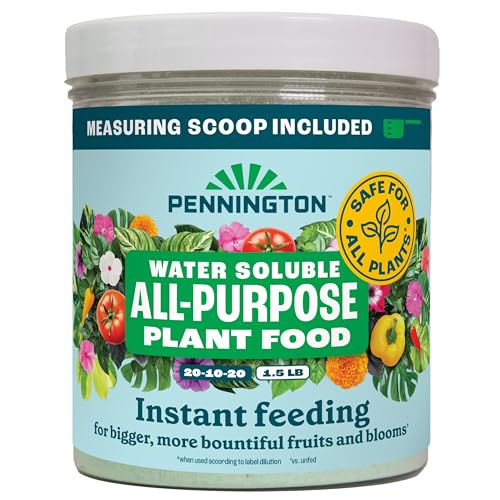
Pennington All Purpose 20-10-20 1.5 lb

TPS Nutrients Money Tree Fertilizer 8 oz
A Deeper Look At The Lineup
Banana trees grown as landscape focal points rarely sit near a fertilizer bag, and that’s exactly where Dynamite’s nine-month time-release pellets earn their keep. The all-purpose formulation covers indoor houseplants, foliage shrubs, palms, and tropicals in one sweep, so a single bag feeds a mixed bed without juggling three different products. For gardeners who forget to feed on schedule, that long window removes most of the guesswork.
The 2 lb pail handles a small grove of dwarf bananas or a pair of larger landscape specimens without running dry mid-season. Granular pellets spread cleanly into the top inch of mulch or soil and don’t dissolve into a mess the first time it rains.
Notable Upsides
- Nine-month feed window means only one application per growing season, a real relief for busy gardeners.
- Works across palms, foliage shrubs, and tropicals, so the same bag covers mixed plantings.
- Includes micronutrients that support root depth and stem thickness in young banana pups.
- Pellet format stays in place during heavy rain rather than washing off the surface.
Things To Consider
- Slow-release format means you won’t see a visible green-up response within a week of application.
- All-purpose NPK may not match the high-potassium ratios fruiting-stage bananas crave.
- Granules need to be worked into soil, which can disturb shallow banana roots near the corm.
Feature Snapshot
Made For
Growers with established in-ground banana plants who want a single seasonal feeding rather than a strict schedule.
Consider Something Else When
Cz Garden Muriate of Potash 0-0-60 is a better fit during the fruiting stage, when banana plants demand heavier potassium than an all-purpose blend can supply.
Once a banana plant shifts from pushing leaves into producing a flower stalk, potassium becomes the limiting nutrient, and most all-purpose fertilizers fall short at this stage. Cz Garden’s muriate of potash delivers a concentrated 0-0-60 analysis, meaning nearly the entire bag is plant-available potassium. It’s the kind of supplement serious banana growers reach for when fruit fill and finger sizing start to matter more than paddles.
Unlike Dynamite’s slow-release approach, this is a fast-acting soluble powder that dissolves into a watering can or fertigation bucket. You can dial in exactly how much potassium each plant receives based on size and fruiting stage rather than guessing at a generic blend.
Everyday Perks
- Highly concentrated potassium supports fruit density, finger length, and bunch weight in mature plants.
- Water-soluble format blends easily into regular watering routines.
- Useful for supplementing other fertilizers that run low on potassium during the fruiting window.
- Pairs with nitrogen-rich feeds like Pennington 20-10-20 for a tailored banana program.
Trade Offs
- Zero nitrogen and zero phosphorus means it cannot stand alone as a full fertilizer.
- Muriate form contains chloride, which can build up in containers over time.
- Over-application risks salt buildup in potted bananas with limited root volume.
Best Suited To
Growers managing fruiting-stage banana plants who already feed nitrogen separately and need a heavy potassium top-up.
Skip It When
Dynamite 2 lb All Purpose 9 Month Plant Food covers the basics more cleanly for beginners who want a single product rather than a multi-bag system.
For organic-minded growers who want fruit-tree nutrition without synthetic salts, Dr. Earth’s Natural Wonder brings a 5-5-2 profile built around fruit trees, berries, and fruiting vines. The 4 lb bag covers roughly 60 square feet, enough for a small banana planting or several young pups. It fits cleanly into kitchen gardens where pets and kids roam, since the formula is designed around non-GMO and organic-friendly sourcing.
Compared to Dr. Earth’s earlier place in this lineup, this one targets soil biology rather than a quick nutrient flush. The lower nitrogen keeps leafy growth from getting leggy at the expense of fruit production.
What Pays Off
- Balanced organic NPK supports steady growth without forcing tender new paddles.
- 4 lb bag covers a small planting or several young pups in containers.
- Suitable for in-ground and container-grown banana plants alike.
- Can be applied at transplanting or any point in the active growing window.
Honest Caveats
- Lower nutrient analysis means heavier application rates than synthetic alternatives.
- Organic breakdown depends on soil microbial activity, which runs slower in cool spring soils.
Quick Facts
Who Should Grab It
Organic-focused backyard banana growers who prefer non-GMO, biologically driven nutrition over synthetic salts.
Another Choice May Suit
Pennington All Purpose 20-10-20 is a smarter pick when you want visible green-up in a week rather than gradual biological release.
Banana leaves telegraph stress fast, and yellowing between veins or along margins usually points to manganese, magnesium, or iron shortages rather than a general nitrogen dip. Southern Ag’s palm nutritional spray delivers those three micronutrients in a 16oz foliar bottle that mixes at one to two tablespoons per gallon. Because banana fronds absorb nutrients directly through their surface, a spray corrects deficiencies faster than waiting for soil-applied feed to break down.
You spray it as a foliar cover to runoff, coating both sides of the paddle for full absorption. For growers noticing chlorosis on newer leaves, this spray often restores green color before the deficiency permanently damages young tissue.
Features That Help
- Direct foliar delivery bypasses soil uptake issues common in alkaline or compacted ground.
- Manganese supports the youngest emerging paddles where deficiency shows first.
- Concentrate format keeps shipping weight and storage footprint low.
- Works alongside any soil-applied fertilizer program.
Points To Keep In Mind
- Foliar sprays treat symptoms, not the underlying soil imbalance causing them.
- Spray coverage requires reaching tall fronds with a pump sprayer or hose-end attachment.
Right Fit For
Banana growers seeing interveinal yellowing or manganese deficiency signs, particularly in alkaline-soil regions.
Where Another Pick Suits Better
Dr. Earth Natural Wonder Fruit Tree Fertilizer is the better starting point for routine feeding, with this spray reserved for rescue situations.
Iron deficiency in banana plants shows up as pale new growth with green veins, especially in alkaline soils where iron locks up before roots can absorb it. Ironite Plus tackles that head-on with a 12-10-10 analysis fortified with 2% iron plus secondary micronutrients. The granular format spreads under the canopy and releases fast, which means yellow-leaf rescue happens within a few weeks rather than months.
Compared to Southern Ag’s foliar spray from earlier in this lineup, Ironite works through the soil over time. You get longer-lasting green color across the whole plant instead of just the leaves you manage to coat.
Why It Works Well
- 2% iron content tackles chlorosis at the source through root uptake.
- Balanced 12-10-10 NPK feeds paddles, stems, and root system together.
- Granular broadcast spreads easily under established banana mats.
- Secondary micronutrients support overall plant resilience beyond iron alone.
Practical Considerations
- Ironite can stain concrete and stone, so sweep stray granules off hardscape quickly.
- Higher nitrogen than fruiting-stage bananas typically need mid-season.
Who Will Love This
Growers in alkaline-soil regions watching new paddles emerge pale while older leaves stay reasonably green.
Reach For A Different Pick When
Cz Garden Muriate of Potash 0-0-60 suits fruiting-stage plants better when nitrogen is already sufficient and potassium is the actual gap.
Bananas and palms share more nutrient overlap than most people realize, which is why a palm-focused liquid often does a respectable job on container bananas. TPS Nutrients’ 8 oz bottle concentrates into a watering can and feeds through both roots and fronds. For indoor bananas kept as houseplants, the small bottle size fits neatly under a sink without crowding the cabinet.
The formulation targets rich green fronds and strong root systems, both of which matter when a banana plant sits in a decorative pot year-round. You’ll see this format appeal to growers who treat bananas like tropical houseplants rather than orchard crops.
Notable Gains
- Liquid format mixes cleanly into regular watering routines.
- Small 8 oz bottle stores easily in apartments and small gardening closets.
- Encourages steady frond color without forcing excessive stretching.
- Compatible with most indoor watering schedules and decorative planters.
Some Limits To Know
- 8 oz bottle runs out faster than granular options on multi-plant collections.
Key Product Details
Perfect Match For
Indoor banana growers keeping a single tropical specimen in a decorative pot who prefer liquid feeding over granules.
Where A Sibling Pick Shines
TPS Nutrients Money Tree Fertilizer 8 oz is a softer alternative for gardeners who want houseplant-formulated feeding rather than a palm-leaning mix.
Active growth in banana plants means unfurling new paddles almost weekly, and that pace demands nitrogen more than anything else. Pennington’s 20-10-20 water-soluble formula delivers a high-nitrogen charge that greens up foliage within days rather than weeks. The included measuring scoop removes the math, so beginners can dissolve the right amount without second-guessing the dosage.
The 1.5 lb tub dissolves fully in a watering can, which fits routine feeding schedules without special equipment. For growers hitting the heavy summer push, this format outperforms slow-release pellets when speed matters most.
A Few Highlights
- 20-10-20 ratio drives vigorous paddle production through the active growing window.
- Water-soluble powder mixes quickly without leaving residue in the can.
- Included scoop simplifies measuring for new gardeners.
- Fast-release format shows visible results within a week of application.
Less Ideal Details
- High nitrogen can produce soft, leggy growth if overapplied during fruiting stage.
- Water-soluble feeding requires reapplication every one to two weeks during peak growth.
Built With In Mind
Growers pushing active leaf production during the warm-season push who want a quick nitrogen response over slow-release reliability.
A Better Fit Elsewhere
Dynamite 2 lb All Purpose 9 Month Plant Food suits gardeners who prefer a once-per-season approach over frequent water-soluble mixing.
Indoor bananas kept as decorative tropicals need a gentler feeding rhythm than landscape plants, since container root zones hold less buffer against salt buildup. TPS Nutrients’ money tree fertilizer borrows from the houseplant playbook: a balanced liquid suitable for pots, planters, and decorative containers. The 8 oz bottle mirrors the size of its palm sibling earlier in this lineup, so the two stack together in a small gardening kit.
Where the palm version leans tropical-monocot, this one stays closer to general houseplant nutrition. For bananas grown indoors under lower light, that balance tends to match the slower growth rate better than a high-nitrogen formula would.
Bright Spots
- Balanced nutrition matches the slower growth pace of indoor banana plants.
- Liquid format prevents salt accumulation in container soil over time.
- Compact bottle fits apartment storage and indoor gardening kits.
- Works across decorative pots, planters, and standard nursery containers.
Where It May Fall Short
- May run light on potassium for fruiting-stage plants even indoors.
- Smaller bottle means repurchasing more often for multi-plant collections.
The Right Fit
Apartment growers keeping a banana plant as a single decorative houseplant rather than a productive fruiting specimen.
Swap It Out When
TPS Nutrients Palm Tree Fertilizer 8 oz is the closer match when your indoor banana pushes more vigorous tropical growth and needs stronger feeding.
What Matters Most Before Choosing Plant Foods For Banana Trees
NPK Ratio and Growth Stage
Banana plants cycle through distinct nutritional phases, and matching the NPK ratio to that cycle matters more than picking a single “best” fertilizer. Young plants pushing their first paddles benefit from higher nitrogen ratios like the 20-10-20 found in Pennington All Purpose. Once flower stalks emerge, potassium becomes the limiting nutrient, which is why a concentrated source like Cz Garden Muriate of Potash earns a spot in the rotation. Organic growers may prefer the slower biological release of Dr. Earth Natural Wonder Fruit Tree Fertilizer, accepting the trade-off of slower visible results.
Soil Conditions and pH
The soil environment around your banana planting shapes which nutrients actually reach the roots. Alkaline soils lock up iron and manganese, leaving plants starving even when fertilizer is plentiful, which is where Ironite Plus and Southern Ag Palm Nutritional Spray earn their place. Acidic soils tend to release nutrients more freely, so a simple all-purpose blend may suffice. Container plantings face faster nutrient leaching and salt buildup, making liquid feeds like the TPS Nutrients options easier to manage than heavy granular top-dressing.
Format and Application Frequency
Slow-release granular formats like Dynamite suit gardeners who prefer infrequent applications, while water-soluble and liquid feeds reward consistent attention. The trade-off shows up in how often you think about feeding: a nine-month pellet removes that mental load, but you lose the ability to push a quick nutrient correction when deficiency signs appear. Foliar sprays offer the fastest response but only treat symptoms, not underlying soil imbalances.
Common Shopping Slip Ups
Wrong Turns To Avoid
Overlooking potassium during fruiting ranks as the most common banana-feeding mistake, since all-purpose blends often run light on that nutrient. Treating yellow fronds as a general nitrogen problem misses the manganese and iron deficiencies that foliar sprays like Southern Ag Palm Nutritional Spray address more directly. Buying only one product for a diverse planting also limits flexibility, and pairing a base feed with a targeted supplement usually outperforms a one-bag approach.
What Separates Premium From Basic
Higher-tier options in this category typically offer organic certification, slower-release coatings, or specialized micronutrient profiles that generic blends skip. For organic growers, the value comes from biological soil support rather than raw nutrient analysis. For high-performance banana growers, the value shows up in higher potassium concentrations and micronutrient precision. Both paths beat a basic all-purpose approach when soil conditions or growth stages demand targeted nutrition, and the upgrade pays off most clearly in fruit yield and frond quality during the second growing season onward.
Frequently Asked Questions
What NPK ratio works best for banana trees?
A balanced formula with elevated potassium suits fruiting-stage bananas, while young vegetative plants tolerate higher nitrogen ratios. Many growers rotate between an all-purpose base feed and a potassium boost during the flowering window.
How often should banana plants be fertilized?
Active-growing bananas in warm climates benefit from feeding every two to four weeks during the growing season. Slow-release options extend that interval to once per season, while liquid feeds require more frequent application.
Can I use palm fertilizer on banana plants?
Yes, palm fertilizers share enough nutrient overlap with bananas to work well, especially for indoor or container specimens. The TPS Nutrients palm formula earlier in this lineup is a common example.
Are organic fertilizers effective for bananas?
Organic options like Dr. Earth Natural Wonder deliver nutrients more slowly than synthetics, but they support soil biology over time. For heavy-feeding banana plants, organic growers often apply at higher rates or supplement with targeted minerals.
Should I foliar feed my banana tree?
Foliar feeding helps correct micronutrient deficiencies quickly, particularly for manganese and iron. It works best as a supplement to soil-applied fertilizer rather than a complete feeding program.
Wrap Up
A healthy banana grove or container planting starts with matching the fertilizer to the growth stage and soil conditions you actually have. Beginners find the most success with a balanced base feed like Dynamite or Dr. Earth, while fruiting-stage growers layer in potassium from Cz Garden Muriate of Potash. Indoor growers get cleaner results with a gentle liquid like the TPS Nutrients options. Your bananas will tell you what they need through their fronds, and the right pick on this list will answer back.
