

Bougainvillea can look like a relentless flowering machine or a stubborn, leaf-only vine, and the difference usually traces back to what you feed it. The plant responds hard to phosphorus during bloom cycles and gets cranky when nitrogen runs too high. Choose poorly and you get foliage with no color, or a sickly yellowing shrub in alkaline soil. This guide walks through eight formulations built around bougainvillea’s specific nutrient quirks, from slow-release granulars to quick-acting liquid feeds, so you can match the right fertilizer to your climate, pot size, and feeding style.
A Quick View Of The Lineup
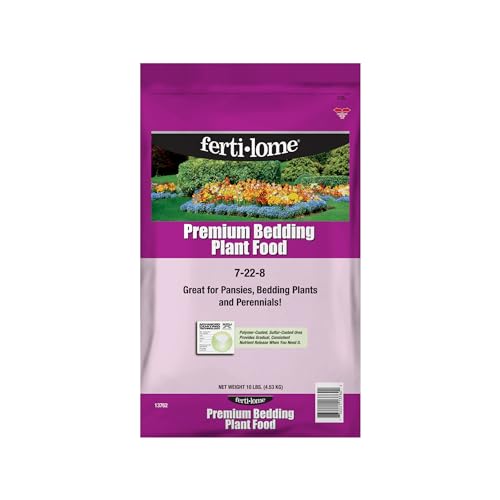
Fertilome Premium Bedding Plant Food 7-22-8, 10 lbs

Fertilome Bougainvillea & Flowering Vine Food 17-7-10, 3.25 lbs

Jack’s Classic 10-30-20 Blossom Booster Water-Soluble Fertilizer, 8oz

Ironite Plus Shrubs, Trees Plant Food Granular 12-10-10, 3 Lb

Carl Pool BR-61 Plant Food 9-58-8 3 Lbs

TPS Nutrients Hibiscus Liquid Plant Food, 8 oz

BGI Fertilizers BOUGAIN Bougainvillea Fertilizer, 10lb Bag
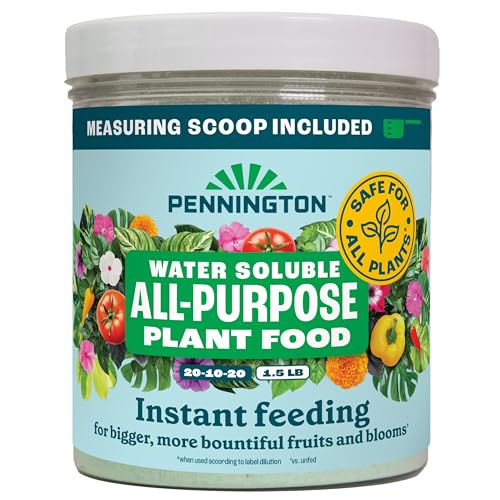
Pennington Water Soluble All Purpose Plant Food 20-10-20 1.5 LB
More On The Choices That Made The List
This granular blend leans hard into phosphorus, the middle number in the N-P-K ratio (nitrogen-phosphorus-potassium), which is what drives flower bud formation in bougainvillea. The 7-22-8 analysis delivers more than triple the phosphate of nitrogen, encouraging bright bract color rather than runaway leaf growth.
Slow-release nitrogen buffers against the fast green-up that often delays blooming. A 10-pound bag covers generous ground coverage for gardeners tending multiple vines along a fence line or bed border.
The Practical Payoff
- High phosphate ratio encourages dense, vivid bract color in mature vines.
- Slow-release nitrogen cuts the risk of leaf-heavy growth with no flowers.
- Granular form spreads easily with a standard drop spreader for larger beds.
- Works across tropical flowering shrubs, not just bougainvillea.
Points To Note
- Granular format means slower visible response than liquid feeds.
- Heavier 10-pound bag is awkward to carry once opened.
Right Fit For
Garden owners with multiple landscape vines who prefer set-and-forget granular feeding over mixing liquids every week.
Look Elsewhere When
Container gardeners may prefer the quicker-acting Fertilome Bougainvillea & Flowering Vine Food for tighter feeding control.
Where the previous Fertilome entry downplays nitrogen, this one pushes it forward at 17%, trading bloom intensity for steady vegetative growth during the establishment phase. That balance suits young vines that need canopy volume before they can carry a heavy flower load.
The 7% phosphate and 10% potash keep root development and color quality from falling behind. Two-week applications during active growth, then monthly maintenance, match the rhythm of most home gardeners.
Well-Handled Touches
- Named specifically for bougainvillea, removing any guesswork on ratio fit.
- Higher nitrogen supports young vines building structure before flowering.
- Manageable 3.25-pound bag suits smaller yard applications.
Trade Offs
- Lower phosphate means slower bud initiation than the 7-22-8 option.
- Requires more frequent reapplication than slow-release granulars.
Key Product Details
Whose Shelf It Belongs On
First-time bougainvillea growers establishing young vines who need canopy growth before chasing blooms.
Reach For A Different Pick When
Mature flowering vines that need phosphate-driven reblooming will benefit more from Carl Pool BR-61 Plant Food 9-58-8.
Water-soluble powders dissolve into the root zone fast, which matters when you want to push buds during a tight bloom window. This one’s 10-30-20 ratio loads up on phosphorus for visible flower response within a few feeding cycles.
Versatility is the secondary win. The same powder feeds through a watering can, a foliar spray bottle, or a hose-end injector. For gardeners juggling multiple flowering species, one container covers a lot of ground.
Practical Pluses
- Phosphorus-heavy ratio drives rapid bloom response in flowering vines.
- Powder form stretches further per dollar than pre-mixed liquids.
- Works as both root feed and foliar spray depending on plant need.
- Compact 8-ounce jar stores easily on a shelf or in a potting bench.
Some Limits To Know
- Requires mixing before each application, unlike granular options.
- Foliar feeding can leave residue on glossy leaves if over-applied.
- Smaller jar means more frequent repurchase for large landscapes.
Made For
Hands-on gardeners who enjoy mixing feeds weekly and want visible bloom push during the growing season.
Swap It Out When
Low-maintenance gardeners who forget to mix liquid feeds should consider BGI Fertilizers BOUGAIN instead.
Bougainvillea throws a fit in alkaline or compacted soil, and iron deficiency shows up fast as yellow leaves with green veins. This granular formula leads with 2% iron, targeting that exact chlorosis pattern before it spreads across the canopy.
The balanced 12-10-10 N-P-K supports steady growth while the iron does its greening work. For gardeners in dry, mineral-heavy Western soils, this addresses the real problem rather than masking it.
Why It Works Well
- Iron content tackles yellowing leaves where standard N-P-K feeds fall short.
- Balanced nutrient ratio avoids the leaf-heavy growth trap.
- Granular format feeds gradually without root burn risk.
Practical Considerations
- Iron can stain concrete and stone surfaces if not swept up promptly.
- Not a bloom-specific formula, so pairing with a high-phosphorus feed may help.
Who It Suits Best
Growers in alkaline-soil regions watching their bougainvillea leaves turn pale and need iron correction.
Not Your Match When
Growers seeking a pure bloom booster should pick the Carl Pool BR-61 Plant Food 9-58-8 for its phosphate-driven approach.
The 9-58-8 ratio here is almost aggressively phosphorus-forward. That’s not a typo, it’s a deliberate bloom trigger formula designed for plants that refuse to flower despite healthy leaf growth. Carl Pool built this as a starter and booster blend.
Higher phosphate levels push bud initiation hard in stubborn vines. Use it as a pre-bloom primer rather than an all-season feed to avoid overloading the soil with phosphorus over time.
Features That Help
- Extreme phosphate ratio kicks bloom cycles into gear on reluctant vines.
- Functions as both starter fertilizer and bloom booster.
- Granular format allows targeted root-zone application.
Where It May Fall Short
- Very high phosphorus can build up in soil with repeated use.
- Not designed for steady, season-long feeding routines.
Best Suited To
Experienced gardeners troubleshooting bloom-resistant vines that have plenty of leaves but no flowers.
Consider Something Else When
Beginners looking for an easy all-purpose option are better served by the Pennington Water Soluble All Purpose Plant Food 20-10-20.
Formulated for hibiscus but functionally well-suited to bougainvillea, this liquid concentrate removes the measuring powder step. You shake, pour, water. That simplicity makes it a friendly starting point for anyone new to tropical flowering plant care.
The liquid form reaches roots quickly, so feeding responses show up faster than with granular alternatives. For patio container gardeners, the 8-ounce bottle lasts multiple watering cycles without taking up shelf space.
Strengths Worth Knowing
- Liquid format means no mixing powder or measuring scoops.
- Quick nutrient uptake shows visible results within weeks.
- Compact bottle fits neatly beside a watering can.
Less Ideal Details
- Marketed for hibiscus rather than bougainvillea specifically.
- Smaller bottle requires more frequent repurchase than granular feeds.
Who Should Grab It
Container gardeners with a single patio bougainvillea who want a no-fuss liquid feed routine.
A Better Fit Elsewhere
Growers managing landscape vines with larger feeding volume will find more value in BGI Fertilizers BOUGAIN’s 10-pound bag.
BGI formulated this specifically for bougainvillea, and the 6-8-10 analysis plus minor nutrients reflects that narrow focus. Quick-release granules feed hungry vines without the slow breakdown that delays visible color changes.
The resealable bag helps preserve freshness between applications. For gardeners with multiple established vines in the landscape, ten pounds stretches across a season of consistent feeding.
The Good Stuff
- Custom blend built around bougainvillea’s exact nutrient needs.
- Quick-release format pushes visible bloom response in established vines.
- Resealable bag keeps granules fresh across multiple uses.
- Minor nutrients support overall vine health beyond basic N-P-K.
Honest Caveats
- Quick-release means more frequent reapplication than slow-release feeds.
- Heavier 10-pound bag is less practical for small balcony gardens.
Feature Snapshot
Perfect Match For
Homeowners with established bougainvillea vines across a yard who want a formula designed for this exact plant.
Where Another Pick Suits Better
Apartment dwellers with one small potted vine will find the smaller TPS Nutrients Hibiscus Liquid Plant Food more practical.
An all-purpose feed with equal parts flexibility and trade-offs. The 20-10-20 ratio leans heavily on nitrogen, which suits mixed gardens where bougainvillea shares space with leafy ornamentals and shrubs. For dedicated bloom-chasing, the nitrogen runs higher than bougainvillea typically prefers.
The included measuring scoop removes guesswork from mixing. One jug handles multiple plant types across the yard without buying separate specialty feeds for each species.
What Works In Its Favor
- Versatile formula covers multiple plant species in one jug.
- Water-soluble format provides fast nutrient delivery.
- Built-in measuring scoop simplifies mixing accuracy.
Possible Compromises
- Higher nitrogen ratio can delay blooming in mature flowering vines.
- Not specialized for bougainvillea-specific nutrient preferences.
Who Will Love This
Growers tending mixed garden beds who want one jug to feed vegetables, ornamentals, and bougainvillea together.
Skip It When
Dedicated bougainvillea enthusiasts chasing maximum bract color should pick the Fertilome Premium Bedding Plant Food 7-22-8 instead.
Picking The Right Formula For Your Vine
Understanding N-P-K ratios matters more than brand loyalty for bougainvillea. The first number (nitrogen) drives leaf growth, the second (phosphorus) fuels blooms, and the third (potash) strengthens overall plant health. Bougainvillea blooms best when phosphorus outpaces nitrogen, so look for ratios where the middle number equals or exceeds the first.
Granular versus liquid comes down to your routine. Granular options like the BGI BOUGAIN and Fertilome 7-22-8 work well for set-and-forget gardeners who prefer monthly feeding. Liquid and water-soluble powders like Jack’s Classic and TPS Nutrients suit gardeners who enjoy weekly feeding and faster visible results. Soil pH also matters since bougainvillea struggles in alkaline conditions above 7.0, where iron uptake fails and leaves yellow.
Container versus landscape changes your choice significantly. Potted bougainvillea have limited root space and benefit from lighter, more frequent feeding. Landscape vines with deeper root systems handle stronger granular feeds and longer intervals between applications.
Reading The Label Like A Pro
Three numbers on any fertilizer bag tell you exactly what the plant gets. A 10-30-20 feed delivers ten percent nitrogen, thirty percent phosphorus, and twenty percent potassium. The remaining percentage is filler or micronutrients. For bougainvillea, the middle number should generally beat the first for bloom-heavy results.
Matching Format To Lifestyle
Liquid feeds work fast but demand consistent attention. Granular options trade speed for convenience, feeding the plant over weeks with a single application. Water-soluble powders sit between the two, dissolving quickly but requiring measurement. Your tolerance for routine decides which format fits your week.
Adjusting For Climate And Soil
Hot, dry climates leach nutrients faster from container soil, so liquid feeding shows better results there. Cooler coastal areas with longer moisture retention support granular feeds without risk of root burn. Alkaline soil regions benefit from iron supplementation alongside standard N-P-K feeds.
Key Considerations Across These Picks
Mistakes Worth Dodging
Overfeeding ranks as the top error new bougainvillea growers make, leading to lush foliage with no blooms. Cutting back to half-strength during vegetative growth often triggers flowering. Underfeeding ranks second, leaving vines pale and underperforming. Following the bag’s recommended rate keeps both problems at bay.
Ignoring soil pH undermines even the best fertilizer choice. A simple soil test strips away guessing, and amending with sulfur or iron products corrects alkalinity before feeding becomes effective. Treating only the symptoms above ground rarely solves the underlying issue.
Where The Extra Money Goes
Premium bougainvillea-specific fertilizers like the BGI BOUGAIN cost more because they’re built around the plant’s exact needs rather than general flowering shrubs. Specialty micronutrient packages, resealable packaging, and custom N-P-K ratios justify the price for serious growers.
Higher-tier options also tend to include chelated iron, which stays available to roots longer than standard iron compounds, especially in alkaline conditions. For gardeners managing single specimen vines, that added bioavailability justifies the upgrade from generic feeds.
Frequently Asked Questions
How often should I feed my bougainvillea?
During active growing season, granular feeds apply every 4-6 weeks while liquid feeds work every 2 weeks. Cut back to monthly during cooler months when growth slows. Adjust based on observed response rather than a fixed calendar.
Can I use all-purpose fertilizer on bougainvillea?
Yes, but expect more leaf growth than flower production. All-purpose ratios like 20-10-20 push nitrogen-heavy growth that delays blooming. For better flower results, switch to a bloom-boosting formula once the vine is established.
Why are my bougainvillea leaves turning yellow?
Yellow leaves with green veins usually signal iron deficiency from alkaline soil. A soil pH test confirms the issue, and an iron supplement like Ironite Plus corrects it. Overwatering also causes yellowing, so check soil drainage before adding more feed.
Should I fertilize bougainvillea in winter?
Reduce or skip feeding during winter dormancy when the plant isn’t actively growing. Resume regular feeding in early spring when new growth emerges. Forcing winter feeding risks salt buildup in the soil without benefit to the dormant vine.
What’s the best N-P-K ratio for bougainvillea?
Bloom-focused ratios where phosphorus equals or exceeds nitrogen work best, such as 7-22-8 or 10-30-20. Avoid high-nitrogen formulas like 20-10-20 unless paired with a separate bloom booster during flowering season.
Bottom Line
Bougainvillea rewards gardeners who match the feed to the plant’s natural rhythm: phosphorus-forward during bloom cycles, lighter nitrogen during establishment. The eight options above cover everything from hands-off granular feeding to weekly liquid mixing, so pick the format your routine supports and let the ratio do the bloom work. Your vine’s response over a single season will tell you whether to stay the course or switch ratios.
