

Daylilies are famously forgiving, but anyone who has watched a clump throw up lush leaves and only a handful of flowers knows the difference balanced feeding makes. Phosphorus-forward formulas push bud count, while slow-release options keep rhizomes fed through the long summer stretch. The eight options below cover everything from quick-soluble bloom boosters to granular shrubs-and-trees blends that quietly improve soil over a full season, so your daylily beds can stop guessing and start blooming.
The Leading Options At A Glance

Miracle-Gro Indoor Plant Food Spikes for All Plants, 48 Spikes

Jack’s Classic 10-30-20 Blossom Booster Fertilizer 8oz

Carl Pool BR-61 Plant Food 9-58-8 3 Lbs
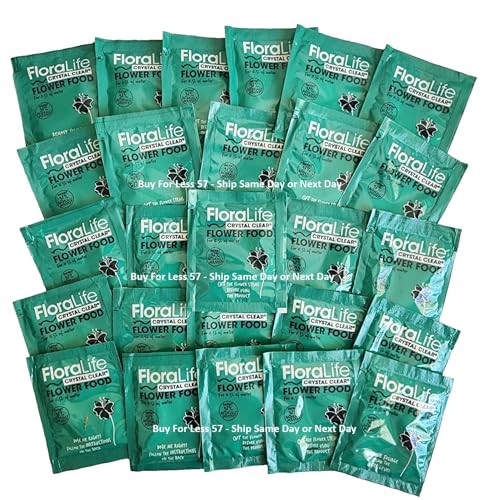
Floralife Flower Food 300, 5gm pkg 50

Ironite Plus Shrubs, Trees Plant Food Granular 12-10-10, 3 Lb

Gardenwise 20-20-20 Water-Soluble Fertilizer 8 oz

Miracle-GRO LiquaFeed Bloom Booster Flower Food

Miracle-Gro Water Soluble Azalea, Camellia, Rhododendron Plant Food, 5 lb.
The Picks, Examined More Closely
Spike-style fertilizers earn their place in any daylily collection that includes patio containers, where mixing powders and measuring scoops gets old fast. You push a spike into the soil, water as usual, and the slow-release nutrient core feeds the root zone for weeks. For daylilies grown in large pots on a sunny porch, that translates into thicker foliage and steadier bud production without a measuring cup in sight.
Compared with the water-soluble picks later in this list, the spike format trades feeding precision for convenience. You give up control over the exact nutrient timing, but you gain a routine that is hard to mess up. People juggling travel schedules or new to perennial care tend to appreciate that forgiving feel.
What Stands Out
- Pre-measured spikes remove the guesswork from feeding.
- Slow nutrient release keeps daylilies in containers fed steadily.
- No mixing, no measuring spoons, no runoff to manage.
- A long shelf life means the box lasts multiple seasons.
Things To Consider
- Spikes work best in confined root zones, so very large open beds may feel under-fed.
- Replacement timing depends on watering habits, which can vary by climate.
Who It Suits Best
Container gardeners and busy households who want a no-measure routine for potted daylilies and mixed patio planters.
Look Elsewhere When
Garden beds with extensive daylily plantings will see better coverage from a granular or water-soluble bloom booster like Carl Pool BR-61 Plant Food 9-58-8.
The 10-30-20 ratio puts phosphorus (the middle number, the one that drives flower formation) front and center, with just enough nitrogen to keep foliage green without pushing leaf growth at the expense of blooms. Mixed into a watering can, the powder dissolves cleanly and travels straight to the root zone. That direct path is what makes bloom boosters like this such a familiar tool in daylily collections where bud count matters more than raw size.
Foliar feeding is another route this product opens up: a diluted mix can be sprayed onto leaves for a fast uptake during the weeks before scapes (the tall flower stalks) emerge. You can also run it through a hose-end or drip system for larger beds. Daylily hobbyists tending dozens of cultivars often lean on this flexibility to keep feeding schedules consistent.
Practical Pluses
- High phosphorus supports bud count on mature daylily clumps.
- Works as both root drench and foliar spray depending on the moment.
- Powdered format travels further per ounce than most liquids.
- Familiar routine for hobbyists already using bloom-boosting regimens.
Worth Noting
- Mixing ratios need attention; over-application risks leaf burn on young plants.
- Storage matters: humidity can clump the powder if the bag stays open.
Key Specs
Made For
Daylily enthusiasts focused on bud production who already follow a regular feeding calendar and want a versatile bloom-boosting base.
Consider Something Else When
Beginners who would rather skip measuring should consider Miracle-Gro Indoor Plant Food Spikes for All Plants for a lower-maintenance routine.
The 9-58-8 analysis reads almost like a phosphorus billboard, and that is exactly the point. Carl Pool BR-61 is built for the moment you want blooms and roots, not foliage: transplanting daylily divisions, reviving a struggling clump, or pushing a mature plant toward its best scape count of the year. The powder concentrates down to a small dose per plant, so a 3 lb bag covers a generous garden bed before you know it.
Daylilies respond well to root-zone phosphorus during spring green-up and again as scapes form. Gardeners running tight rotations between cultivars appreciate that this formula doubles as a starter and a midseason booster. Where Miracle-Gro LiquaFeed Bloom Booster gives a liquid quick fix, BR-61 leans into a longer-lasting granular feel.
What Earns Its Place
- Extremely high phosphorus ratio targets bud set and root development.
- Useful as both a starter at planting and a midseason booster.
- Small dose per plant stretches a 3 lb bag across many daylilies.
Trade Offs
- Not a balanced feed: too much for foliage-driven growth stages.
- Granular feeding means slower visible response than liquid options.
- Storing open pouches requires a sealed container to prevent caking.
Best Suited To
Established daylily beds and gardeners dividing or transplanting clumps who want a bloom-first nutrient profile.
A Better Fit Elsewhere
Jack’s Classic 10-30-20 Blossom Booster is the better pick for gardeners who prefer to mix a liquid drench each week.
Daylily blooms typically last a single day in the garden, but cutting stems for indoor arrangements opens up a different feeding question. Floralife Flower Food 300 ships in 5-gram packets, each pre-measured to mix with one pint of water, which makes it easy to keep a fresh solution ready after every harvest. The formula combines a biocide (an additive that slows bacterial growth in the vase), acidifier, and sugar to hold open petals longer than plain water.
This is a different category from the soil-applied picks earlier in the roundup, but daylily growers who cut for arrangements know how quickly a stem can wilt in a plain vase. Fifty packets give you room to keep a small bucket going through peak bloom season.
Where It Excels
- Pre-measured packets remove any mixing confusion.
- Specifically designed for fresh-cut flowers in vases.
- Long shelf life when stored dry in a cool spot.
- Bulk pack supports regular cutting through bloom season.
Honest Caveats
- Not a soil fertilizer, so it does nothing for the plant itself.
- Best suited to gardeners who actually bring stems indoors.
Whose Shelf It Belongs On
Anyone who cuts daylily stems for indoor arrangements and wants a longer-lasting bouquet than tap water alone provides.
Swap It Out When
Growers focused only on in-ground performance should pick a soil-applied bloom booster like Carl Pool BR-61 Plant Food 9-58-8.
Ironite earns its reputation on greening power. The 2 percent iron content targets the interveinal chlorosis (the yellowing between leaf veins) that daylily foliage shows when soil pH climbs or micronutrients run short. A 12-10-10 base keeps the nitrogen, phosphorus, and potassium balanced enough to support steady growth without overcommitting to any one nutrient.
The granular form spreads easily along daylily rows with a basic spreader or by hand, then waters in. Where Jack’s Classic pushes blooms through phosphorus and Carl Pool goes heavy on root support, Ironite Plus addresses the green side of the plant. For gardeners watching yellowing leaves on alkaline soil, the difference shows up within weeks.
Notable Gains
- Added iron helps restore deep green color in yellowing daylily foliage.
- Balanced 12-10-10 base avoids overfeeding any single nutrient.
- Granular format makes broadcast application across beds simple.
- Useful where soil tests show iron or micronutrient shortfalls.
Points To Keep In Mind
- Not formulated specifically as a bloom booster.
- Can stain concrete and walkways if not swept up after spreading.
Key Specs
Right Fit For
Gardeners battling pale foliage on daylilies growing in alkaline or iron-poor soils.
Reach For A Different Pick When
Bloom count is the priority, in which case Carl Pool BR-61 Plant Food 9-58-8 delivers a stronger phosphorus push.
Equal parts nitrogen, phosphorus, and potassium make 20-20-20 the workhorse of general garden feeding. Gardenwise ships that balanced ratio in an 8 oz jar that mixes cleanly into a watering can or a hose-end sprayer. Daylilies that share real estate with vegetables, annuals, or container ornamentals benefit from the same scoop without needing separate products.
Versatility is the story here. Where Miracle-Gro LiquaFeed Bloom Booster targets flowers specifically, Gardenwise 20-20-20 supports leaves, stems, and roots at once. Mixed perennial borders and community garden plots tend to be the most common settings where this kind of flexibility pays off.
A Few Strong Suits
- Balanced ratio suits daylilies alongside vegetables and annuals.
- Water-soluble powder dilutes easily for drench or foliar use.
- Compact jar stores well in a small garden shed.
- Single product covers many different plant types.
Room For Improvement
- Not bloom-targeted, so bud push is less pronounced than with phosphorus-heavy formulas.
- Mixing accuracy matters more for hydroponic or orchid use than garden beds.
Perfect Match For
Mixed perennial borders and gardeners running one fertilizer across vegetables, daylilies, and ornamentals.
Not Your Match When
Bloom count is the top goal, in which case Jack’s Classic 10-30-20 Blossom Booster delivers a more targeted phosphorus ratio.
Liquid feeding fits a quick-response routine. Miracle-Gro LiquaFeed Bloom Booster attaches to a standard watering setup and delivers a pre-diluted bloom-targeted feed through the hose, so a full daylily bed can be covered in minutes. Where granular options build up over time, liquid feeding answers within the same week.
For gardeners who like to feed weekly during the active growth window, the convenience of hose-end feeding outweighs the cost-per-application. Refill bottles are the practical path here: keep a few on hand so the routine does not stall when one runs dry midseason.
Everyday Perks
- Hose-end application covers daylily beds in minutes.
- Bloom-targeted formula supports bud set during active growth.
- Liquid delivery gives faster visible response than granular feeds.
Things To Weigh Up
- Refills add up for gardeners with very large daylily plantings.
- Liquid feeds require more frequent application than slow-release options.
Who Should Grab It
Gardeners committed to weekly feeding who want a quick-response bloom boost without measuring powders.
Where A Sibling Pick Shines
Lower-maintenance gardeners may prefer Miracle-Gro Indoor Plant Food Spikes for All Plants, which feed for weeks without reapplication.
This water-soluble formula was developed for acid-loving plants like azaleas, camellias, and rhododendrons, but the same acid-leaning nutrient profile works on daylilies grown alongside them. In gardens where soil pH runs low or where ericaceous (acid-preferring) companions set the tone, daylilies often thrive on the same feeding schedule. The 5 lb bag covers a long stretch of bed before you need a replacement.
Daylilies tolerate a wide pH range, so reaching for an acid-formula fertilizer makes the most sense when the surrounding planting theme already leans acidic. Mixed shade borders with hydrangeas and hollies are the natural fit. Where Ironite Plus targets iron deficiency, this pick supports overall feeding within an acidic soil context.
What Makes Sense
- Suits daylilies grown alongside azaleas, hydrangeas, and hollies.
- Water-soluble format feeds quickly through a watering can.
- Large 5 lb size supports long feeding cycles.
Practical Considerations
- Not a dedicated daylily formula: benefits depend on existing acidic soil conditions.
- Adding acid-formula fertilizer to neutral or alkaline soil can shift pH over time.
Key Specs
Built With In Mind
Gardeners mixing daylilies into established ericaceous beds where the surrounding planting sets an acidic tone.
Skip It When
Daylilies grow in standard garden soil without acidic neighbors, in which case a balanced pick like Gardenwise 20-20-20 Water-Soluble Fertilizer is a cleaner fit.
Matching Daylily Food To Your Growing Conditions
Daylilies are heavy feeders when they are actively building scapes, but their needs shift across the season. Phosphorus-heavy formulas like Jack’s Classic 10-30-20 and Carl Pool BR-61 give bud formation the raw materials it needs, while balanced options like Gardenwise 20-20-20 keep overall growth steady through the year.
Reading The NPK Ratio
The three numbers on every fertilizer bag tell you the percentage of nitrogen, phosphorus, and potassium by weight. Nitrogen drives leafy green growth, phosphorus fuels roots and flower buds, and potassium supports overall plant vigor and stress response. Daylilies tend to want more phosphorus during bud set and a steady hand on nitrogen so leaves do not crowd out blooms.
Matching Format To Your Routine
Spike formats suit containers and forgetful waterers. Water-soluble powders give the most control over timing and dose. Granular options work well for broadcast feeding across large beds. Liquid hose-end feeding rewards gardeners who like to walk the beds every week. Choose the format you will actually use, not the one with the strongest label.
Considering Soil pH And Neighbors
Daylilies tolerate a wide soil pH range, but the surrounding plantings often point toward a fertilizer family. Beds that include azaleas, hydrangeas, and hollies lean acidic and pair well with an acid-formula feed. Mixed perennial borders without strong pH preference do better with a balanced pick or a phosphorus-focused bloom booster.
Key Considerations Across These Picks
Pitfalls Shoppers Hit
Choosing a bloom booster without checking the analysis is the most common slip: a bag labeled for flowers can still be nitrogen-heavy if the middle number is small. Skipping a soil test is the other quiet mistake. Daylilies in alkaline soil with yellowing leaves may need iron first and bloom support second, so feeding without diagnosis wastes product and effort.
Where The Extra Money Goes
Higher-tier daylily fertilizers often deliver a more concentrated phosphorus ratio, larger package sizes, or specialized micronutrient blends. For gardeners tending dozens of cultivars or showing daylilies at local events, that finer nutrient control can mean the difference between a decent scape and a show-quality one. Casual gardeners with a few clumps rarely need to chase the premium end.
Frequently Asked Questions
What NPK ratio is best for daylilies?
A phosphorus-leaning ratio such as 10-30-20 or 9-58-8 generally supports bud formation during the active growing season, while a balanced 20-20-20 works well for general feeding.
How often should you fertilize daylilies?
Most daylily beds benefit from feeding at spring green-up and again as scapes form, with light supplemental feeding through summer for repeat bloomers. Container plants often need more frequent feeding because nutrients leach out faster.
Can you use bloom booster on daylilies in containers?
Yes, though water-soluble or spike formats tend to perform more reliably in pots than broadcast granulars, which can wash past the root zone before dissolving.
Is it safe to mix different daylily fertilizers?
It depends on the analysis and timing. A phosphorus-heavy bloom booster and a balanced 20-20-20 can complement each other across a season, but stacking two nitrogen-forward products risks leaf burn and weak stems.
Do daylilies need acidic soil fertilizer?
Daylilies tolerate a wide pH range, so an acid-formula fertilizer is most useful when the surrounding garden already leans acidic or when soil tests indicate a need.
Daylilies respond to consistent feeding more than to any single magic formula. Match the analysis to your bloom goals, choose a format you will actually use, and pay attention to what the foliage tells you each season. The eight picks above give you a solid starting lineup to build a feeding plan around.
