

Gardenia shrubs reward steady feeding with glossy leaves and those signature creamy, fragrant blooms. The trick is that gardenias crave acidic soil and specific nutrient ratios, so a generic all-purpose plant food rarely cuts it. You’re juggling leaf yellowing, bud drop, and slow establishment all at once, and the right fertilizer makes those problems far easier to manage. This guide walks through eight purpose-built options, from granular acid blends to convenient indoor spikes and liquid concentrates. Whether you’re tending a single patio gardenia in a container or caring for a full hedge along a fence line, there’s a match here for your climate, soil, and routine.
The Picks In Brief

Fertilome Azalea, Camellia & Rhododendron Food 9-15-13, 10 lbs

Miracle-Gro Indoor Plant Food Spikes for All Plants, 48 Spikes

GARDENWISE 8-4-8 Acidic Fertilizer for Acid-Loving Plants, 12 oz

Ironite Plus Shrubs, Trees Plant Food Granular 12-10-10, 3 Lb

Fertilome Geranium Hanging Plant and Pansy Water Soluble Plant Food, 8 oz

Gardenia Fertilizer Liquid Plant Food for Blooms & Green Leaves, 8 oz

Miracle-Gro Water Soluble Azalea, Camellia, Rhododendron Plant Food, 5 lb
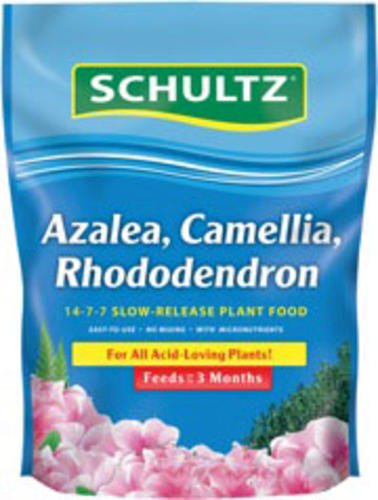
Schultz ACR 14-7-7 Slow Release Plant Food
The Picks, Examined More Closely
For gardeners running a full hedge of gardenias along a fence or anchoring a foundation bed with several large shrubs, a 10-pound granular bag is the workhorse format. This Fertilome blend targets the acid-loving crowd, so azaleas, camellias, and rhododendrons all sit comfortably in the same feeding schedule. The 9-15-13 ratio tilts toward bloom-building phosphorus and a potassium finish that helps with stem strength and bud set.
Compared to the smaller specialty bottles further down this list, you get a lot of feed for the money, which matters when you’re side-dressing multiple mature shrubs each season. You’ll likely find the granular format easier to broadcast evenly across a wide root zone than pouring a concentrate.
Everyday Advantages
- Acid-friendly formula built for gardenias, camellias, and rhododendrons
- Phosphorus-leaning 9-15-13 ratio supports bloom development
- Large 10-pound bag suits multi-shrub landscapes
- Granular format spreads cleanly across a wide root zone
- Soluble potash at 13% helps with bud set and overall vigor
Things To Consider
- A 10-pound bag is more than a single patio gardenia needs, so storage matters
- Granular feeds require measuring and even spreading to avoid hot spots
Key Specs
Right Fit For
Homeowners with multiple established acid-loving shrubs who want a single bulk feed to carry the season.
Consider Something Else When
Container gardeners tending a single indoor gardenia should reach for TPS Nutrients Gardenia Fertilizer instead, since a liquid dose scales better to small pots.
If your gardenia lives on a sunny kitchen window or a bright entryway table, a spike format removes the guesswork. You push one into the soil, water as usual, and the nutrients diffuse out slowly. The 48-count jar keeps you stocked across many months of low-effort feeding, and the “for all plants” labeling means the same spike can feed herbs, pothos, and violets sharing the same bright shelf.
Where the Fertilome granular bag suits broad outdoor beds, these spikes are purpose-built for indoor container life. The trade-off is that you don’t get the same acid-specific micronutrient tuning, so a gardenia with chronic yellowing may need a dedicated acid feed alongside it.
Points In Its Favor
- No measuring or mixing required
- 48-count supply stretches across multiple feeding cycles
- Compact jar stores easily in a small gardening kit
- Works across mixed indoor plant collections
Trade Offs
- Not specifically acid-tuned, so iron-hungry gardenias may still need a separate supplement
- Spike placement requires care in small pots to avoid crowding roots
Made For
Indoor gardeners who want a once-a-month feeding ritual without mixing liquids or measuring granules.
Look Elsewhere When
Gardenias showing persistent leaf yellowing benefit more from GARDENWISE 8-4-8, which delivers iron alongside the NPK.
Gardenias grown in alkaline or neutral soil often show their displeasure through interveinal chlorosis, which is the yellowing between leaf veins while the veins themselves stay green. GARDENWISE tackles that head-on with an 8-4-8 ratio fortified with iron, magnesium, and manganese. Those secondary micronutrients are precisely what acid-soil shrubs crave but rarely get from generic feeds.
The 12-ounce bottle covers a small collection of container shrubs or a modest in-ground planting without the commitment of a 10-pound bag. Owners commonly report that leaves green up within a few weeks when the yellowing is nutrient-related rather than disease-driven.
A Strong Showing
- Includes iron, magnesium, and manganese for chlorophyll production
- Acid-friendly ratio suits gardenias, azaleas, blueberries, and camellias
- Compact 12 oz bottle stores neatly on a potting bench
Honest Caveats
- Smaller volume means more frequent reorders for larger plantings
- Nutrient analysis is gentle, so fast-growing shrubs may want supplemental feeding during peak season
Feature Snapshot
Whose Shelf It Belongs On
Gardenias, azaleas, and blueberries struggling with yellowing leaves in regions where the native soil runs alkaline.
Swap It Out When
You maintain a large outdoor hedge where a 10-pound granular like the Fertilome 9-15-13 is more efficient per application.
Ironite has long been a go-to for green-up across a wide range of landscape shrubs, and the Plus version targets woody plants with a 12-10-10 base and a meaningful 2% iron contribution. For gardenias planted near a driveway or lawn where soil pH tends to drift upward, that iron dose helps keep foliage a deep green instead of that washed-out pale tone.
Compared to the GARDENWISE bottle above, Ironite leans more toward woody, mature shrubs and trees, which is why the granules work well when you’re top-dressing around an established root flare. You may find it slightly less tuned to delicate feeder roots in small containers.
Real-World Strengths
- 2% iron content helps reverse and prevent chlorosis
- Balanced 12-10-10 ratio suits established woody shrubs
- Granular format works for spot feeding around a tree or hedge
- Contains secondary and micronutrients for overall plant health
Points To Note
- Not gardenia-specific, so pairing with an acid-loving schedule helps
- Granules can stain concrete and stone if spilled, so sweep stray particles promptly
Built With In Mind
Garden-care households juggling gardenias alongside hollies, magnolias, and other woody shrubs in the same landscape bed.
Not Your Match When
Container gardeners caring for a single small gardenia should consider Miracle-Gro Indoor Spikes for a tidier, small-footprint option.
This Fertilome water-soluble powder is positioned for hanging baskets and container annuals, but its high-analysis formula translates well to potted gardenias during their active growing season. You scoop, dissolve, and water in, which makes it easy to pair with your regular watering routine. The 8-ounce jar is small enough to tuck beside your watering can without claiming much shelf space.
Where the bulky Fertilome 9-15-13 is built for outdoor broadcast feeding, this concentrate gives you more control over dose strength in a confined container. The catch is that it isn’t marketed specifically for acid-loving plants, so consider it a bloom-boosting supplement rather than your primary acid feeder.
Advantages To Know
- Concentrated formula delivers bloom-supporting nutrients quickly
- Water-soluble format mixes in minutes with a watering can
- Compact 8 oz jar fits easily on a potting bench
- Useful across hanging baskets, window boxes, and patio containers
A Few Limitations
- Requires mixing before each application
- Not acid-specific, so pairing with a separate acid feed helps prevent leaf yellowing
Best Suited To
Container gardeners who already rotate between water-soluble feeds and want a bloom-supporting concentrate to add to the rotation.
Reach For A Different Pick When
Gardenias in alkaline outdoor beds need the iron boost from GARDENWISE 8-4-8 to address pH-related deficiencies directly.
When the bottle literally says “Gardenia Fertilizer” on the label, the guesswork fades for new gardeners who aren’t sure whether their shrub needs an acid blend, a bloom booster, or a leafy green-up formula. TPS Nutrients blends all three intents into a single liquid concentrate aimed at both in-ground and container gardenias. The 8-ounce bottle is sized for a single shrub or a small grouping through a season.
Compared to the broader-spectrum options like the Miracle-Gro water-soluble powder, this formula is calibrated to gardenia-specific feeding patterns, which simplifies the learning curve. You may find the included instructions clearer than juggling a generic fertilizer plus a separate acid supplement.
Notable Gains
- Gardenia-targeted formula removes compatibility guessing
- Liquid format absorbs quickly into container soil
- Suitable for both patio containers and garden beds
- Easy to measure and dilute with a standard watering can
Things To Weigh
- Single 8 oz bottle won’t cover a large hedge across a full season
- Smaller brand, so availability may vary by region
Perfect Match For
First-time gardenia caregivers who want a single bottle that targets both foliage health and bloom production without juggling multiple products.
A Better Fit Elsewhere
Gardeners tending a long hedge or row of mature shrubs should consider the bulk value of Fertilome 9-15-13 instead.
Miracle-Gro’s water-soluble ACR (azalea, camellia, rhododendron) powder is a familiar sight on garden center shelves for good reason. The acid-tuned formula feeds gardenias alongside their close relatives, which means you can rotate feeding across a mixed bed without buying separate bottles. A 5-pound canister stretches through an entire growing season for several shrubs when used as a foliar or root drench.
Where the smaller 8-ounce concentrates on this list demand frequent reorders, the canister format reduces trips to the garden center. Owners commonly report that mixing with a hose-end applicator covers larger beds faster than pouring a liquid concentrate.
Everyday Wins
- Acid-friendly formula designed for the azalea-camellia-rhododendron family
- 5 lb canister covers multiple shrubs across a full season
- Water-soluble for quick root or foliar uptake
- Compatible with standard garden feeder attachments
Room For Improvement
- Mixing each batch takes time compared to granular broadcast feeding
- May leave a residue on foliage if sprayed in direct sun
Spec Overview
Who It Suits Best
Gardeners maintaining mixed acid-loving beds who want one dependable powder that handles several shrubs at once.
Where Another Pick Suits Better
Gardenias that need a long, hands-off feeding window are better served by the Schultz 14-7-7 slow-release option.
Slow-release formats suit gardeners who don’t want to remember a strict every-two-weeks schedule. The Schultz ACR 14-7-7 formula feeds acid-loving plants gradually over a roughly three-month window after a single application. You sprinkle, water in, and let the granules do the steady work of feeding.
Compared to the water-soluble Miracle-Gro powder, you trade fast green-up for fewer applications and a more even nutrient release. You may find this format ideal for vacation stretches when you can’t keep up with a tighter feeding calendar.
Bright Spots
- Slow-release nitrogen feeds for roughly three months per application
- No mixing required
- ACR-targeted formula suits gardenias and close relatives
- Includes micronutrients alongside the 14-7-7 base
Potential Drawbacks
- Slower to correct acute nutrient deficiencies than liquid or soluble feeds
- Granules can be visible on top of mulch until watered in fully
Quick Facts
Who Should Grab It
Garden-care households that prefer a hands-off, apply-once-per-season approach over frequent liquid feedings.
Skip It When
Gardenias showing urgent iron-related yellowing benefit more from the faster-acting GARDENWISE 8-4-8 micronutrient blend.
What Matters Most When Choosing Plant Foods For Gardenias
Acid-Loving Nutrient Profile
Gardenias sit firmly in the acid-loving plant family, which means they prefer soil with a pH in the roughly 5.0 to 6.0 range. The NPK ratio, meaning nitrogen, phosphorus, and potassium, matters less than whether the formula is acid-friendly. Look for products that name azaleas, camellias, or rhododendrons on the label, since those crops share the same low-pH preference.
Micronutrients, Especially Iron
Leaf yellowing between green veins is the most common nutritional complaint with gardenias, and it usually traces back to iron deficiency. The fix is either lower soil pH or an iron-fortified feed. Blends with magnesium and manganese added help chlorophyll production, which is the green pigment inside leaves that converts sunlight into energy.
Format and Frequency
Granular feeds spread evenly across wide root zones, which works well for in-ground shrubs and hedges. Liquid and water-soluble concentrates absorb faster and let you fine-tune dose strength for containers. Slow-release granules trade fast uptake for fewer applications, which helps gardeners who’d rather feed once per season. Indoor spikes fit the smallest, set-and-forget use case.
Container vs. In-Ground Scale
A single 8-ounce liquid bottle won’t realistically carry a long hedge through summer, while a 10-pound granular bag overwhelms a single patio pot. Match package size to your planting footprint to avoid waste or constant reordering. Gardeners juggling both formats often use a granular for the main landscape and a liquid for containers.
Key Considerations Across These Picks
Pitfalls Shoppers Hit
The most common mistake is reaching for an all-purpose plant food, which usually runs too alkaline for gardenias and triggers the yellow-leaf pattern everyone dreads. Another slip is feeding a sick-looking gardenia more fertilizer, when the actual problem is pH or drainage. Always check soil moisture and pH before increasing feed.
Where The Extra Money Goes
Premium and specialized fertilizers tend to cost more because they include micronutrients like iron, manganese, and sulfur, plus acidifying agents. For a struggling or chlorotic gardenia, that extra cost translates to faster visible recovery. For a healthy shrub in already-acidic soil, a budget acid blend works fine.
Frequently Asked Questions
How often should I feed my gardenia?
Most gardenias respond well to feeding every two to four weeks during the active growing season, with a break during winter dormancy. Slow-release formulas reduce that frequency to roughly once every three months per application.
Can I use regular all-purpose plant food on gardenias?
Standard all-purpose feeds are usually too alkaline for gardenias and can trigger iron deficiency and yellow leaves. An acid-friendly formula built for azaleas, camellias, or rhododendrons is the safer default.
Why are my gardenia leaves turning yellow?
Yellow leaves with green veins typically signal iron deficiency, often tied to soil pH drifting too high. Other causes include overwatering, poor drainage, or sudden temperature swings, so check moisture and location before adjusting feed.
Do gardenias in containers need different food than in-ground shrubs?
Container gardenias benefit from lighter, more frequent liquid or water-soluble feeds because nutrients leach out faster with each watering. In-ground shrubs handle granular and slow-release formats well since their root zones are larger.
When is the best time to start feeding gardenias each year?
Begin feeding in early spring once you see new growth pushing out, then continue through the active growing season. Stop or reduce feeding in late fall as the plant prepares for dormancy.
The Takeaway
Picking the right plant food for gardenias comes down to matching the format and nutrient profile to your soil and routine. Container growers tend to prefer liquid concentrates and indoor spikes for fine control, while in-ground gardeners benefit from granular and slow-release formats that cover wider root zones. If leaf yellowing is the main concern, prioritize an iron-fortified acid blend. Healthy shrubs in already-acidic soil do fine with a dependable ACR-targeted staple like the Miracle-Gro water-soluble powder or the Schultz slow-release granules.
