

Hibiscus plants are dramatic feeders, which is a polite way of saying they punish neglect with pale leaves and shy flowers. A container-grown tropical on a sunny patio will drink through nutrients faster than you’d expect, and even in-ground shrubs need a steady diet to push out those wide, satiny blooms.
The right fertilizer depends on where your plant lives and how hands-on you want to be. Some options dissolve quickly and let you dial in the schedule; others release slowly so you can feed once and forget for weeks.
The eight picks below cover pots, beds, indoors, and organic gardens, so you can match the format to your situation rather than the other way around.
A Fast Comparison Of The Options
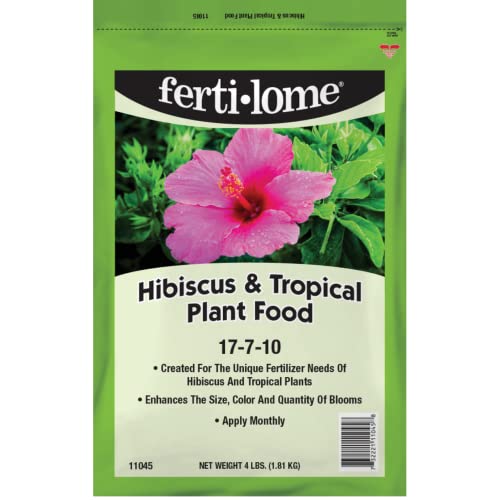
Fertilome Hibiscus & Tropical Plant Food 17-7-10, 4 lbs

Miracle-Gro Indoor Plant Food Spikes for All Plants
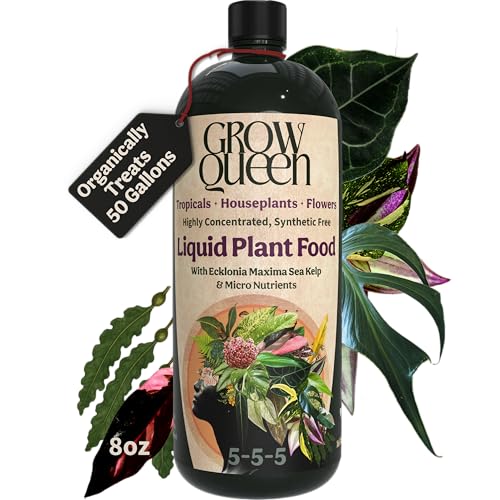
Grow Queen Organic Liquid Indoor Plant Food 5-5-5

TPS Nutrients Hibiscus Fertilizer Liquid 8 oz

TPS Nutrients Hibiscus Fertilizer Liquid 32 oz

TPS Nutrients Hibiscus Fertilizer Liquid 1 Gallon

TPS Nutrients Plumeria Fertilizer Liquid 8 oz

Miracle-Gro Organic Plant Food 32 fl. oz.
Taking A Closer Look At The Options
This dry granular formula has been a patio staple for years, and the reason it sticks around is simple: it was built specifically around what hibiscus actually wants. The 17-7-10 ratio (the three numbers stand for nitrogen, phosphorus, and potassium, in that order) gives a heavy nitrogen push for foliage while still delivering enough phosphorus for bud set.
You sprinkle it around the root zone and water it in, which suits outdoor beds and large containers where you’d rather not mix liquids each week. Compared with the spike-based options further down, this one asks for a small routine but rewards you with vigorous growth on established shrubs.
Positive Points
- High nitrogen ratio drives lush leaf growth on tropical hibiscus
- Granular format works in outdoor beds and large patio containers
- Four-pound bag covers multiple plants across a full growing season
- Formulated specifically for hibiscus and tropical flowering species
- Easy to apply by hand without mixing or measuring liquids
Trade Offs To Consider
- Needs reapplication on a schedule rather than feeding once and walking away
- Granules can wash away on sloped beds during heavy rain
Key Specs
Right Fit For
Garden hobbyists with established outdoor hibiscus in beds or large containers who want a no-mix, no-fuss granular routine.
Look Elsewhere When
You’re tending a single small indoor hibiscus, where the TPS Nutrients Hibiscus Fertilizer Liquid 8 oz gives you finer control with less waste.
Spikes trade precision for convenience, and this 48-pack leans hard into the convenience part. You press a stick into the soil and the nutrients leach out gradually, so a windowsill hibiscus can go a couple of months between touch-ups.
The catch is that they’re a general-purpose feed rather than a hibiscus-specific one, so a heavy-flowering tropical may want a more targeted boost during peak bloom. For indoor hobbyists juggling mixed houseplants, this set is one of the easier ways to keep everything fed at once.
Standout Benefits
- Each spike releases nutrients over roughly two months
- Forty-eight count covers a sizeable indoor jungle
- No mixing, measuring, or watering-in required after insertion
Honest Caveats
- General-purpose formula, so heavy bloomers may want a hibiscus-specific feed during peak season
- Spikes concentrate nutrients in one spot, which can cause uneven feeding in very wide pots
- Replacement spikes need to be remembered, so set a calendar reminder
Best Suited To
Indoor gardeners with mixed houseplants who want a single solution for several pots at once.
Consider Something Else When
Your hibiscus is a heavy-flowering tropical that needs a phosphorus-leaning feed, in which case the Grow Queen Organic Liquid Indoor Plant Food offers more targeted control.
The 5-5-5 NPK here is the textbook “balanced” feed: equal parts nitrogen, phosphorus, and potassium, with a dose of sea kelp for micronutrients. For indoor hibiscus that have moved out of shock and into steady growth, that even ratio avoids the leafy-only push you sometimes get from heavier nitrogen blends.
An eight-ounce bottle is concentrated and treats roughly fifty gallons of mixed solution, so a little goes a long way on a windowsill collection. Gardeners who keep a single tropical hibiscus alongside other houseplants will appreciate the gentle profile, while organic-minded growers get a formulation aimed at indoor use rather than field crops.
The Helpful Details
- Balanced 5-5-5 ratio keeps indoor hibiscus from leaning too leafy
- Liquid format lets you dial strength up or down for sensitive plants
- Treats roughly fifty gallons of diluted feed from a single bottle
- Includes sea kelp for trace nutrients that support root health
Small Caveats
- Liquid format means measuring and mixing at every feeding
- Not hibiscus-specific, so outdoor specimens may want a richer blend during peak bloom
Feature Snapshot
Whose Shelf It Belongs On
Organic-leaning indoor growers who keep a small hibiscus alongside other houseplants and want a balanced, gentle feed.
Skip It When
You’re running a patio collection of large tropical hibiscus, where the Fertilome Hibiscus & Tropical Plant Food covers more plants per application.
This is the small-bottle option from a line built around tropical flowering plants. You get a hibiscus-targeted liquid without committing to a gallon jug, which matters when you’re still dialing in your watering rhythm.
The same formula is sold in larger sizes further down this list, so the eight-ounce bottle is more of an entry point than a long-term supply. For a single patio hibiscus in a medium pot, it lasts a respectable stretch of the growing season.
Well-Handled Touches
- Formulated specifically for hibiscus and tropical flowering plants
- Liquid format mixes quickly into a watering can
- Small bottle is approachable for first-time tropical gardeners
- Works for both outdoor planted and container specimens
Points To Keep In Mind
- Eight ounces runs out quickly on multi-plant collections
- Liquid feeding requires consistent scheduling to see the full benefit
Made For
New hibiscus owners working with a single patio plant who want to test a hibiscus-specific feed without buying in bulk.
Not Your Match When
You maintain more than a couple of plants, where the TPS Nutrients Hibiscus Fertilizer Liquid 32 oz offers better value per ounce.
The thirty-two ounce bottle is the sweet spot of the TPS Nutrients range. It’s the same hibiscus-targeted liquid as the eight-ounce version, just in a format that lasts a full growing season for a small patio collection.
For hobbyists with two or three hibiscus in containers, this bottle cuts down on repeat ordering without forcing you to commit to the full gallon jug. Mixing is straightforward, and the concentrated format keeps storage footprint modest on a potting bench.
What It Does Well
- Same hibiscus-specific formula as the smaller bottle, in a longer-lasting size
- Reasonable per-ounce cost for hobbyist-scale collections
- Liquid format suits both outdoor beds and container specimens
- Compact bottle fits on a standard gardening shelf
Worth Noting
- Still requires mixing and a consistent feeding schedule
- Not formulated for indoor-only plants at low light, where a gentler feed may suit better
At A Glance
Perfect Match For
Multi-plant hobbyists with two or three patio hibiscus who want a hibiscus-targeted feed in a season-long supply.
Another Choice May Suit
You run a greenhouse or a half-dozen large shrubs, where the TPS Nutrients Hibiscus Fertilizer Liquid 1 Gallon keeps you from reordering midseason.
This is the bulk end of the same TPS Nutrients hibiscus line. A gallon jug is the right call when you have several large shrubs, a greenhouse bench, or a community garden plot full of tropical bloomers.
The downside of a gallon is storage and weight, since the concentrate is heavy before you mix it. For serious growers, that tradeoff is worth it because the per-ounce cost drops and you stop running to the retailer midseason.
Practical Pluses
- Same hibiscus-targeted formula in a season-long or multi-season supply
- Lowest per-ounce cost in the TPS Nutrients hibiscus range
- Suits greenhouses and large outdoor collections
Things To Weigh Up
- Heavy jug is awkward to handle when full
- Requires cool, dry storage to keep the concentrate fresh between seasons
- Overkill for anyone with fewer than three mature shrubs
Who Should Grab It
Greenhouse growers and gardeners tending a half-dozen or more hibiscus who feed on a strict schedule.
Swap It Out When
You only have a patio plant or two, where the eight-ounce bottle avoids storing a gallon jug you won’t finish in one season.
Plumeria and hibiscus share a tropical appetite, and the people who keep both often want a single feeding routine. This bottle covers plumeria specifically, with a balance aimed at strong roots and steady flowering rather than pushing foliage at the expense of blooms.
For mixed tropical planters who already feed hibiscus with the TPS Nutrients hibiscus liquid, this rounds out the routine without adding a second brand to the shelf. It’s also a good fit if your plumeria outgrows the generic all-purpose spikes.
Real Benefits
- Tailored to plumeria without overstimulating leafy growth
- Liquid format suits both containers and planted beds
- Eight-ounce bottle is approachable for a single specimen
- Pairs naturally with the same brand’s hibiscus liquid
Potential Compromises
- Not formulated specifically for hibiscus, so a separate feed may still be needed
- Liquid format requires consistent measuring and mixing
Who Will Love This
Tropical gardeners growing plumeria alongside hibiscus who want a coordinated feeding routine from the same brand.
Reach For A Different Pick When
Your collection is hibiscus-heavy with only an occasional plumeria, where the TPS Nutrients Hibiscus Fertilizer Liquid 32 oz covers the bulk of your feeding needs.
This organic liquid covers indoor and outdoor plants alike, with a plant-based ingredient list aimed at gardeners who want an organic-certified feed without buying separate bottles for each plant type. A hibiscus in a container by the back door, a tomato on the patio, and a windowsill pothos can all draw from the same jug.
For mixed-use households, that versatility is the real selling point. Hibiscus-only growers may still prefer a hibiscus-targeted formula, but for a small yard with several ornamentals and edibles, it’s a tidy one-bottle solution.
What Helps Most
- Suitable for indoor and outdoor container plants, including ornamentals and edibles
- Liquid concentrate mixes quickly and feeds immediately through the root zone
- Thirty-two ounce bottle covers a generous home-garden footprint
- One bottle serves mixed collections without buying separate feeds
Details To Watch
- General-purpose organic blend, not tuned specifically for heavy-flowering hibiscus
- Liquid feeding takes more attention than granular or spike formats
Built With In Mind
Households with mixed indoor and outdoor plantings who want one organic liquid feed that covers ornamentals and edibles together.
Where A Sibling Pick Shines
Your focus is exclusively on hibiscus blooms, where the TPS Nutrients Hibiscus Fertilizer Liquid 32 oz is built specifically for that plant.
What To Weigh Before Choosing A Hibiscus Feed
Hibiscus are notoriously hungry, and the format you pick often comes down to your routine. Liquid fertilizers mix into a watering can and let you adjust strength with the seasons, which suits gardeners who like to fine-tune. Granular options like Fertilome sit on the soil and release slowly, which suits a set-it-and-forget-it outdoor bed. Spikes are the laziest approach and trade control for convenience.
The NPK ratio matters more than most labels suggest. Nitrogen drives leafy growth, phosphorus supports bud formation, and potassium handles overall plant health. A heavy bloomer leans toward higher phosphorus, while a young plant establishing roots wants more nitrogen upfront. Match the ratio to where your hibiscus is in its growth cycle, not just to the season on the calendar.
Indoor Versus Outdoor Hibiscus
Indoor hibiscus live in lower light and smaller pots, so they want gentler doses and a steady, balanced feed. Outdoor patio shrubs handle stronger concentrations and benefit from a heavier bloom push through summer. Containers dry out faster than beds, which means liquid feeds run through the root zone more often and need more frequent reapplication.
Organic Versus Synthetic
Organic feeds tend to release more slowly and improve soil biology over time. Synthetic options deliver nutrients more predictably and often at lower cost per application. The honest read is that both work for hibiscus, and the choice usually comes down to your gardening philosophy rather than performance alone.
Container Size And Feeding Frequency
A small pot loses nutrients every time you water, so expect to feed more often than you would for an in-ground shrub. A large patio container holds moisture and nutrients longer, which lets you stretch the interval. For most home setups, a weekly to biweekly liquid schedule during the growing season is a sensible baseline.
Key Considerations Across These Picks
Mistakes Worth Dodging
Overfeeding is the single most common hibiscus mistake, and it shows up as yellowed leaf edges and burnt tips. Start at half the label strength when you’re new to a formula and work up only if the plant responds well. Another slip is skipping feeding during the dormant season, which matters less than feeding lightly rather than heavily when growth slows.
What Separates Premium From Basic
Higher-tier hibiscus feeds tend to offer targeted nutrient profiles rather than general-purpose blends, and that focus usually means better bloom output. You also pay for format convenience: liquid concentrates that mix cleanly, bottles designed for easy measuring, and packaging that stores without degrading. For a single patio plant, basic options work fine, but a larger collection benefits from the consistency of a purpose-built line.
Frequently Asked Questions
How often should I fertilize hibiscus?
Most hibiscus benefit from feeding every one to two weeks during the active growing season and monthly during cooler months. Container plants usually need more frequent feeding than in-ground shrubs because nutrients leach out with each watering.
Can I use all-purpose plant food on hibiscus?
Yes, especially for indoor or mixed-use collections. Hibiscus-specific formulas simply offer a more targeted nutrient balance, which can mean more consistent blooms during peak season.
Is granular or liquid fertilizer better for hibiscus?
Granular works well for outdoor beds where slow release suits the routine. Liquid gives more control and is typically easier for container plants and indoor specimens.
Should I feed hibiscus in winter?
Feeding lightly during dormancy is fine, but most hibiscus need far less nutrition when growth slows. Reduce frequency rather than stopping entirely if your plant still has leaves.
Do organic fertilizers work as well as synthetic ones?
Both can support healthy hibiscus. Organic options release nutrients more slowly and support soil biology, while synthetic feeds deliver predictable doses and often cost less per application.
Wrap Up
The right hibiscus feed comes down to format, scale, and how much attention you want to give your plants. Outdoor growers with established shrubs get a lot from granular options, while container and indoor collections usually do better with a liquid they can dial in.
Start with the format that matches your routine, then worry about brand specifics once you see how your plants respond. Hibiscus are forgiving once you understand their appetite, and a steady feeding habit matters more than chasing the perfect label.
