

A thriving indoor jungle usually comes down to consistent feeding, but the shelf is crowded with liquids, spikes, tablets, and concentrates that all promise greener leaves. For anyone juggling pothos, fiddle leaf figs, and a few succulents between watering days, choosing the right formula matters more than the brand on the bottle. This roundup breaks down eight options worth your attention, ranked by how they actually fit into a real feeding routine at home.
A Side-By-Side Look

Miracle-Gro Indoor Plant Food Spikes for All Plants, 48 Spikes

Instant Biologics Self-Dissolving Plant Food Tablets (4 Pack)

Dyna-Gro Foliage Pro 32 oz Liquid Fertilizer

HiThrive 16 oz All-Purpose Houseplant Fertilizer (6-2-4)
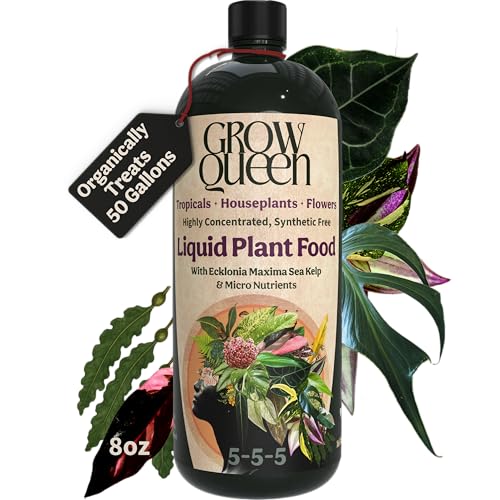
Grow Queen Organic 5-5-5 Liquid Fertilizer with Sea Kelp, 8 oz

Houseplant Resource Center Indoor Plant Food, 8 oz

Miracle-Gro Organic Plant Food, 32 fl. oz.

Schultz SPF45170 All-Purpose Liquid Plant Food 10-15-10, 8 oz
The Details Behind The Selections
For anyone who constantly forgets to mix fertilizer into the watering can, this format practically eliminates the routine. Each spike pushes into the soil and slowly releases nutrients, feeding a typical houseplant for roughly two months at a stretch. You push the spike in once and walk away, which is exactly the kind of hands-off care that suits a busy household or a windowsill you only check on weekends.
The 48-count pack means a single box covers a small jungle of pots for a full growing season. Compared with the liquid options later in this list, there is no measuring, no mixing, and no risk of an accidental overfeed from a heavy pour. This format is also tidy for renters and pet households because there is no open bottle of concentrate sitting on the counter.
Positive Takeaways
- Feed-and-forget convenience for owners with inconsistent schedules
- Works across foliage, herbs, and flowering indoor varieties
- 48 spikes stretch across multiple plants for one full season
- No measuring, mixing, or cleanup at the sink
Things To Consider
- Slow-release pace means hungry plants may need supplemental liquid feeding during peak growth
- Spikes can shift in loose, freshly potted soil and need to be pushed in firmly
Who It Suits Best
Busy plant parents who want reliable feeding with minimal effort and a tidy, no-mess setup in a shared living space.
Where Another Pick Suits Better
Houseplant Resource Center Indoor Plant Food suits growers who prefer a precise 3-1-2 NPK liquid and like to control feedings by the week.
Tablets take the guesswork out of feeding, and this pack is small enough to live in a drawer without taking up counter space. Drop one tablet into a glass or watering can and it dissolves on its own, so you skip the measuring spoon and the messy concentrate bottle. For anyone in a studio apartment with limited storage, that matters.
The four-tablet count is modest, so you may go through the pack faster with a larger collection. Where this format shines is travel and short-term plant-sitting routines, where you want a clean, lightweight option that does not leak in a suitcase. It also works across tropical and desert houseplants in small doses, though heavy feeders will need a complementary formula.
What Works In Its Favor
- Pre-measured tablets remove the risk of overfeeding
- Compact packaging suits small apartments and travel
- Dissolves cleanly in plain tap water with no stirring
Worth Noting
- Only four tablets per pack, so larger collections may need frequent reorders
- Tablets suit light feeders best, with hungry plants often needing more frequent dosing
Quick Facts
Made For
Apartment dwellers with a few houseplants who want a tidy, lightweight feeding method without juggling a bulky liquid bottle.
Consider Something Else When
HiThrive 16 oz All-Purpose Houseplant Fertilizer makes more sense for anyone running a large collection and stretching one bottle across many months.
Dyna-Gro has a long reputation among growers who treat feeding like a science, and Foliage Pro sits at the center of that lineup. The 32 oz bottle covers a serious number of feedings, mixing into water for both soil and hydroponic setups. If your plants live in semi-hydro or LECA (lightweight expanded clay aggregate, the porous clay balls used in soilless growing), this is the format that adapts cleanly.
The concentrated formula is genuinely potent, so a little goes a long way and you will measure carefully at first. Unlike the spike format up above, you stay involved in every feeding and can adjust strength by the season. For experienced plant keepers who want control over nutrient delivery, this bottle tends to outlast cheaper competitors by months.
The Case For It
- Works in soil, semi-hydro, and full hydroponic systems
- Single 32 oz bottle handles large or mixed collections
- Adjustable dilution supports seasonal feeding changes
Trade Offs
- Strong concentrate that demands careful measuring for new users
- Larger bottle takes up more shelf space than tablet or spike options
Right Fit For
Advanced plant keepers running semi-hydro or hydroponic setups who want full control over feeding strength throughout the year.
A Better Fit Elsewhere
Grow Queen Organic 5-5-5 Liquid Fertilizer is a friendlier choice for anyone who prefers a gentler organic blend over a concentrated mineral formula.
HiThrive leans into economy without feeling cheap. The 6-2-4 NPK (the three-number fertilizer ratio showing nitrogen, phosphorus, and potassium) skews slightly nitrogen-heavy, which suits foliage-heavy species like pothos, philodendrons, and fiddle leaf figs that you want pushing out new leaves through the growing season. One 16 oz bottle dilutes into over 87 gallons of feed, which is the kind of math that pays off fast in a large collection.
The bottle ships with a measuring cap, so you do not need to dig out a kitchen spoon. Where it splits from Dyna-Gro is the milder concentration, which makes accidental overfeed harder to commit. For anyone running 20-plus plants on a single budget, this is the format that quietly lasts an entire year.
Strengths Worth Knowing
- Highly concentrated bottle stretches across dozens of feedings
- Mild 6-2-4 ratio favors foliage growth over bloom forcing
- Includes a measuring cap for tidy, repeatable dosing
Room For Improvement
- Lower phosphorus means flowering plants may need a bloom-specific supplement during peak bloom cycles
- Concentrate can develop a faint odor in warm storage; keep the cap sealed
Feature Snapshot
Best Suited To
Plant parents juggling large or expanding collections who want one bottle to last through months of routine feedings.
Skip It When
Schultz SPF45170 All-Purpose Liquid Plant Food suits growers focused on flowering houseplants that benefit from a higher phosphorus ratio.
Organic formulas have a reputation for being gentle, and Grow Queen leans into that with a balanced 5-5-5 ratio and added sea kelp (a seaweed-derived nutrient source rich in trace minerals). The bottle treats roughly 50 gallons of diluted feed, which is plenty for a small indoor collection over several months. It mixes easily into a watering can and is forgiving if you accidentally mix it a little strong.
Unlike the mineral-based Dyna-Gro above, the organic base feeds soil microbes alongside the plant, which can matter for long-term soil health in potted plants. Where it trades off is potency. Heavier feeders in peak summer growth may want a supplemental dose or a more concentrated formula. For sensitive species or pet households, the gentle profile is the main draw.
Where It Delivers
- Balanced 5-5-5 ratio suits mixed houseplant collections without bloom forcing
- Organic base supports long-term soil biology
- Forgiving for newer plant keepers still learning dosing
Points To Note
- Gentle organic strength means heavy feeders may need more frequent applications
- Shorter shelf life than mineral concentrates once opened
Technical Reference
Who Will Love This
Plant keepers with sensitive species, mixed tropicals, or a preference for organic inputs that support soil health over time.
Look Elsewhere When
Miracle-Gro Indoor Plant Food Spikes are a better fit for owners who prefer a set-and-forget approach over mixing liquid feeds each week.
The Houseplant Resource Center built this formula with a 3-1-2 NPK ratio, which is widely recommended for foliage houseplants. The blend includes chelated micronutrients (nutrients bound in a form plants can absorb easily) like iron and manganese, which support steady green growth on species like pothos, monstera, and peace lily. For new plant keepers, that ratio takes the guesswork out of “is this too much nitrogen.”
The 8 oz bottle is on the smaller side, which keeps the cost of entry low for anyone testing a liquid routine for the first time. Where this differs from HiThrive is the focus on mixed houseplant types in a single bottle, including cacti and succulents in moderate doses. For anyone overwhelmed by NPK math, this is a sensible starter pick.
A Strong Showing
- Clear 3-1-2 ratio removes dosing guesswork for beginners
- Chelated micronutrients support long-term nutrient uptake
- Suited to foliage, succulents, and tropical houseplants
Soft Spots
- Smaller 8 oz bottle runs out faster than 16 oz concentrates
- Mild ratio means heavy-feeding monsteras may want a stronger weekly dose
Perfect Match For
Newer plant keepers running mixed houseplants who want a forgiving ratio and clear instructions without doing NPK research.
Another Choice May Suit
Schultz SPF45170 All-Purpose Liquid Plant Food is a stronger pick for flowering houseplants that need a bloom-boosting phosphorus push.
This is the larger organic sibling in the Miracle-Gro family, and the 32 oz bottle is built for steady year-round feeding across a full household of plants. Made with plant-based ingredients, it carries OMRI listing (a third-party organic certification review used in gardening) for organic use, which matters to anyone growing herbs indoors for cooking. The liquid format feeds instantly, which makes results visible faster than slow-release spikes.
Compared with the smaller HiThrive bottle, this one trades concentration for volume. You will measure more frequently because the mix is more diluted at the cap, but you skip the risk of measuring a concentrate wrong. For households that want an organic option stocked on the shelf rather than reordered each month, this format is the practical pick.
Notable Gains
- Large 32 oz bottle covers extended feeding routines
- OMRI-listed organic ingredients suit edible herbs
- Liquid format delivers visible results faster than spikes
Small Caveats
- Less concentrated than HiThrive, so larger doses per feeding are needed
- Bottle is bulky to store in tight cabinets
Feature Card
Who Should Grab It
Households wanting a stocked organic liquid on the shelf for routine feeding across many plants and indoor herbs.
Swap It Out When
Dyna-Gro Foliage Pro 32 oz fits better for serious plant keepers running hydroponic or semi-hydro setups that need mineral-grade nutrition.
Schultz has been a familiar shelf brand for decades, and the 10-15-10 ratio pushes this formula toward bloom production. The middle number, phosphorus, supports flowering and root development, which makes this the right call for African violets, peace lilies in bloom, and any flowering houseplant you want to push through a productive cycle. The 8 oz bottle is a modest size, but the concentrate goes a long way.
Unlike the foliage-leaning formulas earlier in this list, this one carries a higher phosphorus count that can stunt leafy growth if used year-round on foliage plants. The honest read is that this is a specialty pick for bloom windows, not an everyday all-purpose choice. Used at the right moments, though, it pulls flowering houseplants through their best displays.
Bright Spots
- Higher phosphorus ratio supports flower and bud development
- Compact 8 oz bottle stores easily in a small cabinet
- Liquid format mixes fast into a watering can
Areas To Watch
- Higher phosphorus is not ideal for routine foliage feeding year-round
- Smaller bottle means reordering sooner than larger concentrates
Built With In Mind
Plant keepers focused on flowering houseplants like African violets, begonias, or peace lilies who want bloom-friendly nutrition on hand.
Reach For A Different Pick When
Houseplant Resource Center Indoor Plant Food is a better year-round fit for foliage-heavy collections that do not need bloom-forward nutrition.
What Matters Most Before Choosing Plant Foods For Houseplants
Match The Format To Your Routine
Liquid concentrates offer the most control because you adjust strength by season, but they ask for weekly attention. Spikes and tablets trade that control for convenience, so they suit owners who feed inconsistently. Pick the format that matches how often you actually remember to water, not the one that looks best on the shelf.
Read the Three Numbers Carefully
The NPK ratio tells the real story. A nitrogen-leaning ratio like 6-2-4 favors foliage, while a balanced 5-5-5 supports overall growth. Higher middle numbers, such as 10-15-10, push flowering plants through bloom cycles. Matching the ratio to your dominant plant type avoids overfeeding one trait at the expense of another.
Consider How You Grow
Soil-based potted plants handle most formulas well, but semi-hydro and full hydroponic setups need mineral-grade inputs that stay available in water. Organic blends, by contrast, support soil biology and tend to be gentler, which suits sensitive species. Think about your growing medium before settling on a formula.
Plan for Storage and Shelf Life
Liquid concentrates keep longest when sealed in a cool cabinet, while opened organic bottles have shorter shelf lives. Spike formats ship dry and store almost anywhere, which is helpful in tight apartments. Buying a size that matches your feeding pace prevents waste and keeps nutrients potent.
Key Considerations Across These Picks
Pitfalls Shoppers Hit
Chasing the highest NPK numbers often backfires, because overfeeding burns roots faster than underfeeding stunts growth. Skipping dilution instructions on concentrated liquids is another common slip, since the cap lines are not interchangeable between brands. Picking a formula without checking plant type also leads to leafy growth with no blooms, or vice versa.
The Upgrade Payoff
Larger bottles cost more upfront but stretch across more feedings, which lowers the per-dose cost noticeably over a season. Organic certifications and chelated micronutrients also tend to live in the higher tier, and they matter for edible herbs and sensitive species. For most households, paying up for a 16 to 32 oz bottle with clear dosing instructions is worth the modest premium over cheaper alternatives.
