

Mandevilla vines reward steady feeding more than almost any other flowering climber you can grow on a patio or trellis. The trick is matching a fertilizer to how and where you grow, then keeping a simple rhythm through the warm months. These eight options cover the main feeding styles you’ll encounter: liquid drops, bloom-boosting powders, slow-release spikes, and acid-loving blends.
The Choices Worth Comparing

Schultz Liquid Plant Food Plus (1011)

Miracle-Gro Indoor Plant Food Spikes, 48 Spikes

Jack’s Classic 10-30-20 Blossom Booster, 8oz

Gardenwise 20-20-20 Water-Soluble Fertilizer, 8 oz
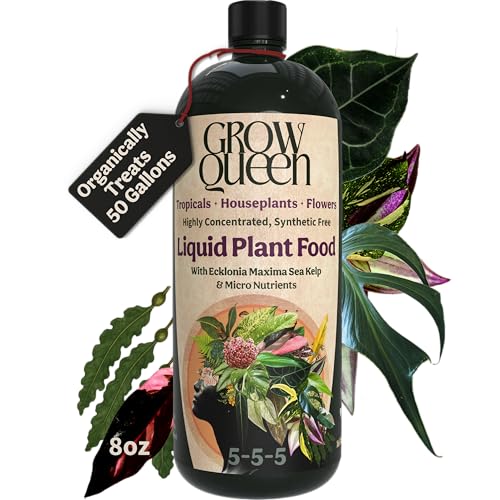
Grow Queen Organic 5-5-5 Liquid Fertilizer, 8 oz

Miracle-Gro Azalea, Camellia, Rhododendron Plant Food, 5 lb

TPS Nutrients Hibiscus Liquid Fertilizer, 8 oz

BGI Fertilizers BOUGAIN Bougainvillea Fertilizer, 10 lb
What Each Pick Brings To The Table
Schultz Liquid Plant Food Plus has the kind of “just add drops” simplicity that suits anyone keeping a mandevilla on a sunny patio without wanting to measure powder or mix concentrate. The 10-15-10 analysis (nitrogen-phosphorus-potassium, the three numbers that tell you how a fertilizer leans) gives a slight nudge toward root and bloom strength rather than leafy growth, which most mandevilla growers actually want. Seven drops per quart of water is the whole routine, so a single bottle covers many waterings across a small container collection.
For new gardeners, the appeal is that the bottle does the math for you. For anyone with a few patio pots beyond mandevilla, the all-purpose framing means you’re not buying a specialty product you’ll use twice a year.
Positive Points
- Dropper bottle removes any guesswork around measuring and diluting.
- Balanced-enough ratio suits mandevilla’s mix of foliage and flower demands.
- Compact bottle stores easily in a small gardening shelf or kitchen drawer.
- Works for transplanting and routine watering, so one product handles multiple jobs.
Things To Consider
- Liquid drops mean you’re tied to a regular watering schedule; skipping feedings dilutes results.
- Not specialized for blooming vines, so heavy flower producers may want a higher-phosphorus option.
Key Specs
Right Fit For
Beginner gardeners and casual container growers who want one simple bottle for several patio plants.
Skip It When
You’d rather have a set-and-forget spike; the Miracle-Gro Indoor Plant Food Spikes handle that style better.
Spike-style feeding trades a bit of precision for pure convenience. You push a spike into the potting mix, water as usual, and the plant draws nutrients gradually over weeks. For indoor or sheltered mandevillas, that’s a comfortable fit because the vine sits in a stable spot and doesn’t need the careful bloom-timed feeding of an outdoor specimen.
Compared to the liquid Schultz drops above, this format asks for almost zero in-season effort. The trade-off is that you give up some control over the feeding moment.
The Practical Payoff
- Each spike lasts roughly two months, so a small collection needs only occasional attention.
- No measuring, mixing, or extra watering cans required.
- Lower likelihood of overfeeding since nutrients release slowly.
- Works for many houseplants, so leftover spikes don’t sit around unused.
Worth Noting
- Placement matters; spikes need to sit in active root zones rather than dry edges of a pot.
- Not the right pick if you want to push maximum blooms in a single warm season.
Best Suited To
Travelers and busy households who forget scheduled feedings but still want a healthier vine indoors.
Consider Something Else When
You grow a vigorous outdoor mandevilla on a trellis and want to chase bigger blooms; Jack’s Classic 10-30-20 suits that goal better.
Jack’s Classic 10-30-20 leans hard into phosphorus, the middle number on the bag, and that drives flower production more than leaf growth. For a mandevilla, which is grown almost entirely for its trumpet blooms, that’s a useful trait during peak summer. You mix the powder into water and either pour it at the root zone or spray it onto the leaves as a foliar feed (a liquid mist applied directly to foliage for fast uptake).
The 8-ounce jar looks small, but a powder concentrate goes a long way, so a single container handles a full growing season for several medium-sized vines. Compared to the balanced Gardenwise 20-20-20 reviewed next, this option trades versatility for a sharper bloom focus.
The Value In It
- High phosphorus ratio specifically supports bud set and flower color.
- Water-soluble powder stores compactly and mixes on demand.
- Works as a foliar spray, which helps when roots are slow or stressed.
- Small jar covers many feedings thanks to concentrated formula.
Trade Offs
- Higher phosphorus means you’ll want to back off during dormant months to avoid salt buildup in pots.
- Mixing and measuring powder takes more effort than drop or spike formats.
Feature Snapshot
Built With In Mind
Outdoor growers who measure success by the number of blooms through summer and don’t mind a quick mixing step.
Look Elsewhere When
You keep a mixed planter with foliage and flowering plants that all need the same feed; the Gardenwise 20-20-20 is a more general pick.
Gardenwise 20-20-20 is the “feed everything the same thing” approach. Each macronutrient sits at an even 20%, so you’re not pushing one growth phase over another. For a gardener running a mixed patio of mandevilla, herbs, and a few ornamentals, that consistency simplifies the routine to one measuring spoon and one watering pattern.
Position this pick opposite Jack’s Classic above. Where Jack’s leans into bloom intensity, Gardenwise leans into convenience across a varied plant shelf. You’ll give up some flower intensity on the mandevilla in exchange for fewer bottles.
What Makes Sense
- Equal N-P-K balance suits mixed planters and varied species in one go.
- Powder form keeps the storage footprint small and the shelf life long.
- Useful for orchids and vegetables alongside flowering vines, which reduces clutter.
Honest Caveats
- Even ratio won’t push blooms as hard as a high-phosphorus blend like Jack’s Classic.
- Mixing each feed from powder adds a small step compared to liquid drops.
- Specialty tropical blends may outperform it on a single dedicated mandevilla.
Whose Shelf It Belongs On
Multi-plant gardeners who want one fertilizer to handle indoor and outdoor species without juggling bottles.
A Better Fit Elsewhere
Growers focused on tropical blooms should look at TPS Nutrients Hibiscus Fertilizer for a more targeted formula.
Grow Queen’s 5-5-5 liquid with sea kelp sits at the gentle end of the spectrum. The equal and modest numbers mean the formula feeds without forcing a single growth direction, and the organic source list makes it the right call if you prefer naturally derived inputs. The 8-ounce bottle treats around 50 gallons of mixed solution at typical dilution, which is enough for a long indoor season across a few small pots.
This is the pick that runs daily rather than in concentrated bursts. You won’t see the dramatic bloom push of a 10-30-20 blend, but you also won’t risk salt buildup or leaf burn when you feed on a relaxed schedule.
Advantages To Know
- Low, equal N-P-K numbers reduce risk of burn on sensitive indoor roots.
- Sea kelp component adds micronutrients that synthetic blends often skip.
- Liquid format mixes instantly, no powder to dissolve.
- One bottle covers an extended feeding window thanks to high dilution ratio.
Points To Keep In Mind
- Gentle feeding won’t push aggressive outdoor bloom performance on its own.
- Organic liquids can develop odor in the bottle once opened, depending on storage.
Best Suited To
Indoor mandevilla keepers and organic-focused gardeners who want a soft daily feed rather than a periodic push.
Swap It Out When
You’re chasing maximum outdoor blooms and want a stronger ratio; Jack’s Classic 10-30-20 will outperform here.
Mandevilla prefers slightly acidic soil (below 7 on the pH scale, where lower numbers mean more acidic conditions), and that’s exactly the lane this Miracle-Gro formula targets. It’s built for acid-loving bloomers like azaleas and gardenias, but the same nutrient profile suits tropical vines that share those soil preferences. The 5-pound container is the largest in this roundup, which matters if you’re feeding a row of container vines all season.
Compared to the smaller bottles earlier, the size means you’re committing to one fertilizer for a while. If you’re not actually keeping the soil on the acidic side, that premium doesn’t pay back.
Strengths Worth Knowing
- Acid-leaning formula supports nutrient uptake in low-pH potting mixes.
- Water-soluble format works for both root drenches and quick feedings.
- Large 5-pound size suits multiple plants or a full outdoor season.
- Also feeds hibiscus, gardenias, and hydrangeas alongside mandevilla.
Where It May Fall Short
- Larger format isn’t ideal if you only keep one small mandevilla indoors.
- Acid profile only helps if your potting mix actually runs acidic.
Right Fit For
Tropical and acid-loving plant collectors running several containers who want one large bag to cover them all.
Another Choice May Suit
Single-plant growers with one modest vine will get better value from a smaller jar like Jack’s Classic 10-30-20.
TPS Nutrients Hibiscus Fertilizer is built for tropical flowering plants with big, colorful blooms. Mandevilla sits in that same tropical family, and many growers find that hibiscus-tuned formulas carry over well. The liquid format keeps mixing simple, and the 8-ounce bottle is a comfortable middle-ground size that handles a couple of medium vines for a full season.
This pick sits next to the Miracle-Gro acid blend above. Both target tropical flowering habits, but the TPS option stays closer to a hibiscus-specific nutrient curve. If your mandevilla shares a pot with other tropicals, one bottle can cover them.
Notable Upsides
- Formulated for big tropical blooms, which lines up well with mandevilla’s habit.
- Liquid format mixes cleanly with no powder residue.
- Works across outdoor beds and container plantings.
- Also suitable for other tropicals like hibiscus and similar flowering shrubs.
Practical Considerations
- Tuned for a specific plant family, so it’s less useful if your collection is mixed beyond tropicals.
- Bottle size requires a commitment to tropical feeding for the season.
Made For
Tropical vine growers running mandevilla alongside hibiscus, plumeria, or similar warm-climate bloomers.
Reach For A Different Pick When
You keep a wide mix of plants including non-tropicals; the balanced Gardenwise 20-20-20 handles variety better.
BGI’s BOUGAIN formula targets bougainvillea, but the 6-8-10 analysis plus minor nutrients translates well to other tropical flowering vines. The 10-pound bag is the biggest option here and uses fast-release granules (small dry pellets that dissolve quickly into the soil) rather than a liquid or spike. You sprinkle, water in, and the nutrients reach the roots within days.
For a landscape planting with several mandevilla vines anchored in ground beds, this bulk format is more practical than juggling bottles. If you’re container-only with one vine, the bag is more than you need.
Why It Works Well
- Fast-release granules give quick nutrient access during the active growing season.
- Bulk 10-pound bag suits multiple plantings or large landscape beds.
- Re-sealable bag keeps the granules dry and usable across multiple seasons.
- Also feeds other tropical and flowering plants with similar nutrient needs.
Factors To Consider
- Granular format requires careful measuring to avoid overfeeding in small pots.
- 10-pound bag is overkill for a single indoor mandevilla on a windowsill.
Quick Facts
Perfect Match For
Outdoor gardeners running ground beds or several large containers who want a single bulk feed across the season.
Not Your Match When
You keep a single small potted mandevilla; the Miracle-Gro Azalea blend in a smaller container size fits that scenario better.
Picking The Right Plant Food For Your Mandevilla Setup
Mandevilla responds to two main feeding traits: a slightly acidic root zone and a steady supply of phosphorus for continuous blooms. Liquid options give you control over timing and concentration, which suits growers who water by hand and adjust feedings through the season. Granular and spike formats trade that precision for fewer touchpoints across a long summer, which matters more for landscape plantings than a single patio pot.
Match the format to your routine rather than the other way around. A forgetful waterer will do better with spikes than with a powder that demands mixing each week. A hands-on gardener who enjoys the rhythm will appreciate the control of a soluble powder or liquid concentrate. Soil pH matters too: if your potting mix already runs neutral (around 7.0), an acid-leaning blend won’t add as much value as it would in an alkaline bed.
Reading The N-P-K Numbers
The three numbers on a fertilizer label show nitrogen, phosphorus, and potassium percentages, in that order. Nitrogen drives leafy growth, phosphorus pushes flower and root development, and potassium supports overall vigor. For mandevilla, a balanced or slightly bloom-leaning ratio tends to outperform nitrogen-heavy lawn-style feeds.
Container Size And Feeding Frequency
Smaller pots dry out faster and concentrate salts more easily, so gentle or lower-number formulas work better there. Larger containers and ground beds can absorb stronger feedings without burning roots. In all cases, watering thoroughly between feedings helps flush unused salts away from the root zone.
Common Mistakes And Where The Extra Money Goes
Pitfalls Shoppers Hit
Picking the highest phosphorus number on the shelf without checking your soil pH is a frequent misstep, because phosphorus only unlocks in the right pH range. Another common slip is feeding through winter dormancy, which leads to salt buildup when the vine isn’t actively growing. Finally, mixing fertilizer types without flushing the pot between them can compound salts faster than any single product on its own.
Why Top Tier Costs More
Higher-tier or specialty blends often include micronutrients, chelated minerals (nutrients wrapped in a coating that helps plants absorb them more easily), or organic sources that cheaper synthetic powders skip. The premium also covers tighter formulation control, which matters more for sensitive tropicals than for hardy lawn grass. You’re paying for either a smoother feeding experience or a more complete nutrient profile, depending on the brand.
Frequently Asked Questions
What N-P-K ratio is best for mandevilla?
A balanced ratio like 20-20-20 or a slightly bloom-leaning blend such as 10-30-20 supports steady flower production without forcing excessive leaf growth.
How often should mandevilla be fed during the growing season?
Most mandevillas benefit from feeding every one to two weeks with a liquid or soluble fertilizer while actively blooming, then less often during cooler months.
Can I use a generic all-purpose fertilizer on mandevilla?
Yes, especially balanced options like 20-20-20 or mild liquids, though bloom-specific or acid-leaning blends typically produce more flowers.
Should I fertilize mandevilla in winter?
Feed lightly or skip entirely during dormancy, because the vine isn’t actively taking up nutrients and excess salts can accumulate in the pot.
Are organic fertilizers effective for mandevilla?
Organic options work well for steady, gentle feeding, though they may produce less dramatic bloom results than concentrated synthetic bloom boosters.
Bottom Line
The best plant food for mandevilla is the one you’ll actually use on a steady rhythm, matched to whether you’re growing in containers or beds. Start with the format that fits your watering style, then adjust the ratio once you see how your vine responds through the season.
