

A healthy Monstera isn’t hard to keep alive, but getting those big, fenestrated leaves takes more than water and a bright corner. The right fertilizer feeds leaf size, root strength, and color without burning roots or pushing weak, leggy growth. This shortlist breaks down eight solid picks that cover liquids, spikes, organic options, and a purpose-built Monstera soil, so you can match the format to your routine and your plant’s stage.
How The Shortlist Stacks Up

Miracle-Gro Indoor Plant Food Spikes (48 Count)

Instant Biologics Houseplant Self-Dissolving Tablets (4 Count)

Houseplant Resource Center Monstera Plant Food 5-2-3 (8 oz)
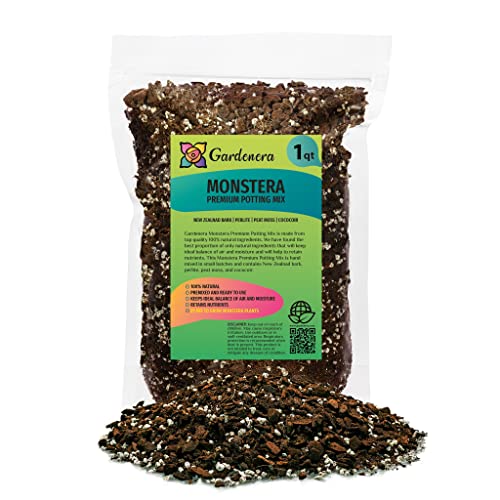
Gardenera Premium Monstera Potting Soil (1 Quart)
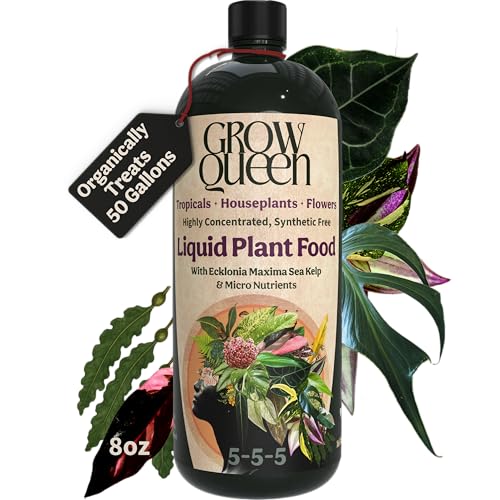
Grow Queen Organic Liquid 5-5-5 with Sea Kelp (8 oz)

Houseplant Resource Center Indoor Plant Food 3-1-2 (8 oz)

Miracle-Gro Organic Plant Food (32 fl. oz.)

Grow Queen All-in-One Complete Organic Plant Food (7 Packets)
Taking A Closer Look At The Options
Spike fertilizers are the lazy-Monday option for indoor gardeners, and the Miracle-Gro Indoor Plant Food Spikes keep that idea straightforward. You push one into the soil and let it slowly release nutrients over weeks, which suits a Monstera owner who’d rather watch leaves unfurl than measure liquid feeds every other week.
A 48-count pack covers several medium-sized houseplants for a good stretch, which makes it a sensible option if you tend a small jungle rather than one plant on a shelf. The trade-off, common to most spike products, is that nutrient distribution stays close to where the spike sits, so owners of large pots may need two rather than one.
The Value In It
- Slow, steady feeding with minimal effort
- Long-lasting supply across multiple houseplants
- No measuring, mixing, or weekly liquid schedule
- Good fit for forgetful or travel-heavy schedules
Honest Caveats
- Distribution can be uneven in larger containers
- Less flexible dosing than liquids for heavy-feeding seasons
Key Product Details
Made For
Plant parents who want reliable feeding without a weekly measuring routine.
Skip It When
The Houseplant Resource Center Monstera Plant Food 5-2-3 suits a grower who wants a Monstera-specific blend rather than a general spike.
Tablet formats trade the bottle-and-spoon dance for a single drop into your watering can. Instant Biologics Houseplant Fertilizer Tablets come pre-portioned, so a Monstera owner with a mixed shelf of pothos, philodendrons, and ferns can dissolve one tablet and feed everything in a single pass.
The water-soluble approach also feeds roots evenly across the pot, which matters once your Monstera climbs past the nursery size into a wider planter. You may find the four-tablet count runs out quickly for a multi-plant home, though, so think of it as a low-commitment starting point rather than a season’s supply.
Useful Touches
- Pre-measured tablets remove guesswork entirely
- Even nutrient delivery through the watering can
- Useful across tropicals, ferns, and foliage plants
- Portable and shelf-stable for small-space living
Trade Offs
- Small pack size relative to liquid bottles
- Requires a watering can or glass to dissolve first
- Less targeted than a Monstera-specific blend
Right Fit For
Owners with several indoor species who want one simple feeding step.
Look Elsewhere When
The Miracle-Gro Indoor Plant Food Spikes suit a grower who wants an even more hands-off, soil-only routine.
The Houseplant Resource Center Monstera Plant Food is built around a 5-2-3 NPK ratio, which is the macronutrient shorthand for nitrogen, phosphorus, and potassium. A higher nitrogen share pushes the deep green foliage Monsteras are grown for, while the chelated formulation helps roots absorb those nutrients steadily.
You dilute it into your regular watering routine, so an owner who already waters weekly won’t add much time to their schedule. It is specifically aimed at tropical foliage plants like Monstera, which gives it an edge over general houseplant blends. For larger collections, a single 8 oz bottle is moderate, so plan to reorder through active growing months.
Bright Spots
- NPK ratio tuned for Monstera’s leaf-driven growth
- Chelated nutrients support steadier uptake
- Liquid format mixes into existing watering habits
- Designed around tropical foliage plant needs
Things To Consider
- Smaller bottle than broad multi-plant options
- Liquid concentrates require careful dilution
Feature Snapshot
Best Suited To
Dedicated Monstera growers who want a blend tuned to the species.
Reach For A Different Pick When
Grow Queen Organic Liquid 5-5-5 fits a household that prefers an organic, balanced NPK across many plant types.
Fertilizer is only half the story. Gardenera Premium Monstera Potting Soil is a quick-drain mix built for Monstera deliciosa, the Swiss cheese plant, combining bark, coco coir, perlite, and similar amendments. These chunky, airy ingredients mimic the loose, organic-rich soils Monsteras root into in their native habitat.
Fast drainage prevents the soggy conditions that lead to root rot, which is one of the most common reasons Monstera leaves yellow and drop. You use this at repotting time as a foundation, then layer your liquid or spike feeding on top. The 1-quart bag is sized for one small-to-medium repotting, so owners with multiple large Monsteras may need more than one.
The Case For It
- Aroid-tuned blend supports healthy root systems
- Chunky texture reduces waterlogging risk
- Useful at both initial potting and refresh repotting
- Combines drainage with organic matter for nutrition
Less Ideal Details
- Small bag suits single-plant repotting
- Potting medium rather than a stand-alone fertilizer
Quick Facts
Whose Shelf It Belongs On
Anyone repotting a Monstera or refreshing compacted soil in an established pot.
Consider Something Else When
Houseplant Resource Center Monstera Plant Food 5-2-3 suits an owner who already has good soil and just needs ongoing liquid feeding.
Grow Queen’s organic liquid fertilizer runs on a balanced 5-5-5 NPK, meaning each macronutrient (nitrogen, phosphorus, potassium) is at equal strength. The equal share suits a Monstera owner who wants steady, moderate feeding without risking the leaf burn that heavier nitrogen concentrations sometimes cause.
Sea kelp is layered in for trace minerals, which many organic growers look for as a supplement to basic NPK. You dilute into a watering can and feed on a routine schedule, similar to the Houseplant Resource Center 5-2-3. Depending on your plant count, an 8 oz bottle covering roughly 50 gallons of mixed solution goes a long way.
Well-Handled Touches
- Balanced NPK suits cautious feeders
- Organic formula fits chemical-free routines
- Sea kelp adds trace minerals beyond NPK
- High dilution ratio stretches a single bottle
Worth Bearing In Mind
- Lower nitrogen than Monstera-specific blends
- Organic smell can be noticeable during mixing
Technical Sheet
Who Will Love This
Organic-first households with multiple indoor species on the same shelf.
Swap It Out When
Miracle-Gro Organic Plant Food suits an owner who wants a larger liquid bottle with broad indoor and outdoor use.
The 3-1-2 NPK ratio is a classic indoor-plant blend, lower in overall strength than the Monstera-specific 5-2-3. That makes the Houseplant Resource Center Indoor Plant Food a safe pick across a mixed collection where some plants, like cacti, want gentler feeding than a hungry Monstera.
Chelated micronutrients are included to improve absorption, which matters in hard-water households where minerals can lock out other inputs. You use it on pothos, peace lilies, Monstera, and cactus alike, so one bottle can replace several species-specific products. For a Monstera in peak growing season, you may want a slightly stronger blend, but for steady year-round care it works fine.
Advantages To Know
- Multi-species reach across foliage and succulents
- Chelated micronutrients help absorption
- Gentle enough for sensitive or young plants
- Replaces several species-specific bottles
Points To Keep In Mind
- Lighter ratio than dedicated Monstera formulas
- Dilution discipline still required for liquid feeds
Perfect Match For
Mixed indoor gardeners who want one bottle across many houseplants.
Not Your Match When
Houseplant Resource Center Monstera Plant Food 5-2-3 fits a Monstera-first grower who wants a stronger nitrogen push.
The 32 fl. oz. bottle positions Miracle-Gro Organic Plant Food as a volume option for households with many indoor and outdoor containers. It uses plant-based ingredients, so organic-minded gardeners get a familiar brand name in a format that crosses over between Monstera on a windowsill and tomatoes on a patio.
Liquid concentrates feed quickly, which is helpful when you want a visible response in active growth months. The big bottle also means less reordering, though it does need a cool, dark storage spot to keep its organic components stable. For a single Monstera in a small pot, a 32 oz supply may outlast its shelf life.
Practical Pluses
- Generous bottle covers many plants and feedings
- Plant-based organic ingredients
- Works across indoor and outdoor container plants
- Familiar brand with wide retail availability
A Few Limitations
- Overkill volume for a single-plant owner
- Organic liquids need proper storage conditions
Built With In Mind
Multi-plant homes that want one large bottle to cover indoor and patio use.
A Better Fit Elsewhere
Grow Queen Organic Liquid 5-5-5 fits a smaller-space grower who wants a balanced organic ratio in a compact bottle.
The Grow Queen All-in-One packet set uses single-serving sachets that blend fast and slow release nutrients, which is unusual in a category dominated by liquids and spikes. You tear open one packet per feeding, mix into water, and feed indoor pots or outdoor garden beds alike.
The slow-release fraction keeps working after the immediate dose, so a Monstera owner who forgets follow-up feeds won’t go completely without. The fast-release share gives quick green-up during the spring flush. Depending on your plant count, seven packets last a moderate stretch, and the format reduces the measuring mistakes that liquid bottles sometimes invite.
What Stands Out
- Dual fast and slow release feeding in one dose
- Single-serving packets remove measuring errors
- Useful for both indoor pots and outdoor beds
- Organic composition fits chemical-free routines
Points To Note
- Limited packet count per purchase
- Requires mixing step before each feeding
Who Should Grab It
Gardeners who want one product across houseplants and vegetable beds.
Where Another Pick Suits Better
Instant Biologics Houseplant Self-Dissolving Tablets suit an owner who wants tablets rather than packets for quicker dissolution.
What To Weigh Before Choosing A Monstera Fertilizer
Match NPK To Your Plant’s Goal
NPK numbers describe the share of nitrogen, phosphorus, and potassium in a fertilizer. Nitrogen drives leaf size and color, phosphorus supports roots, and potassium builds overall resilience. For a Monstera where the goal is bigger, greener leaves, nitrogen-forward ratios like 5-2-3 work well, while balanced 5-5-5 or gentler 3-1-2 blends suit multi-species shelves where some plants need lighter feeding.
Pick A Format That Fits Your Routine
Liquids give quick uptake and flexible dosing, which helps during active growing months. Spikes release slowly with almost no effort, which suits forgetful schedules. Tablets and packets split the difference with pre-measured portions, and a chunky aroid soil like the Gardenera Monstera mix sets the foundation underneath any of those formats.
Account For Pot Size And Drainage
Monstera roots dislike sitting in water. A quick-drain potting mix reduces the risk of rot, especially in glazed or oversized pots where soil stays wet longer. Pairing the right fertilizer with the right soil gives roots both air and nutrition, and avoids the soggy conditions that often get blamed on fertilizer but actually start with the medium.
Plan Around Organic Preferences And Volume
Organic options like Grow Queen’s 5-5-5 and Miracle-Gro Organic support chemical-free routines, but they may carry a noticeable smell during mixing. Larger bottles stretch further in multi-plant homes, while smaller, targeted picks suit single-Monstera collections where shelf life matters more than volume.
Key Considerations Across These Picks
Mistakes Worth Dodging
Overfeeding ranks as the most common slip-up with Monsteras, since nitrogen-heavy products tempt growers into dosing more than the plant can absorb. Leaf burn, crusty soil, and brown leaf tips are early signs. Following the dilution guidance on each label and feeding only during active growth prevents most of these issues.
Skipping soil quality is the second trap. A premium fertilizer in compacted, poor-draining soil still struggles to reach roots, which is why the Gardenera Monstera mix earns its place in the lineup. Treating soil and fertilizer as one system, rather than separate purchases, leads to steadier long-term results.
When Paying More Pays Off
Higher-tier Monstera picks, like the species-specific 5-2-3 blend or the chunky aroid soil, deliver targeted formulation rather than just stronger concentration. The extra cost buys a nutrient profile tuned to aroids and a soil structure that prevents the root problems that drive most Monstera complaints. For a single beloved plant, that focus is often worth the step up from a generic blend.
Frequently Asked Questions
How Often Should Monstera Be Fertilized?
Most liquid Monstera feeds call for once-every-two-weeks during spring and summer, with monthly or paused feeding in fall and winter. Spikes and slow-release packets stretch that schedule out, so always cross-check the product label.
Can Regular Houseplant Fertilizer Work On Monstera?
Yes. A balanced indoor blend like the Houseplant Resource Center 3-1-2 supports Monstera alongside other houseplants. A Monstera-specific formula simply nudges the ratio toward stronger leaf growth if that is the priority.
Is Liquid Or Spike Fertilizer Better For Monstera?
Liquids offer flexible dosing and faster uptake, which helps during active growth. Spikes trade that flexibility for near-zero effort, and they work well for owners who forget mid-season feedings.
Do Monsteras Need Special Soil To Absorb Fertilizer?
A well-draining aroid mix helps roots access nutrients without sitting in water. Standard indoor potting soil works in a pinch, but a chunky blend with bark and perlite reduces rot risk.
Is Organic Fertilizer Safe For Indoor Monsteras?
Organic liquids and packets feed Monsteras effectively, though they sometimes carry a mild odor during mixing. Adequate airflow and the standard dilution ratio keep that smell short-lived.
Closing Thoughts
The right plant food for your Monstera comes down to format, NPK balance, and how much routine you actually want. A dedicated 5-2-3 liquid suits a focused grower, a balanced organic bottle covers a mixed shelf, and a quick-drain soil anchors it all. Match the pick to your schedule and your plant count, and the rest is steady, patient watering.
