

Phalaenopsis, cattleya, and dendrobium all share a similar need: a feeding routine that supports roots without drowning them in salts. Pick the wrong nutrient mix and leaves yellow; pick the right one and reblooms stack up like clockwork. This guide rounds up eight formulas and substrates designed to keep orchids thriving on windowsills, plant stands, and humidity trays across a range of care styles.
A Snapshot Of The Selections

Houseplant Hero Orchid Plant Food 9-7-9, 8 oz

Miracle-Gro Indoor Plant Food Spikes, 48 Spikes

Jack’s Classic 10-30-20 Blossom Booster, 8oz

Riare 1QT Orchid Potting Mix

Instant Biologics Self-Dissolving Plant Food Tablets (4)

Stroller Premium Orchid Bark Mix, 1 Quart

SMEREKA Orchid Bloom Booster Slow Release 5 oz
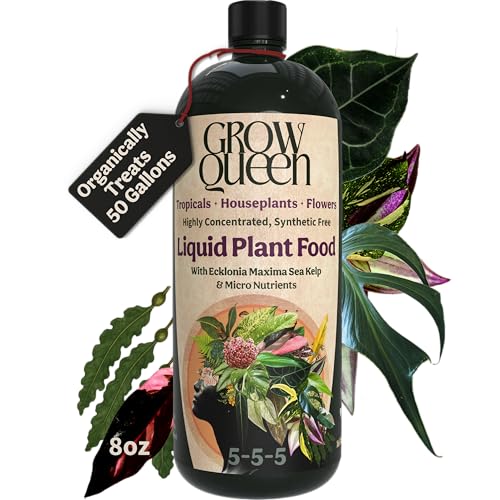
Grow Queen Organic Liquid Plant Food 5-5-5 with Sea Kelp, 8 oz
Why These Options Stand Out
A liquid concentrate built for orchid-specific nutrition, the 9-7-9 NPK ratio (the three numbers on a fertilizer label, representing nitrogen, phosphorus, and potassium) leans slightly heavier on nitrogen without overpowering blooms. That balance suits both foliage and flowering stages, so there’s no need to swap products as the season shifts. For most windowsill growers, this single bottle covers phalaenopsis, cattleya, and dendrobium collections without extra inventory.
The concentrate mixes into your existing watering routine, which keeps the habit simple. Use it every watering or stretch it to once or twice a month; either schedule works because orchids tolerate diluted feeding well. That flexibility matters for people who water on an inconsistent schedule, since the plant absorbs nutrients whenever it gets a drink.
Real Benefits
- All-purpose ratio suits mixed orchid collections from phalaenopsis to dendrobium.
- Concentrate format stretches an 8 oz bottle across many watering sessions.
- Flexible feeding schedule fits both weekly and monthly routines.
- Liquid delivery gives roots fast access to nutrients after dilution.
Things To Consider
- Requires measuring and mixing before each feeding, unlike spike or tablet formats.
- Bottle size is modest for collectors running dozens of plants.
Feature Snapshot
Who It Suits Best
Orchid owners running a mixed collection who want one bottle to cover every genus without switching formulas.
Consider Something Else When
Travelers who skip weeks of watering should consider SMEREKA Orchid Bloom Booster Slow Release for a hands-off approach.
Spikes deliver nutrients straight into the potting medium without any mixing or measuring. You push one into the soil and the medium gradually absorbs the feed over roughly two months. For orchid keepers who forget the watering can or dread the measuring ritual, that kind of automation removes a real point of friction.
The 48-count box handles a sizeable indoor jungle across multiple plants. Houseplants like pothos, philodendron, and ferns sit alongside your orchids on the same feeding schedule, which simplifies household-wide care. In our view, the trade-off is control: you can’t fine-tune the dose the way a liquid allows.
Benefits That Matter
- No measuring, no mixing, no spills to wipe up.
- Each spike feeds one plant for up to two months.
- Works across flowers, herbs, and foliage houseplants.
- Compact storage in a resealable box.
Worth Noting
- Spikes aren’t formulated specifically for orchids, so nutrient ratios may not match bloom cycles perfectly.
- Placement matters; pushing too close to roots can scorch tender tissue.
- Not ideal for mounted orchids or semi-hydro setups.
Right Fit For
Busy households juggling many houseplants who want one product to feed everything on autopilot.
A Better Fit Elsewhere
Orchid specialists focused on reblooms may prefer Houseplant Hero Orchid Plant Food 9-7-9 for its orchid-tuned ratio.
With a 10-30-20 NPK, this water-soluble powder pushes phosphorus hard, which is the nutrient orchids burn through during spike development. Growers chasing a heavier bloom cycle reach for this kind of formula right before buds set. The 8 oz jar punches above its weight because a little powder goes a long way per gallon.
Versatility is the quiet win here. You can pour it through the pot as a root drench or spray it onto leaves as a foliar feed (a method where diluted fertilizer mist lands directly on foliage for fast absorption). Both routes deliver the same nutrient profile, so you can rotate based on what the plant needs that week. You may find the foliar route especially useful when roots are stressed or newly potted.
What Pays Off
- High-phosphorus ratio aligns with pre-bloom and bud-set timing.
- Water-soluble powder concentrates efficiently into many gallons.
- Doubles as a foliar spray for stressed or freshly repotted plants.
- Compatible with continuous-feed systems for serious growers.
Trade Offs
- Phosphorus-heavy ratio isn’t ideal for foliage-only growth periods.
- Requires accurate measuring to avoid salt buildup in the medium.
- Powder must dissolve fully to prevent gritty residue on roots.
Feature Snapshot
Best Suited To
Orchid keepers in the pre-bloom window who want to stack conditions in favor of stronger, longer-lasting flowers.
Skip It When
You want one formula for year-round feeding; Houseplant Hero Orchid Plant Food 9-7-9 covers vegetative and bloom stages more evenly.
Repotting orchids starts with the medium, and this 1-quart blend skips the recipe stage entirely. Riare combines bark, perlite, coco peat, and forest moss into a ready-to-use mix that drains the way epiphytic orchids (plants that naturally grow on trees rather than in soil) prefer. For anyone who’s stared at five bags of raw ingredients wondering how much perlite counts as “enough,” that’s a real relief.
The blend targets the most common household orchids: phalaenopsis, cattleya, and dendrobium. Airflow stays high around the roots, which is exactly the environment orchids evolved for. If your kitchen windowsill collection needs refreshing after a couple of years in tired medium, this bag drops straight into the pot.
A Favorable Mix
- Pre-blended ratio removes the guesswork from mixing components.
- Multi-component blend supports airflow and moisture balance.
- Suits the three most common indoor orchid genera.
- Natural materials without synthetic additives.
Points To Note
- 1-quart size covers only a few small repottings.
- Bark pieces can vary in size between batches, occasionally needing a quick sift.
- Not formulated for terrestrial orchids (ground-growing varieties) that prefer denser media.
Made For
First-time repotting projects where the gardener wants a medium that’s already balanced for epiphytic orchids.
Reach For A Different Pick When
You need a chunkier bark-dominant blend; Stroller Premium Orchid Bark Mix leans more heavily toward pine bark.
Tablets take the measuring spoon out of feeding entirely. Drop one into a watering can or glass, watch it dissolve, then water as usual. The pre-measured dose keeps the math simple, which is a quiet win for households running a dozen different houseplants with different needs.
The all-purpose formulation suits tropicals, succulents, and orchids on the same feeding plan, so the tablet format reduces shelf clutter. Four tablets cover a meaningful stretch of feeding sessions before a refill, and storage is just a small pouch or jar. If you’re the type who treats plants casually, this format lands well.
The Case For It
- Pre-measured tablets eliminate dosing guesswork.
- Self-dissolving format suits quick watering routines.
- Multi-plant compatibility simplifies household-wide feeding.
- Compact packaging stores easily in a kitchen drawer.
Small Caveats
- All-purpose ratio isn’t bloom-targeted like a dedicated orchid formula.
- Four-tablet count runs out quickly for large collections.
Who Should Grab It
Mixed plant households where orchids share space with tropicals, succulents, and herbs on a single feed schedule.
Where A Sibling Pick Shines
Orchid-only collections chasing heavier blooms should look at Jack’s Classic 10-30-20 Blossom Booster for its phosphorus-led profile.
This bark-led blend leans toward drainage over moisture retention, which mirrors the airy environment epiphytic orchids need. Pine bark dominates the mix, supported by forest moss, perlite, and coco peat. The chunkier composition suits orchids that prefer to dry out between waterings, especially mounted or semi-hydro setups.
Compared to Riare’s more balanced blend, this one lets roots breathe more aggressively. For owners who tend to overwater, that airflow can be the difference between healthy roots and rot. Depending on your watering habits, a bark-heavy mix is often the safer anchor for cattleya and dendrobium varieties.
The Helpful Details
- Pine-bark-forward ratio maximizes airflow around roots.
- Multi-component blend balances drainage and moisture holding.
- Suits orchids prone to rot from overwatering.
- Works well for mounted and basket-grown orchids.
Points To Keep In Mind
- Chunky pieces may not suit small starter pots with narrow openings.
- Dries out faster, demanding more frequent watering in dry homes.
Feature Snapshot
Perfect Match For
Cattleya and dendrobium growers who favor a chunky, fast-draining medium over moisture-retentive blends.
Swap It Out When
You want a more balanced moisture profile; Riare 1QT Orchid Potting Mix offers a gentler middle ground.
Slow-release granules remove the feeding schedule almost entirely. You sprinkle, water, and let the medium do the rest for roughly six months. The 14-12-12 NPK ratio leans slightly toward nitrogen with enough phosphorus to support reblooms. For orchid keepers who travel or simply forget the calendar, that hands-off profile is the headline feature.
A 5 oz jar covers more than 50 applications, which makes the per-feeding cost low even for collectors running multiple plants. Depending on your humidity and watering frequency, the release rate can shift slightly, so a light touch during heavy-watering seasons helps avoid buildup.
Standout Benefits
- Six-month feeding window removes calendar tracking.
- Balanced 14-12-12 ratio supports foliage and bloom cycles.
- 50+ applications from a single 5 oz jar.
- Granule format suits all common indoor orchid types.
A Few Limitations
- Release rate depends on watering frequency and temperature.
- Granules can clump if poured directly onto dry medium without watering in.
Whose Shelf It Belongs On
Frequent travelers and busy households who can’t stick to a weekly or monthly feeding routine.
Look Elsewhere When
You want to fine-tune bloom timing; Jack’s Classic 10-30-20 Blossom Booster gives you precise pre-bloom control.
An organic 5-5-5 liquid with sea kelp added, this formula trades high-analysis numbers for a gentler feeding curve. The balanced ratio means every macronutrient gets equal billing, which suits orchids that prefer steady, mild feeding over concentrated doses. Sea kelp contributes trace minerals and natural growth stimulants that synthetic blends skip. That matters for organic-leaning households and for tender orchids that react badly to salt-heavy feeds.
An 8 oz bottle treats roughly 50 gallons when diluted, so a single bottle carries a household through many months. The liquid mixes cleanly into water without residue, and the low-salt profile reduces the risk of root burn on sensitive varieties. In our view, organic feeding rewards consistency more than intensity, so pairing it with a regular watering schedule matters more than the brand on the bottle.
Useful Strengths
- Organic formulation avoids synthetic salt buildup.
- Balanced 5-5-5 ratio supports year-round feeding.
- Sea kelp adds trace minerals and natural growth support.
- Treats up to 50 gallons per 8 oz bottle.
Practical Considerations
- Lower NPK analysis means slower visible response than concentrated feeds.
- Organic ingredients can carry a mild odor during mixing.
Built With In Mind
Organic-leaning households and orchid owners with sensitive varieties that react poorly to synthetic feeds.
Another Choice May Suit
Collectors chasing heavy bloom output may find SMEREKA Orchid Bloom Booster Slow Release more aggressive for reblooming.
What Matters Most Before Choosing Plant Foods For Orchids
Match The Formula To Your Orchid Type
Phalaenopsis tolerates a wider range of NPK ratios than cattleya or dendrobium, which often prefer balanced feeds during vegetative growth. If your collection leans heavily on one genus, build your fertilizer shelf around that species’ needs before adding anything specialty. A general 9-7-9 or 5-5-5 liquid covers most windowsill growers, while high-phosphorus formulas earn their place during pre-bloom windows.
Choose The Format That Fits Your Routine
Liquids deliver fast results but require mixing. Spikes and slow-release granules trade control for convenience, which suits forgetful owners but limits your ability to push a bloom cycle. Tablets split the difference by removing measuring without locking you into months of release. The honest read is that format matters more than brand for most households.
Repotting Medium Matters As Much As Feed
A great fertilizer fails in compacted, broken-down bark that suffocates roots. Orchids absorb nutrients through healthy root tissue, so refreshing the medium every one to two years keeps feeding effective. Riare 1QT Orchid Potting Mix and Stroller Premium Orchid Bark Mix both anchor that foundation in different ways.
Watch For Salt Buildup In Your Watering Style
Hard water and heavy feeding leave mineral salts that crust on roots and burn leaf tips. Flushing the pot with plain water once a month clears that residue. If your water runs hard, lean toward lower-analysis organic feeds like Grow Queen Organic Liquid Plant Food 5-5-5 to keep salt accumulation gentle.
Key Considerations Across These Picks
Common Buying Slip Ups
The most common mistake is reaching for the highest-phosphorus formula year-round, thinking more bloom equals more flower. Phosphorus-heavy feeds during vegetative growth can actually stunt foliage and weaken the plant’s foundation. Match the formula to the growth stage instead of stacking one product on every watering. Another trap is ignoring medium health; fertilizer can’t rescue roots suffocating in decomposed bark.
Where The Extra Money Goes
Premium orchid feeds often include chelated micronutrients (minerals bound to organic molecules for easier plant uptake) and refined carrier ingredients that improve uptake without burning roots. Sea kelp, humic acids, and balanced organic sourcing all cost more to produce. The upgrade pays off for sensitive varieties and organic households, but a basic 9-7-9 liquid handles most windowsill collections just as well.
Frequently Asked Questions
How Often Should I Feed My Orchids?
Most orchids do well with a diluted feed at every other watering during active growth and a lighter monthly feed during dormancy. Adjust frequency based on whether your orchid is actively pushing leaves or buds.
Can I Use Regular Houseplant Fertilizer On Orchids?
General-purpose spikes and liquids work, but they aren’t tuned for orchid bloom cycles. Dedicated orchid formulas with balanced or phosphorus-leaning ratios support stronger flowering on the same feeding schedule.
Is Liquid Or Granular Orchid Food Better?
Liquids offer precise control and fast uptake, while slow-release granules trade precision for convenience. Pick the format that matches how reliably you water, since both work when applied consistently.
Do Orchids Need Special Potting Mix?
Yes, orchids need chunky, well-draining media like bark blends rather than standard potting soil. Riare 1QT Orchid Potting Mix and Stroller Premium Orchid Bark Mix both support the airflow epiphytic orchids need.
Are Organic Orchid Fertilizers Effective?
Organic feeds like Grow Queen Organic Liquid Plant Food 5-5-5 with Sea Kelp work well, though the visible results arrive more slowly than concentrated synthetics. The trade-off is gentler feeding and lower salt buildup over time.
Closing Thoughts
The right plant food for orchids depends less on brand and more on how it fits your watering rhythm and which genera sit on your windowsill. Liquids reward consistency, slow-release granules reward forgetfulness, and specialty bloom boosters earn their place during pre-bloom windows. Pair any of these formulas with a fresh, well-draining medium, and the plants will tell you what’s working within a season or two.
