

Roses ask a lot from the soil around them, and the difference between a sad shrub with thin stems and a bed loaded with fat, fragrant blooms usually traces back to feeding. Choosing the right rose fertilizer isn’t glamorous work, but it’s the single biggest lever you control once you’ve picked your variety and planting site. This roundup covers ten options spanning fast-acting liquids, slow-cooking organics, and granular formulas you can sprinkle and forget.
Some products target roses specifically with extra potassium for flower set. Others treat roses as one of many flowering shrubs on the label and still deliver excellent results. A few work as soil conditioners, building the long-term biology that roses really thrive on. The short version: the right pick depends on how you like to garden.
The Main Contenders
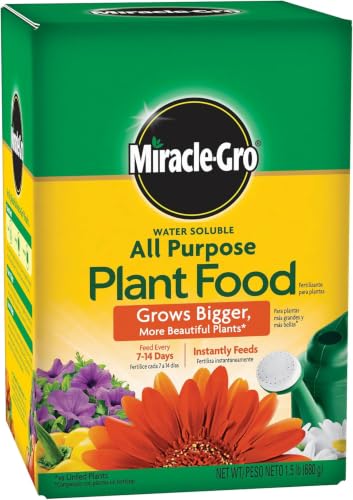
Miracle-Gro Water Soluble All Purpose Plant Food 1.5 lbs. (Pack of 6)

Wiggle Worm 100% Pure Organic Worm Casting Fertilizer, 30lb

Espoma Organic Bio-Tone Starter Plus 4-3-3 Plant Food 4 lb.
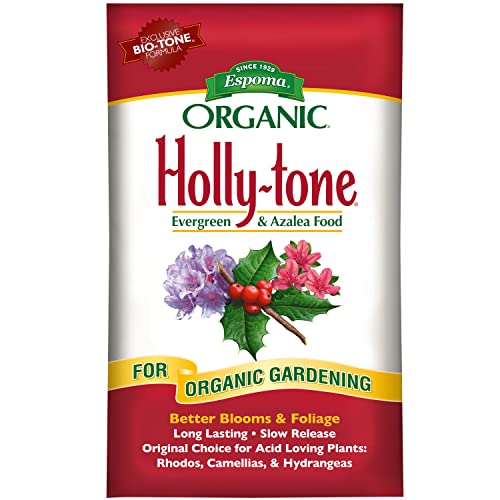
Espoma Organic Holly-Tone 4-3-4 Evergreen & Azalea Plant Food 36 lb.

Neptune’s Harvest Organic Kelp Meal Plant Food 1-0-2 12 lb
Miracle-Gro Water Soluble All Purpose Plant Food, 10 lb.
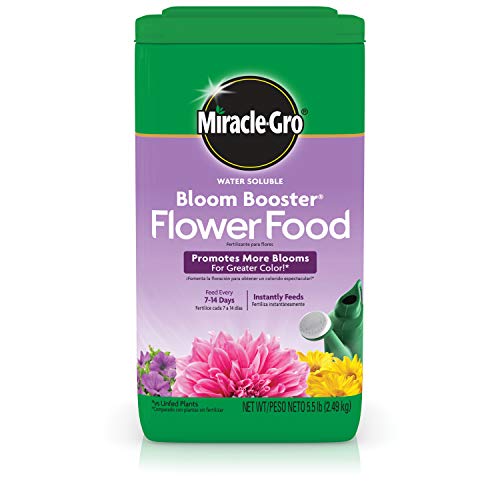
Miracle-Gro Water Soluble Bloom Booster Flower Food, 5.5 lb.

Espoma Organic Plant-Tone 5-3-3 All Purpose Plant Food 18 lb.
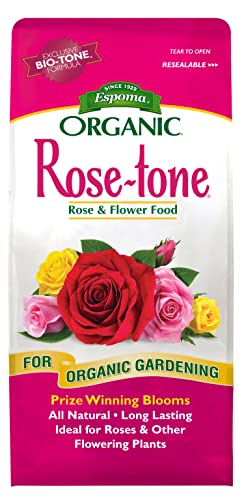
Espoma Organic Rose-Tone 4-3-2 Organic Fertilizer 4 lb. (Pack of 2)

Osmocote Smart-Release Plant Food Plus Outdoor & Indoor, 8 lb.
A Closer Look At Each Pick
This is the classic blue-crystal jug most people picture when they think about plant food. The water-soluble powder mixes straight into a watering can and feeds everything from container tomatoes to a hedge of hybrid teas. For a small backyard with two or three roses sharing space with other shrubs, it removes the guesswork: one jug, one scoop rate, every feeding.
You will see visible greening within days because the nutrients are immediately available to the roots. The six-pack format keeps a fresh jug ready when one runs out mid-summer. If you water by hand anyway, the routine slots in without extra gear.
Strong Points
- Fast-acting: nutrients are already soluble, so roses take them up the same watering session you feed them.
- Multi-purpose label, so the same jug covers flowers, vegetables, and shrubs beside your roses.
- Six-pack format spreads out and keeps one in the shed, one in the garage, and spares on hand.
- Works with any standard watering can, no special applicator required.
Trade Offs
- Needs reapplication every 7 to 14 days through the growing season, which adds up to a routine.
- Granular crystals can clump in humid sheds, so storage in a sealed container is wise.
Key Specs
Whose Garden It Belongs On
Beginners with a small mixed bed who want predictable, repeatable feeding and don’t mind mixing a watering can every week or two.
A Better Fit Elsewhere
Organic-only gardeners who want a slow-release, biologically active product should reach for Espoma Organic Plant-Tone 5-3-3 All Purpose Plant Food 18 lb. instead.
Worm castings are the quiet workhorse of the organic rose bed. The Wiggle Worm 30-pound bag covers a surprising amount of ground when you top-dress around the drip line of established shrubs or mix it into new planting holes. The texture is fine and earthy, almost like coarse coffee grounds, so it blends into mulch without any visible change.
Where synthetic feeds push quick nitrogen, this product rebuilds the soil itself, adding organic matter and feeding the microbial life that helps roses pull nutrients from deeper layers. Roses planted in tired, sandy, or clay-heavy ground tend to respond well over a full season of light applications.
The Case For It
- Slow-release feeding that won’t burn roots even when applied generously.
- Improves soil structure over time, especially in compacted beds.
- OMRI-listed organic certification fits organic-only gardening routines.
- 30-pound size covers a whole rose bed across multiple applications.
Points To Keep In Mind
- Lower nutrient numbers than synthetic feeds, so supplementing may be needed for heavy feeders.
- Heavy bag requires planning for storage and transport.
Right Fit For
Long-term soil builders with established rose beds and patience to wait for cumulative results over a season or two.
Reach For A Different Pick When
Container gardeners working with a small volume of potting mix should consider Miracle-Gro Water Soluble All Purpose Plant Food 1.5 lbs. (Pack of 6) for a faster nutrient response.
Planting day is when roses either take off or stall. Bio-Tone Starter Plus is built for that moment. The 4-3-3 analysis supplies a modest nitrogen-phosphorus-potassium trio, and the addition of both endo and ecto mycorrhizae gives new roots a fungal partner network to plug into. Mycorrhizae are beneficial fungi that attach to roots and extend their reach into the soil.
Mixing a handful into the backfill at planting sets up the root zone for faster establishment. The four-pound bag handles a small hedge of bare-root roses or a couple of container transplants without waste.
What Earns Its Place
- Contains both endo and ecto mycorrhizae, useful across a wide range of ornamentals.
- Modest 4-3-3 nutrient ratio avoids burning tender new roots.
- Bio-tone organic blend supports microbial activity around the root ball.
- Easy to mix into backfill at planting time without measuring fuss.
Where It May Fall Short
- Designed for planting and transplanting, not ongoing feeding through the season.
- Small bag means a larger order is needed for commercial-scale plantings.
Who Will Love This
New rose planters setting up a bed for the first time and wanting the root zone jump-started from day one.
Where Another Pick Suits Better
Garden owners maintaining established roses through summer should look at Espoma Organic Rose-Tone 4-3-2 Organic Fertilizer 4 lb. (Pack of 2), which is tuned for ongoing bloom cycles.
Holly-Tone isn’t a rose food in name, but the 4-3-4 analysis and Bio-tone microbes make it a natural fit for rose beds planted next to azaleas, rhododendrons, and other acid-loving shrubs. If your soil runs toward the acidic side or you’re building a mixed shrub border where roses share space with camellias and hydrangeas, this bag covers both groups in one pass.
The 36-pound size is generous, so it’s worth it if you have a wide border or several large foundation plantings to feed. The granular texture spreads evenly with a handheld scoop and breaks down slowly across the season.
Practical Pluses
- Bio-tone formula supports microbial activity around the root zone.
- Multi-plant label covers azaleas, rhododendrons, hydrangeas, and roses together.
- Slow-release organics feed consistently without forcing a flush of soft growth.
Less-Strong Areas
- Specifically tuned for acid-loving plants, so it isn’t a fit for every rose bed.
- Large bag requires dry, sealed storage to keep granules from clumping.
Best Suited To
Garden owners with mixed shrub borders where roses share root space with acid-loving plants.
Not Your Match When
Gardeners growing roses in a dedicated alkaline-soil bed should choose Espoma Organic Plant-Tone 5-3-3 All Purpose Plant Food 18 lb. for a more neutral formulation.
Kelp meal isn’t a primary fertilizer, and the 1-0-2 analysis makes that obvious. What it brings to a rose bed is the long list of trace minerals and natural growth hormones that Ascophyllum nodosum, the Norwegian kelp used here, accumulates from cold ocean water. Roses that already get a balanced base feed often look noticeably better when kelp is added to the rotation.
The 12-pound resealable bag keeps the meal fresh between applications. Sprinkle it around the drip line in early spring and again midseason for a steady mineral lift. The resealable format is the small detail that prevents the dusty meal from absorbing humidity and going hard in the bag.
Key Advantages
- Wide spectrum of trace minerals supports overall plant vigor.
- Organic composition fits into any natural-feeding program.
- Resealable bag keeps the meal usable across multiple seasons.
A Few Limitations
- Low macronutrient numbers mean it can’t stand alone as a primary food.
- Strong marine scent when first applied can linger briefly until watered in.
At A Glance
Made For
Roses already receiving a balanced base feed where a mineral supplement will round out the program.
Look Elsewhere When
First-time planters needing a complete food in one bag should pick Espoma Organic Plant-Tone 5-3-3 All Purpose Plant Food 18 lb. for a full-spectrum organic base.
For gardeners with more than a handful of roses, the 10-pound jug avoids the constant repurchasing that smaller sizes demand. The same water-soluble blue crystals from the smaller 1.5-pound jug come in a single large container that lasts a full season for a sizeable collection.
If you keep roses in containers on a patio, water in-ground shrubs, and feed a vegetable patch on the side, the bulk format simplifies the shed. One container, one scoop rate, the same fast-acting greening across the whole yard.
Points In Its Favor
- 10-pound size fits larger collections without midseason repurchasing.
- Same fast-acting soluble format as smaller sizes for predictable results.
- Multi-use label covers vegetables, flowers, and shrubs in one product.
Honest Caveats
- Larger jug needs a dry storage spot to keep crystals from caking.
- Same fortnightly feeding schedule as the smaller sizes, which adds up across a full season.
Who Should Grab It
Roses-and-everything-else gardeners with multiple beds who’d rather buy once and store the rest in a dry bin.
Skip It When
Organic-leaning gardeners should reach for Wiggle Worm 100% Pure Organic Worm Casting Fertilizer, 30lb as a slower, biological alternative.
Bloom Booster is the rose food aimed squarely at flower production. The higher phosphorus ratio nudges energy toward bud set rather than leafy growth, which lines up with what most gardeners actually want from roses: more flowers, longer stems, richer color. The water-soluble format keeps the action fast, which makes it a natural midseason pick-me-up when the first flush starts to fade.
The 5.5-pound container hits a sweet spot for the small-to-mid-size rose garden. Mix it with a watering can or a hose-end feeder and apply every week or two during active growth. It also fits other annual and perennial flowers, so surplus feeds the rest of the cutting garden.
The Practical Payoff
- Higher phosphorus ratio encourages bud set and stem strength.
- Water-soluble powder works with any standard watering can or feeder.
- Works across annual and perennial flowers beyond roses.
Trade-Offs To Consider
- Focused on bloom push, so it shouldn’t replace a balanced base feed for the whole season.
- Reapplication every 7 to 14 days keeps roses on a strict schedule.
Feature Snapshot
Perfect Match For
Rose gardeners chasing more blooms per stem and willing to feed on a tight midseason schedule.
Swap It Out When
Container roses or indoor flowering plants benefit more from the all-purpose format of Miracle-Gro Water Soluble All Purpose Plant Food 1.5 lbs. (Pack of 6).
Plant-Tone is the slow-and-steady option in the Espoma line, designed to feed everything from tomatoes to climbing roses out of the same bag. The 5-3-3 analysis carries slightly more nitrogen than Rose-Tone, which suits roses during their early leafy growth phase. The Bio-tone microbial blend adds the biological lift that organic-only programs rely on.
An 18-pound bag covers a generous rose garden across the season when applied monthly around the drip line. It also feeds adjacent flower and vegetable beds, so the same bag handles a whole backyard’s worth of feeding without juggling multiple products.
Strengths Worth Knowing
- All-purpose label covers flowers, vegetables, trees, and shrubs in one bag.
- Bio-tone microbes feed soil biology, not just the plant.
- Slow-release organics reduce the risk of nutrient burn on tender roots.
- 18-pound size suits mid-size gardens across a full growing season.
A Few Limitations
- Granular format means slower visible response than water-soluble options.
- Heavy bag requires dry storage to keep granules usable.
Who It Suits Best
Organic-leaning gardeners tending mixed beds where roses share space with vegetables, perennials, and shrubs.
Consider Something Else When
Dedicated rose gardeners chasing peak bloom performance should consider Espoma Organic Rose-Tone 4-3-2 Organic Fertilizer 4 lb. (Pack of 2) for a rose-specific formulation.
Rose-Tone is the dedicated rose product in the Espoma line, and it shows in the details. The 4-3-2 analysis leans toward bloom support over leafy growth, which matches what repeat-blooming roses actually need during their active season. The label covers everything from hybrid teas and floribundas to climbers and knockout types, plus flowering companions like clematis and bougainvillea.
The two-pack of four-pound containers keeps a fresh bag on hand while the other is in use. Sprinkle around the drip line monthly from spring through summer and water in well. The Bio-tone blend supports soil biology alongside the slow-release nutrients.
What It Does Well
- Rose-specific 4-3-2 analysis tuned for bloom production over leaf push.
- Covers all major rose types plus flowering companions like clematis and viburnum.
- Bio-tone organic blend supports microbial activity around roots.
- Two-pack format keeps one bag sealed and fresh through the season.
Soft Spots
- Rose-specific label means it isn’t the bag to reach for in a mixed vegetable bed.
- Granular format works slower than liquid feeds for visible response.
Quick Facts
Built With In Mind
Dedicated rose gardeners tending multiple shrubs who want one organic product matched to the crop through the entire growing season.
A Better Fit Elsewhere
Vegetable gardeners wanting a single bag for the whole food garden should pick Espoma Organic Plant-Tone 5-3-3 All Purpose Plant Food 18 lb. for broader coverage.
Osmocote uses a controlled-release granule technology: each prill is coated to release nutrients gradually as soil temperatures fluctuate through the season. A single spring application can keep roses supplied for up to six months, which removes the biweekly feeding chore from the gardening calendar entirely.
The eight-pound jug covers a generous rose bed and also handles container plants, foundation shrubs, and indoor houseplants. It’s the right pick for gardeners who travel in summer, manage large properties, or simply prefer a single annual feeding over a strict midseason schedule.
Positive Takeaways
- Smart-release prills feed steadily for up to six months per application.
- Works across outdoor roses, container plants, and indoor houseplants.
- One annual application removes the biweekly feeding chore.
- Granular format is easy to broadcast around the drip line.
Things To Weigh
- Higher upfront cost per jug than water-soluble options that you mix per feeding.
- Slow-release format means less control over a quick midseason boost.
Feature Card
The Right Fit
Busy or travel-heavy gardeners who want steady feeding without tracking a midseason schedule.
Not Your Match When
Organic-only gardeners should consider Wiggle Worm 100% Pure Organic Worm Casting Fertilizer, 30lb for a biological, soil-building alternative.
What Matters Most When Choosing Plant Foods For Roses
Picking a rose fertilizer is less about chasing the highest numbers on the bag and more about matching the format to your gardening rhythm. Fast-acting water-soluble powders like the Miracle-Gro options give visible results within days, which helps when roses are visibly struggling midseason. Slow-release granular organics like the Espoma line and Wiggle Worm castings feed the soil itself, building structure and microbial activity that pays off across multiple seasons. Controlled-release prills like Osmocote split the difference, feeding steadily for months after a single application.
Match the NPK ratio to the growth phase. Higher nitrogen (the first number) supports leafy spring growth, while higher phosphorus and potassium (the second and third numbers) encourage bud set and stem strength during bloom. For repeat-blooming roses, a balanced or slightly bloom-leaning ratio through summer tends to outperform a high-nitrogen feed that pushes leaves at the expense of flowers.
Consider what else shares the bed. A dedicated rose garden can take a rose-specific product like Espoma Organic Rose-Tone 4-3-2 Organic Fertilizer 4 lb. (Pack of 2). A mixed border with azaleas and hydrangeas might run better with Espoma Organic Holly-Tone 4-3-4 Evergreen & Azalea Plant Food 36 lb. A yard that includes vegetables benefits from an all-purpose organic like Espoma Organic Plant-Tone 5-3-3 All Purpose Plant Food 18 lb., which handles the whole food garden without juggling formulas.
Application timing matters as much as product choice. Roses are heavy feeders during their active growth phase, typically from early spring through late summer, but they appreciate a rest in extreme heat and a final light feed in early fall to prepare for dormancy. Synthetic water-soluble feeds need reapplication every week or two, while granular organics and controlled-release prills cover the season with one or two passes.
Pitfalls Shoppers Hit and Where The Extra Money Goes
Where Shoppers Go Wrong
The most common mistake is buying a high-nitrogen lawn fertilizer and assuming it’ll work on roses. Lawn feeds push leaf growth at the expense of flowers and can leave roses vulnerable to disease by forcing soft, sappy growth. Always look for a product labeled for flowering plants, with a balanced or bloom-leaning NPK ratio.
Another trap is overfeeding. More fertilizer doesn’t mean more blooms, and excess nutrients can burn roots, leach into groundwater, and actually reduce flower production. Follow the label rates, and remember that slow-release products need fewer applications than water-soluble ones.
Finally, ignoring soil pH leaves many rose beds underperforming. Roses tolerate a wide pH range, but acid-loving companions like azaleas need lower numbers, and nutrient availability shifts as pH moves. A simple soil test every couple of years prevents years of guesswork.
When Paying More Pays Off
Higher-tier rose foods typically invest in biological additives like Bio-tone microbes, mycorrhizae, or kelp-derived trace minerals. These don’t show up in the NPK analysis but support soil health and long-term nutrient uptake. For gardeners rebuilding tired beds or growing roses in challenging soil, that biological component is often what tips the balance toward a productive season.
Controlled-release technology like Osmocote’s coated prills also commands a premium because the manufacturing process is more involved. The payoff is convenience: one spring application replaces the entire summer feeding schedule, which makes the higher upfront cost worthwhile for busy gardeners or anyone managing a larger property.
Frequently Asked Questions
How often should roses be fertilized during the growing season?
Water-soluble rose foods typically need reapplication every 7 to 14 days through active growth. Granular organic feeds usually work on a monthly schedule. Controlled-release options like Osmocote can last up to six months from a single spring application. The right frequency depends on the format you choose and how hungry your particular roses look.
Are organic rose fertilizers better than synthetic ones?
Neither is universally better, and each has trade-offs. Organic feeds build soil biology and release nutrients slowly, which suits long-term bed health. Synthetic feeds deliver nutrients immediately and produce faster visible results. Many experienced rose gardeners combine the two: an organic base feed for soil health plus a targeted synthetic boost during peak bloom.
Can the same fertilizer work for roses and other flowering shrubs?
Many products on this list, including Espoma Organic Plant-Tone 5-3-3 All Purpose Plant Food 18 lb. and Osmocote Smart-Release Plant Food Plus Outdoor & Indoor, 8 lb., are formulated to cover multiple flowering and foliage plants in the same bag. If your roses share beds with other shrubs, an all-purpose product simplifies storage and feeding routines.
What’s the best fertilizer for newly planted roses?
A starter product with mycorrhizae, like Espoma Organic Bio-Tone Starter Plus 4-3-3 Plant Food 4 lb., supports root establishment better than a general feed in the first season. Mix it into the backfill at planting and follow with a balanced rose-specific feed once new growth is established.
Is a higher NPK number always better for roses?
No, and chasing the highest numbers can actually hurt flower production. Excess nitrogen pushes leafy growth at the expense of blooms and creates soft growth that’s more vulnerable to disease. A balanced or bloom-leaning ratio, with the second and third numbers at least equal to or higher than the first, tends to produce better flowering on roses.
The Takeaway
Feeding roses well comes down to matching a format and nutrient ratio to your garden rhythm and the planting setup you actually have. Fast-acting liquids suit gardeners who enjoy the weekly routine. Slow-release organics reward patience with stronger soil over seasons. Controlled-release prills handle the whole season from one spring pass. Pick the format that fits how you garden, and the rest is just sticking to the schedule.
