

Tomatoes are hungry feeders, and the soil under them rarely stays rich on its own past the first season. The right fertilizer turns pale leaves and split skins into stocky vines loaded with fruit, which matters whether you’re running a single raised bed or a backyard full of cages. Pick a formula tuned to your soil’s shortfalls and you’ll spend less time nursing yellowing foliage and more time picking.
The Choices Worth Comparing
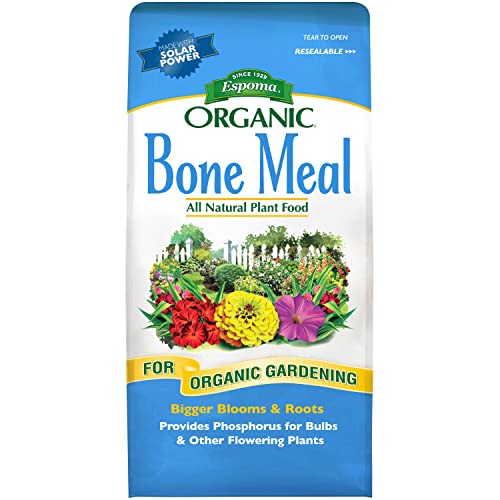
Espoma Organic Bone Meal Fertilizer 4-12-0, 8 lb

Whitney Farms Organic Bone Meal 6-8-0, 3 lb

Great Big Tomatoes Fertilizer Booster, 1 Gallon

Athena Blended PK Bloom Booster 0-4-5, 1 Gallon

Farmer’s Secret Tomato Booster, 32 oz

Tank’s Green Stuff 100% Organic SuperMix, 10 lb
The Strengths Of Each Pick
Tomatoes set the bulk of their future harvest in the first weeks after transplant, when roots stretch out and flowers start forming. Bone meal, a ground natural source of phosphorus and calcium, feeds that early push, and Espoma’s 4-12-0 formula leans into it hard. The 8 lb bag covers a generous run of transplants, and the granular texture mixes cleanly into planting holes or top-dressed beds.
For organic gardeners who prep beds in spring, this is the kind of bag that earns its keep year after year. Compared to the liquid picks further down this list, Espoma works slower but holds the soil in steady release for weeks.
Bright Spots
- 4-12-0 ratio front-loads phosphorus, the nutrient tomatoes pull hardest during root and flower formation.
- Granular form blends into soil at planting time without burning tender roots when measured correctly.
- Large 8 lb bag stretches across multiple beds or several seasons of small beds.
- Suited to organic gardening standards, fitting beds planted with other edibles.
Trade Offs
- Bone meal breaks down slowly, so mid-season corrections call for a faster-acting liquid feed.
- Granules can clump in humid sheds, which makes scooping messy.
Key Product Details
Made For
Organic gardeners prepping beds or transplant holes at planting time who want a steady phosphorus base.
Consider Something Else When
Reach for the Farmer’s Secret Tomato Booster if you garden in containers and need a water-soluble feed you can mix each week.
Whitney Farms splits the difference between Espoma’s phosphorus-heavy blend and a balanced fertilizer, landing at 6-8-0 with a softer nitrogen lift. That extra nitrogen helps young transplants push leafy growth before they switch to flowering, which matters in cool springs where tomatoes stall out. The 3 lb size is friendly to small beds and a few patio pots.
Where the Espoma leans all-in on phosphorus, this Whitney Farms bag gives a touch more green-up early. You trade some staying power for a more well-rounded start, and most home growers won’t notice the difference.
The Case For It
- 6-8-0 ratio still pushes phosphorus but adds nitrogen for early leafy growth.
- Smaller 3 lb bag suits apartment gardens, patio pots, and short growing seasons.
- Organic composition fits beds planted alongside other edibles.
- Granular form spreads easily by hand into planting holes and beds.
Worth Noting
- Smaller bag means more frequent repurchasing on larger plots.
- Lower phosphorus than the Espoma, so heavy-feeding beds may still want a bloom-boosting side-dress later.
Right Fit For
Patio growers with a handful of tomato pots who want a balanced organic starter without buying in bulk.
A Better Fit Elsewhere
Skip to Tank’s Green Stuff SuperMix if you grow tomatoes alongside peppers, herbs, and flowers and want one bag for the whole bed.
Liquid boosters earn their place mid-season, when established vines are setting fruit and pulling hard on soil reserves. Great Big Tomatoes flows to the root zone, which is where uptake actually happens, and a single 1 gallon jug lasts across many weekly feedings. Where the bone meal picks set the stage at planting, this one carries the show through fruiting.
It also doubles as a feed for the wider vegetable garden, so peppers, squash, and cukes benefit from the same jug. Compare that to the Espoma’s targeted phosphorus push, and you have a clear early-versus-mid pairing rather than a straight swap.
A Favorable Mix
- Liquid form reaches the root zone faster than granular amendments.
- Works on tomatoes and the rest of the vegetable patch, not just one crop.
- 1 gallon jug stretches across many feedings in a typical backyard.
- Helpful during the fruiting phase when soil nutrition gets depleted.
Minor Gripes
- Liquid format needs mixing or measuring each application, which adds routine.
- Spills are messy on paved patios, so pour carefully near walkways.
Built With In Mind
Growers with established vines in mid-summer who need a quick-acting feed during fruiting.
Look Elsewhere When
Pick the Athena PK Bloom Booster instead if you want a precise phosphorus-potassium blend without the broader vegetable garden framing.
When tomatoes hit the flowering phase, the nutrient ratio they crave shifts from nitrogen-heavy toward phosphorus and potassium. Athena’s 0-4-5 delivers exactly that, with zero nitrogen to keep vines from getting lush and leafy at the wrong moment. The fully soluble formula is built for clean irrigation lines, so it integrates into dosing systems without extra mixing.
The 0-4-5 ratio is precise, which is why serious growers keep a bottle of this around even when they use a general feed elsewhere. Think of it as the bloom-phase specialist sitting next to the broader boosters.
What Makes Sense
- Zero-nitrogen blend keeps plants from going leafy when they should be flowering.
- Soluble formula stays clean in drip lines and irrigation dosers.
- Supports flower production directly during the bloom window.
- 1 gallon size fits multi-plant feeding schedules across a full season.
Points To Note
- Specialty positioning means it complements, rather than replaces, a base fertilizer.
- More technical than a casual watering-can feed, so beginners may want a starter option first.
Quick Facts
Best Suited To
Growers with irrigation setups who want a clean, no-nitrogen PK booster for the flowering stretch.
Swap It Out When
Reach for Farmer’s Secret Tomato Booster if you’re hand-watering in containers and want a broader 3-8-7 ratio that covers the whole life cycle.
Farmer’s Secret takes a different angle: a concentrated 3-8-7 liquid with humic acid, iron, and calcium folded in. Two teaspoons per gallon of water feeds a plant for the week, and that kind of concentration means the 32 oz bottle lasts longer than it looks. Humic acid helps roots take up minerals, while iron and calcium handle the deficiencies that cause yellowing leaves and blossom-end rot.
It’s formulated for the full life cycle, so you don’t have to swap bottles as the season shifts. That makes it the closest thing on this list to a one-bottle routine.
Useful Highlights
- Highly concentrated formula, where two teaspoons per feeding stretch a small bottle across many weeks.
- 3-8-7 ratio plus humic acid, iron, and calcium covers the full season in one bottle.
- Liquid format mixes easily into watering cans for container gardens.
- Useful across all tomato varieties from cherry types to large slicers.
Things To Consider
- Small bottle size means heavy feeders with many plants will run out faster.
- Dilution accuracy matters more than with pre-mixed liquids, so a measuring spoon helps.
Who Should Grab It
Container gardeners with a handful of tomato pots who want a single bottle that handles the whole season.
Reach For A Different Pick When
Pick the Great Big Tomatoes Fertilizer Booster instead if you need a larger jug for in-ground beds across a full vegetable garden.
Tank’s Green Stuff takes a different approach than the targeted tomato picks on this list. The SuperMix is a broad organic fertilizer that goes on tomatoes, peppers, flowers, fruit trees, and even cactus, which is why it’s the bag to grab if you maintain a whole backyard rather than just a single bed. The 10 lb size is generous enough to cover a season across multiple garden zones.
It’s the casual pick for gardeners who don’t want to think in ratios. You won’t get the laser-focused phosphorus push of the Espoma, but you also won’t be juggling specialty bottles for every crop.
What Helps Most
- 10 lb bag covers tomatoes, veggies, flowers, and even houseplants like cacti.
- Organic composition fits gardens that avoid synthetic feeds.
- One-bag solution for gardeners who maintain mixed beds.
- Suited to adeniums, veggies, flowers, trees, fruits, and cactus alike.
A Few Limitations
- Broad-purpose formula won’t push tomato yields as hard as a tomato-specific ratio.
- Large bag takes up shed space and benefits gardeners with multiple beds to fill.
Feature Snapshot
Whose Shelf It Belongs On
Backyard gardeners who maintain tomatoes alongside peppers, flowers, and fruit trees and want one bag for everything.
Not Your Match When
Choose the Espoma Bone Meal instead if tomatoes are your primary crop and you want a phosphorus push tailored specifically to root and bloom development.
What Matters When Choosing Plant Foods For Tomatoes
Tomato nutrition runs on three numbers, written on every bag as N-P-K: nitrogen for leafy growth, phosphorus for roots and blooms, and potassium for fruit quality and disease resistance. A balanced 5-5-5 works for general beds, while a phosphorus-leaning formula like 4-12-0 gives transplants a stronger start. Mid-season, the ratio shifts toward potassium and phosphorus once flowers appear, which is why some growers keep two formulas on the shelf.
Match the format to your routine. Granular bone meals and dry mixes work at planting time and release slowly through the season, so they fit low-maintenance beds. Liquid concentrates act fast and let you adjust weekly, which is helpful in containers or when leaves start signaling deficiencies.
Container tomatoes need smaller, frequent feedings because pots hold limited soil and roots can’t reach beyond the pot wall. In-ground beds tolerate bigger applications spaced further apart, and a single spring amendment often carries through early summer.
Calibrated feeding prevents blossom-end rot, the sunken black patch that shows up on fruit bottoms when calcium uptake falters. A fertilizer with calcium, or a separate calcium supplement added during fruit set, addresses the issue without overloading nitrogen.
Key Considerations Across These Picks
Pitfalls Shoppers Hit
Treating every fertilizer as interchangeable is the most common slip. A lawn fertilizer on tomatoes burns roots and greens up leaves without feeding fruit, while a tomato-specific ratio keeps growth balanced. Reading the N-P-K on the bag takes a few seconds and saves a whole season of underwhelming harvests.
Overfeeding during the heat of summer is a quieter mistake: leaves curl, fruit set stalls, and the plant spends its energy pushing foliage instead of ripening tomatoes. Following label rates matters more than pouring on “extra” for safety, especially with concentrated liquids.
What The Higher Tier Buys
The premium liquid options on this list, like the Athena PK booster, cost more because they deliver a precise 0-4-5 ratio with zero fillers and clean solubility for drip lines. The extra money buys accuracy: you know exactly what each feeding delivers, with no sediment to clog emitters.
For gardeners running irrigation systems or maintaining larger beds, that precision pays off in consistent fruit quality across many feedings. Casual container growers may not need that level of control, and a broader organic bag like Tank’s Green Stuff covers their needs at a friendlier entry point.
Frequently Asked Questions
When should I start feeding tomatoes after transplant?
Wait about two weeks after transplanting so roots settle, then begin with a half-strength liquid feed or a granular side-dress. Starting too early risks burning tender new roots before they establish.
Can I use the same fertilizer for tomatoes and peppers?
Yes, both crops share similar nutrient needs, so any balanced or tomato-rated fertilizer works for peppers too. Broad blends like Tank’s Green Stuff handle mixed beds without juggling multiple bags.
How often should I feed tomatoes during fruiting?
Liquid feeds typically go on every one to two weeks, while granular amendments stretch to monthly or season-long applications. Watch the plant: pale leaves or stalled fruit set signal it’s time for another feeding.
Is organic fertilizer better than synthetic for tomatoes?
Organic options build soil health over time and release nutrients slowly, which suits most home gardens. Synthetic liquid feeds act faster, which helps during the fruiting phase when plants pull hard on soil reserves.
Do tomatoes need calcium supplements?
Blossom-end rot signals a calcium uptake issue, often triggered by inconsistent watering rather than missing soil calcium. A fertilizer with added calcium, paired with steady moisture, usually prevents the problem.
