

Healthy plants start long before the first leaf unfurls. The right medium gives roots oxygen, holds moisture without suffocating them, and stays loose enough to push through. From compressed seed-starting discs to mineral-rich bonsai grit, this roundup covers ten solid picks across categories that actually matter for indoor and outdoor growing. Container gardeners, balcony growers, and backyard rose collectors should each find something that fits.
How The Shortlist Stacks Up

FarmTek Horticultural Vermiculite Planting Soil Additive 4-Cubic Feet

Legigo 4 Quarts Organic Perlite Soil Mix Amendment
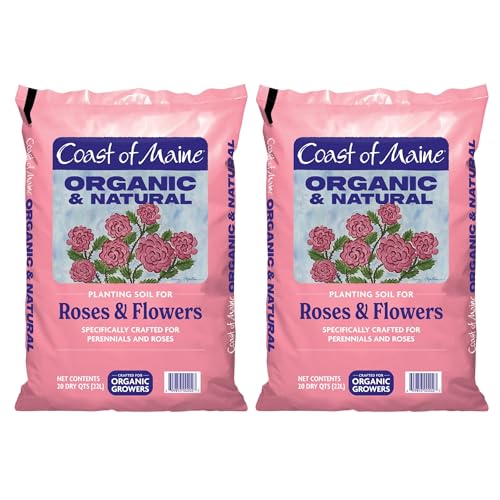
Coast of Maine Roses and Flowers 20qt Planting Soil (Pack of 2)

Legigo 15 Quarts Organic Perlite Soil Mix Amendment

Legigo 20 Quarts Organic Perlite Soil Mix Amendment

NOHOBE Hard Akadama Bonsai Soil 1/8-1/4 inch (2.5lb)

Halatool 100 Pcs 30mm Peat Pellets Seed Starter Soil

Halatool 55 Pcs 30mm Peat Pellets Seed Starter Soil

200 Pcs 30mm Peat Pellets Block Potting Soil for Gardeners

Halatool 300 Pcs 30mm Peat Pellets Seed Starter Soil
A Closer Look At Each Pick
Vermiculite is a heat-expanded mineral that behaves a bit like a sponge with structural backbone, and FarmTek’s 4-cubic-foot bag gives you enough to amend a lot of soil at once. For most raised beds and big container projects, this volume means you can mix it into the top six inches of an 8×4 bed without rationing. The lightweight flakes slip into clay-heavy ground and loosen it, while still holding water near the root zone where plants actually drink.
Because vermiculite is mineral-based, it won’t shift your soil’s pH or introduce organic matter that breaks down mid-season. That’s a quiet advantage for growers who want consistency across years.
Real Benefits
- Holds water and nutrients in the root zone, releasing them slowly between waterings
- Loosens compacted soil in containers and raised beds without changing pH
- 4-cubic-foot size covers large projects, so you avoid mid-season top-up runs
- Inorganic and sterile, which keeps weeds and pathogens out of the mix
- Lightweight texture is easy to blend into existing garden soil by hand
Things To Consider
- Vermiculite alone is not a complete medium, so it needs to be paired with compost or topsoil
- For most home gardens, the 4-cubic-foot volume can feel oversized for a single small bed
- Storage in damp sheds can lead to clumps that don’t break apart easily later
Key Specs
Built With In Mind
Serious raised-bed growers and anyone filling multiple large containers at once get the most value from this bag size.
Swap It Out When
Coast of Maine Roses and Flowers 20qt Planting Soil (Pack of 2) is the better match when you want a finished organic blend rather than a mineral additive to mix yourself.
Perlite is volcanic glass that’s been heated until it pops into white, porous pebbles, and Legigo’s 4-quart bag is sized for small projects. For most windowsill growers tending a handful of succulents, this is plenty for a few rounds of repotting without leaving half a bag open on a shelf. The coarse grade works well as a top dressing too, keeping cactus soil from splashing and helping moisture evaporate cleanly.
Perlite’s main job is creating air pockets so roots don’t sit in soggy soil. This bag makes that fix possible without buying more than you need.
Where It Excels
- Coarse, evenly sized particles suit succulent and cactus top-dressing
- pH-neutral volcanic stone won’t interfere with feeding routines
- Small 4-quart size fits apartment storage and trial mixes
Trade Offs
- The light particles tend to float up when you water, so a top layer often needs replacing
- Dust at the bottom of the bag is common and should be sifted before use on seedlings
Whose Shelf It Belongs On
Windowsill succulent collectors and apartment growers who only need a few cups at a time.
Look Elsewhere When
Legigo 20 Quarts Organic Perlite Soil Mix Amendment suits gardeners repotting many houseplants in one session, since it cuts down on bag-to-bag dust and refilling.
Unlike the mineral-based picks earlier on this list, Coast of Maine’s blend is a finished organic compost mix designed to be used straight from the bag. For most flower bed renovations, you can dig a hole, drop in the plant, and backfill with this without blending anything extra. The formula aims at roses, annuals, and perennials that crave moisture balance and steady nutrition through bloom season.
The OMRI-listed label matters for organic gardeners who want compliance with their gardening practices.
What Earns Its Place
- Ready-to-use organic blend means no extra mixing at planting time
- Balances moisture retention and drainage for steady flowering through the season
- Listed for organic use, which suits nature-focused gardening practices
- Works equally well in containers and established flower beds
Points To Note
- Higher organic content means it can dry out faster in mid-summer than mineral-heavy mixes
- The pack-of-two format takes up significant shed or garage space
Feature Snapshot
Right Fit For
Rose gardeners and flower border growers who want a finished organic medium they can plant into immediately.
Not Your Match When
FarmTek Horticultural Vermiculite Planting Soil Additive 4-Cubic Feet is the better pick when you need to amend existing heavy clay rather than fill a bed with finished soil.
The 15-quart option from Legigo lands in the middle of the perlite lineup, sized for someone repotting a shelf of houseplants in a single afternoon. For most indoor gardeners, this is the sweet spot between the tiny 4-quart bag and the larger 20-quart option. The coarse particles pull water away from roots efficiently, which matters for cactus mixes and any plant that’s quick to rot in damp soil.
Because perlite is volcanic and pH-neutral, you can fold it into peat-based or coco coir blends without worrying about chemistry shifts.
Where It Helps
- Mid-sized bag avoids leftover clutter on small balconies
- Coarse grade drains fast, ideal for cactus and carnivorous plant blends
- pH-neutral so it won’t fight with fertilizers in the mix
Honest Caveats
- The dust at the bottom of the bag calls for a quick sift before use
- Lightweight particles float during overhead watering, so consider bottom-watering
Who Should Grab It
Cactus and houseplant growers repotting several pots at once on a weekend.
Another Choice May Suit
Legigo 4 Quarts Organic Perlite Soil Mix Amendment is the smarter buy for someone who only tends one or two small pots and wants a smaller footprint.
The 20-quart bag is the largest perlite option in Legigo’s lineup, aimed at growers who mix their own soil in batches. For most container gardeners refreshing a dozen pots each spring, this volume keeps you from running out mid-project. The coarse grade pulls water through efficiently, which makes it a natural fit for any blend where root rot is the bigger risk than drought.
Because perlite is sterile and inert, it brings structure without introducing anything that could compete with your plants.
Notable Gains
- Large volume supports repeated batch mixing across seasons
- Coarse particles create reliable drainage in cactus and succulent blends
- pH-neutral stone won’t interfere with nutrient regimens
- Even sizing helps blend consistency across pots
Worth Bearing In Mind
- The bag is bulky to store and benefits from being kept dry
- Some sift-through of fines at the bottom is common before use
Quick Facts
Made For
Container gardeners mixing their own cactus, succulent, or carnivorous plant blends on a regular basis.
Reach For A Different Pick When
NOHOBE Hard Akadama Bonsai Soil 1/8-1/4 inch (2.5lb) is the right call for bonsai and conifer growers who need a denser mineral substrate rather than light perlite.
Akadama is a Japanese clay-like mineral that’s been a bonsai staple for decades, and NOHOBE’s hard-grade small grain is sized for younger trees and smaller pots. For most bonsai growers working with 1/8 to 1/4 inch particles, this drains quickly while still holding moisture in a way perlite can’t match. The grains darken visibly when wet, which gives you a clear visual cue for watering decisions.
Unlike the perlite options earlier in this roundup, akadama is denser and heavier, anchoring top-heavy trees in shallow pots.
Why It Works Well
- Hard-grade grains hold shape through multiple watering cycles
- Color shift when wet acts as a built-in watering cue
- Small 1/8 to 1/4 inch grain suits young trees and shallow containers
- Mineral composition prevents the compaction perlite can show over time
Some Limits To Know
- 2.5-pound bag covers only a few small repots, so larger collections need multiple bags
- Akadama breaks down over years and needs full replacement at each repot cycle
Who It Suits Best
Bonsai enthusiasts and conifer container growers who want a traditional mineral substrate with reliable moisture cues.
Where Another Pick Suits Better
Legigo 20 Quarts Organic Perlite Soil Mix Amendment is a better fit for cactus growers who need a lighter, cheaper, perlite-only base.
Peat pellets are compressed discs of soil wrapped in a thin mesh, and Halatool’s 30mm size expands to roughly 1.8 inches tall once watered. For most first-time seed starters, the format removes the mess of filling trays with loose mix. You drop the dry pellet in a tray, add warm water, and wait for the disc to swell into a planting cell ready for seeds.
The breathable non-woven cover holds the soil together when transplanting, which means less root disturbance.
Where It Delivers
- Compact dry size is easy to store in a kitchen drawer until planting day
- Expansion is fast and predictable once warm water is added
- Mesh wrap keeps soil intact during transplant, easing root shock
- 100 pellets suit gardeners starting a flat or two of seedlings
Potential Drawbacks
- Peat-only pellets have limited nutrition, so seedlings need liquid fertilizer after true leaves appear
- Pellets dry out faster than open trays and call for attentive watering
Perfect Match For
First-time seed starters and windowsill growers who want a tidy, low-mess way to germinate herbs or flowers.
Skip It When
Halatool 55 Pcs 30mm Peat Pellets Seed Starter Soil is the better choice for anyone who only wants to trial a small handful of seeds at once.
The 55-pack of Halatool peat pellets suits someone who only wants a small batch on the go, like a couple of herb varieties on a kitchen counter. For most casual starters, that’s plenty without committing to a hundred pellets that may sit around past their useful life. The same 30mm dry size expands to roughly 1.8 inches after watering, giving each seed enough depth to push out roots before transplanting.
The compressed format keeps the bag small enough to tuck in a drawer, which matters for apartment growers tight on space.
What Stands Out
- Smaller pack avoids waste for one-season trial plantings
- Compact dry size stores easily in small kitchens and apartments
- Mesh wrap keeps each seedling’s root ball intact during transplant
Room For Improvement
- Lower count can run short for gardeners planting multiple seed varieties at once
- Limited nutrition in peat means seedlings need feeding once leaves emerge
Best Suited To
Casual herb gardeners and apartment dwellers trialing a few seed varieties at a time.
A Better Fit Elsewhere
Halatool 100 Pcs 30mm Peat Pellets Seed Starter Soil is the smarter buy once you’re confident you want to start a full flat of seedlings each season.
Stepping up to 200 pellets puts a serious seed-starting operation within reach, sized for vegetable gardeners prepping spring transplants. For most backyard growers running multiple seed trays at once, this count covers tomatoes, peppers, and herbs in one purchase. The same 30mm compressed format expands with water, so each pellet becomes a tidy individual cell without tray-filling mess.
Compared to the smaller Halatool packs earlier on this list, this one rewards gardeners who have a clear planting plan and somewhere to keep seedlings under light.
Positive Points
- 200-pellet count supports full trays of multiple vegetable varieties
- Compressed format keeps storage footprint small until planting day
- Mesh wrap holds root balls together at transplant time
- Even pellet size creates uniform cells for seed starting
A Few Limitations
- Large count can exceed what small-space growers realistically plant
- Peat-only medium needs liquid feeding once seedlings leaf out
Who Will Love This
Vegetable gardeners planning multiple trays of tomatoes, peppers, and herbs for spring transplanting.
Consider Something Else When
Halatool 55 Pcs 30mm Peat Pellets Seed Starter Soil is the right size for someone trialing one or two varieties before committing to a full planting plan.
The 300-pellet pack is the largest in Halatool’s peat pellet lineup, aimed at gardeners running a small greenhouse or selling transplants at a market stall. For most community gardeners and serious hobbyists, this count handles a full spring of starts across multiple varieties without reordering. The compressed format means the dry bag stays manageable until you’re ready to expand the pellets with water.
Depending on your planting calendar, you’ll want a spot with grow lights ready before expanding that many pellets at once.
Practical Pluses
- Highest pellet count for full greenhouse-scale seed starting
- Compact dry size keeps the unopened bag easy to store
- Non-woven mesh supports root balls through transplant
- Even expansion creates uniform planting cells across trays
Trade-Offs To Consider
- Volume can overwhelm casual gardeners who don’t need that many starts
- Compressed pellets lose moisture faster than open trays and need regular watering checks
Built With In Mind
Greenhouse growers and dedicated gardeners running community garden starts across many varieties.
Where A Sibling Pick Shines
200 Pcs 30mm Peat Pellets Block Potting Soil for Gardeners is the better balance for backyard gardeners who want plenty of starts without the largest bag format.
What Matters Most Before Choosing Planting Soils
Match The Medium To The Plant’s Roots
Perlite and vermiculite both loosen soil, but they do it differently. Perlite is porous stone that creates air pockets, so water drains through quickly. Vermiculite holds water and nutrients like a sponge and releases them slowly. For most cactus and succulent setups, perlite’s drainage wins. For moisture-loving flowers and vegetables, vermiculite’s water retention matters more. Coast of Maine’s organic blend lands on the moisture-retention side of that spectrum, which suits roses and annuals that hate drying out.
Granular Substrates Have Their Own Lane
Bonsai soil is a different category from seed-starting mixes or bagged compost. Akadama is a mineral clay that hardens after firing, giving bonsai roots structure while still letting oxygen in. For most casual houseplant growers, a perlite-amended potting mix is plenty, and akadama only earns its keep when you’re repotting trees in shallow ceramic pots where drainage and weight matter.
Compressed Pellets Simplify The Mess
Peat pellets collapse the tray-filling step into a single motion: drop, water, wait. For most beginners and anyone working in a small apartment, that format beats hauling bags of loose mix. The trade-off is that peat pellets have minimal nutrition, so seedlings need diluted liquid feed once true leaves appear, otherwise growth stalls before transplant day.
Key Considerations Across These Picks
Where Shoppers Go Wrong
Treating perlite and vermiculite like interchangeable fixes is the most common mistake. They serve different functions, and swapping one for the other changes how often you need to water. Another trap is buying the largest bag of peat pellets without checking that you actually have the tray space, light setup, and timing to start that many seedlings. For most home growers, the medium-sized packs beat the bulk formats unless a real planting plan is in place.
Where The Extra Money Goes
Specialty substrates like akadama cost more because the material is mined, graded, and packaged for a narrow use case. For most casual gardeners, the premium isn’t justified, and a perlite-amended mix handles most container plants well. The upgrade is worth it for bonsai growers who need mineral structure that perlite can’t replicate. OMRI-listed organic blends like Coast of Maine’s cost more because the inputs and certification process add up, and the price reflects sourcing rather than bag size alone.
Frequently Asked Questions
What Is The Difference Between Perlite And Vermiculite?
Perlite creates air pockets and improves drainage, while vermiculite holds water and nutrients in the root zone. For most cactus and succulent growers, perlite is the better pick. For moisture-loving flowers, vermiculite helps bridge gaps between waterings.
Can Peat Pellets Be Used For Vegetables?
Yes, peat pellets work well for starting tomatoes, herbs, and other vegetables indoors. For most seedlings, the pellets give enough root depth for transplant, though you’ll need to feed with diluted liquid fertilizer once true leaves appear since peat has limited nutrition.
How Much Vermiculite Should Be Mixed Into Potting Soil?
A common ratio is one part vermiculite to three or four parts potting soil for most container plants. For most raised beds, a two-inch top layer worked into the top six inches of soil improves moisture retention without waterlogging the bed.
Is Akadama Necessary For Bonsai?
Akadama isn’t strictly required, but it provides structure and a visual watering cue that perlite can’t match. For most bonsai growers, akadama is worth the upgrade for trees in shallow pots where drainage and weight matter more than cost.
Do Organic Planting Soils Need Extra Fertilizer?
Most organic blends like Coast of Maine’s provide baseline nutrition for the first growing season. For most heavy feeders, supplementing with a balanced organic fertilizer mid-season keeps blooms and fruit production steady through summer.
The Takeaway
The right medium depends on what you’re growing and how you water. Mineral additives fix structure, organic blends feed blooms, and compressed pellets tame the seed-starting mess. For most home gardens, starting with one bag of vermiculite or perlite for soil structure and a small pack of peat pellets for seedlings covers the essentials without overbuying. Pick based on the plant in front of you, and let the rest follow.
