

Poison oak turns a quiet trail or a tidy fence line into a medical event. The urushiol oil it releases clings to skin, clothing, and garden tools for months, and even a brief brush can leave you itching for weeks. Anyone who manages a rural property, hikes with kids, or pulls weeds along a back fence knows how quickly a small patch spreads into a thicket. The right herbicide short-circuits that cycle, killing vines down to the root before the oil ever reaches a forearm. This roundup gathers ten options for homeowners, ranchers, and property managers, from ready-to-spray bottles to large-scale concentrates.
The Essentials At A Glance
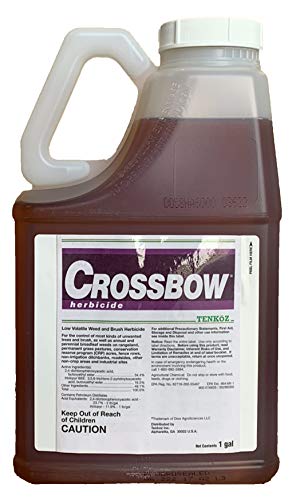
Crossbow Brush Killer 1 Gallon

ALLIGARE Triclopyr 4 Selective Weed Killer

Roundup Poison Ivy Plus Tough Brush Killer2

Crossbow 128oz Triclopyr + 2,4-D Ester

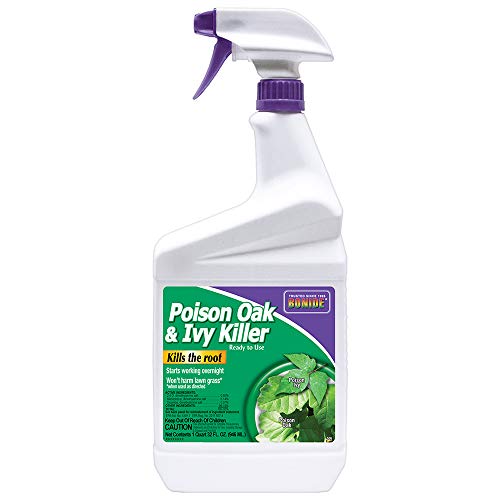
Bonide Poison Oak and Ivy Killer Spray

Ortho MAX Poison Ivy Killer 24oz

Ortho GroundClear Tough Brush Killer3

Bonide 506 Poison Ivy and Oak Killer 2-Pack
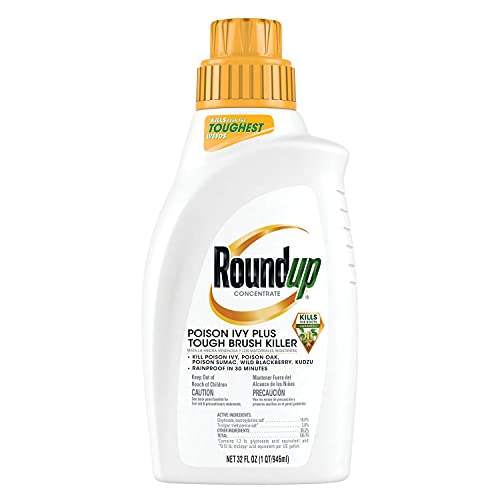
Roundup Poison Ivy Plus Tough Brush Killer
A Deeper Look At The Lineup
Crossbow sits at the workhorse end of this lineup, and the one-gallon jug is built for property owners clearing more than a backyard corner. Its active ingredients (a triclopyr and 2,4-D ester blend, two selective herbicides absorbed through leaves and roots) target woody plants and broadleaf weeds while leaving grasses largely untouched, which matters when poison oak climbs up a fence row next to pasture grass. For most rural lots, a single fill can cover substantial acreage when diluted properly in a tank sprayer. Compared to ready-to-spray bottles from Bonide or Ortho later in the roundup, this is the kind of jug you keep on the truck shelf season after season.
That capacity carries real trade-offs, though. Mixing accuracy matters more here than with a trigger sprayer, and a jug takes planning on storage, label reading, and protective gear before any leaf ever gets sprayed.
Advantages To Know
- The triclopyr plus 2,4-D combination moves through the plant systemically, reaching roots that resprout after a quick burn-back.
- Grasses typically stay green, so spraying along a fencerow won’t strip the pasture below the vines.
- A one-gallon jug dilutes into a large spray volume, useful for an entire fence line rather than single stems.
- Listed for use on rangeland, pastures, and non-cropland areas, giving flexibility for rural properties.
Trade-Offs To Consider
- Concentrate requires a separate pump sprayer and accurate measuring, unlike the ready-to-spray Bonide or Ortho options.
- Restricted-use chemistry in some regions means labels must be read carefully and protective gear worn during mixing.
- Owners of small urban lots may find the gallon jug more volume than a single fence line ever needs.
Right Fit For
Ranchers and acreage owners managing fence rows, pasture edges, and brushy lots where a one-gallon concentrate pays for itself in coverage.
Look Elsewhere When
A homeowner with a single backyard vine would get on better with the Bonide Poison Oak and Ivy Killer Spray, which skips the mixing step entirely.
The ALLIGARE jug is the land manager’s choice, with triclopyr 4 (a higher-load ester formulation designed for forestry and rights-of-way work) at its core. The 2.5-gallon container signals a different audience than Crossbow’s residential jug, and the label language confirms it: forestry sites, CRP acreage, and industrial rights-of-way all fall under its use list. Compared to the Crossbow 1-gallon that opened this roundup, this jug is heavier, more concentrated, and aimed at someone who keeps application records.
For most property owners managing larger acreage under a brush-restoration plan, the ester formulation absorbs through leaves and roots alike, giving flexibility on timing through the year. The catch is that this product assumes you already own a tank sprayer, calibration charts, and a feel for re-entry intervals.
The Helpful Details
- Ester formulation absorbs through both foliage and root uptake, so a foliar spray still reaches underground runners.
- Grasses generally recover, leaving pasture forage in place while brush dies back.
- Tank-mix compatibility allows the jug to blend with other herbicides for tougher weed stacks, though labels must be checked first.
- Listed sites include forestry, rangeland, CRP, and rights-of-way, broadening where it can legally be deployed.
Points To Note
- The 2.5-gallon volume is heavy to handle and store, more than a casual gardener typically needs.
- Application timing and rates vary by target species, and a misread label can leave pasture grasses stressed.
- You may find the agricultural focus intimidating if you’ve never mixed concentrates before.
Whose Shelf It Belongs On
Ranchers, foresters, and land managers with rights-of-way work or pasture restoration who need a heavier-duty triclopyr build.
Skip It When
A suburban homeowner with one fence-line vine will find the Bonide Poison Oak and Ivy Killer Spray a far easier entry point.
Roundup’s Tough Brush Killer2 concentrate is sized for suburban life, with a 32 fl. oz. bottle that mixes into a standard pump sprayer without the bulk of a one-gallon jug. This formula targets poison ivy, poison oak, poison sumac, wild blackberry, and kudzu, the exact lineup that ruins most fence lines in the first place. Versus the bigger agricultural jugs earlier in this article, this one is built for the homeowner who wants root-kill chemistry without buying pasture equipment.
For most homeowners treating two or three backyard trouble spots a season, this concentrate hits the sweet spot between effort and reach. You still need a sprayer and gloves, but the bottle fits on a shelf and the math of dilution stays simple.
Strengths Worth Knowing
- Labeled specifically for poison ivy, oak, and sumac, so users don’t have to interpret generic brush-killer language.
- The concentrate stretches further per bottle than ready-to-spray alternatives, useful for multiple small sites.
- A two-pack format keeps a backup bottle in the garage for the next outbreak.
Honest Caveats
- Still requires mixing, so it’s a step up from grab-and-spray bottles like the Ortho MAX.
- Replant intervals vary by site, and the label dictates how soon grass or ornamentals can go back in.
- Mixing in the same sprayer used for fertilizer can leave residue if not rinsed thoroughly.
Feature Snapshot
Best Suited To
Homeowners who want professional-level vine control without taking on farm-scale mixing duties.
A Better Fit Elsewhere
Anyone needing pure convenience for one or two vines would do well with the Ortho MAX Poison Ivy Killer, a ready-to-spray trigger bottle.
Helena’s Crossbow 128oz is the same triclopyr plus 2,4-D chemistry that anchored item one, repackaged in a single jug for direct property work. Label sites include rangeland, permanent grass pastures, CRP, fence rows, non-irrigation ditchbanks, and roadsides, which signals the kind of user this jug was built for. Compared to the 1-gallon Crossbow that opened this roundup, the 128oz format is simpler to measure and store on a garage shelf.
For most acreage owners running a single tank sprayer, the bottle is convenient and the chemistry is consistent. You may find the container heavier than expected when full, and gloves plus eye protection become non-negotiable during pouring.
What Makes Sense
- Listed use sites span pastures, CRP, fence rows, and roadsides, covering typical brush problems outside the garden.
- Systemic action moves the herbicide through the plant, addressing root systems rather than leaf burn alone.
- Grasses generally recover, so pasture edges stay productive when vines are killed back.
- A single 128oz jug covers multiple spray-tank refills through a treatment season.
Practical Considerations
- Concentrate demands accurate measurement; over-dilution wastes chemistry, under-dilution can scorch grass.
- Storage needs to stay frost-free and away from pets and children, more demanding than a trigger bottle.
- You may find a 128oz jug more volume than a half-acre lot ever uses in one year.
Who Will Love This
Landowners managing fence rows, pasture edges, and roadsides where brush encroaches and a single jug makes sense for the season.
Reach For A Different Pick When
A casual gardener with one stubborn backyard vine gets a more approachable tool in the Bonide Poison Oak and Ivy Killer Spray.
Triad Select takes a different angle on the brush-killer category. Rather than leaning on triclopyr alone, it layers three active ingredients to manage stubborn broadleaf weeds, including dandelion, clover, and plantain, on turf. That triple-action approach makes it a turf-side tool, suitable for lawn edges where broadleaf weeds meet grass, rather than a fence-row beast. Versus the woody-plant jugs earlier in this roundup, this one is for spots where the lawn has to survive.
For most homeowners walking a tightrope between a tidy lawn and an invading vine, the flexible mix rates open options. The catch is the chemistry is built for broadleaf weeds, not heavy woody vines, so reading the label for poison-oak-specific guidance matters.
The Practical Payoff
- Three-way broadleaf chemistry covers multiple weed types in one tank mix, useful when poison oak isn’t the only invader.
- Labeled for turf, sod farms, rights-of-way, and non-crop industrial areas, giving broad use latitude.
- Cool- and warm-season grass compatibility widens the application window through the year.
- Tank-mix compatibility with liquid iron or fertilizer products supports a one-pass approach for lawn care.
Possible Compromises
- The chemistry targets broadleaf weeds more than woody vines, so dense poison oak thickets may need a different jug.
- Sprayer rinsing matters if the same tank later carries fertilizer or iron products.
- Cool-season turf rates differ from warm-season rates, so the label needs close reading.
Perfect Match For
Lawn-focused homeowners and turf managers who want broadleaf control without sacrificing turf health along the edges.
Where Another Pick Suits Better
A property with a heavy poison oak canopy over a fence row should reach for the ALLIGARE Triclopyr 4, which is built for woody brush.
Bonide’s 32 oz ready-to-use spray is the household entry point, with a trigger bottle that skips mixing entirely. The label claims control of poison ivy and poison oak at the root while leaving lawn grass unharmed when used as directed. For most first-timers cleaning a single vine off a fence or a cluster behind a shed, the convenience matches the job. Compared to the Crossbow jugs at the top of this roundup, this bottle doesn’t pretend to be anything more than what it is: a simple targeted spray.
That simplicity is the whole point. You still want gloves and eye protection, but the chemistry stays inside the bottle and the spray nozzle does the rest. The honest read is that a 32 oz bottle is a few-vine tool, not a pasture-restoration product.
Reasons It Performs
- Ready-to-use trigger bottle removes measuring and mixing, which is the biggest friction point for new users.
- Labeled for lawngrass safety, which lets homeowners spray at the lawn-edge transition zone.
- Compact size fits a kitchen drawer or garage shelf without dedicated chemical storage.
- Rainfast once dry, so an unexpected shower doesn’t immediately undo the application.
Where It Is Less Suited
- A 32 oz bottle covers only a handful of vines before running out.
- Trigger sprayers tire out hands during bigger jobs that a pump sprayer handles more easily.
- Not built for the woody brush that larger concentrate jugs are designed to clear.
Feature Card
Who Should Grab It
First-time homeowners and apartment dwellers dealing with a single climbing vine and a need to skip the mixing step.
Swap It Out When
A larger fence-line infestation across multiple acres calls for the Crossbow Brush Killer 1 Gallon instead.
The Ortho MAX 24oz bottle is a grab-and-spray tool aimed at the homeowner who wants a single jug on a shelf, ready for the next outbreak. The label lists over 60 tough brush and weed species, including poison ivy, poison oak, kudzu, and wild blackberry, which covers the realistic threat in a suburban yard. For most users, the no-mix design beats the commitment of a concentrate, especially for a few stubborn spots a year. Compare this to the Bonide trigger bottle earlier in the roundup, and the difference is the targeted species list and the Ortho brand familiarity.
The honest read is that 24 ounces still goes faster than expected once vines get thick, so repeat purchases become likely. Storage stays simple, but a second bottle may be needed for any larger patch.
The Value In It
- No mixing means the bottle goes straight from shelf to leaf, ideal for homeowners short on time.
- Targets a broad list of brush and weeds, including poison ivy, oak, kudzu, and wild blackberry.
- Listed as rainproof after a couple of hours, so afternoon storms don’t always wash it away.
- The compact 24oz size fits a gardening tote or car trunk for trail-edge work.
Things To Weigh
- A 24oz bottle is on the small side for serious fence-line infestations.
- Trigger sprayers fatigue hands during long sessions that a pump sprayer handles better.
- Per-fluid-ounce cost runs higher than the larger Bonide 2-pack reviewed elsewhere in this roundup.
Built With In Mind
Suburban homeowners who want a familiar brand and a no-mix bottle for the occasional vine they spot during yard work.
Consider Something Else When
A household expecting to treat multiple vines a season gets more bottle for the shelf with the Bonide 506 2-Pack.
Ortho GroundClear brings the one-gallon ready-to-use format into a yard-care routine, with a label that lists over 60 tough weeds including poison ivy, oak, kudzu, and wild blackberry. The format suits someone who wants trigger-spray convenience at larger volumes than a 24oz bottle can offer. Compared to the smaller Ortho MAX earlier in this article, the gallon jug just removes the bottleneck of running out mid-job. For most users with a season-long brush plan, the bigger bottle simply lasts longer between refills.
The trade-off is weight. A gallon of ready-to-use liquid is heavier to haul around the yard than a 24oz bottle, and once opened, shelf life starts ticking. You may find yourself reaching for this jug when the brush is dense but wishing for a lighter bottle for spot work.
What Works In Its Favor
- One-gallon ready-to-use volume covers multiple brush patches before a refill.
- Listed for over 60 tough weeds, including the main skin-irritating vines and invasive shrubs.
- Designed for non-garden areas around homes, cabins, and fences, matching typical use scenarios.
- Trigger-spray format removes mixing while still delivering sizable coverage.
Details To Watch
- Weight adds up when carrying the jug around the yard or up a ladder to a tree-line vine.
- Ready-to-use products lose potency over time once opened, so plan to use within a season.
- Not designed for lawn areas, so overspray onto turf should be avoided.
Quick Technical Notes
The Right Fit
Homeowners with multiple brush patches across a larger yard who want ready-to-spray convenience without constant refills.
Another Choice May Suit
A property owner managing pasture or fence rows at scale would benefit more from the Crossbow Brush Killer 1 Gallon concentrate.
The Bonide 506 two-pack doubles down on the single-bottle Bonide earlier in this roundup, putting two 32 oz trigger sprayers on the shelf. The Trimec (a three-way broadleaf herbicide blend) chemistry is the differentiator here, controlling poison ivy and poison oak without harming lawn turf. For most users, the multi-pack format simply removes the second trip to the store when the first bottle runs out halfway through the season. Compare that to a single Bonide 32 oz and the value play becomes obvious once you treat more than one site.
The honest read is that two bottles of ready-to-use still won’t match the coverage of a concentrate jug, so a heavy infestation may still need a different tool. Storage also doubles, which matters in small garden sheds.
The Case For It
- Trimec herbicide targets poison ivy and oak at the roots while preserving lawn grass when used as directed.
- Ready-to-use trigger bottles skip the mixing step entirely, friendly to first-time users.
- Two bottles cover multiple sites, or let one stay in the garage while the other travels to a rental property.
- Visible effects start showing after a few days, useful when you want feedback that the application took.
Worth Bearing In Mind
- Ready-to-use format costs more per ounce than concentrates, so heavy users may want a jug instead.
- Two bottles need dedicated storage space away from children and pets.
- Trigger sprayers tire hands during long sessions that a pump sprayer handles more comfortably.
Made For
Homeowners with multiple small sites, or two-property families who want a bottle at each location without reordering mid-season.
A Better Fit Elsewhere
A single-property homeowner with one fence-line vine will do fine with the Bonide Poison Oak and Ivy Killer Spray single bottle.
This Roundup concentrate combines two tough brush-killing ingredients in a 32 oz bottle aimed at poison ivy, poison oak, poison sumac, kudzu, and other invasive vines. The label lists rainproofing in 30 minutes and visible results within 24 hours, giving users a quick feedback loop on whether the application took. Versus the Roundup Tough Brush Killer2 reviewed earlier in this roundup, the chemistry profile leans harder into woody vines and stumps, which matters when the target has grown into a thicket.
For most users treating established vines climbing a tree, the concentrate format keeps cost-per-treatment reasonable. The catch is the same as every concentrate: you need a sprayer, gloves, and a careful read of the label before pouring.
Why It Works Well
- Two-ingredient blend targets tough vines and stumps beyond what a single-action formula reaches.
- Labeled rainproof window of 30 minutes means an unexpected shower doesn’t always wipe out a fresh application.
- Listed visible-results window of 24 hours gives a quick feedback loop on application success.
- Concentrate stretches further per bottle than ready-to-use alternatives for multi-site owners.
Where It May Fall Short
- Concentrate demands accurate measurement and protective gear during mixing.
- Replant intervals govern how soon grass or ornamentals can return, so timing matters.
- Sprayer cleaning matters when switching between herbicides and fertilizers in the same tank.
Product At A Glance
Who It Suits Best
Homeowners and property managers with established vines climbing trees or stumps who want a trusted concentrate with a fast rainproof claim.
Not Your Match When
A renter or first-time user who wants to skip mixing entirely will find the Bonide Poison Oak and Ivy Killer Spray a friendlier starting point.
What Matters Most When Choosing Poison Oak Killers
The right herbicide depends less on brand familiarity and more on the scale of the infestation, the surrounding landscape, and your tolerance for mixing. Ready-to-use trigger bottles make sense for one or two vines, while concentrate jugs earn their keep on fence rows, pasture edges, and brushy lots where coverage multiplies. Grass safety is a real divider too: products built on triclopyr plus 2,4-D are designed to leave lawn and pasture grasses in place, while non-selective options will torch whatever they touch. Stump and vine regrowth is another factor, since systemic herbicides that move through the plant reach roots that burn-back sprays miss.
Application timing matters as much as chemistry. Brush herbicides work best when vines are actively growing and sap is flowing, generally late spring through early fall depending on region. Rain within hours of spraying can wash product off leaves before absorption, even with rainproof labels, so a clear forecast is part of the job. Storage is the final piece: ready-to-use bottles need less planning, but concentrate jugs belong in a cool, dry, locked space away from children and pets. For most suburban homeowners, a single ready-to-use bottle handles the year’s outbreaks; for rural property owners, a concentrate jug pays for itself across multiple spray sessions.
Smart Shopping Notes For These Picks
Common Shopping Slip Ups
The most frequent mistake is reaching for a non-selective herbicide when a selective formula would leave the lawn intact. Another trap is buying a concentrate when a ready-to-use bottle better matches the job, ending up with leftover chemistry and a sprayer that never gets cleaned. A third common error is skipping the label entirely and assuming all “brush killer” products behave the same way. Reading the species list and the application site restrictions prevents damage to ornamentals and turf that no refund can fix.
Where The Extra Money Goes
Higher-tier brush herbicides cost more for a reason: ester formulations absorb through roots, three-way blends cover broader species lists, and ready-to-use gallons save hours of mixing time. The premium also buys rainproof windows measured in minutes rather than hours, which matters in regions with pop-up storms. For most homeowners, the upgrade is worth it when vines have climbed into trees or stumps, where cheap burn-back formulas simply can’t reach the root system.
