

Healthy soil doesn’t announce itself. It hides under the surface, holding nutrients, moisture, and structure that decide whether your lawn thrives or your tomatoes sulk. A reliable probe turns guesswork into a quick read, and the right one saves you from overwatering a soggy bed or starving a parched one. This roundup walks through nine solid options for gardeners, farmers, and curious homeowners who want real data from the ground beneath them.
The Picks In Brief

AUZEKER 40 Inch Soil Sampler Probe with T-Handle

AUZEKER 12 Inch Soil Sampler Probe + 50 Sample Bags

AUZEKER 36 Inch Soil Sampler Probe + 50 Sample Bags
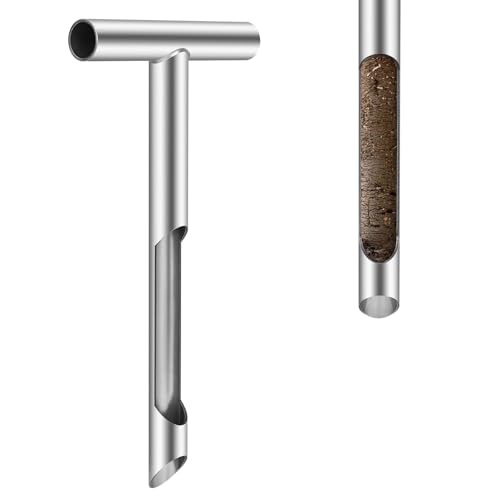
AUZEKER 12 Inch Soil Sampler Probe with T-Handle

AUZEKER 40 Inch Soil Sampler Probe + 50 Sample Bags

Gouevn Long Probe Soil Moisture Meter
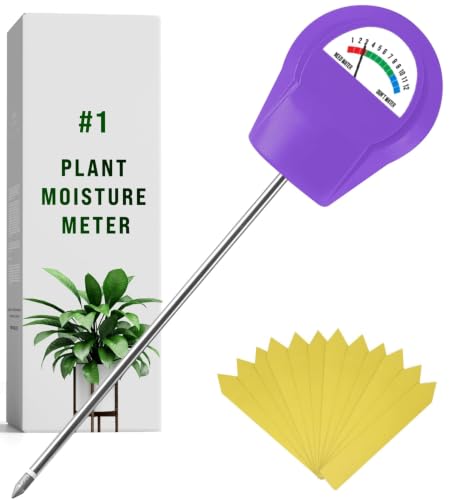
Craft911 Soil Water Monitor for Plants (Purple)
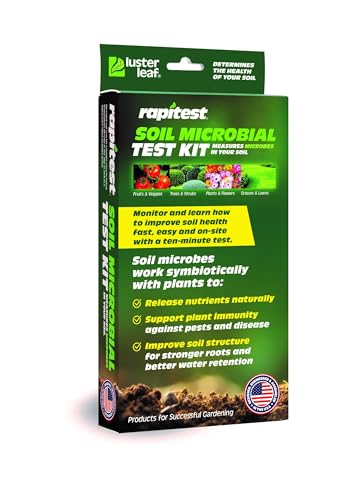
Rapitest Soil Microbial Test Kit
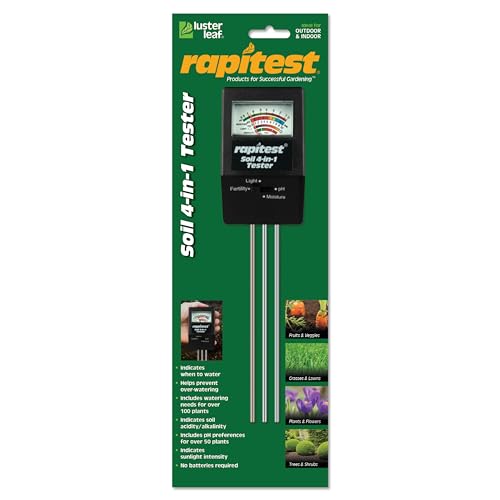
Luster Leaf 1818 Rapitest 4-in-1 Soil Tester
Taking A Closer Look At The Options
Long probes earn their keep when the soil you actually care about sits well below the surface, and this 40-inch sampler from AUZEKER aims squarely at that scenario. The stainless steel shaft pushes deep into lawn, garden, and farm ground without flexing, pulling a clean core you can read for color, texture, and moisture distribution.
Compared to the shorter picks later in this list, the trade-off is leverage: the longer the rod, the more body weight you need behind each push. For most homeowners with established beds, that extra reach simply means you stop fighting clay halfway down.
Useful Strengths
- 40-inch shaft reaches subsoil layers where root activity and moisture retention actually live
- Stainless steel construction resists rust after repeated wet-soil cycles
- T-handle gives a confident two-handed grip when breaking through compacted ground
- Pulls consistent cores for lab testing or simple visual comparison across zones
Things To Consider
- Longer shaft demands more storage space in a small shed or garage corner
- Hard, rocky soil can jam the tip, requiring manual clearing before the next pull
Key Specs
Built With In Mind
Homeowners with large lawns, established gardens, or hobby farms who need to sample deep root zones without bending or kneeling.
Look Elsewhere When
The AUZEKER 12 Inch Soil Sampler Probe with T-Handle is a better fit for raised bed gardeners and apartment patios where 40 inches of rod is overkill.
Not every gardener needs to dig to bedrock. This 12-inch AUZEKER probe keeps things short, simple, and approachable, with a bundle of 50 sample bags so cores can be labelled, bagged, and sent off for analysis without a scavenger hunt for containers.
Where the 40-inch pick above targets deep root zones, this one is built for the shallow end. Vegetable beds, lawn patches, and potted soil all sit well within its 12-inch working window. The included bags turn a casual sample into something you can actually mail.
What Makes Sense
- 12-inch length is easy to push by hand, no foot pressure required on most soils
- 50 sample bags included for organized, contamination-free collection
- Stainless steel body holds up to repeated rinsing between zones
- Short enough to store in a kitchen drawer or small garden tote
Worth Noting
- Limited depth means you miss subsoil conditions in deeper garden profiles
- No T-handle pictured, so leverage depends on grip style and hand strength
Whose Shelf It Belongs On
Home gardeners managing raised beds, container plants, and small lawns who want a quick read on topsoil health without hauling around a long rod.
Swap It Out When
The Gouevn Long Probe Soil Moisture Meter suits you better when you want an instant moisture readout on large potted plants rather than collecting cores for later testing.
Mid-length probes split the difference between backyard reach and farm-scale sampling, and this 36-inch AUZEKER sampler lands right in that middle ground. It comes with a clearing tool for knocking loose roots, stones, and debris without scraping your knuckles on the rod.
That included clearing tool is the quiet hero here. Pushing a probe into compacted ground is one thing, but emptying it cleanly for the next sample is where most cheaper kits fall apart. For pasture and field checks, that detail saves real time.
Practical Advantages
- 36-inch reach handles established beds and small pasture zones comfortably
- Clearing tool simplifies core removal and keeps hands away from dirty rod ends
- 50 sample bags support multiple site comparisons in one session
- Stainless shaft resists bending when pushed through root-heavy soil
Honest Caveats
- Bulkier than the 12-inch pick, so storage needs a bit more planning
- Clearing tool adds a small piece to keep track of in the field
Key Specs
Made For
Small-scale farmers, pasture managers, and serious gardeners running multiple sample points across a larger property.
Where A Sibling Pick Shines
The AUZEKER 12 Inch Soil Sampler Probe with T-Handle fits better for raised bed growers who don’t need a 36-inch reach or a clearing tool in the kit.
Most soil decisions happen in the top foot, which is exactly the range this short T-handle sampler covers. AUZEKER keeps the package focused: a 12-inch stainless steel rod, a comfortable cross-grip, and nothing extra to misplace.
If you garden in raised beds or small plots, the 40-inch pick above is honestly more tool than you need. This one stays compact in a bucket, slides into a closet, and still gives you a clean core for visual inspection or pH testing.
Real Benefits
- Compact 12-inch reach is easy to maneuver in tight planting rows
- T-handle design lets you push straight down with palm pressure
- Stainless steel cleans up quickly under a garden hose
- Lightweight enough for one-handed use during longer sampling sessions
Points To Note
- Won’t reach the subsoil layers that affect deep-rooted shrubs and trees
- No sample bags or clearing tool included in this configuration
Best Suited To
Raised bed gardeners, urban plot growers, and homeowners running quick lawn diagnostics in the topsoil layer.
Not Your Match When
The AUZEKER 40 Inch Soil Sampler Probe + 50 Sample Bags is a smarter pick for orchard owners and field-scale samplers who need depth and bag-ready collection in one kit.
This kit pairs the long 40-inch reach of AUZEKER’s flagship sampler with the same 50-bag collection system and adds a safety detail worth mentioning: an anti-pinch handle guard. When you’re pushing a long rod into hard ground with both hands, that guard keeps knuckles out of trouble.
Farm and orchard work means longer sessions, more samples, and more chances for small injuries to slow you down. The pinch guard won’t make headlines, but it’s the kind of thing you appreciate after the tenth pull of an afternoon.
The Value In It
- 40-inch reach targets deep subsoil conditions for orchards and large beds
- Anti-pinch handle guard protects fingers during forceful pushes
- 50 sample bags support organized multi-zone testing
- Stainless steel build tolerates frequent wet-soil rinsing
Some Limits To Know
- Longer reach requires more vertical clearance, awkward near low branches
- Bundled bags add storage volume if you only need occasional samples
Key Specs
Right Fit For
Orchard owners, hobby farmers, and serious landscapers sampling deep across multiple sites in a single session.
Another Choice May Suit
The AUZEKER 36 Inch Soil Sampler Probe + 50 Sample Bags is a sensible alternative when you want similar reach with a slightly easier-to-store profile.
Step away from the field for a moment: indoor plant care is its own soil game, and the Gouevn long-probe meter is built for it. At roughly 12 inches, the sensor reaches the root level of large potted plants where moisture hides below the surface layer. No batteries, no apps, just a clean analog readout.
Compared to the AUZEKER probes earlier, this one isn’t pulling cores for lab analysis. It’s giving you a fast yes-or-no on whether to water. For houseplant parents juggling a dozen species, that speed matters more than sample bags.
Where It Delivers
- 12-inch probe reaches deep into tall planters and large pots
- Battery-free design means no surprise dead readings mid-check
- Analog display is simple enough for beginners to interpret
- Works for both indoor and outdoor container plants
Where It Is Less Suited
- Moisture-only readout, no pH or nutrient data to guide feeding
- Long probe is unnecessary for small herb pots and seed-starting trays
Quick Facts
Who Should Grab It
Apartment dwellers and indoor gardeners with tall planters, fiddle leaf figs, and large tropical houseplants who want a quick moisture check at root depth.
Skip It When
The Luster Leaf 1818 Rapitest 4-in-1 Soil Tester fits better when you want moisture plus pH, fertility, and light readings from a single probe.
Craft911 keeps the moisture-meter category approachable. The single-probe design uses electrical conductivity to read soil moisture, and the dial-style face gives you a clear moisture range without calibration charts or app downloads.
You won’t pull soil cores or get microbial analysis from this one, but for a windowsill herb garden or a row of peace lilies, it answers the only question that actually matters: does this plant need water today?
Useful Highlights
- Single-probe simplicity keeps the learning curve short
- Analog dial requires no batteries or Bluetooth pairing
- Compact size fits standard pots, planters, and small garden beds
- Reads moisture across indoor and outdoor container use
Trade Offs
- Moisture-only, so feeding and pH questions still need separate tools
- Shorter probe than the Gouevn pick above, less useful in tall planters
Perfect Match For
Casual indoor gardeners, gift-givers, and beginners who want an easy moisture check without investing in a full sampling toolkit.
Consider Something Else When
The Gouevn Long Probe Soil Moisture Meter is a better fit for large potted houseplants where a 12-inch probe reaches deeper into the root zone.
Moisture is one slice of soil health; microbial activity is the other half most tools ignore. The Rapitest Soil Microbial Test Kit takes a different angle entirely, using a smartphone-guided process to evaluate the living biology in your soil. No lab experience required, and the app walks you through the steps.
Think of it as the partner tool to the physical probes earlier in this list. Once you know what’s in the ground physically, this kit tells you what’s alive in it. Together, they give a fuller picture than either alone.
Well-Handled Touches
- App-based workflow removes the need for a separate lab or mailing samples
- Compatible with both iPhone and Android devices
- Generates actionable amendment guidance for soil conditioners and activators
- Unlimited tests through the app with no subscription required
Potential Drawbacks
- Does not measure moisture, so it complements rather than replaces a probe
- Requires a smartphone for full functionality, limiting offline use
Feature Snapshot
Who It Suits Best
Regenerative gardeners, soil biology enthusiasts, and growers investing in long-term soil health beyond surface moisture and pH.
Where Another Pick Suits Better
The Luster Leaf 1818 Rapitest 4-in-1 Soil Tester is a smarter pick when you want a single probe that covers moisture, pH, fertility, and light in real time.
The Luster Leaf Rapitest 4-in-1 closes out this list by cramming four soil checks into one probe: moisture, pH, fertility, and light. No batteries, no apps, just a toggle switch between gauges and an instant analog reading for each.
It won’t pull deep cores like the AUZEKER rods, and it won’t dig into microbial biology like the Rapitest kit, but for everyday gardeners managing mixed beds and borders, it answers most of the questions that come up in a single afternoon’s walk around the yard.
Real-World Strengths
- Four measurements in one tool reduce the need for separate devices
- Battery-free operation keeps the device ready whenever soil questions arise
- Toggle switch between readings is faster than swapping probes
- Suitable for indoor, outdoor, and container gardening applications
Possible Compromises
- Probes are relatively short, so deeper root zones go unchecked
- Analog readings offer less precision than digital lab-grade equipment
The Right Fit
All-around gardeners managing mixed plantings, raised beds, and container gardens who want one versatile tool for routine soil checks.
Reach For A Different Pick When
The Rapitest Soil Microbial Test Kit is a stronger choice when soil biology and long-term amendment planning matter more than instant moisture and pH numbers.
Choosing The Right Soil Probe For Your Ground
Picking a soil probe starts with honest questions about your yard, your beds, and the depth of the answers you actually need. A short probe works for raised beds and lawn patches, while a long one suits orchards, pastures, and anyone tracking moisture deep below the surface. Material matters too: stainless steel holds up to repeated wet-soil contact and resists rust season after season, while cheaper alloys tend to pit and stain after a few cycles in clay.
Next, think about what kind of reading you want. Analog moisture meters give you a quick yes-or-no on watering, while multi-function tools layer in pH, fertility, and light data for broader garden planning. If your interest runs deeper than moisture, microbial test kits open a window into the living biology that drives nutrient cycling.
Finally, consider the practical side of ownership. How much storage space do you have? Do you need sample bags to send cores off for analysis? Will you use the probe weekly or only a few times a season? Matching the tool’s footprint and bundle to your routine keeps it useful instead of buried in a shed.
Matching Probe Length To Your Sample Depth
The 12-inch picks cover the topsoil layer where most vegetable roots live, and they push easily by hand. Step up to 36 or 40 inches when subsoil conditions matter, whether you’re checking drainage, deep root moisture, or orchard health. The trade-off is leverage: longer rods demand more body weight and storage room.
Deciding Between Meters, Probes, And Test Kits
Instant-read moisture meters shine for indoor plants and quick outdoor checks. Physical core samplers collect material for lab analysis or visual inspection. Microbial test kits reveal biological activity the others miss. Most serious gardeners end up with at least two of these categories working together, and pairing a physical probe with a microbial kit gives the most complete soil picture.
Key Considerations Across These Picks
Common Shopping Slip Ups
One frequent mistake is buying a long probe for shallow garden work, where the extra length just gets in the way. Another is grabbing a moisture meter expecting pH readings, since most single-probe meters only measure water content. Match the tool to the question you actually need answered, and you’ll spend less time fighting equipment that does the wrong job.
What The Higher Tier Buys
Longer stainless steel probes, bundled sample bags, and clearing tools cost more because they reduce friction during real fieldwork. The upgrade shows up in faster sampling, fewer jammed rods, and cleaner cores ready for analysis. For a single backyard bed, that upgrade isn’t always worth it, but for anyone running multiple sample points across a season, the time savings stack up fast.
Frequently Asked Questions
How deep should a soil moisture probe reach?
For most home gardens, 12 inches covers the active root zone of vegetables and lawn grass. For trees, shrubs, and field crops, 24 to 40 inches gives a more accurate read on subsoil moisture where deeper roots actually pull water.
What’s the difference between a moisture meter and a soil probe?
A moisture meter gives an instant analog or digital reading of water content, while a soil probe pulls a physical core you can inspect or send for lab analysis. Meters answer the watering question; probes support broader soil testing.
Can a soil probe be used in rocky ground?
Most stainless steel probes handle small stones, but large rocks can jam or bend the tip. In rocky soil, pre-watering the area or selecting a spot between stones makes sampling easier and protects the rod.
How often should you test soil moisture?
Active growing seasons call for checks every few days, especially in containers where soil dries quickly. Dormant periods need less frequent testing, often once a week or less, depending on rainfall and temperature.
Do microbial test kits replace physical soil probes?
They complement rather than replace. Microbial kits reveal biological activity, while physical probes collect material for chemistry and texture analysis. Using both gives the most complete picture of soil health.
Wrap Up
The right probe depends entirely on what you’re growing and how deep you need to see. Container gardeners get plenty from a short analog meter, while field-scale growers need stainless rods that reach subsoil. Pick the tool that matches your actual sampling routine, and the data will follow.
