

Crabgrass has a knack for showing up the moment your guard drops in late spring, and once those coarse blades thicken, they crowd out the turf you worked all year to build. The right post-emergent treatment stops existing plants in their tracks, then buys you a longer window before the next wave germinates. Nine solid options sit on this list, ranging from heavy-duty concentrates for big properties to grab-and-go sprays for spot treatments on a typical suburban lot. Each one was selected because it does something specific well, so the right pick depends on your lawn’s size, your tolerance for mixing, and the weeds you’re actually fighting.
A Fast Comparison Of The Options
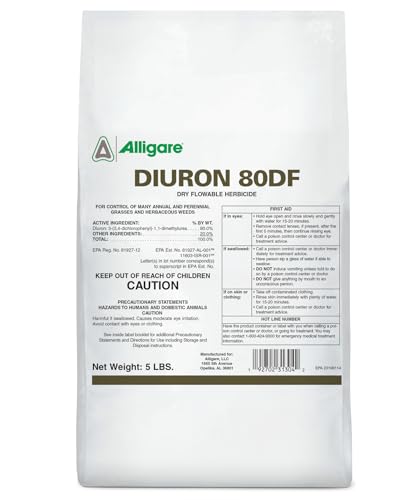
Alligare Diuron 80 DF Herbicide (5 lb)

Jonathan Green Green-Up Lawn Food with Crabgrass Preventer

Agrisel Sulfentrazone 4F Weed Killer (64 oz)

Primesource Quinclorac 1.5L Select Crabgrass Killer (64 oz)
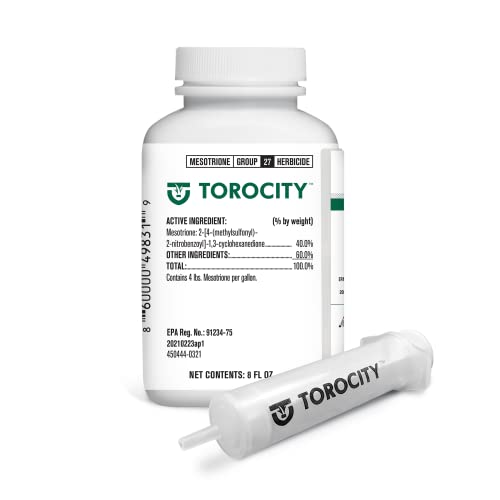
Atticus Torocity Mesotrione Herbicide (8 oz)
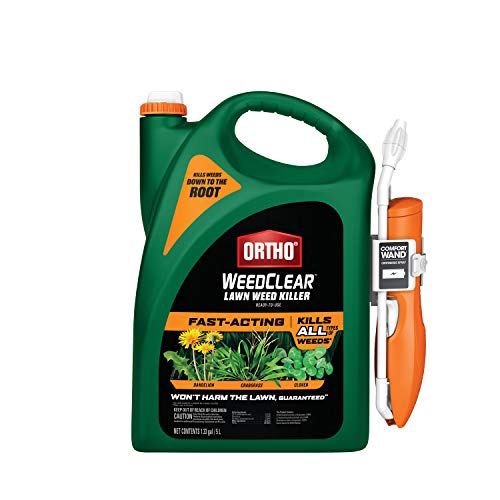
Ortho WeedClear Lawn Weed Killer with Comfort Wand (1.33 gal)

BASF Drive XLR8 Crabgrass Killer Concentrate (64 oz)

Ortho WeedClear Lawn Weed Killer Ready-to-Spray (32 oz)

Roundup for Lawns1 Refill (1.25 gal)
A Breakdown Of The Leading Choices
Alligare Diuron 80 DF is a dry-flowable granule built for serious weed pressure in non-crop settings, the kind of product you reach for when a fence line, gravel drive, or industrial lot is overrun and the usual sprays aren’t cutting it. Diuron is a long-established active ingredient that works both before and after weeds emerge, which makes the timing window a little more forgiving for someone juggling other chores. The 5-pound jug treats a meaningful amount of ground, so it suits property managers, acreage owners, and anyone maintaining spaces where turf isn’t the goal.
Compare that to the residential-focused picks later in this list, like the Ortho WeedClear ready-to-use formula, and you can see the audience shift immediately: Alligare is granular, concentrated, and expects you to bring your own sprayer.
Strengths Worth Knowing
- Long residual activity keeps treated ground clean for extended periods, reducing repeat trips.
- Dual-action formula handles both pre-emergent and post-emergent pressure from the same jug.
- Targets crabgrass, ryegrass, and broadleaf weeds that often show up together in neglected areas.
- 5-pound dry-granule format stores compactly and avoids the weight of liquid concentrates.
- Well suited to industrial, highway, and right-of-way work where bagged products are standard.
Trade Offs
- Not labeled for residential lawns, so it is not a fit for anyone wanting to keep turfgrass alive in the treatment zone.
- Requires a calibrated spreader or sprayer setup, which adds steps for first-time users.
Built With In Mind
Property managers, agricultural users, and homeowners treating driveways, fence rows, or non-crop acreage where total vegetation control is the goal.
Skip It When
You want to spot-treat crabgrass without damaging surrounding lawn, in which case the Ortho WeedClear Comfort Wand formula is a friendlier match.
Jonathan Green Green-Up is a two-in-one product that feeds the lawn while it blocks crabgrass, which is the kind of efficiency most homeowners want in early spring. The 20-0-3 analysis delivers slow-release nitrogen for up to three months, and the included preventer keeps new crabgrass seeds from breaking through. Coverage stretches to 15,000 square feet, enough for a generous suburban lot on a single pass with a spreader.
It is positioned differently than the Alligare product above: where that one is industrial and non-crop, Jonathan Green assumes you want a thick, green lawn, not bare ground. Applied at the right spring timing, it lets you skip a separate fertilizer trip entirely.
Bright Spots
- Combines feeding and crabgrass prevention in a single application, cutting seasonal labor in half.
- Slow-release nitrogen feeds steadily for up to three months, so you avoid the surge-and-crash pattern of quick-release blends.
- 15,000-square-foot bag covers most residential lawns without needing a second purchase.
- Granular format spreads evenly with a standard broadcast or drop spreader.
Worth Noting
- Cannot be used at the same time as seeding a new lawn, so renovation projects need different timing.
- Subject to hazardous-materials shipping restrictions, which can affect delivery options in some regions.
Right Fit For
Homeowners with established cool-season turf who want to handle spring feeding and crabgrass prevention in one spreader pass.
Consider Something Else When
You are overseeding or starting a new lawn this season, in which case Atticus Torocity Mesotrione is a better fit because it tolerates seeding windows.
Agrisel Sulfentrazone 4F is a liquid concentrate that works on weed seeds right at germination, with a chemistry profile that extends to post-emergent activity on labeled weeds. The 64-ounce bottle uses low application rates, so a single jug stretches across a meaningful area, and the tip-and-pour bottle simplifies measuring. The label covers crabgrass, creeping charlie, and a long list of broadleaf weeds common in both residential and commercial turf.
Where the Jonathan Green product above feeds and prevents in dry-granule form, this one is a liquid concentrate aimed at users who already own a pump sprayer and want flexible mixing. It is equally at home on a homeowner driveway or a golf-course rough.
The Helpful Details
- Low use rates mean a 64-ounce bottle covers a sizable footprint, lowering cost per thousand square feet.
- Tip-and-pour bottle design eliminates extra measuring cups and reduces spill risk during mixing.
- Suitable for residential lawns, public turf, roadside areas, and pre-planting crop spaces.
- Liquid format mixes cleanly with water and spreads evenly through standard pump sprayers.
Points To Keep In Mind
- Concentrate format requires a sprayer and a basic understanding of application rates, so it is less friendly for first-timers.
- Pre-emergent timing is critical, missing the window reduces effectiveness significantly.
Feature Snapshot
Best Suited To
Homeowners and turf managers comfortable with concentrate mixing who want one product that handles both lawn and non-lawn zones.
Reach For A Different Pick When
You prefer a ready-to-spray option, in which case the Ortho WeedClear Ready-to-Spray 32-ounce bottle removes the mixing step entirely.
Primesource Quinclorac 1.5L Select is a selective post-emergent herbicide built specifically for crabgrass, the kind of product that pulls double duty on residential and non-residential turf. The active ingredient, quinclorac, is a proven performer against grassy weeds and a long list of broadleaf invaders, and the formula is safe across many turf types when used as directed. The 64-ounce bottle is sized for properties that need more than a spot treatment but do not require a full industrial setup.
It stands apart from the Alligare product earlier in this list, which is built for non-crop ground. Quinclorac-based formulas like this one are designed to keep the lawn alive while knocking out the crabgrass, which is the usual homeowner priority.
Practical Pluses
- Selective chemistry spares most labeled turf species while targeting crabgrass and broadleaf weeds.
- Can be applied from 7 days before seeding up to 28 days after emergence on listed weeds, adding real flexibility.
- Works on both residential lawns and non-residential turf, broadening its usefulness across properties.
- Liquid concentrate format allows precise rate adjustments based on weed pressure.
Honest Caveats
- Quinclorac is most effective on young, actively growing crabgrass, so timing matters more than sheer product strength.
- Requires accurate mixing and a calibrated sprayer, which adds a learning curve for casual users.
Who It Suits Best
Homeowners and light-commercial users with established cool or warm-season turf who need a focused crabgrass knock-down without sacrificing the surrounding grass.
A Better Fit Elsewhere
You want a fertilizer-plus-preventer combo in one pass, where Jonathan Green Green-Up pulls ahead by handling both jobs simultaneously.
Atticus Torocity contains 40 percent mesotrione, the same active ingredient that has made Tenacity a familiar name in lawn renovation. Mesotrione is unusual because it works both as a pre-emergent on weed seeds and as a post-emergent on young weeds, all while being safe to use on newly seeded areas. The 8-ounce bottle is compact, so a little goes a long way when mixed according to label directions.
This is the pick for someone who is renovating, overseeding, or starting fresh, situations where the Jonathan Green product from earlier would actually be a problem because it cannot be used at the same time as new seed.
Why It Works Well
- Approved for use on newly seeded turf, which most crabgrass preventers are not, opening up renovation timing.
- Dual-action chemistry handles pre-emergent and post-emergent control from the same jug.
- Works across cool-season and warm-season turf types when label directions are followed.
- Small 8-ounce bottle is easy to store on a shelf and simple to ship.
Some Limits To Know
- Concentrate format requires careful measuring and a quality sprayer to avoid under- or over-application.
- Results can take longer to show than quinclorac-based post-emergents on mature crabgrass plants.
Quick Facts
Who Should Grab It
Homeowners in the middle of an overseeding or renovation project who cannot afford to skip crabgrass control for a season.
Where Another Pick Suits Better
You want a no-mix option, where Ortho WeedClear Ready-to-Use takes the chemistry out of the picture entirely.
Ortho WeedClear in the 1.33-gallon ready-to-use bottle is the answer for anyone who wants to skip the measuring, mixing, and clean-up of concentrate work. The formula targets more than 200 listed weeds, including crabgrass, dandelion, clover, and creeping charlie, and the comfort wand lets you spray standing up without crouching. The bottle attaches and starts working in seconds, which is a real plus for occasional users who only treat weeds a few times a year.
Compare that to the Agrisel concentrate earlier, and the trade-off is obvious. You pay more per ounce for the convenience, but you save time and avoid the chemistry learning curve.
Useful Strengths
- Pre-mixed formula means no measuring, no separate sprayer, and no post-application cleanup of mixing gear.
- Comfort wand extends your reach and reduces hand fatigue on bigger spot-treating sessions.
- Targets a broad weed list, so it handles crabgrass alongside dandelions, clover, and creeping charlie in the same pass.
- Rainproof within about an hour, limiting the chance that a surprise shower washes the treatment away.
Things To Consider
- Cost per treated square foot is higher than concentrate options, especially on large lawns.
- The 1.33-gallon bottle is heavy once filled, which can be tiring during longer sessions.
Made For
Homeowners who only need occasional spot treatments and value convenience over per-ounce cost.
Look Elsewhere When
You are managing an acre or more of turf, in which case BASF Drive XLR8 concentrate delivers better value at scale.
BASF Drive XLR8 is a water-based quinclorac concentrate (quinclorac is the same active ingredient behind many crabgrass killers) with a reputation for faster uptake and longer residual control than older formulas. The 64-ounce bottle covers substantial turf area, and the residual activity extends up to 30 days, keeping pressure off the lawn while it recovers. It is a concentrate, so it expects a sprayer in your shed, but the trade-off is professional-grade results without a professional service call.
It uses the same active as the Primesource product earlier but layers a water-based formulation on top, which is where the faster uptake claim comes from. For homeowners treating multiple acres, that difference shows up in how quickly the lawn greens back up after treatment.
Real-World Strengths
- Water-based formulation reportedly drives faster plant uptake, so visible results appear sooner than with some oil-based mixes.
- Up to 30 days of residual control reduces repeat trips and keeps new weeds from filling the gap.
- Concentrate format offers strong per-acre value for large properties and light-commercial work.
- Targets both grassy and broadleaf weeds, cutting down on the need for multiple products.
Points To Note
- Concentrate mixing demands a calibrated sprayer and some comfort with herbicide handling.
- Storage of unused mixed solution needs planning, since leftover spray cannot simply be poured down the drain.
Who Will Love This
Homeowners and turf professionals managing large lawns or light-commercial properties who want pro-grade results from a concentrate.
Not Your Match When
You are only spot-treating a small area and want zero mixing, where Roundup for Lawns1 Ready-to-Use is a more relaxed fit.
Ortho WeedClear Ready-to-Spray uses a hose-end bottle that mixes the formula with water as you spray, so all you do is hook up a garden hose and walk the lawn. The 32-ounce container is lighter than the 1.33-gallon Comfort Wand version earlier, which makes it a better fit for small to mid-size properties or quick touch-ups. The formula still targets more than 200 listed weeds, including crabgrass, dandelion, and foxtail.
It is the more compact sibling of the Comfort Wand bottle, and the choice between them comes down to lawn size and storage space. For someone with a modest yard, the 32-ounce is plenty.
What Pays Off
- Hose-end design means zero measuring and no separate sprayer to clean or store.
- Targets a wide list of listed weeds, including crabgrass and other common lawn invaders.
- Rainproof within about an hour, so unexpected weather is less of a gamble.
- Compact 32-ounce size stores easily on a garage shelf and weighs less during use.
Trade-Offs To Consider
- Coverage is limited compared to the larger Comfort Wand bottle, so very big lawns need multiple refills.
- Hose-end sprayers give less control over droplet size than a pump sprayer, which can matter near garden beds.
Perfect Match For
Homeowners with small to mid-size lawns who want a quick, no-tool setup and minimal post-treatment cleanup.
Swap It Out When
You are managing a property over half an acre, in which case the BASF Drive XLR8 concentrate offers more coverage per bottle.
Roundup for Lawns1 is a selective formula designed for Northern grasses, including bluegrass, fescue, zoysia, and perennial ryegrass, and the refill is intended to be poured into a compatible Extend Wand sprayer. The 1.25-gallon size covers a meaningful area, and the listed weed count is unusually long at 253 types, which makes it appealing when you are not sure exactly what is invading the lawn. The catch is that this is a Northern-grass formula, so warm-season lawns in the South need a different product.
It rounds out a list where earlier picks like the Primesource concentrate and the Ortho hose-end bottle have already covered concentrate and ready-to-use ground. This one is the broadest spectrum of the bunch, with a refill format aimed at people who already own the matching wand.
A Few Strong Suits
- Targets 253 listed weed types, one of the broadest spectra in the consumer herbicide market.
- Refill format cuts down on plastic waste for shoppers who already own the matching wand system.
- Selective chemistry spares listed Northern turf species when used as directed.
- Fast-acting formula shows visible results on listed weeds relatively quickly.
Some Limits To Know
- Limited to Northern grass types, so it is not a fit for Bermuda, St. Augustine, or centipede lawns.
- Requires a separate Extend Wand purchase if you do not already own one, adding to total cost.
Whose Shelf It Belongs On
Homeowners with Northern grass lawns who already use a Roundup wand system and want a broad-spectrum refill for varied weed pressure.
Another Choice May Suit
You have warm-season turf, where Primesource Quinclorac 1.5L is a more flexible pick across grass types.
What To Weigh Before Choosing A Crabgrass Treatment
The first decision is whether you need a preventer, a post-emergent knock-down, or a product that does both. Preventers work on seeds that have not germinated yet, and they need to go down before soil temperatures hit the threshold that wakes crabgrass up. Post-emergents handle plants you can already see, and they work best on young, actively growing weeds rather than mature, established clumps. Combination products save a step but usually lock you out of seeding for part of the season.
The next factor is application format. Concentrates cost less per square foot but require a sprayer, careful measuring, and clean-up. Ready-to-spray and ready-to-use bottles cost more per ounce but remove the mixing step entirely. Dry-granule products like the Jonathan Green fertilizer-plus-preventer fit a spreader and cover a lawn in a single pass, which is hard to beat for early-season efficiency.
Finally, match the chemistry to your grass type. Quinclorac-based formulas work on a wide range of cool and warm-season turf, while mesotrione is unusual because it tolerates newly seeded areas. Northern-grass-only products like Roundup for Lawns1 are off the table for Bermuda or St. Augustine. Read the label before you buy, because a mismatch shows up as damaged turf rather than dead weeds.
Key Considerations Across These Picks
Common Shopping Slip Ups
The most frequent mistake is buying a pre-emergent after the window has closed, then wondering why crabgrass still appears in June. Soil temperature, not the calendar, is the real trigger, and missing the window by even a couple of weeks costs most of the season’s benefit. Another slip is reaching for a non-crop product like Alligare Diuron on a lawn you want to keep, since those formulas are designed to clear ground of all vegetation, not spare desirable turf.
When Paying More Pays Off
Higher-tier products tend to cost more because they include features like faster uptake, longer residual control, or compatibility with seeding windows. For most homeowners, that extra spend makes sense when the lawn is large, when crabgrass pressure is severe, or when you are renovating and cannot afford to skip a control pass. Smaller properties with light weed pressure get all the value they need from a ready-to-use bottle, so the premium is harder to justify there.
Frequently Asked Questions
When is the best time to apply a post-emergent crabgrass killer?
Post-emergents work best on young crabgrass plants in early to mid-summer, when weeds are actively growing and have not yet gone to seed. Treating mature, seed-producing plants reduces the impact for the current season.
Can I seed my lawn at the same time as applying crabgrass control?
Most preventers block new grass seed along with crabgrass seed, so combining the two is usually a bad idea. Mesotrione-based products like Atticus Torocity are a clear exception, since they are designed for use during seeding and renovation windows.
How long does it take for crabgrass killer to show results?
Visible browning usually appears within 7 to 14 days, depending on the active ingredient, weather, and the size of the weed. Quinclorac-based concentrates often work faster than older formulas, while mesotrione can take longer on mature plants.
Will these products harm my surrounding lawn?
Selective formulas are designed to spare listed turf types while targeting the weeds, but every label has limits. Northern-grass-only products will damage Bermuda or St. Augustine, and concentrate misapplications can burn even tolerant turf.
Do I need a separate sprayer to apply concentrate products?
Yes, a pump or backpack sprayer is the standard tool for liquid concentrate application. Ready-to-spray and ready-to-use bottles remove that requirement by handling the mixing inside the container.
Wrap Up
The right pick comes down to your lawn size, grass type, and how much mixing you are willing to do. For pure convenience, the Ortho WeedClear bottles lead the way. For value at scale, BASF Drive XLR8 and Primesource Quinclorac hold the line. For renovation timing, Atticus Torocity solves a problem the others cannot. Read the label, match the chemistry to your grass, and you will spend less time fighting crabgrass next summer.
