

A fig tree in a container is a different beast than one in the ground. The roots run hot, the canopy gets heavy with fruit, and the wrong pot can leave you waterlogged in spring and bone-dry by August. Drainage, depth, and root zone volume matter more than any decorative finish.
Patio growers in zones 6 through 9 often want a fig they can roll into a garage for winter or shift toward the sun without dragging a fifty-pound ceramic bowl. Indoor growers with a sunny corner need a pot that holds moisture evenly and won’t crack the windowsill. This roundup walks through ten containers that handle both situations, from heavy-duty rolling steel planters to small ceramic starter pots for first-year trees. Every pick was chosen for a specific reason, and the trade-offs are laid out honestly so you can match the container to your space, not the other way around.
How The Shortlist Stacks Up

Vego garden Rolling Citrus Planter 21″ 20-Gallon (2 Pack)
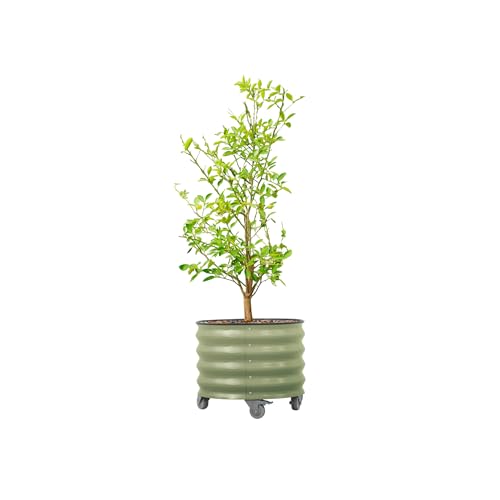
Vego garden Rolling Citrus Planter 21″ 20-Gallon Olive Green

Vego garden Rolling Citrus Planter 24″ 30-Gallon Pearl White

Rolling Citrus Tree Planter Gen 3 Self-Watering 24″ 30-Gallon
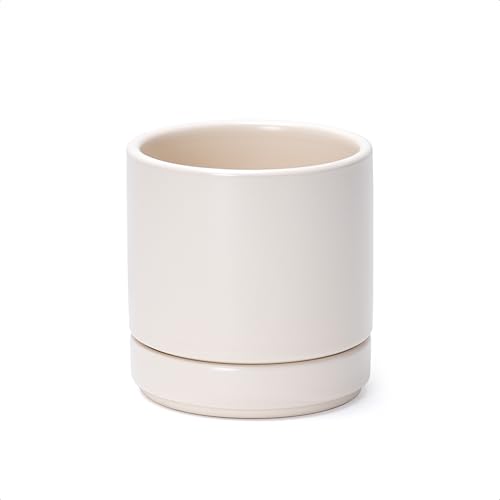
D’vine Dev 4.7 Inch Ceramic Planter Oatmeal

Vego garden Rolling Citrus Planter 27″ 45-Gallon Olive Green

Vego garden Classic Rolling Citrus Planter 1.75′ Raised Bed

Heyzier Wide Round Resin Planter Set of 2 (Black)

LE TAUCI 12 Inch Ceramic Indoor Planter White

LE TAUCI Planter with Acacia Wood Stand 10 Inch
The Details Behind The Selections
Pairing a fig with a companion olive on a sunny patio is a common setup, and getting two matching containers in one shipment removes the guesswork of trying to match colors later. The 21-inch by 17.5-inch rounded square footprint keeps the profile low enough to fit a standard railing gap, while the 20-gallon volume gives a young fig plenty of root room for its first two seasons.
For a single tree on a small balcony, this may feel like more container than you need, but the value of receiving two in the box is real. You get one for the fig and one for herbs, a small citrus, or seasonal rotation. Owners commonly note the metal build feels substantial out of the box, not like a sheet-metal import that dents on first contact.
What Stands Out
- Two planters in one shipment keeps the patio visually paired and saves a second order
- Heavy-duty locking wheels let you roll the fig to a sunny wall or into shelter before a storm
- Steel construction with a coated exterior holds up across multiple winters on an exposed deck
- Integrated drainage holes reduce the risk of root rot during wet spring stretches
Things To Consider
- You may find the 20-gallon volume gets tight once a fig hits its third year and needs root pruning
- The olive green finish can show water spots and mineral residue if you water with a hard hose
Feature Snapshot
Made For
Patio gardeners who want a matched pair for a fig and a companion plant, and who plan to roll both around the deck as the sun shifts through the day.
Where Another Pick Suits Better
The single-unit Vego garden Rolling Citrus Planter 21″ 20-Gallon Olive Green suits shoppers who only want one container and would rather not store or fill a second.
This single-unit version of the Vego 20-gallon planter is the right call when you only have one fig and one corner to fill. Same 21-inch footprint, same coated steel body, same locking casters, just shipped as a single box instead of a two-pack. For a small balcony or a narrow side yard, that smaller footprint is the entire point.
Compared to the two-pack earlier, you trade the value of a second container for a smaller, easier-to-maneuver single unit. The fig still gets 20 gallons of root room, which is enough for a young tree in a quality loamy mix. For a single-specimen setup, this is the cleaner purchase.
Everyday Perks
- Single-shipment convenience without paying for a second unused container
- Rounded square shape tucks neatly into a corner where a fully round pot would waste space
- Locking wheels make weekly repositioning toward the sun a one-handed job
- Drainage setup supports heavy soakings after a long dry stretch
Worth Noting
- No matching second unit included, so the patio can look uneven next to a paired setup
- Steel can run hot in direct afternoon sun, which dries the soil faster than a ceramic wall would
Right Fit For
Single-tree patio growers in tight urban spaces who want a manageable 20-gallon container they can shift around without help.
Consider Something Else When
The Vego garden Rolling Citrus Planter 21″ 20-Gallon (2 Pack) makes more sense if you actually want a matched second pot for an olive, citrus, or fig pair.
Stepping up to 30 gallons gives a fig the kind of root depth it actually wants past year two, and the 24-inch by 20.5-inch rounded body keeps the visual scale from looking clunky on a smaller deck. The pearl white finish reflects heat rather than absorbing it, which helps the soil stay cooler during July afternoons in zone 8 and warmer.
For a coastal or Mediterranean-style patio, the lighter color reads more architectural than the olive green options earlier. You’ll spend more on soil and water to fill a 30-gallon container, but you skip the hassle of root-pruning a fig that outgrows its pot every spring. This is the volume where a fig can finally settle in.
A Favorable Mix
- 30-gallon root volume supports a mature fig without annual root pruning
- Pearl white finish keeps soil temperatures lower in direct sun than darker options
- Locking casters stay stable even when the pot is fully loaded with wet soil
- Rounded profile suits modern deck layouts better than squared industrial shapes
Honest Caveats
- Light finish tends to show dirt splash from rain, requiring occasional wipe-down
- Heavier to move even on wheels once filled, so plan the final spot before filling
Best Suited To
Growers in warmer zones who want a long-term home for a fig rather than a starter container, and who prefer a lighter color palette on the patio.
Not Your Match When
The Vego garden Rolling Citrus Planter 27″ 45-Gallon Olive Green is the better fit if you want maximum root room and don’t mind a darker, more utilitarian color.
The Gen 3 rolling planter adds a feature the rest of the Vego lineup doesn’t have: a self-watering reservoir with a built-in water gauge and a refill tube. For a fig that needs consistent moisture to set fruit, that reservoir removes the worst of the daily watering chore during a hot August. The fig draws what it needs through a wicking system, and you top off the reservoir from above.
The 30-gallon capacity matches the pearl white Vego from earlier, but the integrated watering system makes this the right choice for people who travel, work long hours, or simply forget to check soil moisture. Coated steel construction and stainless steel hardware hold up across seasons, and the food-safe materials support an edible crop like figs without concern.
What Pays Off
- Self-watering reservoir reduces summer watering frequency from daily to weekly in many climates
- Water gauge removes guesswork about whether the fig actually needs a refill
- Corrosion-resistant VZ 2.0 coated steel and stainless steel hardware hold up in coastal air
- Locking caster wheels make winter storage roll-ins easy when temperatures drop
Trade Offs
- Reservoir adds internal parts that require occasional cleaning to prevent algae buildup
- Self-watering setup can keep soil too moist in rainy periods, so monitoring remains useful
Feature Snapshot
Who Should Grab It
Busy growers and frequent travelers who want a fig that survives a missed watering or two without dropping fruit.
Skip It When
The Vego garden Rolling Citrus Planter 24″ 30-Gallon Pearl White fits better if you water on a consistent schedule and don’t want the internal reservoir parts to clean.
A 4.7-inch ceramic pot is not where a mature fig lives, but it is exactly where a fig cutting spends its first few months. Rooting a cutting in a small container lets you control moisture precisely, and the D’vine Dev pot’s drainage hole and matching ceramic saucer handle the runoff cleanly without staining a windowsill. The oatmeal glaze reads warm and neutral, so the pot disappears into a kitchen or plant shelf visually.
Treat this as a propagation and starter vessel rather than a permanent home. High-temperature fired ceramic resists cracking during the root-heating phase, and the included mesh drainage net keeps soil from washing out the bottom hole. Once the fig outgrows the 0.8-quart capacity, you step up to one of the larger containers in this roundup.
Advantages To Know
- Glazed ceramic with high-temperature firing resists hairline cracks during indoor use
- Matching ceramic saucer catches drips without an eyesore on a shelf or sill
- Mesh drainage net prevents soil from escaping through the bottom hole
- Oatmeal finish blends into most kitchen and living room color schemes
Points To Keep In Mind
- Only 0.8 quarts of soil means a fig cutting outgrows this within a single growing season
- Ceramic without a self-watering insert dries faster than glazed alternatives in heated homes
Whose Shelf It Belongs On
First-year growers starting a fig from a cutting who need a small, attractive starter pot before transplanting to a larger container.
Reach For A Different Pick When
The LE TAUCI 12 Inch Ceramic Indoor Planter White is the better long-term indoor home once a young fig has outgrown a starter pot.
The 45-gallon option is the largest in the Vego rolling lineup, and it is the only one on this list that gives a fully mature fig the kind of root depth it would have in the ground. The 27-inch by 23.5-inch footprint reads as a real planter, not a container pretending to be one. For a fig that has been root-bound in a smaller pot for years, this is the upgrade that finally lets the tree relax.
You will feel the difference the first time you fill it. Plan to set up the planter exactly where you want it, because once it is loaded with soil and a tree, the casters roll but the mass does not. Owners commonly note the heavy-duty steel and locking casters handle the weight without drama, but they always recommend filling in place rather than dragging it full.
Key Advantages
- 45-gallon capacity gives a mature fig genuine long-term root room
- Heavy-duty steel frame resists bowing or flexing when the pot is fully loaded
- Locking wheels hold position on sloped patio surfaces once parked
- Same drainage setup as the smaller Vego pots, so watering habits translate easily
Points To Note
- Requires roughly 6 cubic feet of soil to fill, which adds real cost and effort to setup
- Plan the final placement before filling, since moving a loaded 45-gallon pot is a two-person job
Feature Snapshot
Perfect Match For
Growers with an established fig tree that has outgrown every smaller container and needs a final resting home above ground.
Look Elsewhere When
The Vego garden Classic Rolling Citrus Tree Planter raised bed is the better fit if you’d rather grow multiple smaller figs together in a square layout.
The Classic Rolling planter is technically a raised bed, not a traditional pot, and that distinction is exactly the point. The square 1.75-foot footprint gives you a wider planting surface than a round container, which means room for a fig plus a few low-growing herbs at the base. On a rooftop or balcony where a single round pot looks lonely, this layout reads more like a real garden bed.
Rolling wheels underneath make the whole bed mobile, which is unusual for a raised bed at this scale. You can chase the sun through the season or roll the whole bed out of the way for a deck cleaning. For urban growers with limited square footage, the multi-plant layout is the real draw.
A Strong Showing
- Square footprint accommodates a fig and companion plants in one bed
- Raised planting depth supports strong root systems for multiple plants
- Wheels let you reposition the entire garden to follow sunlight through the day
- Compact 1.75-foot scale fits balconies and small patios that reject larger round pots
Potential Drawbacks
- Multi-plant setup means you water more frequently than a single-specimen pot
- Smaller soil volume per plant than a dedicated 30- or 45-gallon container for the fig alone
Built With In Mind
Rooftop and balcony gardeners who want a fig growing alongside herbs or flowers in a single rolling bed rather than scattered individual pots.
Another Choice May Suit
The Vego garden Rolling Citrus Planter 24″ 30-Gallon Pearl White works better for a single fig that needs the largest possible individual root zone.
A resin-stone composite planter solves a problem the metal rolling options cannot: weight. At 16 inches deep by 14 inches tall, the Heyzier pair weighs a fraction of a steel container, which matters on a balcony with a weight limit or a deck that groans under wet soil. The black finish reads neutral against most siding and doesn’t compete with the fig’s foliage for attention.
Resin doesn’t insulate as well as ceramic, so soil temperatures swing more between day and night. For growers in mild coastal zones where summer heat is moderate, that’s rarely a problem. In hotter inland climates, you may find the soil dries out faster than it would in a thick-walled ceramic or steel container, which means more frequent watering through July and August.
Features That Help
- Lightweight resin-stone composite keeps total weight manageable on weight-restricted decks
- Resin resists UV fading and cracking through multiple outdoor seasons
- Set of two allows a fig paired with a second plant in matching finish
- Drainage holes are pre-cut for outdoor use without modification
Possible Compromises
- 14-inch height gives less root depth than the steel rolling options earlier in this list
- Resin walls insulate less than ceramic or steel, so soil temperature swings more widely
Who Will Love This
Balcony growers dealing with weight limits who want a fig in a planter they can lift and rearrange without help.
Swap It Out When
The Rolling Citrus Tree Planter Gen 3 Self-Watering 24″ 30-Gallon is the better fit for a hot inland climate where soil moisture control matters more than weight.
An indoor fig in a 12-inch ceramic cylinder is a different setup than the rolling patio options above, but it’s how many apartment growers keep a small fig going year-round. The tall cylinder shape gives the root system vertical room rather than spreading it sideways, which suits a small tree trained as a single-trunk specimen in front of a south-facing window.
High-fired ceramic means the pot handles the constant moisture cycle of indoor watering without crazing (a network of fine surface cracks that develop in lower-fired clay). White finish photographs well and blends into minimalist decor, though a saucer is not included and you’ll want to add one separately to protect wood furniture from mineral deposits.
The Practical Payoff
- 12-inch cylinder depth supports a small indoor fig trained as a single trunk
- High-fired ceramic resists crazing through repeated wet-dry cycles
- White finish reflects light back onto lower leaves, useful in dim apartments
- Mesh drainage pad reduces the risk of soil washing through the bottom hole
Where It May Fall Short
- Saucer sold separately, so plan an add-on purchase for furniture protection
- Ceramic without insulation can feel cold to the touch in air-conditioned rooms
Feature Snapshot
Right Fit For
Apartment growers with a bright window who want a fig trained as an indoor specimen tree in a clean, modern cylinder.
A Better Fit Elsewhere
The D’vine Dev 4.7 Inch Ceramic Planter Oatmeal is the better starting point for a cutting that hasn’t rooted yet, before stepping up to a 12-inch cylinder.
The final pick is a complete set: a 10-inch ceramic pot paired with a reversible acacia wood stand. The stand lifts the fig to a height that makes pruning and inspection easier, and the acacia wood reads warm against the white ceramic, which suits mid-century and Scandinavian-style interiors. Foot pads on the stand protect hardwood floors from scratches and water rings.
A 10-inch pot is genuinely small for a fig, so this is a setup for a young tree or a dwarf variety that stays compact through pruning. The reversible stand lets you flip the orientation to change the visual profile, and the removable silicone plug in the drainage hole means you can use the pot with or without a saucer depending on the room.
What It Does Well
- Acacia wood stand included, removing the need to source a matching base separately
- Removable silicone drainage plug lets you toggle between saucered and free-draining use
- Foot pads on the stand protect finished floors from scratches and water marks
- Reversible stand orientation offers two different visual profiles in one piece
Smaller Limitations
- 10-inch diameter is on the small side for a fig that has been growing for more than a year
- Wood stand requires occasional conditioning to prevent drying in heated indoor air
Perfect Match For
Stylish indoor growers with a small fig or dwarf variety who want a coordinated pot-and-stand setup that looks finished from day one.
Where A Sibling Pick Shines
The LE TAUCI 12 Inch Ceramic Indoor Planter White gives a small fig more root room if you’re willing to pair it with your own saucer and stand.
Choosing The Right Container For Your Fig
Root Depth Beats Diameter
Figs send out a strong taproot when given the chance, so a deeper container outperforms a wide but shallow one. A 20-gallon tall pot supports a young fig better than a 30-gallon wide-but-short bowl. For most patio growers, picking the deepest option that still fits your space pays off in fruit production within two seasons.
Plan for roughly 5 to 7 gallons of soil volume for every foot of expected tree height. A fig you intend to keep at 4 feet tall wants a 20- to 28-gallon container. If you plan to let the tree reach 6 or 7 feet, jump to the 30- or 45-gallon options earlier in the roundup. Underpotting is the most common reason container figs fail to fruit.
Drainage Is Non-Negotiable
Figs tolerate dry soil better than wet feet, so every container on this list includes drainage holes, and you should keep them clear. Elevate the pot slightly on its wheels or feet so water actually exits rather than pooling against the base. A clogged drainage hole is the fastest path to root rot in a fig.
Skip the gravel layer at the bottom. The old advice to add rocks for drainage actually raises the water table inside the pot and makes saturation worse. A single piece of mesh or landscape fabric over the hole keeps soil in while letting water out, which is all you need.
Mobility Matters More Than You Think
A fig in a 30-gallon container filled with wet soil weighs close to 250 pounds. Wheels aren’t a luxury at that scale, they’re the difference between repositioning for afternoon sun and leaving the tree in a bad spot for the rest of the season. Rolling casters also make winter protection simple if you live in zone 6 or colder.
If your space is indoors or on a sheltered porch where the tree stays put year-round, a static ceramic pot like the LE TAUCI options is fine. The mobility question really matters for outdoor patio growers in variable climates.
Material Choice Is About Climate
Steel heats up fast in direct sun, which suits cool-summer climates but stresses roots in hot inland zones. Ceramic insulates better but weighs more and can crack in freeze-thaw cycles. Resin keeps weight low but insulates least, so it’s best in mild coastal climates where summer heat is moderate.
Match the material to your microclimate, not just to your aesthetic. A pearl white steel pot in Phoenix behaves very differently from the same pot in Seattle, and the same is true of a black resin planter in Dallas versus San Francisco.
What To Watch For Before You Commit
Common Buying Mistakes
Shoppers often pick a container that’s too small for the mature tree they have in mind, then spend two seasons root-pruning and repotting to keep up. Measure the space you have and the height you want the tree to reach before choosing a volume, and remember that figs grow faster than most people expect in a quality soil mix.
Another slip is choosing a container without a drainage hole, or covering the holes with a layer of gravel. Both lead to the same soggy-bottom outcome. Every pot on this list drains properly out of the box, but the moment you put it on a saucer without elevating the base, you’re recreating a swamp.
Why Premium Containers Cost More
The self-watering and heavy-gauge steel options cost more because they add internal parts and thicker materials. A self-watering reservoir reduces summer watering from daily to weekly, which is a real time savings if you travel or work long hours. Heavier-gauge steel resists denting and bowing over years of full-sun exposure, which matters more in harsh climates than in mild ones.
Whether the upgrade is worth it depends on how long you plan to keep the container and how much maintenance you want to do. For a fig you’ll grow for the next decade, the extra up-front cost amortizes quickly. For a fig you might replace in two years, the lighter options earlier in this list are the smarter spend.
Frequently Asked Questions
How big should a pot be for a fig tree?
A young fig cutting starts well in a 4- to 6-inch starter pot and moves up to a 20- to 30-gallon container by its second year. Mature trees that you want to keep at 5 to 7 feet tall need 30 to 45 gallons of soil volume to fruit reliably without annual root pruning.
Do fig trees do better in pots or ground?
Container figs are easier to protect in cold winters and let you control soil quality precisely. In-ground figs grow larger and produce more fruit, but only in regions where winter lows stay above about 10°F. For zones 6 through 9, a rolling container is often the most practical way to keep a fig productive year after year.
Can ceramic pots be used outdoors for figs?
High-fired ceramic holds up outdoors in mild climates, but lower-fired pots can crack during freeze-thaw cycles. If you live where winters drop below freezing for extended periods, glazed ceramic is safer than unglazed terracotta, which absorbs moisture and tends to flake.
How often do you water a fig in a container?
Most container figs need deep watering two to three times per week during the growing season, with daily watering during heat waves above 95°F. The self-watering Gen 3 planter reduces that frequency by holding a reservoir the roots can draw from, which is helpful in hot climates or for frequent travelers.
Do figs need full sun in pots?
Yes, figs in containers need at least 6 to 8 hours of direct sun to set fruit. A rolling planter helps because you can move the tree to follow the sun through the day or shift it to a sheltered spot when summer afternoon heat becomes excessive in zones 9 and warmer.
Final Verdict
The right container depends on whether you’re starting a cutting, growing a patio specimen, or housing a mature tree. For most patio growers, a 20- to 30-gallon rolling planter with locking wheels is the sweet spot of mobility, root room, and manageable weight. Indoor growers with a bright corner get the most mileage from a ceramic cylinder on a saucer, while rooftop and balcony setups benefit from the lighter resin options that don’t push deck weight limits.
