

A rose pot is not just a decorative sleeve for a pretty flower. Roses are hungry, deep-rooted plants that punish shallow containers, hold grudges against soggy soil, and reward generous drainage with stronger stems and longer bloom cycles. The right pot also needs to fit the way you actually garden, whether that means a tiny patio ledge or a sunny front walkway. This lineup mixes vintage ceramic charmers, breathable clay pieces, and self-watering plastic sets so you can match the container to the variety, the climate, and your watering habits.
A Closer Look At The Lineup

Xiaan Jiaju Shabby Chic Flower Pot, 6.11 Inch Ceramic Planter

Rimvoe 3pcs Crochet Flower Pot Set, Sunflower, Red Rose, Forget Me Not
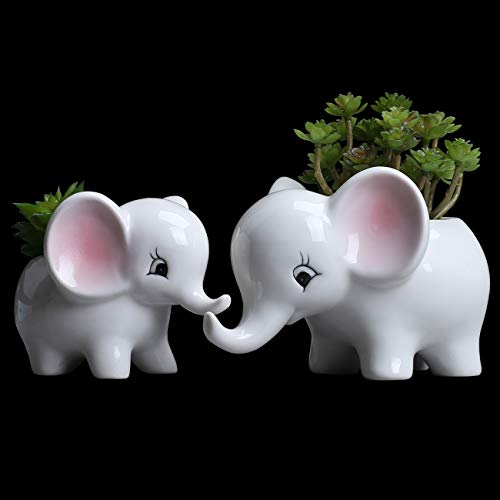
Ogrmar 2PCS Elephant Planter Window Boxes, White
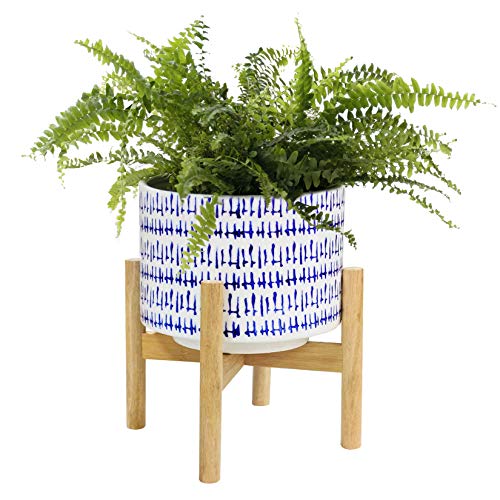
LA JOLIE MUSE Ceramic Planter with Wood Stand, 7.3 Inch

Ezmixcoop Self Watering Planter 6-Pack with Visual Water Level

Ezmixcoop 12/10/9/8 Inch Self Watering Pot Set, Black

Fielda Self Watering Pots 8/7/6.5/6/5 Inch Set

Fielda Self Watering Pots 10/9/8/7/6.5 Inch Set
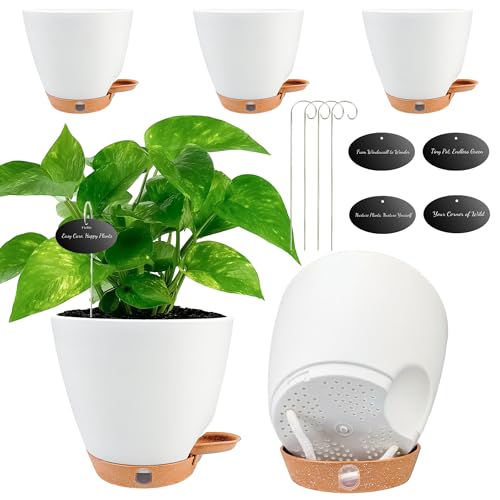
Fielda 6 Inch Self Watering Pots, 5-Pack

Ezmixcoop Self Watering Planter 12/10/9/8 Inch Set, Green
A 6.11-inch ceramic vessel feels purpose-built for a small patio rose or a freshly rooted cutting. The pink rose floral pattern leans into country-cottage styling, and the piece carries a slightly distressed finish that softens the look instead of screaming brand new.
Built-in drainage means you are not fighting root rot every time summer rain rolls through. In our view, this is the spot where rose growers who care about aesthetics more than agronomy will land, and the compact size keeps it light enough for a windowsill or a bistro table.
What It Does Well
- Built-in hole lets excess water escape, which keeps rose roots from sitting in soggy soil.
- Ceramic body holds moisture longer than thin plastic, so mid-summer watering stretches out a bit.
- Vintage floral pattern doubles as decor, so you skip a separate cachepot.
- 6.11-inch footprint fits narrow sills, breakfast trays, and crowded plant shelves.
Things To Consider
- Smaller volume limits root depth, so larger rose varieties will outgrow it within a season.
- Ceramic can craze or hairline crack if left outdoors through a hard winter freeze.
- Pattern is decorative only, so the pot does not hide mineral buildup on the rim over time.
Who It Suits Best
Anyone styling a small indoor rose cutting, a gift plant, or a kitchen counter display who wants the container itself to carry the look.
Look Elsewhere When
If you want a deeper vessel for an established patio rose, the LA JOLIE MUSE Ceramic Planter with Wood Stand gives you more root room and a sturdier presentation.
Let us be honest up front, this is a decor set, not a working planter. The trio bundles a crocheted red rose, a sunflower, and a forget-me-not, each hand-stitched with multiple blooms, so a desk or shelf gets an instant floral upgrade without any watering schedule.
You may find this lands well as a Mother’s Day or Valentine’s gift because the pieces read as crafted rather than mass-produced. Crochet petals hold their shape in transit, and the bright palette covers most neutral interiors without clashing.
What Helps Most
- Zero maintenance, no soil, no drainage, no sunlight requirements.
- Handmade look adds warmth that printed ceramic planters cannot match.
- Three-piece set lets you style a vignette across a shelf, desk, or car dashboard.
Trade Offs
- Yarn construction is decorative, so it will not host a real rose cutting or a succulent.
- Petals can snag on jewelry or Velcro if the pot travels in a bag often.
- Crochet fibers attract dust over months of static display, so plan on an occasional gentle brush-off.
Made For
Someone wanting rose-themed accents on an office desk, a nightstand, or a window ledge who would rather skip the watering can entirely.
Consider Something Else When
Anyone wanting a working pot should reach for the Xiaan Jiaju Shabby Chic Flower Pot, which gives a real ceramic body with proper drainage.
The Ogrmar pair turns a window ledge into a tiny zoo. Two white elephant-shaped planters line up along a sill or a narrow railing, and the silhouette carries the whimsy before a single bloom shows up.
Each piece includes a drainage hole, so live roses, succulents, or herbs actually stand a chance. You may find the elephant shape especially appealing if your garden leans playful rather than formal, and the white finish matches most exterior trim.
Points In Its Favor
- Drainage hole prevents root rot in mini rose plantings.
- Two-piece layout reads as a deliberate design rather than a single stray pot.
- White ceramic brightens shaded window ledges where darker pots disappear.
- Compact footprint works for apartment balconies and narrow fence rails.
Small Caveats
- The shape limits soil volume, so deep-root rose varieties will need repotting quickly.
- Ceramic ears and trunks are decorative bumps that collect dust in crevices.
Who Should Grab It
Gift-shopping for a friend with a sunny windowsill, or styling a kid-friendly patio where novelty matters more than formality.
Reach For A Different Pick When
If you want a deeper ceramic body for a real rose, the LA JOLIE MUSE Ceramic Planter with Wood Stand gives a more traditional silhouette with similar drainage.
Compared to the previous Xiaan Jiaju ceramic, this LA JOLIE MUSE piece trades the floral pattern for a quieter ripple-glaze finish and adds a real wood stand underneath. The stand lifts the pot off cold tile or composite decking, which protects both surfaces and the ceramic base.
The 7.3-inch opening gives a miniature rose room to stretch, and the hand-painted finish means each pot looks subtly different. In our view, this is the spot where design-conscious growers land when they want a planter that earns its place in a styled room.
Advantages To Know
- Wood stand protects floors from moisture rings and raises the pot to display height.
- Glazed ceramic resists staining from fertilizer salts better than unglazed terracotta.
- Ripple texture hides minor water spots between cleanings.
- High-temperature firing creates a denser body that handles outdoor spring and fall seasons.
Honest Caveats
- Wood stand needs an occasional dry cloth wipe-down to prevent spotting from humid pots.
- Heavier than plastic, so rearranging a full planting takes two hands.
The Right Fit
Design-minded rose growers displaying a single specimen on a console table, mantel, or styled shelf who want the pot to read as decor first.
Swap It Out When
Anyone who needs multiple matching pots should consider the Ezmixcoop Self Watering Planter 6-Pack with Visual Water Level instead.
This six-pack is built around the cotton wick reservoir system, where a rope draws water from a deep bottom tray up into the soil. A small window on the side shows how much water remains, so you refill on your schedule rather than the rose’s panicked timeline.
Six sizes (8, 7, 6.5, 6, 5.5, and 5 inches) cover a propagator’s full workflow from cuttings to mid-size patio roses. Depending on your watering style, this may be the most forgiving starter set on the list.
What Earns Its Place
- Visible water level removes guesswork, which helps new rose growers avoid overwatering.
- Reservoir tray keeps water off wood decks and tile floors.
- Six sizes let you stage plants by maturity in matching white plastic.
- Drainage hole prevents the reservoir from drowning roots if you overfill.
Points To Note
- Plastic body is lighter and less decorative than the LA JOLIE MUSE ceramic piece.
- Cotton wick needs a check every few months because mineral buildup slows absorption over time.
Key Features At A Glance
Best Suited To
Frequent travelers and new rose growers who want a forgiving system that keeps soil moisture steady without daily attention.
Skip It When
Anyone designing a formal living room display should pick the LA JOLIE MUSE Ceramic Planter with Wood Stand for a more elevated look.
This is the larger sibling to the white 6-pack, and the size jump matters for roses. The 12, 10, 9, and 8-inch range finally gives a floribunda or a small shrub rose the root depth it actually wants, which is where most decorative 6-inch pots fall short.
The same cotton wick and indicator window design carries over, so the upgrade is purely about volume and visual weight. In most patios, the matte black finish reads modern rather than rustic, and the deep reservoir suits hot summers when daily watering gets old fast.
A Few Strong Suits
- 12-inch max diameter supports a real shrub rose rather than a novelty cutting.
- Reservoir cuts watering frequency during heat waves.
- Black plastic hides algae stains that show up on lighter plastic after a season outdoors.
- Mesh drainage hole balances wicking with overflow protection.
Less-Strong Areas
- Heavy when fully watered, so consider caster saucers if you move pots often.
- Black finish absorbs heat in direct summer sun, which can stress roots in warm zones.
Feature Snapshot
Right Fit For
Growers with a sunny patio who want one set that handles the whole lineup from young rose to a flowering shrub.
Not Your Match When
Anyone working with a small apartment balcony should choose the Fielda 6 Inch Self Watering Pots 5-Pack to keep scale honest.
Fielda slots into the same self-watering category as Ezmixcoop, but the smaller size spread (8, 7, 6.5, 6, and 5 inches) makes this set feel like an indoor starter kit rather than a patio overhaul. The cotton wick pulls water from the bottom tray, so the soil stays evenly moist between refills.
You may find this a better match if your rose project is still in the propagation phase, since most cuttings root happily in 5 to 6-inch pots before graduating to bigger containers.
Practical Advantages
- Cotton wick system forgives missed waterings during the workweek.
- Five sizes map neatly to a grow-and-pot-up workflow.
- Plastic body is light enough to rearrange seasonally.
- Works indoors or on a covered patio without weatherproofing concerns.
Where It May Fall Short
- Smaller maximum size limits use to young or compact rose varieties.
- Wicks can clog if you use hard tap water without occasional flushing.
Perfect Match For
First-time rose growers working from cuttings or nursery starts who want a forgiving self-watering setup at a manageable scale.
A Better Fit Elsewhere
Anyone needing 10-inch and larger containers for established roses should pick the Ezmixcoop 12/10/9/8 Inch Self Watering Pot Set in Black.
Step up from the previous Fielda set and you land here, with sizes topping out at 10 inches. That extra few inches of diameter gives a young rose room to develop a real root ball before it ever needs a 12-inch upgrade, which makes this a sensible middle stop in the lineup.
Same cotton wick story, same detachable bottom tray, same indoor-and-outdoor flexibility. In our view, this set hits the sweet spot for someone who has outgrown propagation but is not yet ready to wrestle a 12-inch planter across the deck.
The Case For It
- 10-inch max suits patio roses that need real root room without overpowering a small deck.
- Five graduated sizes cover a season of growth in one purchase.
- Reservoir design reduces the chance of dry-down stress during heat waves.
- Lightweight plastic makes seasonal rearranging easy.
Practical Considerations
- Plastic shows algae growth in shaded, humid corners over time.
- Wicks need periodic replacement if you use highly mineralized water.
Right Fit For
Mid-size patio growers who want matched self-watering pots for a collection of established young roses.
Where Another Pick Suits Better
If you want a more decor-forward material, the LA JOLIE MUSE Ceramic Planter with Wood Stand offers a far more polished living room display.
A uniform 6-inch five-pack reads differently from the graduated sets above. Every pot is the same size, so the value lies in matching containers for a windowsill row rather than a stepped propagation lineup.
The cotton wick plus water level indicator behaves like the larger Fielda sets, just in a smaller, more giftable footprint. You may find this the easiest option for splitting plants between friends or staging a uniform ledge.
Useful Highlights
- Uniform 6-inch size creates a clean matched row across a windowsill.
- Indicator window removes guesswork for newer rose growers.
- Compact format works for apartment dwellers without a yard.
- Cotton wick keeps soil evenly moist for short trips away from home.
Things That May Matter
- Single size means you will need new pots once roses outgrow 6 inches.
- Small saucers can overflow if you top up the reservoir too quickly after a dry spell.
Who Will Love This
Small-space growers and gift-givers who want a tidy matching set of self-watering pots for indoor rose cuttings or mini rose varieties.
Where A Sibling Pick Shines
If you need bigger containers down the road, the Fielda Self Watering Pots 10/9/8/7/6.5 Inch Set graduates with the plant.
Same large-format Ezmixcoop system as the black set reviewed earlier, but the green finish shifts the mood entirely. Against a wooden fence or a hedge, the green body disappears into the foliage so the roses themselves take the spotlight.
The 12 to 8-inch range and the deep reservoir stay the headline feature, and the cotton wick keeps deep-rooted roses from drying out between refills. Depending on your climate, this set may be the only one large enough to carry a floribunda through a hot August.
The Practical Payoff
- Green finish blends into garden backdrops, so the focus stays on blooms.
- 12-inch max supports a flowering shrub rose with a real root system.
- Reservoir cuts watering frequency to once a week in most conditions.
- Drainage hole prevents catastrophic overflow during heavy rain.
Trade-Offs To Consider
- Plastic finish can fade after a few summers in direct sun.
- Heaviest size demands a stable deck or pavers rather than a balcony rail.
Quick Facts
Right Fit For
Garden-first growers designing a front-walk rose arrangement who want the containers to disappear into the planting.
Look Elsewhere When
If the pot itself is part of the styling, the LA JOLIE MUSE Ceramic Planter with Wood Stand is the more display-friendly option.
What To Weigh Before Picking A Container For Roses
Roses reward depth. A pot under 8 inches usually limits you to cuttings or mini varieties, while a 10 to 12-inch container supports a real floribunda or patio shrub. Match the diameter to the mature size of the rose rather than the size it ships in from the nursery.
Drainage is non-negotiable. Even with self-watering reservoirs, a drainage hole prevents the catastrophic root rot that ends most container roses. Self-watering pots earn their keep by smoothing out moisture swings rather than replacing drainage entirely.
Material changes the look and the workload. Ceramic and high-fired clay look refined but need winter protection in cold zones. Plastic is light, durable, and easy to move, which matters when you rotate containers to chase the sun across the seasons.
Quick Guide To The Material And Sizing Tradeoffs
Pick a depth before you pick a finish. Roses with a grafted union on top of the rootstock want at least 12 inches of soil depth, so the smallest decorative pots in this list only suit cuttings, miniatures, or short-term gift plantings.
Forgiving systems for busy schedules. If you travel or forget watering days, the cotton wick reservoir sets from Ezmixcoop and Fielda handle multi-day absences far better than open ceramic pots that dry out within a day in summer.
Decor-forward pieces for styled rooms. Ceramic planters like the LA JOLIE MUSE with a wood stand, the Xiaan Jiaju shabby chic pot, or the Ogrmar elephant pair work hardest indoors where the container is part of the visual story.
Where Shoppers Go Wrong
Choosing by looks alone. A 6-inch ceramic pot looks charming on a shelf, but a grafted rose simply will not thrive in that volume. Picking the smallest attractive pot is the most common mistake that ends a container rose early.
Ignoring drainage. Decorative pots without holes collect water at the base and suffocate roots. Even with a self-watering system, an overflow path matters for storm season.
Underestimating weight. A 12-inch plastic pot filled with wet soil can weigh 30 pounds or more. Plan where it sits before you plant, since constant dragging damages saucers and deck surfaces.
Why Top Tier Costs More In This Category
The higher-priced options on this list earn their position through material density and construction detail. High-fired ceramic with hand-painted glazing, raised wood stands, and thicker walls all add cost but also extend service life.
In the self-watering category, the larger sets cost more because they include deeper reservoirs, more cotton wick material, and a wider size range. For someone growing one or two roses, the smallest set is plenty. For someone building a full patio collection, the larger sets replace years of mismatched single purchases.
The upgrade is worth it when you can answer yes to two questions: you keep roses in containers for more than one season, and you want the planter itself to last longer than the plant.
Frequently Asked Questions
How big should a pot be for a rose? Most roses need at least 10 to 12 inches of diameter and depth for healthy root development, though mini varieties can thrive in 6-inch containers.
Do roses need drainage holes in pots? Yes, drainage is essential to prevent root rot, even in self-watering pots where a reservoir still needs an overflow path during heavy rain.
Can roses survive winter in containers? Roses in containers are more exposed to cold than in-ground plants, so ceramic and thin plastic pots should be moved to a sheltered spot or wrapped in cold climates.
Are self-watering pots good for roses? Self-watering pots help maintain consistent soil moisture, which roses appreciate, but the reservoir should be monitored so roots never sit in stagnant water.
What is the best material for rose pots? High-fired ceramic and dense plastic both work well, with ceramic offering a more decorative finish and plastic offering lighter weight and easier winter storage.
The Takeaway
The right pot for your rose comes down to matching size, drainage, and material to where you actually garden. Decorative ceramics shine indoors, while self-watering plastic sets keep outdoor collections alive through busy weeks. Pick based on the rose variety in your hand and the climate on your patio, and the rest takes care of itself.
