

Tomatoes behave differently in containers than they do in open ground, and the wrong pot usually shows up as cracked fruit, wilting mid-summer, or roots that circle and strangle themselves. Growers working with a balcony, patio, or tight backyard need containers that breathe, drain, and give roots room to run before August heat peaks.
The picks below lean heavily into fabric grow bags, where air-pruning (a process where exposed root tips stop growing when they hit air, forcing the plant to branch out) keeps roots from circling, but a vertical raised bed made the list for gardeners who’d rather stand than kneel. Each entry below was evaluated on fabric weight, capacity, handle design, and how it holds up across a full growing season.
A Snapshot Of The Selections

AC Infinity Heavy-Duty 500G Fabric Pots, 5 Gallon

PAMAZY 20-Gallon Grow Bag with Harvest Window

Songrey 10-Pack 10 Gallon Grow Bags

FEED GARDEN 15 Gallon Grow Bags 8 Pack

LITLANDSTAR 6 Pack 15 Gallon Grow Bags with Flap
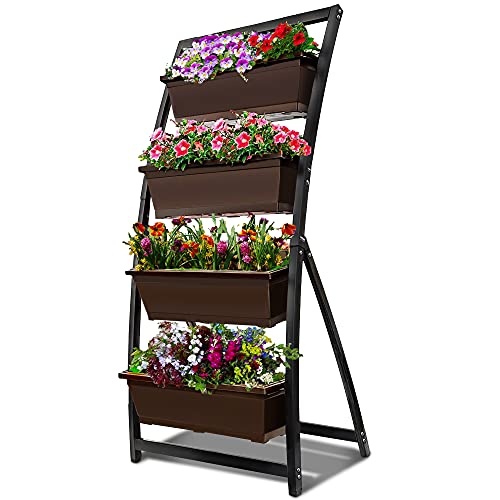
Outland Living 6-Ft Vertical Raised Garden Bed

FVOTNW 5-Pack 10 Gallon Two-Tone Grow Bags

FEED GARDEN 5 Gallon Grow Bags 4 Pack

FEED GARDEN 10 Gallon Grow Bags 4 Pack

Hemikaki 5-Pack 20 Gallon Grow Bags
What Each Pick Brings To The Table
AC Infinity’s five-gallon fabric pot sits at the front of the list because the 500G nonwoven fabric feels closer to a tarp than a typical grow bag, which matters when soil gets wet and heavy in mid-July. Stitched nylon handles run through the rim rather than just tacking on at the sides, so dragging a fully watered plant across a patio is far less of a wrestling match. For growers running a tight three-to-five-plant patio setup, the true-to-size capacity gives roots a believable workspace without dominating the deck.
Built-in metal rings around the rim are a quiet touch for anyone who trains branches with twist ties; you simply thread the tie through rather than anchoring it to the bag itself. The breathable weave sheds excess water fast, which is helpful during surprise rainstorms but means daily watering may become routine in peak heat. Compared to the budget five-gallon options lower in this list, the heavier fabric should hold shape across multiple seasons rather than going saggy by year two.
What Earns Its Place
- Thick 500G fabric that resists tearing and keeps its shape through repeated wet-dry cycles.
- Sturdy stitched handles capable of supporting a fully watered bag without ripping at the seam.
- Air-pruning weave that keeps roots from circling, leading to denser feeder roots.
- Built-in rim rings for low-stress branch training without anchoring ties to fabric.
- True-to-size volume that gives a single indeterminate tomato room to stretch.
Worth Noting
- Faster drainage means you’ll water more often in hot, dry stretches than with a plastic pot.
- Heavier fabric adds bulk when empty, so storing ten of these in a small shed gets awkward.
Right Fit For
Growers running a small patio with two to five tomato plants who want a bag that lasts several seasons rather than one that falls apart after a single harvest.
A Better Fit Elsewhere
Tomato growers who want a built-in harvest window should look at the PAMAZY 20-Gallon Grow Bag with Harvest Window lower in this list, since that design adds a visible flap for checking root and fruit progress.
PAMAZY’s two-pack twenty-gallon bag introduces something most fabric pots skip: a clear harvest window with a hinged flap. The flap opens downward, so you can peek at soil moisture, watch fruit color develop, and harvest lower clusters without yanking the whole plant upward. For tomato growers who treat gardening as half observation, that visual access changes the rhythm of the season.
The reinforced handles run from the bag base, which is the right call when a fully loaded twenty-gallon bag can push past sixty pounds once saturated. With only two bags in the pack, you may find yourself buying a second set if your tomato ambitions grow beyond a single raised row. Compared to the AC Infinity above, this trades raw fabric weight for a feature-driven design, so buyers who want window access are paying for engineering rather than pure material thickness.
A Strong Showing
- Hinged harvest window lets you check ripeness and soil without disturbing roots.
- Twenty-gallon volume accommodates large indeterminate tomato varieties with room to spare.
- Handles stitched from the base handle the weight of saturated soil during relocation.
- Clear flap doubles as a moisture gauge, helpful for new growers learning watering cues.
Things To Consider
- Only two bags per pack, so expanding a full tomato patch requires multiple purchases.
- The window adds complexity that owners report requires gentle handling to avoid cracking over time.
Made For
Growers who want hands-on engagement with the ripening process and prefer fewer bags with extra features over many plain bags.
Swap It Out When
Tomato gardeners needing ten or more bags for a wider patch should reach for the Songrey 10-Pack 10 Gallon Grow Bags, which delivers volume at the cost of harvest windows.
Songrey ships a ten-pack of ten-gallon grow bags aimed at gardeners scaling up a patio tomato patch in one purchase. The nonwoven fabric is BPA-free (meaning free of bisphenol A, a chemical sometimes used in plastic coatings) and built thick enough to avoid the floppy-wall problem you see on cheaper five-gallon bags once soil settles. Ten bags in a single shipment also means a consistent look across the deck, which matters if your growing space doubles as an outdoor sitting area.
The ten-gallon size splits the difference between the AC Infinity’s compact five-gallon option and the larger fifteen- and twenty-gallon picks further down. For most indeterminate tomato varieties, ten gallons is the sweet spot where root mass and watering frequency balance out, though you will still water daily in August heat. Owners commonly report that washing the bags at season’s end and storing them flat keeps them serviceable for three or more growing cycles.
What Helps Most
- Ten-bag bulk pack covers a full tomato patch in one purchase.
- BPA-free fabric offers peace of mind for edible crop growers.
- Thick nonwoven weave drains well while holding shape through the season.
- Ten-gallon size suits most indeterminate tomato varieties without overwatering risk.
Honest Caveats
- Ten bags take up real storage space during off-season if you don’t fold them flat.
Key Specs
Best Suited To
Growers outfitting a large patio or small backyard with a consistent row of tomatoes in a single shopping trip.
Consider Something Else When
Gardeners who want bags built for heavy single-plant loads should consider the FEED GARDEN 15 Gallon Grow Bags 8 Pack, which delivers larger individual volume per bag.
FEED GARDEN’s eight-pack fifteen-gallon bag is engineered for plants that want to sprawl. The 300G thickened fabric keeps walls upright even when the bag is filled to the brim, which solves the frustrating sag that thinner bags develop by midsummer. For indeterminate tomatoes reaching six feet or beyond, fifteen gallons provides the root depth that prevents the late-season water-stress slump where fruit suddenly cracks on the vine.
The double-stitched handles are the practical highlight; once a fifteen-gallon bag is saturated, lifting it without a sturdy grip is a recipe for a torn seam and a soil spill. FEED GARDEN targets large vegetables and fruit plants, so this bag doubles as a summer home for eggplants, cucumbers, or even small fruit trees if your tomato ambition tapers off. Compared to the ten-gallon Songrey bags above, each FEED GARDEN container holds meaningfully more soil, though you will need fewer total bags to fill the same patch.
What Stands Out
- 300G heavy-duty fabric prevents wall collapse under heavy, wet soil loads.
- Double-stitched handles support the weight of fully loaded bags during relocation.
- Fifteen-gallon capacity supports large indeterminate tomatoes through peak heat.
- Multi-season durability appeals to growers reusing bags year after year.
Trade-Offs
- Larger volume means more soil to purchase and store between seasons.
- Bags take up substantial floor space; eight of them require a dedicated patio zone.
Perfect Match For
Growers committed to large indeterminate or heirloom tomato varieties that need deep, sustained root systems across a long summer.
Look Elsewhere When
Balcony gardeners working with limited floor space should consider the FVOTNW 5-Pack 10 Gallon Two-Tone Grow Bags, which offers a tighter footprint per bag.
LITLANDSTAR’s six-pack fifteen-gallon grow bag pairs the volume growers want for big tomato plants with a flap for root-zone access. The thickened felt material feels closer to a felted wool than a slick nonwoven, which gives the bag a slightly softer hand and tends to insulate roots against rapid temperature swings on hot afternoons. The flap is positioned low on the bag, making it useful for checking soil moisture near the root crown where tomatoes are most sensitive to drying out.
At six bags per pack, this lands between the FEED GARDEN eight-pack and a smaller starter bundle, suiting a mid-sized patio garden. Owners commonly report that the breathable felt-like fabric resists the musty smell that some nonwoven bags develop late in the season. Compared to the PAMAZY twenty-gallon option higher up, LITLANDSTAR gives up the clear viewing window for opaque fabric, trading visual access for simpler construction.
Practical Pluses
- Felt-like thickened material insulates roots against midday heat spikes.
- Lower access flap aids in moisture checks at the root crown level.
- Fifteen-gallon capacity suits large tomato plants with room for root expansion.
- Six-bag pack fits a mid-sized garden without overwhelming a small patio.
Points To Keep In Mind
- Felt-style fabric may shed microfibers during the first few watering cycles.
- Without a clear window, you cannot visually gauge fruit or root progress through the bag wall.
Who Should Grab It
Growers managing six to eight tomato plants who want generous bag volume and a simple lower access flap for routine moisture checks.
Another Choice May Suit
Growers who want a clear viewing window should consider the PAMAZY 20-Gallon Grow Bag with Harvest Window, which trades opaque construction for visual access.
The Outland Living vertical garden steps away from the fabric bag format entirely, trading soft-sided flexibility for a freestanding six-foot frame with four container bins. Tomato plants don’t sprawl on the ground here; they grow upward in their own column, which appeals to apartment and condo gardeners whose patio floor is also their walking path. The elevated design also means no kneeling, a real quality-of-life upgrade for anyone whose knees have started keeping score.
The trade-off is structural: this is a multi-piece assembly rather than a fold-flat bag, and you’ll want to anchor it against wind once the plants reach full height. Compared to the LITLANDSTAR fifteen-gallon bag above, the Outland offers less total soil volume per tomato plant, so variety selection matters more. Cherry and small-fruited tomatoes thrive; large beefsteaks may run out of root depth before reaching their full potential.
What Makes Sense
- Vertical design eliminates the bending and kneeling associated with ground-level pots.
- Four separate bins let you isolate tomatoes from herbs or flowers in the same footprint.
- Six-foot height makes a visual statement on a patio, doubling as a garden centerpiece.
- Frame construction resists tipping in wind better than soft-sided bags.
Practical Considerations
- Per-bin soil volume is smaller than large fabric bags, limiting large-fruited tomato varieties.
- Multi-piece assembly takes longer to set up than unfolding a fabric bag.
Built With In Mind
Patio and balcony gardeners with limited floor space and a preference for vertical, decorative growing over ground-level sprawl.
Skip It When
Growers focused on large heirloom or beefsteak tomatoes should reach for the Hemikaki 5-Pack 20 Gallon Grow Bags, which provide far greater per-plant soil volume.
FVOTNW leans into aesthetics without losing functionality. The two-tone patchwork design upgrades the look of a patio garden, and the dark bottom panel absorbs and holds solar heat, which can nudge soil temperatures up by several degrees in cooler spring weather. Tomatoes are heat-loving plants, so anything that warms the root zone earlier in the season translates into earlier fruit set for short-summer climates.
The 350G fabric thickness sits in the sturdy middle of the market, thick enough to resist tearing but not so heavy that empty bags become a chore to move. Five bags in a pack works for a focused patio setup, though growers wanting a fuller row will need additional packs. Compared to the FEED GARDEN 10-gallon option below, FVOTNW adds visual styling and a thermal feature rather than raw bag count.
Key Advantages
- Dark bottom panel absorbs solar heat to warm soil earlier in the growing season.
- Two-tone patchwork appearance upgrades patio aesthetics compared to plain bags.
- 350G fabric strikes a balance between durability and manageable weight.
- Available in multiple capacities for growers mixing sizes in one garden.
Small Caveats
- Five-bag pack limits larger garden setups without a second purchase.
- Two-tone styling may not appeal to growers preferring a uniform look.
Feature Snapshot
Whose Shelf It Belongs On
Growers in cooler climates who want a fabric bag that helps warm the root zone earlier in the season without resorting to black plastic mulch.
Where A Sibling Pick Shines
Growers outfitting a much larger patch should consider the Songrey 10-Pack 10 Gallon Grow Bags, which delivers double the bag count per purchase.
FEED GARDEN’s compact five-gallon four-pack targets the grower who’s starting small, working with herbs and a tomato or two on a balcony rail. The 300G fabric is the same heavy weight as the brand’s fifteen-gallon option, so even at this smaller size the walls hold their shape under wet soil. The fold-flat design is the practical standout: each empty bag weighs around four ounces, so storing four of them between seasons barely takes up a shelf.
Five gallons is the lower threshold for tomatoes, which means determinate (bush-type) varieties and small cherries will thrive while larger beefsteaks may run short on root depth by late August. For mixed herb-and-tomato patios, this size fits where the bigger bags cannot. Compared to the AC Infinity five-gallon option at the top of this list, FEED GARDEN offers fewer bags per pack but identical fabric weight.
Real-World Strengths
- Fold-flat design stores easily in small apartments during the off-season.
- 300G fabric prevents wall collapse despite the smaller bag size.
- Compact footprint fits balcony rails and small patios where larger bags won’t work.
- Reusable across multiple seasons when cleaned and dried before storage.
A Few Limitations
- Five-gallon volume limits tomato variety choice; large heirlooms may struggle.
- Smaller soil mass dries out faster, demanding more frequent watering in heat.
The Right Fit
Balcony and starter gardeners running a tight two-to-four-plant setup with determinate or cherry tomato varieties.
Reach For A Different Pick When
Growers wanting to scale up to a fuller tomato patch should consider the FEED GARDEN 10 Gallon Grow Bags 4 Pack, which offers the same brand quality in a larger size.
FEED GARDEN’s ten-gallon four-pack fills the middle of the lineup, where most home tomato growers land. The 300G thickened fabric matches the heavier bags in the brand’s range, so durability isn’t sacrificed to hit a smaller pack count. Reinforced handles are stitched to bear the weight of saturated soil without tearing at the seam, which is the most common failure point on cheaper grow bags.
Ten gallons gives indeterminate tomatoes enough root depth to push through July and August without the daily watering panic that smaller bags create. Four bags suits a focused single-row setup, and most growers running this size pair them with cages or stakes from day one. Compared to the Songrey ten-pack above, FEED GARDEN offers fewer bags but identical fabric quality, making this the choice for shoppers who don’t need ten plants.
Advantages To Know
- 300G fabric matches the brand’s larger bags, ensuring consistent durability across sizes.
- Reinforced handles bear the weight of fully watered ten-gallon soil loads.
- Ten-gallon volume suits most indeterminate tomato varieties through peak summer.
- Four-bag pack fits standard backyard setups without excess inventory.
Where It May Fall Short
- Four bags may leave gardeners wanting more if tomato ambition expands mid-season.
Who It Suits Best
Growers running a standard four-plant backyard tomato row who want consistent fabric quality without committing to a ten-bag bulk purchase.
Not Your Match When
Growers needing volume for a much larger patch should consider the Songrey 10-Pack 10 Gallon Grow Bags for bulk bag count at the same per-bag size.
Hemikaki rounds out the list with five twenty-gallon bags measuring roughly 19.7 inches across and 15.8 inches tall, dimensions that give large heirloom tomatoes the depth they crave. The thickened nonwoven fabric is washable for reuse, which matters when you’ve invested serious soil cost into a five-bag setup. Reinforced handles and breathable walls complete a design that targets the serious end of the home tomato grower market.
Twenty gallons is generous even for vigorous varieties, so watering frequency drops compared to smaller bags; roots have access to moisture held deeper in the soil column. The trade-off is weight and footprint, so you’ll want a permanent spot picked out before filling. Compared to the FEED GARDEN fifteen-gallon option earlier, Hemikaki adds roughly a third more soil capacity per bag at the cost of heavier lifting.
Where It Helps
- Twenty-gallon capacity supports the largest heirloom and beefsteak tomato varieties.
- Washable nonwoven fabric extends bag life across multiple growing seasons.
- Larger soil volume reduces watering frequency compared to smaller bags.
- Reinforced handles manage the heavier saturated weight of twenty-gallon soil loads.
Things To Weigh
- Larger filled bags are heavier to move once saturated; pick a permanent spot before filling.
- Five bags require a substantial soil investment at setup time.
Feature Card
Made For
Growers committed to large heirloom or beefsteak tomato varieties who want maximum root depth and reduced watering frequency through peak heat.
Consider Something Else When
Gardeners with limited soil budget or smaller patios should consider the FEED GARDEN 5 Gallon Grow Bags 4 Pack, which offers a lighter entry point into container tomato growing.
Picking The Right Container For Tomato Growing
Tomato container choice starts with variety selection, because the plant you grow dictates the bag size you need. Determinate (bush-type) tomatoes that stop growing around three to four feet can produce well in five-gallon bags, while indeterminate varieties that vine all season want at least ten gallons and benefit from fifteen or twenty. Smaller bags force more frequent watering, since a limited soil reservoir dries out faster under a full tomato canopy.
Fabric weight matters more than most shoppers realize. A 300G nonwoven bag will hold its shape across multiple seasons, while a 200G bag may sag and break down after a single year. Heavier fabric also resists tearing when saturated bags are moved, which becomes important once plants are established and you don’t want to disturb the root ball. The breathable weave that makes fabric pots work also means water drains fast, so plan for daily watering in midsummer rather than every other day.
Handles deserve a close look at the listing photo before purchasing. Single-stitched handles on the bag sides tend to rip under saturated weight, while double-stitched handles running through the rim or from the base support heavier loads reliably. For tomato growers who plan to rotate their bags to follow sun exposure through the season, sturdy handles are not optional. Accessories like access flaps and clear harvest windows add cost, so weigh whether the feature matches your gardening style or just adds complexity.
Key Considerations Across These Picks
Common Shopping Slip Ups
The most frequent mistake shoppers make is choosing bag size based on the plant they intend to buy, rather than the variety they’ll grow a month later. A five-gallon container might feel like plenty for a young seedling, but by August a larger indeterminate tomato will have exhausted that root space, leading to cracked fruit and sudden wilting. Match bag size to mature plant dimensions, not seedling size.
Another slip is overlooking drainage and saucer setup. Fabric bags drain from the sides and bottom, which is great for root health but means stained decks and wasted water on hot days. Place bags on saucers, trays, or a permeable surface, and remember that fabric bags left on cold concrete stay cooler than bags on wooden decking, which can slow early-season growth in northern climates.
Where The Extra Money Goes
Higher-tier grow bags earn their premium through thicker fabric, reinforced stitching, and handles engineered for real loads. A 500G bag with rim-anchored handles costs more per bag but lasts three to five seasons, while a 200G budget bag might tear in the first August. The upgrade math is simple: cost per season of use drops sharply with heavier fabric.
Premium bags also tend to include thoughtful features, like the harvest windows on the PAMAZY option or the heat-absorbing base panels on the FVOTNW bags. These features solve specific problems for specific growers, so the upgrade is worth paying for only when the feature matches your climate or gardening style. For most home growers in moderate climates, a 300G bag with reinforced handles hits the sweet spot between cost and longevity.
Frequently Asked Questions
How big should a container be for tomatoes?
For most tomato varieties, a minimum of five gallons per plant is the threshold, with ten to fifteen gallons being the sweet spot for indeterminate types. Larger heirloom and beefsteak varieties benefit from fifteen to twenty gallons to sustain root depth through peak summer heat.
Do fabric grow bags work as well as plastic pots?
Fabric bags typically outperform plastic pots for tomato growing because the breathable walls air-prune roots, preventing the circling that strangles plants in smooth-sided containers. The trade-off is faster drying, which means more frequent watering during hot weather.
How long do fabric grow bags last?
A 300G or heavier fabric bag generally lasts three to five growing seasons with proper off-season care, including cleaning, drying, and storing flat indoors. Lighter 200G bags may show wear after a single demanding season.
Can I leave fabric bags outside year-round?
Storing bags outdoors over winter shortens their lifespan because freeze-thaw cycles and UV exposure break down the nonwoven fibers. For multi-season use, empty the bags, rinse them, and store them flat in a garage or shed until spring.
What’s the best way to water tomatoes in grow bags?
Drip irrigation or slow-release watering at the soil surface works better than overhead watering, which can splash soil onto lower leaves and invite fungal issues. Water deeply until you see drainage from the bag sides, then wait until the top inch of soil feels dry before watering again.
Closing Thoughts
The right container turns tomato growing from a guessing game into a predictable harvest, and fabric grow bags have largely taken over that role for home gardeners. Start by matching bag size to your chosen variety, then layer in fabric weight and handle quality based on how long you plan to keep using them. Whether you choose a single premium fifteen-gallon bag or stock up on a ten-pack for a fuller patio, the goal is the same: healthy roots, steady water, and a summer full of ripe fruit.
