

Whether you’re starting a windowsill herb patch or planning a full backyard tomato run, the container you choose quietly decides how your vegetables perform. The wrong pot keeps roots circling in soggy soil. The right one lets vegetables drink, breathe, and anchor deeply enough to actually feed you.
This roundup walks through nine solid options across every scale: small plastic starter pots, mid-size fabric grow bags, large raised beds, and a vertical planter for tight patios. Each entry below explains who it’s built for, what it gives up, and where it falls short.
A Snapshot Of The Selections

homenote 6 Inch Plastic Flower Pots with Drainage Holes and Trays (16 Pcs)

AC Infinity Heavy-Duty 500G Fabric Pots, 5 Gallon Grow Bags 5-Pack

Songrey 10-Pack 10 Gallon Grow Bags

L-Shaped Galvanized Raised Garden Bed, 18″ Tall Metal Planter Box

FEED GARDEN 15 Gallon Plant Grow Bags 8 Pack 300G Fabric Pots with Handles

Vego garden 17″ Tall 42″ Round Raised Garden Bed Metal Raised Bed Planter Box for Vegetables Flowers Patio, Modern Gray
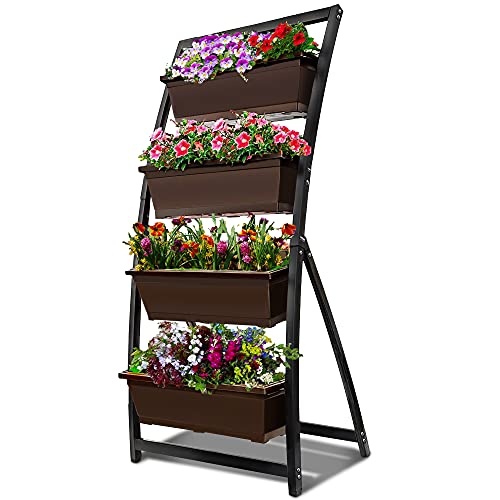
Outland Living 6-Ft Raised Garden Bed Vertical Garden Freestanding Elevated Planter with 4 Container Boxes

FEED GARDEN 5 Gallon Grow Bags 4 Pack 300G Thickened Non-Woven Fabric Pots Double-Stitched Handles

FEED GARDEN 10 Gallon Grow Bags 4 Pack – 300G Thickened Fabric Plant Pots with Reinforced Handles
What Each Pick Brings To The Table
A sixteen-pack of six-inch plastic pots sounds unglamorous, but it’s the most honest way to start a vegetable garden from seed. Each unit ships with a removable tray underneath, so a windowsill lined with these won’t end up looking like a wading pool after watering.
Compared to the AC Infinity fabric bags that come later in this list, these are rigid, shallow, and stackable, which is exactly what you want when raising peppers from seed or transplanting basil before the weather settles. For first-time growers starting modest rows of lettuce or a small herb collection, the math works out cleanly per pot.
Positive Takeaways
- Sixteen matching trays prevent water stains on shelves and tables.
- Pre-drilled drainage holes stop the most common rookie mistake: root rot from sitting water.
- Lightweight plastic moves easily between indoor and outdoor spots.
- Stackable when empty, saving closet space during off-season.
- Low per-unit cost makes replacing cracked or sun-damaged pots painless.
Honest Caveats
- Plastic becomes brittle after several seasons in direct sun; expect to replace tired pots every few years.
- Six inches of depth is too shallow for deep-root crops like full-size carrots or tomatoes.
Who It Suits Best
First-time seed starters and anyone growing herbs, lettuce, or starter seedlings indoors before transplanting.
Consider Something Else When
Heavier feeders like tomatoes and peppers do better in the FEED GARDEN 10 Gallon Grow Bags, which offer far more root room.
Fabric grow bags earn their reputation through one mechanism: air pruning. When roots hit the breathable wall, they stop circling and branch out instead, producing a denser, more efficient root system. AC Infinity builds these at 500 grams per square meter, which sits at the heavier end of the fabric spectrum.
Where the homenote plastic pots are rigid and small, these five-gallon bags flex and drain freely, making them a smarter home for mid-size vegetables like peppers, bush zucchini, or short-vine cucumbers. Nylon handles and reinforced stitching mean you can actually move a full bag without it tearing at the seam.
Everyday Wins
- 500G nonwoven fabric outlasts thin 200G competitors through multiple growing seasons.
- Nylon handles stay intact when lifting soil-heavy bags across a patio.
- Built-in metal rings allow low-stress training ties to pass cleanly through the wall.
- Folds flat for winter storage in a closet or garage bin.
Things To Consider
- Fabric dries faster than plastic, so watering frequency climbs in midsummer heat.
- Lighter exterior colors may show algae or mineral staining over time.
Feature Snapshot
Right Fit For
Intermediate growers building a patio vegetable patch who want fabric that survives several seasons of use.
Look Elsewhere When
Shallow-root herbs like basil and thyme may be happier in the FEED GARDEN 5 Gallon Grow Bags, which costs less per bag.
Ten-gallon bags hit a sweet spot for serious vegetable gardening, large enough for a single tomato or potato plant, small enough to rearrange. Songrey sells them in a ten-pack aimed at gardeners laying out an entire row of crops.
The construction is a tear-resistant nonwoven fabric that’s BPA-free, which matters if you’re growing food rather than ornamentals. Compared to the five-gallon AC Infinity set reviewed above, these double the volume per bag and arrive in a pack that’s better suited to ambitious beds of mixed vegetables.
The Good Stuff
- Thick nonwoven fabric balances breathability and structural integrity.
- Generous ten-bag count suits full garden rows.
- BPA-free build keeps edibles free of questionable plastic residues.
Trade Offs
- Without reinforced handles on every bag, dragging full bags can stress the seams.
- Ten gallons of wet soil is genuinely heavy; pick a final placement before filling.
- Fabric pots outdoors typically need replacement sooner than rigid planters.
Made For
Vegetable growers planting an entire backyard row of tomatoes, peppers, or potatoes and wanting a uniform setup.
Skip It When
Smaller herb gardens are better served by the FEED GARDEN 5 Gallon Grow Bags, which cost less and handle more modest root systems.
Raised beds are where vegetable gardening starts to feel permanent, and this L-shaped Annoell model solves a problem most rectangular beds ignore: the corner. The L footprint tucks against a fence or house corner and turns dead space into a multi-section planting area.
The panels are 0.85mm corrugated Zn-Al-Mg steel (a zinc-aluminum-magnesium coating that resists rust far better than standard galvanized). At eighteen inches tall, this bed gives roots more vertical room than any grow bag on this list, while the rounded, crimped edges remove the sharp-cut hazard common to cheaper metal beds.
Notable Upsides
- L-shaped footprint maximizes corner space that rectangular beds leave empty.
- Open-bottom design lets soil biology and earthworms connect with native ground below.
- Reinforced internal rods prevent the bulging and warping common in thin-walled beds.
- Crimped, rounded panel edges make assembly safer for kids and pets.
Worth Noting
- Metal beds heat up in full summer sun, which can stress shallow-rooted greens.
- Once filled, this bed is not moving. Plan placement carefully before assembly.
- Assembly typically needs two people for the larger panels.
Spec Overview
Best Suited To
Backyard gardeners turning a corner of a yard or patio into a permanent multi-bed vegetable plot.
A Better Fit Elsewhere
Renters or anyone wanting to take their garden along when they move will prefer the FEED GARDEN 15 Gallon Plant Grow Bags, which fold flat.
Fifteen gallons is real estate. FEED GARDEN uses that volume to host the heavy feeders that smaller bags can’t sustain: indeterminate tomatoes, full-size potatoes, eggplant, and small fruit trees that would otherwise need an in-ground bed.
Three-hundred-gram fabric puts these slightly behind the AC Infinity 500G in raw material thickness, but the double-stitched handles and reinforced construction compensate where it counts. For most backyard soil-heavy crops, these bags hold their shape and survive multi-season use without collapsing mid-summer.
Useful Strengths
- Generous depth and width support root vegetables and small fruit trees.
- Double-stitched handles allow lifting fully loaded bags without tearing.
- Breathable walls drain excess water and prevent anaerobic soil conditions.
- Eight-pack volume suits ambitious tomato or potato patches.
Some Limits To Know
- Heavier than smaller bags even when empty; plan placement before filling.
- Fabric pots need winter storage indoors to maximize lifespan.
Quick Facts
Who Should Grab It
Growers planting heavy feeders like tomatoes, potatoes, and eggplant in a portable fabric setup rather than a fixed raised bed.
Reach For A Different Pick When
Greens, herbs, and shallow-root crops thrive in the smaller FEED GARDEN 5 Gallon Grow Bags, which are easier to move and water.
Where most raised beds lean rectangular, Vego goes round. At 42 inches across and 17 inches tall, this bed becomes a centerpiece on a patio, the kind of garden you build seating around rather than walk past.
The height removes most of the bending that turns vegetable gardening into back pain, and the round footprint makes every plant reachable from any angle. For vegetables that need a statement setting, a kitchen garden visible from a deck, or anyone building a permanent edible landscape, this is a step up from the fabric bags earlier in the list.
Advantages To Know
- 17-inch height reduces stooping and makes harvesting easier on knees and lower back.
- Round shape creates a balanced focal point in modern patio designs.
- Metal construction holds up to weather better than untreated wood alternatives.
Points To Note
- Round layout wastes some interior space at the corners compared to rectangular beds.
- Larger footprint demands a generous open patio or yard section.
Perfect Match For
Homeowners investing in a long-term statement kitchen garden that doubles as patio décor.
Not Your Match When
Vegetable gardeners building a sprawling production row will get more yield per dollar from the Annoell L-Shaped Galvanized Raised Garden Bed, which packs more linear planting space.
No ground space? No problem. Outland Living stacks four containers vertically on a six-foot freestanding frame, turning six square feet of patio into roughly ten linear feet of garden. The elevation also keeps the planters at waist height, which is friendlier on the lower back than any ground-level bed.
This is the rare vegetable container built for renters, balconies, and small patios. The trade-off versus something like the Annoell L-shaped bed is volume per box: each bin holds less soil, so you’re choosing crops that stay compact like lettuce, herbs, strawberries, and small pepper plants.
Standout Benefits
- Vertical layout solves the balcony-or-small-patio vegetable garden problem.
- Elevated height reduces bending and makes harvesting comfortable standing up.
- Four separate boxes allow crop rotation and grouping by water needs.
- Freestanding frame installs without permanent anchors on most surfaces.
Practical Considerations
- Smaller individual bin volume; large tomatoes and root crops won’t thrive here.
- Freestanding vertical units can catch wind on open balconies, so weigh the base down.
Feature Rundown
Built With In Mind
Balcony and small-patio vegetable gardeners who want to grow without a yard or ground bed.
Where A Sibling Pick Shines
Larger, deeper crops like full-size tomatoes do better in the FEED GARDEN 15 Gallon Plant Grow Bags, which give roots more room to spread.
Four bags, five gallons each, 300-gram fabric: this is the small-format answer for a balcony herb garden or a modest kitchen-garden starter kit. The double-stitched handles are a quiet upgrade over typical single-row stitching, and the fabric weight sits well above the budget-tier 200G bags that often collapse after one season.
Compared to the AC Infinity 500G bags reviewed earlier, these cost less per bag and ship in a smaller pack, which suits gardeners who want to test fabric containers before committing to a full row. Each empty bag folds flat, so storing four over winter takes up about as much space as a folded beach towel.
A Favorable Mix
- 300 g/m² fabric holds shape under wet soil and resists seam tearing.
- Double-stitched handles tolerate lifting without splitting.
- Folds flat for compact off-season storage in any closet or bin.
Small Caveats
- Five-gallon volume is too small for large tomato or potato varieties.
- Light-colored fabric shows dirt more visibly than darker options.
Whose Shelf It Belongs On
Herb and lettuce gardeners who want a portable, easy-to-store fabric container without committing to a larger investment.
Swap It Out When
Heavier crops and longer beds benefit from the Songrey 10-Pack 10 Gallon Grow Bags, which offer twice the volume per bag and a fuller pack.
Ten gallons lands between hobby herb growing and full tomato farming, which is exactly why it works for so many vegetable gardeners. FEED GARDEN’s four-bag ten-gallon pack delivers the right volume for a single indeterminate tomato, a pair of pepper plants, or a root vegetable cluster per bag.
The reinforced handles are the practical upgrade that gets underappreciated: a wet ten-gallon bag can weigh 40 pounds or more, and the stitching holds where cheaper handles pull loose. This sits between the FEED GARDEN 5-gallon starter set and the 15-gallon deep beds, hitting the mid-tier that most home growers actually need.
What Works In Its Favor
- Thickened 300G fabric resists tearing and deformation across multiple seasons.
- Reinforced handles support moving fully watered bags without seam failure.
- Ten-gallon volume fits a wide range of mid-size vegetables.
- Breathable construction promotes airflow and prevents waterlogged roots.
A Few Limitations
- Mid-tier fabric weight, durable but not as heavy as 500G premium options.
- Four-bag pack may be limiting for full garden rows; consider the 8-pack Songrey alternative.
Who Will Love This
Home gardeners growing a mix of tomatoes, peppers, and herbs who want flexible fabric containers that can move around the yard.
Another Choice May Suit
Vegetable growers wanting a permanent in-place setup should look at the Annoell L-Shaped Galvanized Raised Garden Bed, which offers more structure.
Sizing Up Vegetable Containers Before You Buy
Match the container to the crop, not the other way around
The single biggest decision is volume. Shallow six-inch plastic pots handle seedlings and herbs but choke a full-size tomato. Ten to fifteen gallons is the practical sweet spot for most fruiting vegetables, while deep raised beds suit gardeners committing to long-season crops. Air pruning, the process where roots stop circling when they hit breathable fabric, naturally happens in grow bags but not in solid plastic, which makes fabric the better choice for vegetables that hate root-bound stress.
Material matters more than style
Plastic pots are inexpensive and rigid but degrade in direct sun and don’t breathe. Fabric grow bags drain aggressively and air-prune roots, which suits vegetables prone to root rot like tomatoes and peppers. Galvanized and Zn-Al-Mg steel beds last decades but heat up in full sun and stay put once assembled. Wood stays out of this list because untreated lumber has a shorter lifespan outdoors and treated lumber raises food-safety questions.
Drainage is non-negotiable
Every vegetable container on this list drains, but the way it drains differs. Plastic pots need holes drilled or pre-formed and a tray. Fabric pots drain from every wall surface, which is excellent for wet climates but requires more frequent watering in dry ones. Raised metal beds drain through the open bottom, which connects to native soil and earthworm activity below.
Think about permanence before filling
Fabric bags fold flat for storage and travel with you. Plastic pots stack in a closet. Raised metal beds become a permanent backyard structure the moment soil goes in. Renters and people who move every few years benefit from the portability of grow bags, while homeowners investing in a long-term garden get more value from a fixed raised bed.
Smart Choices Across The List
Pitfalls Shoppers Hit
The most common mistake is buying a container that’s too small for the mature vegetable. A tomato seedling looks tiny in April, but by July it’s a four-foot shrub with a root system that needs ten gallons of soil minimum. Matching the mature size of each crop to your container saves an August transplant scramble.
Another trap is overwatering plastic pots that already hold standing water in the saucer. The drainage holes only help if you empty the tray or skip the tray entirely on outdoor setups. Indoors, the included trays on the homenote set make sense; outdoors, remove them so water drains away from the base.
Why Top Tier Costs More
Premium fabric at 500G or aluminum-magnesium coated steel isn’t a marketing label. Heavier fabric resists tearing across multiple seasons instead of collapsing mid-summer. Zn-Al-Mg steel panels don’t rust at scratch points the way standard galvanized panels do. Higher-end raised beds use stainless hardware near the soil and rounded edges to remove sharp-cut hazards during assembly.
The upgrade pays off most for gardeners keeping beds in production year after year. A budget grow bag may last one season; a reinforced 300G bag lasts three or four; a 500G AC Infinity bag often goes five seasons or more. Raised beds follow the same arc, with premium coatings extending the lifespan from a decade to multiple decades.
Frequently Asked Questions
What size container do tomatoes need?
Indeterminate tomato varieties need at least ten gallons per plant, and fifteen gallons gives roots more buffer for hot summers. Determinate (bush) tomatoes can produce in five-gallon bags, but yield drops. Smaller cherry types can fruit in surprisingly tight pots, though yield still benefits from extra volume.
Are fabric grow bags safe for vegetables?
Yes. Look for BPA-free nonwoven fabric, which is the standard for reputable food-safe grow bags. The breathable material reduces root rot risk, and the fabric itself doesn’t leach anything into soil under normal garden conditions.
How long do fabric grow bags last?
A 300G bag typically lasts three to five seasons with reasonable care. A 500G bag like the AC Infinity often pushes five seasons or more. Lifespan depends mostly on UV exposure, so storing bags indoors during winter extends their useful life noticeably.
Can you grow root vegetables in raised beds?
Yes, and raised beds are often better than pots for carrots, beets, and radishes. Eighteen inches of depth (like the Annoell bed) gives root crops room to develop straight, full-sized roots. Shallow plastic pots produce stunted or forked carrots, so depth matters more than width for root crops.
Is metal safe for vegetable gardens?
Modern galvanized and Zn-Al-Mg coated steel beds are widely used for food gardening. The coating prevents direct contact between soil and bare metal, and the small amount of zinc that may migrate is well below levels of concern for edible crops. Stainless steel hardware on premium beds removes the concern entirely.
Wrap Up
The right container depends less on brand and more on the vegetables in your plan. Tiny pots for seedlings, mid-size fabric bags for most fruiting crops, deep beds for long-season roots, and vertical planters for tight patios. Pick the format that matches your space, fill it with decent soil, and water consistently. The rest is just sunlight and patience.
